Mary Queen of Scots
"Two Queens. Two Crowns. One Bloody Mess."
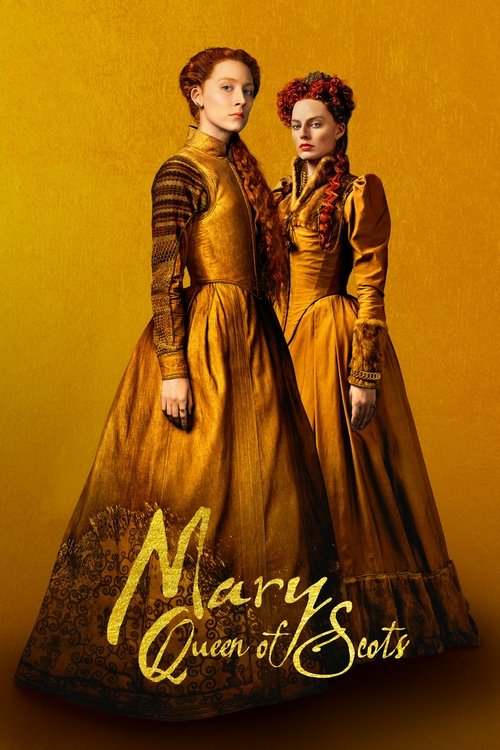
Historical accuracy is often the first casualty of a good story, and Josie Rourke’s Mary Queen of Scots doesn’t just kill it—it buries it under a mound of gorgeous Scottish dampness and Oscar-nominated lace. In an era where period dramas are increasingly shedding their "stuffy" reputation in favor of modern political resonance, this 2018 film arrived as a fascinating, if occasionally clumsy, attempt to reframe the 16th century through a 21st-century lens. It’s a film that cares more about how power feels to a woman than which specific treaty was signed in 1560.
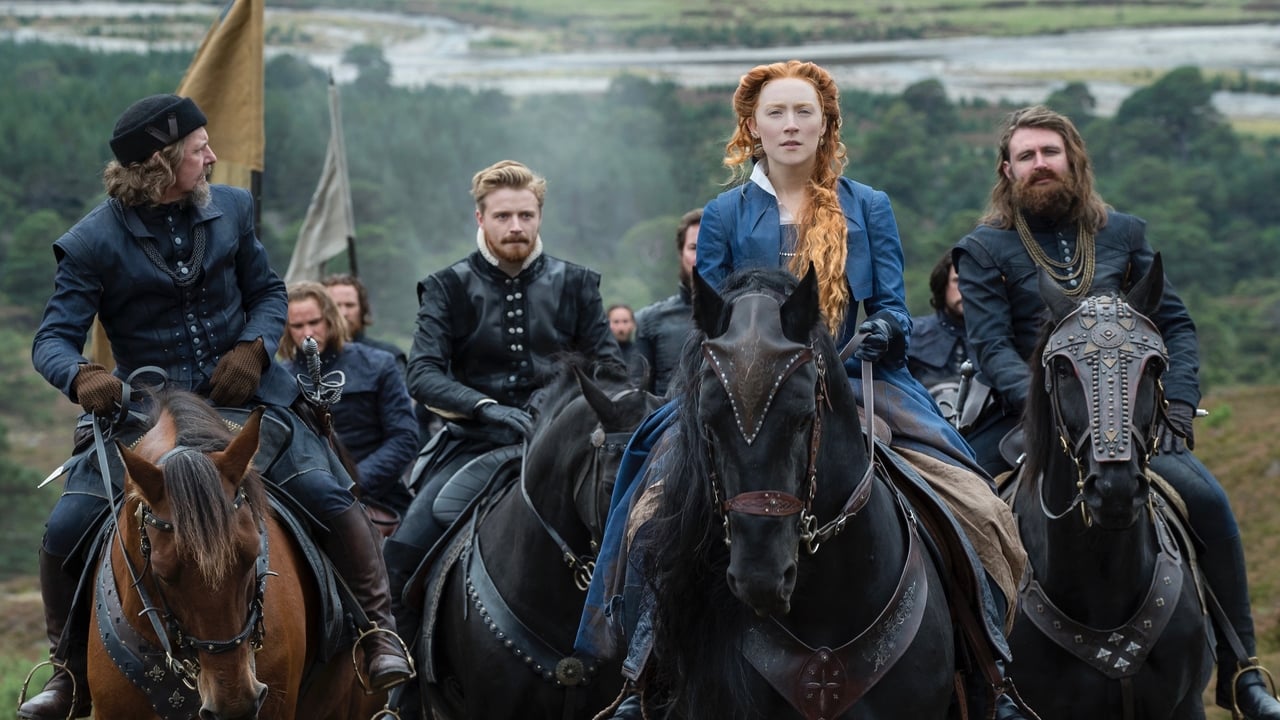
I watched this on my laptop while eating a bowl of lukewarm oatmeal, and the contrast between my beige existence and the film’s lush, deep-red velvet costuming felt like a personal insult from the production designers. But that’s the draw here: it’s a feast for the eyes that attempts to feed the brain with some very contemporary questions about gender and authority.
The Power of the Prosthetic
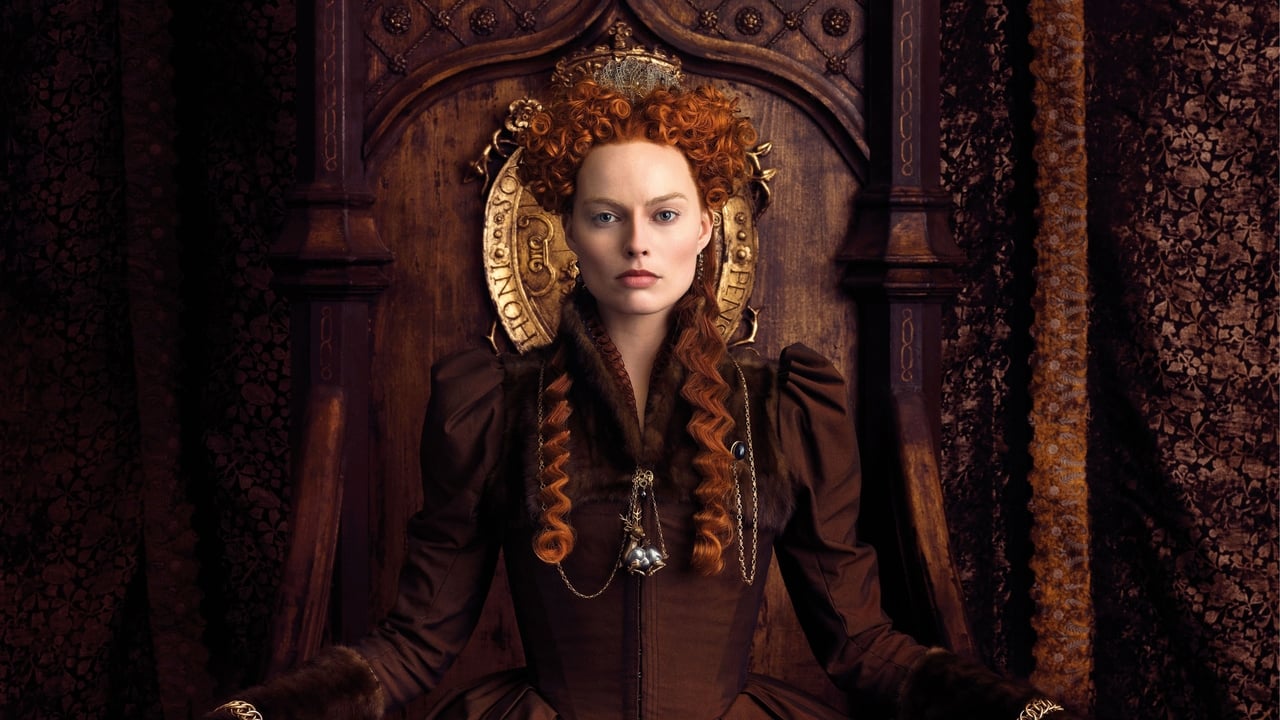
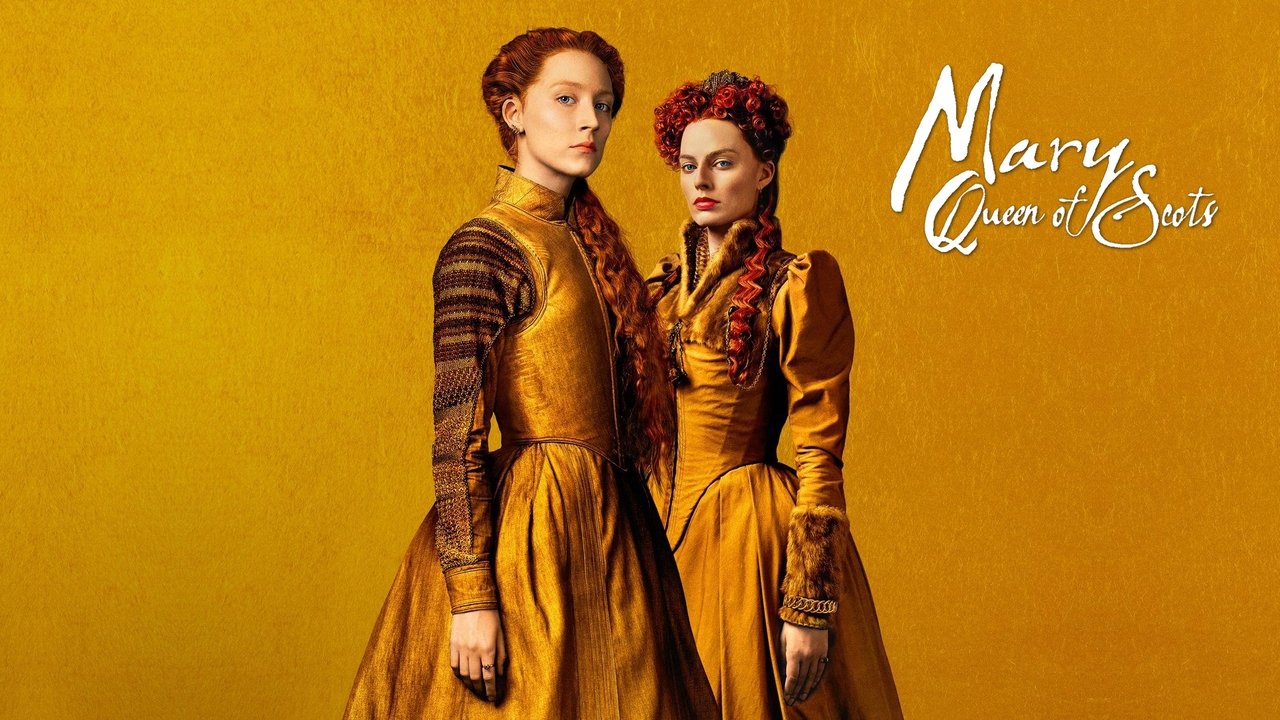
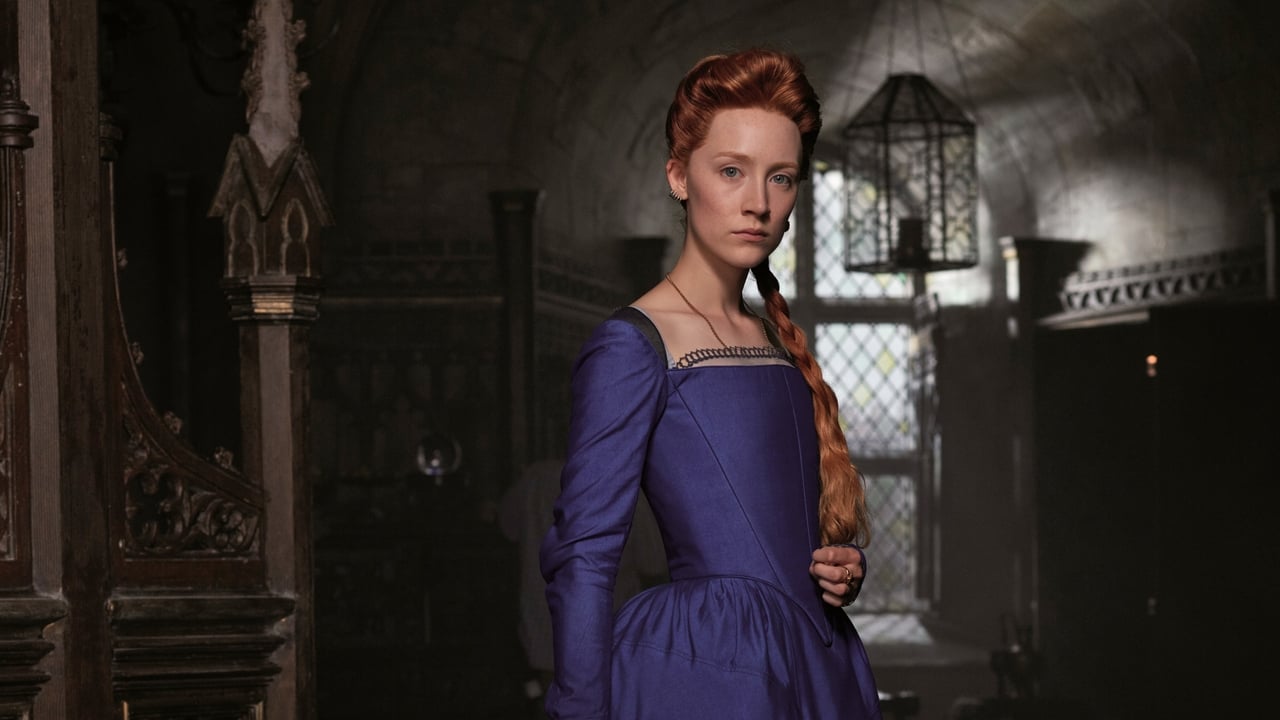
The film lives and breathes through its two leads. Saoirse Ronan, playing Mary Stuart, brings that trademark fierce intelligence we’ve seen in her other collaborations with the era, like Little Women. She plays Mary not as a tragic victim of fate, but as a hyper-competent politician who is simply playing a game where the rules were written by men who hate her. Opposite her, Margot Robbie gives us an Elizabeth I who is practically decomposing under the weight of her own sovereignty.
Robbie’s transformation is the stuff of Oscar-baity dreams—the smallpox scars, the increasingly elaborate red wigs, and the heavy white lead makeup that makes her look like a ghost haunted by her own crown. It’s a brave performance because she allows Elizabeth to be deeply unappealing and vulnerable. While Mary is out riding horses and looking radiant in the Scottish mist, Elizabeth is confined to dark rooms, dealing with the physical and psychological toll of staying unmarried in a world that demands a patriarch. The real villain of the movie isn't Elizabeth; it's the sheer amount of damp tweed and toxic masculinity everyone is forced to navigate.
A House of Cards in Ruffs
The screenplay comes from Beau Willimon, the man who gave us the American version of House of Cards, and you can feel that political DNA pulsing through the halls of Holyrood Palace. The court is a snake pit. Jack Lowden is charismatic and deeply punchable as Lord Darnley, the man Mary marries for political gain who turns out to be a mess of bisexual intrigue and insecurity. Then you have David Tennant, unrecognizable under a beard that looks like it’s made of angry wire, playing John Knox. Tennant plays Knox like he’s auditioning for a heavy metal band specializing in 16th-century misogyny, screaming from pulpits about the "monstrous regiment of women."
This is where the film feels most "now." Released in the immediate wake of the #MeToo movement and during a peak moment of cultural conversation regarding representation, Rourke makes some bold choices. The casting is intentionally diverse, featuring Gemma Chan as Bess of Hardwick and Adrian Lester as Lord Randolph. In 2018, this sparked the usual "historical accuracy" grumbling on social media, but for me, it worked. It reflects the director’s background in theater, where the "truth" of the performance matters more than a literalist interpretation of a 500-year-old portrait. It makes the world feel lived-in and reflective of our current global landscape, rather than a museum exhibit of white marble.
The Meeting That Never Happened
The centerpiece of the film is a clandestine meeting between Mary and Elizabeth in a barn filled with hanging laundry. In reality, these two women never met—they only communicated through letters that grew increasingly passive-aggressive over decades. Critics at the time were divided on this fabrication, but for a 5 minute bus-ride-worthy analysis: who cares? The scene is the emotional climax the film needs. It’s the only moment where the two women can look each other in the eye and acknowledge that they are the only two people on the planet who understand the specific misery of their positions.
Rourke uses the hanging sheets to create a visual maze, keeping the queens separated by thin veils of fabric until the final confrontation. It’s a theatrical trick that pays off, emphasizing that even when they are in the same room, the machinery of state keeps them miles apart. It’s a moment of high drama that acknowledges Mary’s "rightful" claim and Elizabeth’s "rightful" survival. Mary Stuart’s court functions less like a government and more like a high-stakes group chat where everyone is trying to get someone else blocked.
A Modern Relic
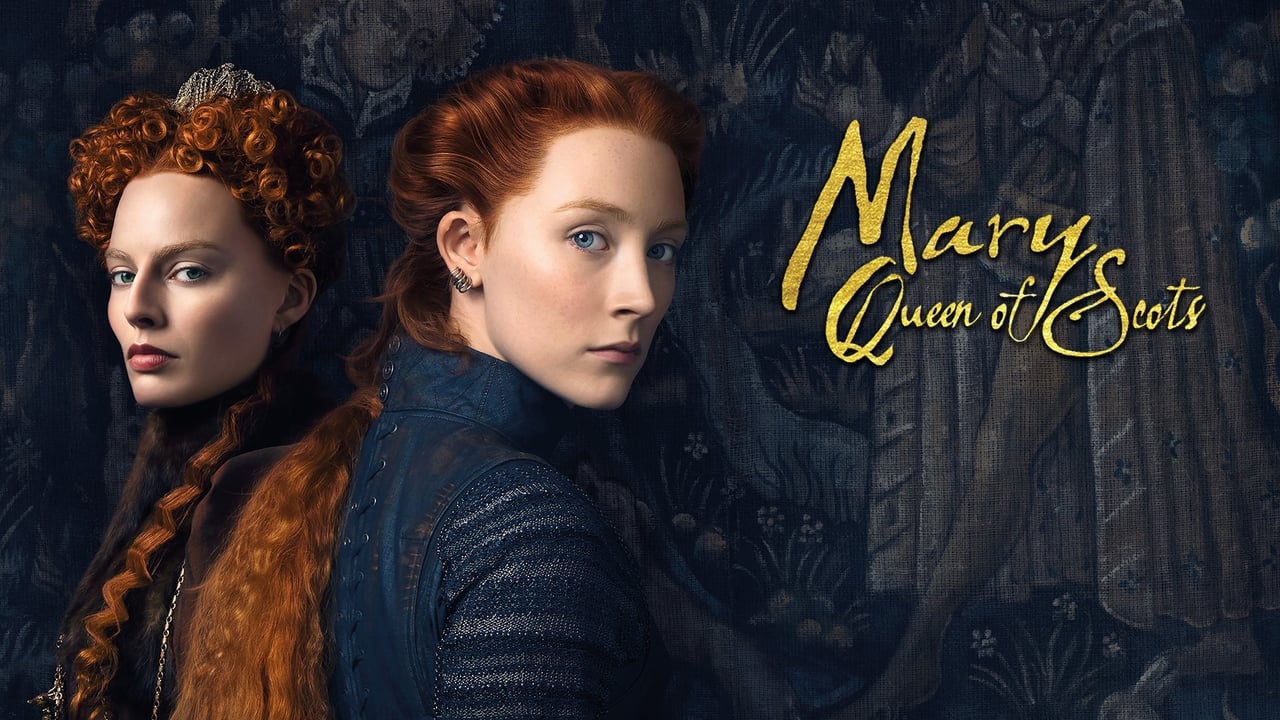
Mary Queen of Scots doesn't always stick the landing. Sometimes the political maneuvering feels a bit rushed, and the ending—which we all know involves a very sharp axe—is handled with a montage that feels a little like the film ran out of runtime. However, as a product of the late 2010s, it’s a vital piece of cinema. It’s a film that uses the past to talk about the isolation of female leadership, the fragility of male egos, and the way history is often just a series of bad decisions made by people who are tired and cold.
It’s a gorgeous, moody, and occasionally melodramatic ride through the Highlands. If you can forgive the historical fan-fiction of the meeting scene, you’re left with two of the best actors of their generation going head-to-head in a battle of wills that still feels relevant today.
Ultimately, this is a film that rewards your attention with sheer aesthetic brilliance and two powerhouse performances. It might not be the most accurate history lesson you’ll ever receive, but it’s certainly one of the most stylish. If you’re looking for a period piece that feels like it has a pulse and a point of view, Mary’s tragic journey is well worth the two-hour investment. Just don't expect a happy ending—history, like this film, is rarely that kind.
Keep Exploring...
-
The Brutalist
2024
-
Colonia
2015
-
The 33
2015
-
Risen
2016
-
All Eyez on Me
2017
-
Battle of the Sexes
2017
-

Detroit
2017
-

The Zookeeper's Wife
2017
-
Victoria & Abdul
2017
-
On the Basis of Sex
2018
-
Operation Finale
2018
-
The Current War
2018
-
A Beautiful Day in the Neighborhood
2019
-
Harriet
2019
-
Mank
2020
-

The Outpost
2020
-

Belfast
2021
-
Judas and the Black Messiah
2021
-
Brooklyn
2015
-
Goodbye Christopher Robin
2017