Maze Runner: The Death Cure
"The final labyrinth is built from steel and glass."

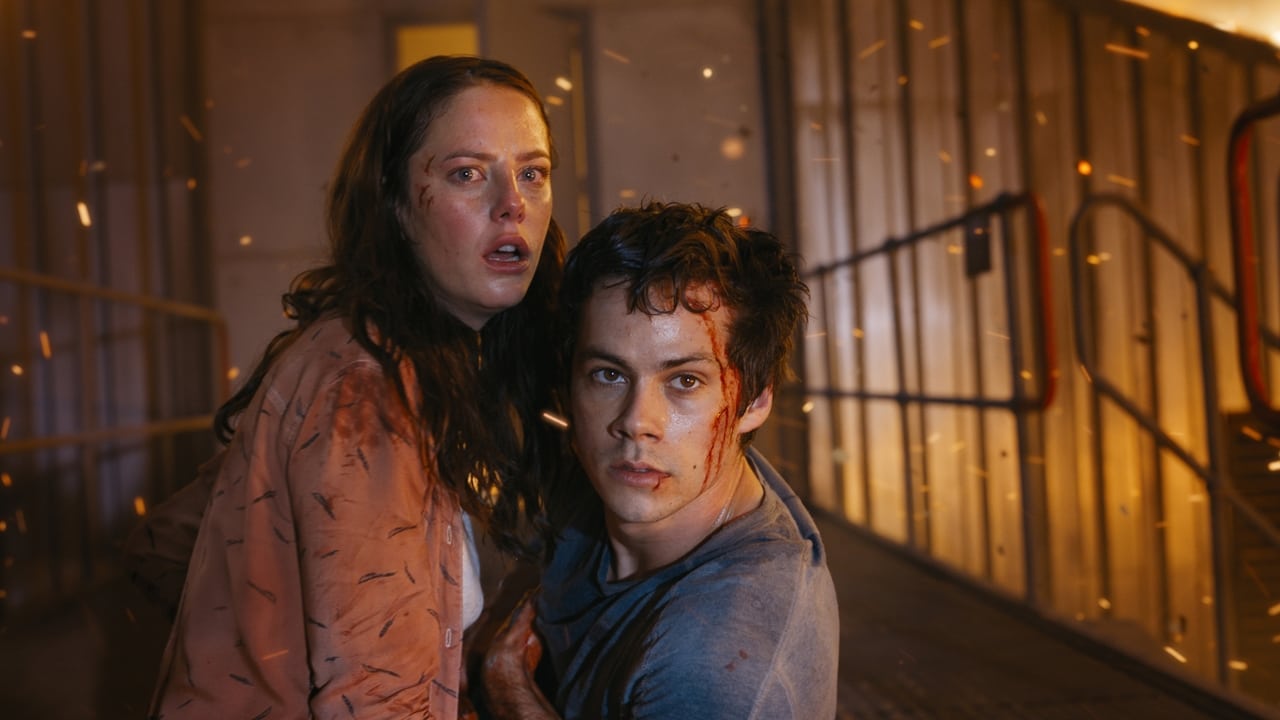
The opening frame of Maze Runner: The Death Cure doesn't waste time with a "previously on" montage or a slow-burn atmospheric build. Instead, it hurls us into a high-speed train heist that feels more like Mad Max than a typical Young Adult adaptation. It’s a sequence of sheer logistical bravado—grappling hooks, flying ships, and a frantic Dylan O'Brien sprinting across moving containers. Honestly, I watched this while recovering from a wisdom tooth extraction, and the sheer percussive volume of the explosions made my jaw throb in a way that felt oddly immersive. If the first film was a locked-room mystery and the second was a zombie road trip, this finale is a full-blown urban siege movie.
Finishing the Race
By 2018, the "YA Dystopia" bubble hadn't just burst; it had been ground into a fine dust. The Hunger Games had long since concluded, and the Divergent series had famously whimpered out of existence before it could even film its final chapter. There was a palpable sense of franchise fatigue in the air. Yet, The Death Cure managed to feel like a necessary punctuation mark rather than an obligation. Much of that is thanks to director Wes Ball, who stayed with the trilogy from start to finish—a rarity in these big-budget cycles.
The Maze Runner series is secretly the best of the YA boom because it had the decency to actually stop while it was ahead. While its peers got bogged down in increasingly convoluted world-building and "Chosen One" prophecies, this film keeps the stakes refreshingly primal: Thomas (Dylan O'Brien) just wants to save his friend Minho (Ki Hong Lee) from the clutches of WCKD. It’s a rescue mission wrapped in a revolution, and that simplicity allows the action to breathe.
A Masterclass in Scale and Scars
The production of this film is inseparable from the real-world drama that nearly halted it. During the filming of that opening train sequence, Dylan O'Brien suffered a catastrophic on-set accident that resulted in a fractured cheekbone and a concussion. The production shut down for nearly a year to allow him to recover. When you watch the film now, there’s a visible weight to his performance. Thomas looks exhausted, not just because he’s running from "Cranks" (the franchise’s version of zombies), but because the actor himself seems to have carried the physical toll of this world.
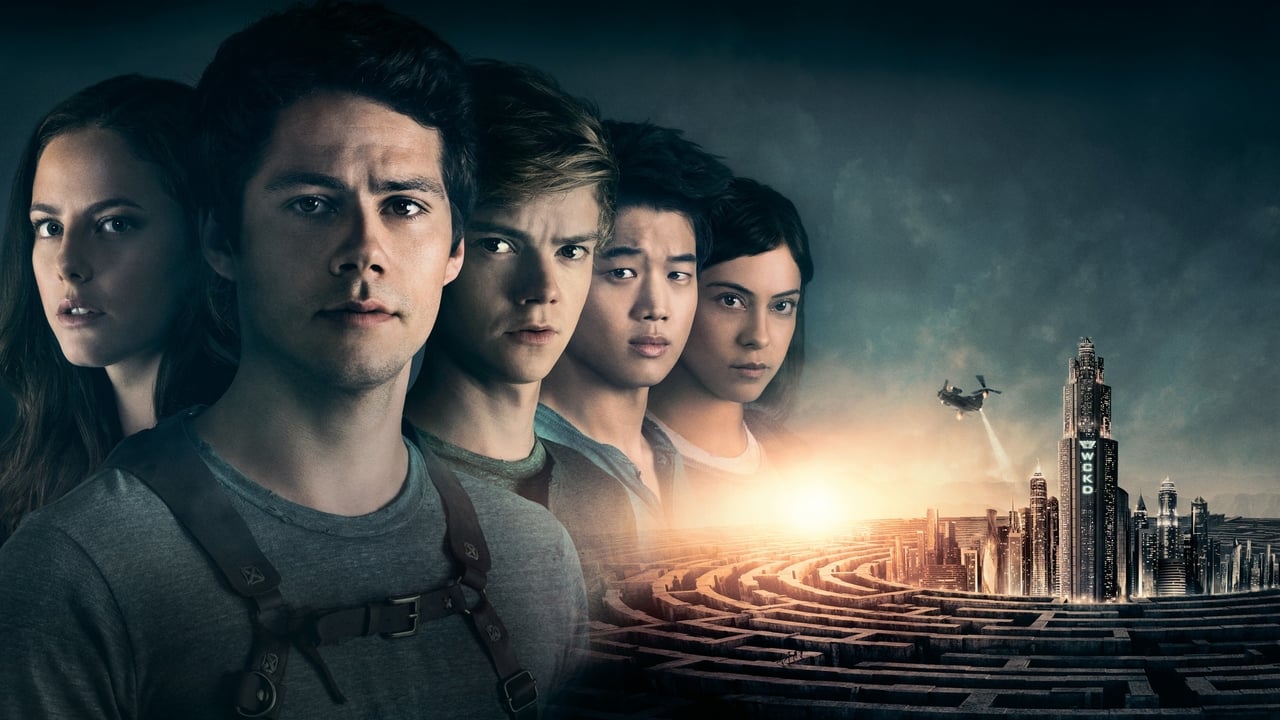
The action choreography here is some of the cleanest in modern blockbusters. Wes Ball comes from a visual effects background, but he understands physical geography. Whether it's the chaotic breach of the "Last City" or a claustrophobic struggle in a laboratory, you always know where the characters are in relation to the danger. The film uses its $62 million budget—lean by today’s superhero standards—to create a sprawling, hi-tech metropolis that feels lived-in and oppressive. The contrast between the sterile, blue-lit hallways of WCKD and the mud-caked desperation of the "Right Arm" resistance provides a visual tension that mirrors the moral gray areas the story begins to inhabit.
The Weight of the Cure
This is a surprisingly dark film for its rating. It leans heavily into the "Dark/Intense" treatment, specifically regarding the "Flare" virus. The relationship between Thomas and Newt (Thomas Brodie-Sangster) provides the emotional anchor, and their arc in this final installment is genuinely gut-wrenching. Thomas Brodie-Sangster delivers a performance of quiet, escalating desperation that elevates the film above its genre tropes.
Even the "villains" are given a bit more room to breathe. Kaya Scodelario returns as Teresa, the girl who betrayed the group in the second film for what she believed was the greater good. Her presence creates a friction that the movie doesn't resolve with easy forgiveness. She and Aidan Gillen (bringing that signature Game of Thrones slime) represent a utilitarian philosophy that feels uncomfortably relevant: how many lives are you willing to sacrifice to save the species? It’s not just about running through a maze anymore; it’s about the crushing weight of the decisions made once you’re out.

The film does suffer slightly from a bloated 143-minute runtime—a common symptom of the "Contemporary Blockbuster" era where every finale must feel like an epic. There are a few too many "just in time" rescues that strain the internal logic. However, the chemistry of the core cast, including Rosa Salazar as the fierce Brenda and Dexter Darden as the steadfast Frypan, keeps the momentum from sagging. They feel like a found family that has actually survived something together.
The Death Cure is a rare bird: a franchise finale that actually provides closure without cynical cliffhangers or a "Part 1 of 2" split. It leans into its grittier elements, trading the mystery of the first film for a high-octane, emotionally charged war movie. While it hits some predictable beats, the sheer craft on display and the palpable commitment from the cast make it a standout of the late-2010s blockbuster landscape. It’s a reminder that even in an era of franchise saturation, a director with a clear vision can still make the end feel like it actually matters.
Keep Exploring...
-
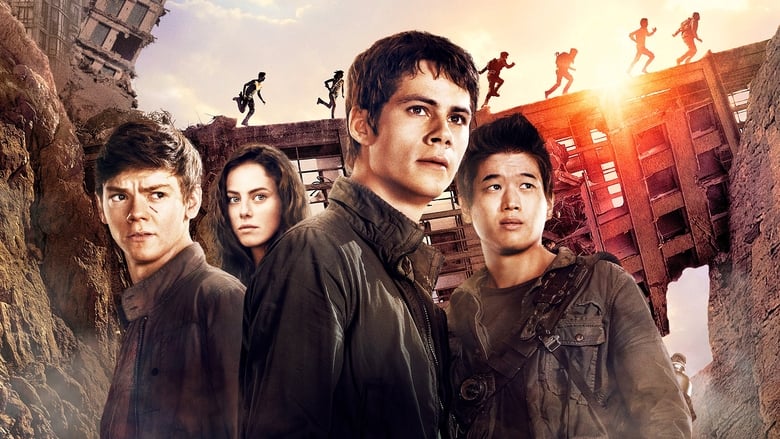
Maze Runner: The Scorch Trials
2015
-
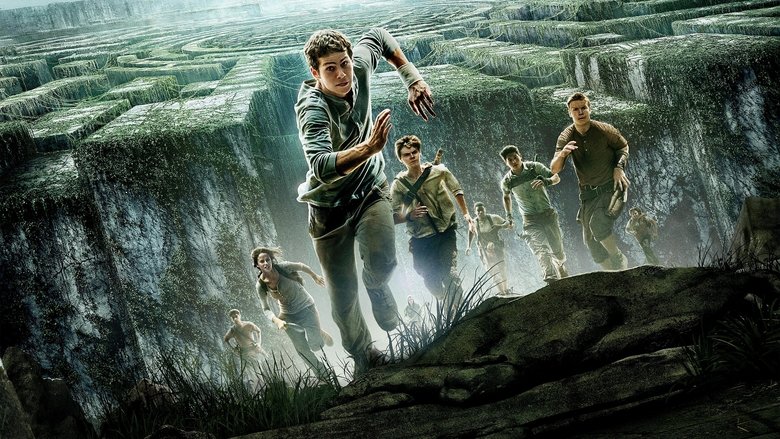
The Maze Runner
2014
-
Jurassic World
2015
-
Jurassic World: Fallen Kingdom
2018
-
Batman vs. Robin
2015
-
Greenland
2020
-
Bumblebee
2018
-
No Time to Die
2021
-

Kingdom of the Planet of the Apes
2024
-
Along with the Gods: The Two Worlds
2017
-
Gemini Man
2019
-
Terminator: Dark Fate
2019
-

Guardians of the Galaxy Vol. 3
2023
-

The Matrix Reloaded
2003
-

The Hunger Games
2012
-
Tenet
2020
-

Prey
2022
-
Mission: Impossible - Dead Reckoning Part One
2023
-
Kin
2018
-
Ant-Man
2015