mid90s
"Concrete bruises and the friends who watch you fall."
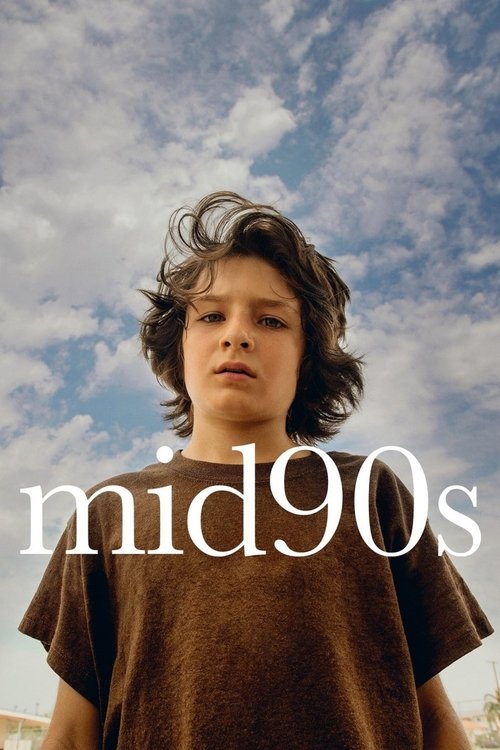
I watched mid90s while drinking a lukewarm Ginger Ale that had lost its carbonation three hours prior, and honestly, that flat, sugary syrupy-ness felt spiritually appropriate for a movie about gritty Los Angeles pavement. There is a specific kind of dehydration that only comes from spending all day outside trying to land a trick you’re nowhere near mastering, and Jonah Hill captures that thirst—physical and social—with a precision that honestly surprised me.
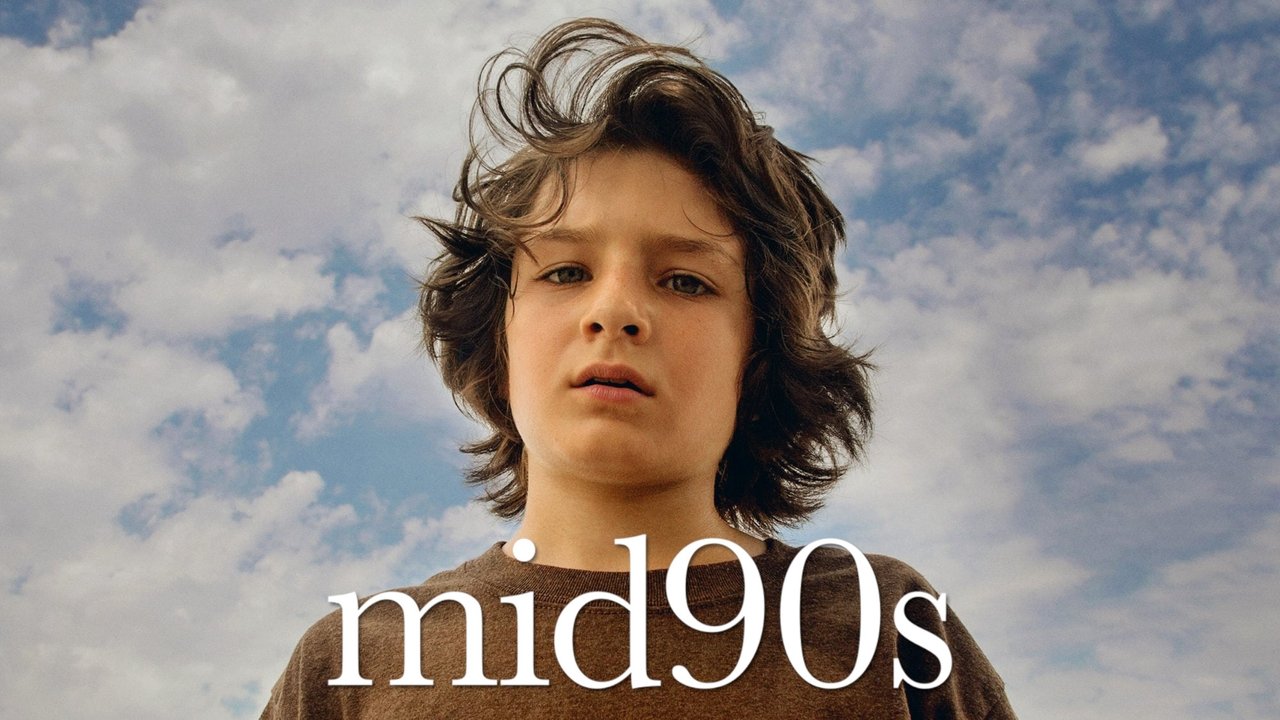
When it was announced that the guy from Superbad was making a 16mm indie flick about skating, the collective internet eye-roll was audible. We expected a vanity project or a music video for a Wu-Tang B-side. Instead, Hill delivered one of the most textured, honest coming-of-age stories of the streaming era. It doesn't just look like the 90s; it feels like a memory you’ve accidentally sharpened in your head until it draws blood.
The Square World of Stevie
The first thing you notice is the frame. Hill and cinematographer Christopher Blauvelt opted for a 4:3 aspect ratio—that nearly-square box that defined our lives before widescreen TVs and smartphones took over. It’s a brilliant move. It makes the world feel claustrophobic, mirroring the life of 13-year-old Stevie (played with a heartbreakingly wide-eyed vulnerability by Sunny Suljic).
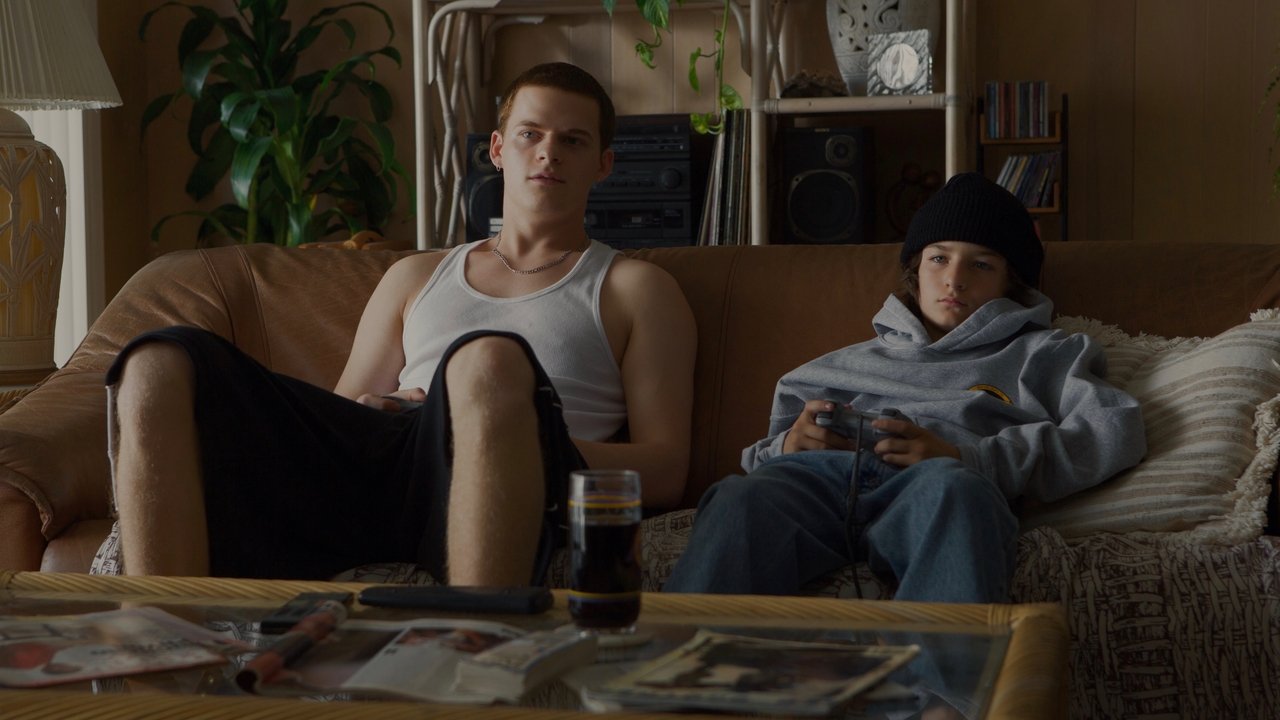
Stevie is a "scrawny little shit" trying to find a gap between his single mother (Katherine Waterston) and his profoundly angry older brother, Ian. Lucas Hedges plays Ian with a simmering, quiet violence that feels all too real; he’s a kid who doesn't know where to put his pain, so he puts it into Stevie’s ribs. Hedges is basically the king of being quietly terrifying in a polo shirt.
When Stevie wanders into a local skate shop and sees a crew of older boys talking trash and drifting through life with effortless cool, he doesn't just see friends—he sees an exit strategy. He buys a bottom-tier board and starts the painful process of "falling and getting back up," which serves as the film's literal and metaphorical backbone.
Authenticity Over "Acting"
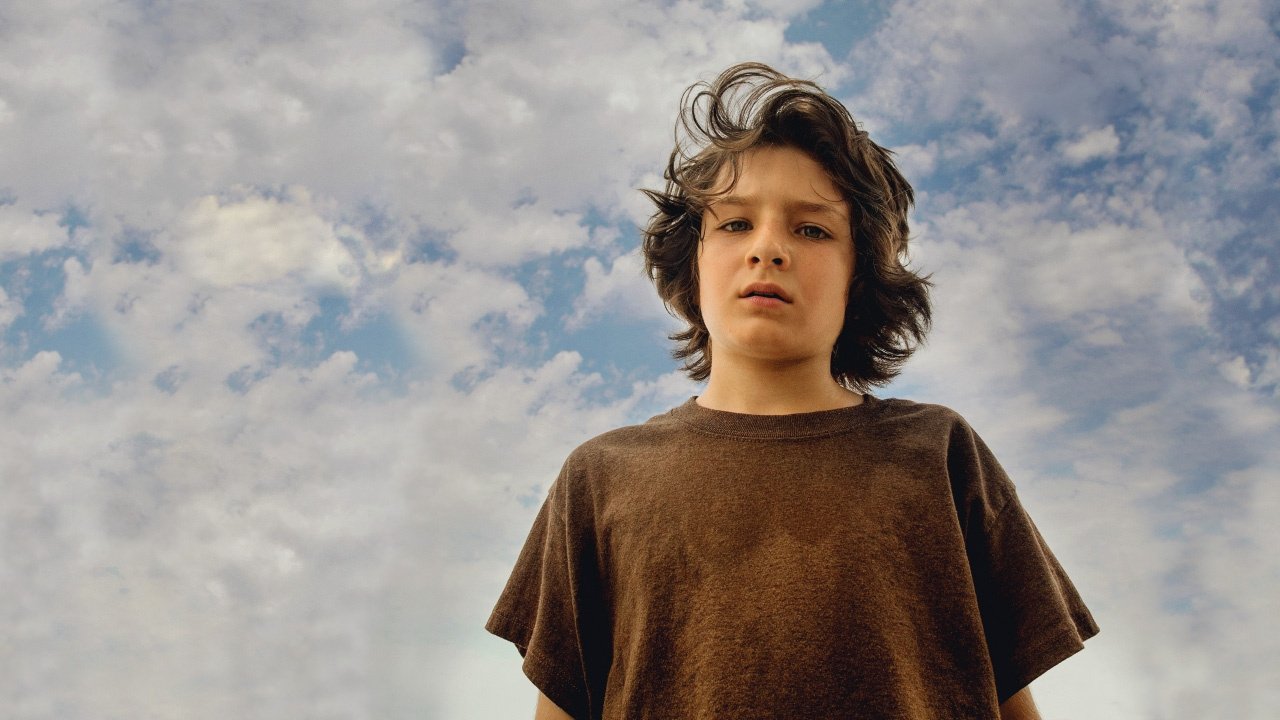
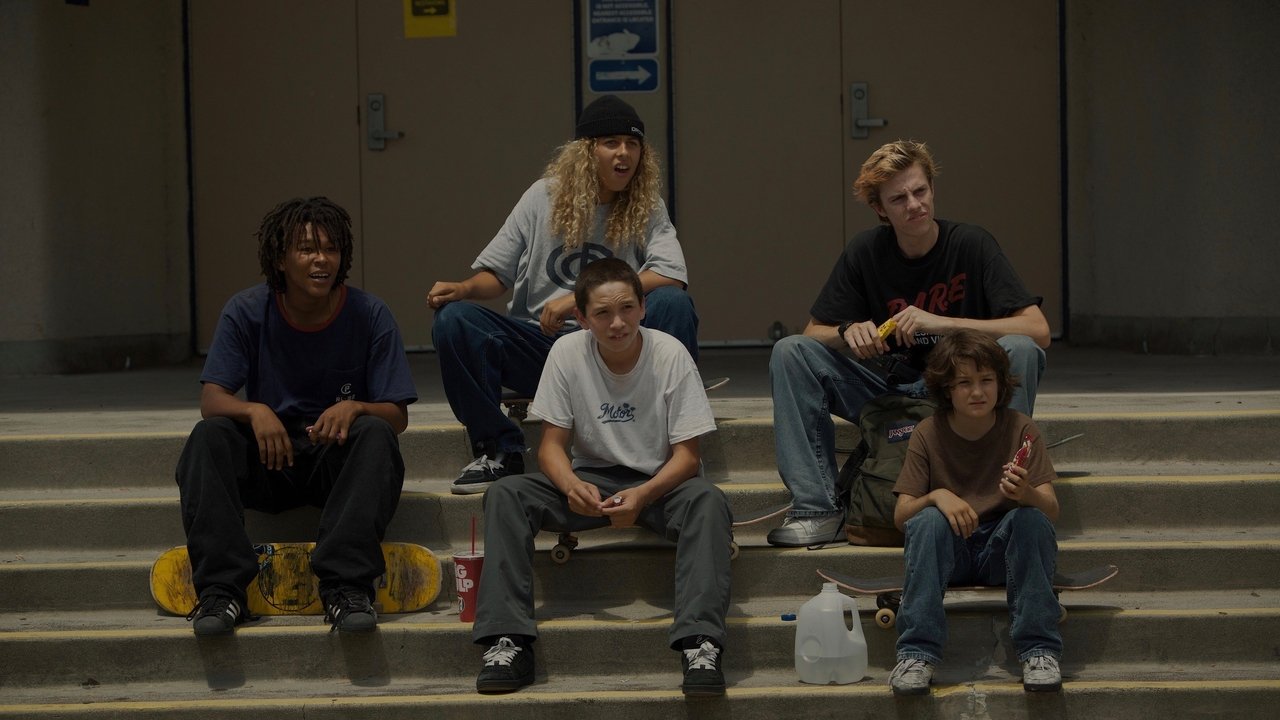
The magic of mid90s lies in the casting. Aside from the heavy hitters like Waterston and Hedges, Hill filled the skate crew with actual skaters, most of whom had never acted before. It shows in the best way possible. There’s a loose, improvisational rhythm to their dialogue that a veteran screenwriter couldn't fake.
Na-kel Smith, a pro skater in real life, plays Ray, the de facto leader and the soul of the group. Ray is the only one who sees skating as a way out of the cycle of poverty and apathy, and his performance is a revelation. He carries a weight that the others don't. On the flip side, you have Olan Prenatt as "Fuckshit." Yes, that is the character's name, and yes, it fits. He is the charismatic, self-destructive engine of the group, and Prenatt plays the role with the kind of hair and energy that makes you want to both hug him and hide your car keys.
The chemistry here isn't "movie chemistry." It’s the sound of four guys sitting on a curb, roasting each other's shoes while the sun sets over a parking lot. It’s funny, it’s profane, and it’s often uncomfortable. Hill doesn't sanitize the era. The kids use slurs, they make terrible choices, and they are frequently toxic. It’s basically Kids without the nihilistic urge to jump off a bridge. It recognizes that being a teenager is often about being a bit of a jerk while you figure out how to be a person.
The A24 Aesthetic and the 90s Myth
In our current moment of franchise saturation and CGI spectacles, a movie like mid90s feels like a relief. It’s a "small" movie with "big" feelings. It fits perfectly into the A24 stable—films that prioritize a specific, hand-crafted vibe over broad commercial appeal. By shooting on 16mm film, Hill gives the movie a grain and a color palette that feels organic. You can almost smell the stale Gatorade and the urethane wheels.
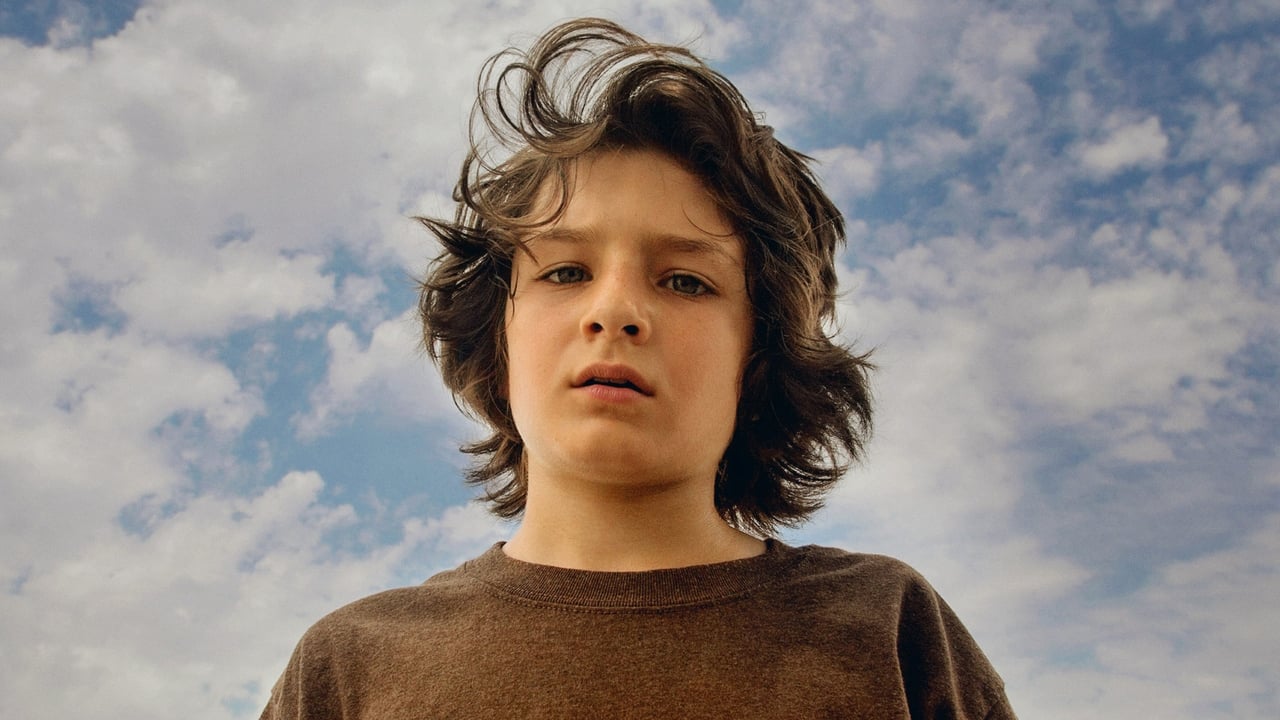
What I appreciate most is that it doesn't fall into the trap of "nostalgia porn." There are no long scenes explaining what a Discman is or wink-wink references to Jurassic Park. The 90s setting is just the atmosphere the characters breathe. The soundtrack, curated by Trent Reznor and Atticus Ross, avoids the obvious "Greatest Hits" route, opting instead for a score that feels like a low-frequency hum of anxiety, punctuated by era-appropriate hip-hop.
The film's brevity—a tight 86 minutes—is its greatest strength. It doesn't overstay its welcome or try to solve all of Stevie’s problems. It just shows us a summer where he learned that family isn't just the people you share a hallway with; it's the people who are there to film you when you finally land that ollie off the curb.
Jonah Hill’s debut is a soulful, jagged slice of life that proves he’s a filmmaker with a genuine eye for human frailty. It captures the exact moment when childhood innocence curdles into something more complicated and dangerous. Whether you ever stepped on a skateboard or not, the feeling of wanting to belong is universal, and this film nails the landing.
Keep Exploring...
-
Hunt for the Wilderpeople
2016
-
The Greatest Beer Run Ever
2022
-
Sing Street
2016
-
Lady Bird
2017
-
Dog
2022
-
Swiss Army Man
2016
-

Eighth Grade
2018
-

The Farewell
2019
-
Anomalisa
2015
-
Dope
2015
-
Inside Out
2015
-
Irrational Man
2015
-

Joy
2015
-
Me and Earl and the Dying Girl
2015
-
Justice League vs. Teen Titans
2016
-

A Dog's Purpose
2017
-
American Made
2017
-
Battle of the Sexes
2017
-
Cars 3
2017
-
Gifted
2017