Midnight Sun
"The sun is a killer, but love is the cure."
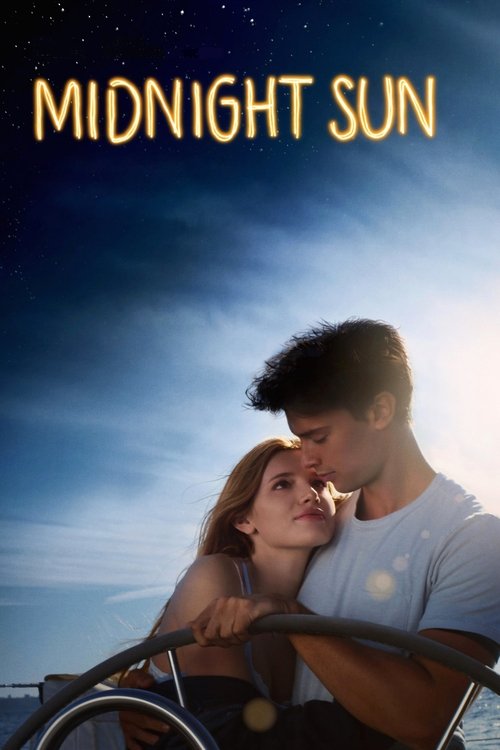
To a teenager, the sun is usually the backdrop for everything good—beach days, graduation ceremonies, the golden hour glow of a perfectly curated TikTok. But in Midnight Sun, the sun is a celestial sniper. It is the literal bringer of death for Katie Price, a girl born with a one-in-a-million genetic condition called Xeroderma Pigmentosum (XP). For her, a single stray UV ray isn’t just a sunburn; it’s a death sentence. It’s a premise that sounds like it was cooked up in a laboratory specifically designed to extract tears from eighteen-year-olds, and yet, there’s a strange, haunting beauty to how it handles the concept of "living in the dark."
I watched this while sitting in a room with the blinds drawn, not because I have XP, but because I’d accidentally bought a brand of lightbulbs that hummed at a frequency only dogs and irritable film critics can hear. That low-level buzz of anxiety actually paired quite well with the film’s central tension.
The Philosophy of the Night Owl
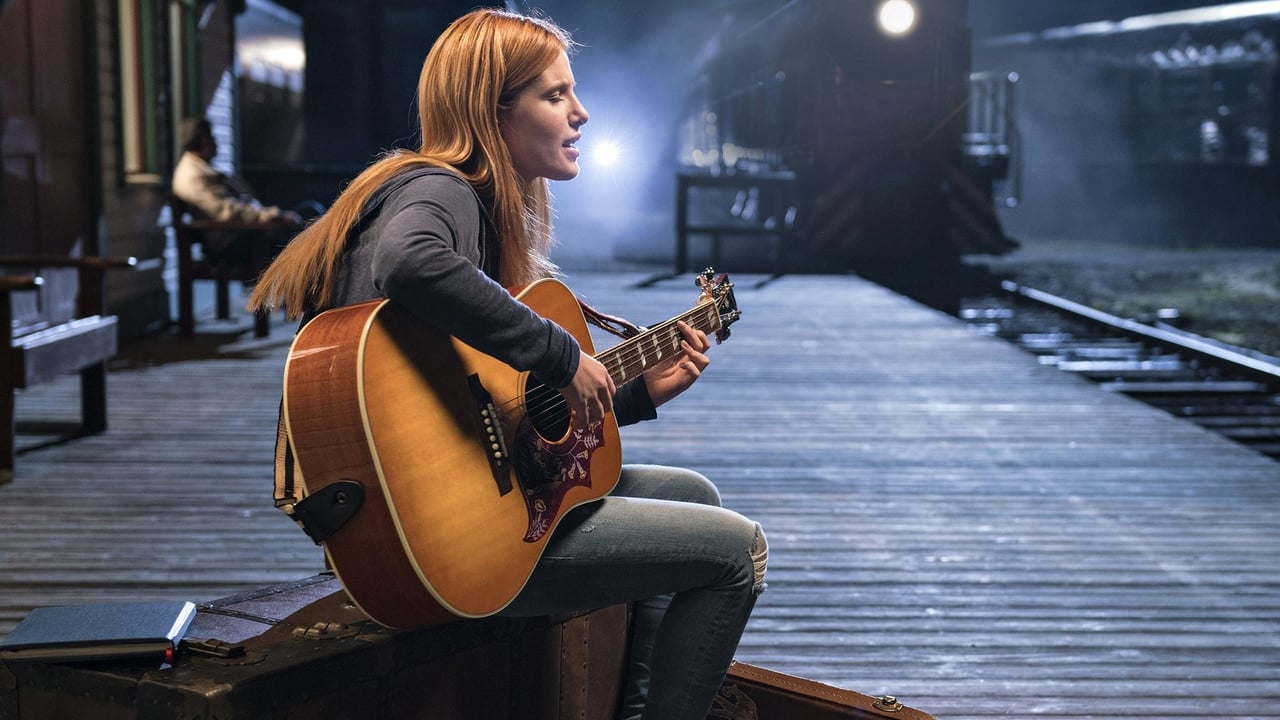
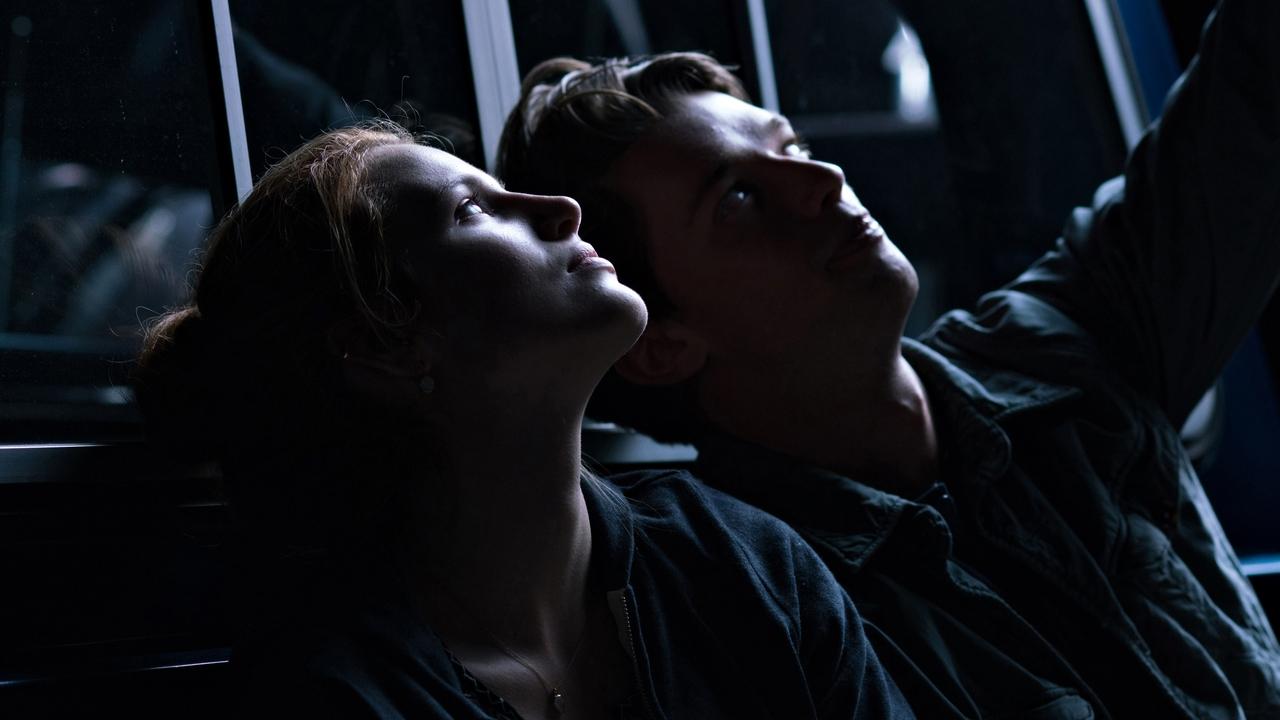
While Midnight Sun (2018) fits snugly into the "sick-lit" genre—sharing DNA with The Fault in Our Stars and Five Feet Apart—it approaches its tragedy with a distinct, almost lunar perspective. Directed by Scott Speer, who cut his teeth on music videos and the Step Up franchise, the film is obsessed with the aesthetics of the night. It treats the darkness not as a place of fear, but as a sanctuary. When Katie, played with a surprising amount of soul by Bella Thorne, ventures out to the local train station at midnight to play her guitar, the film stops being a medical drama and starts being a meditation on the invisibility of the marginalized.
The "Prestige" element here isn't found in a massive budget—this thing was shot for a lean $2.8 million—but in the craft of the atmosphere. Cinematographer Karsten 'Crash' Gopinath gives the nighttime scenes a lush, velvety texture that makes the daytime scenes feel sterile and hostile by comparison. It’s a clever inversion of how we usually view the world. Usually, the "light" represents truth and life, but here, the light is the lie that Katie cannot afford to believe. It’s essentially a high-gloss remake of a Greek tragedy for people who use Instagram filters, where the gods are replaced by genetic mutations and the "fate" is a weather forecast.
Schwarzenegger and the Legacy of the Heartthrob
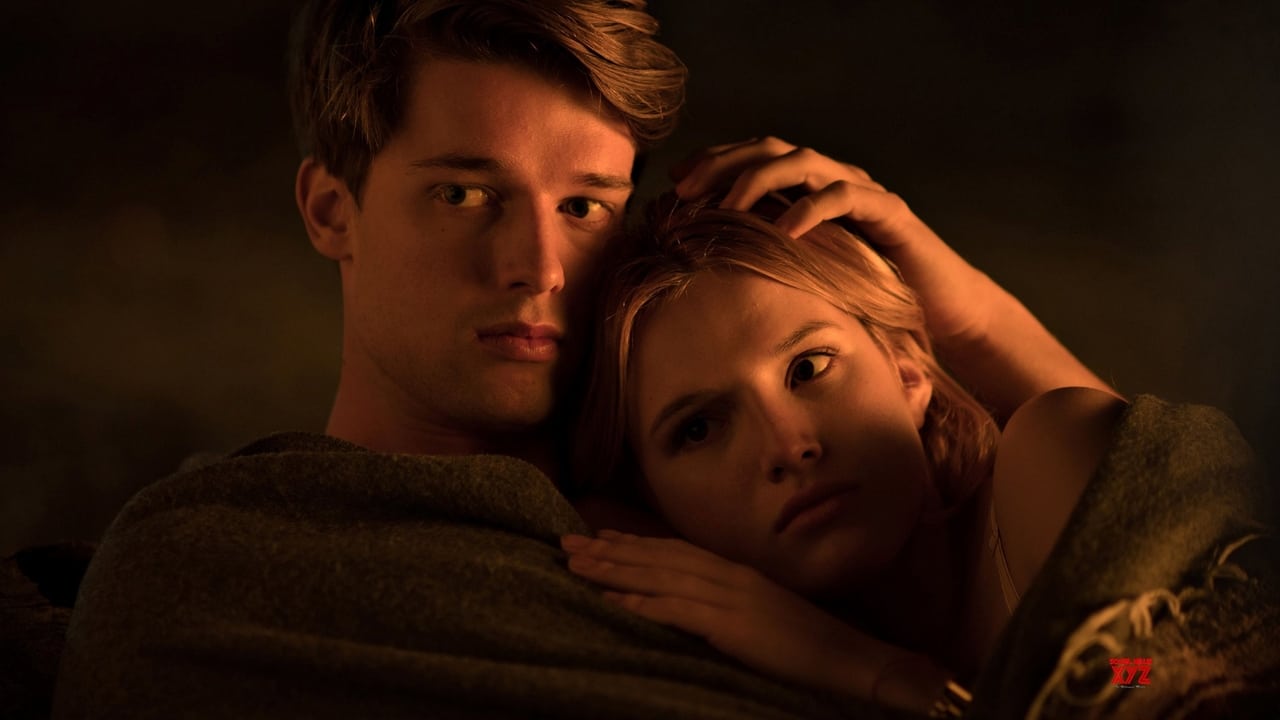
Enter Patrick Schwarzenegger as Charlie Reed. Yes, that Schwarzenegger. While he lacks his father’s "get to the chopper" bravado, he possesses a soft, golden-retriever energy that works perfectly for a high school swimming star who has lost his way. The chemistry between Bella Thorne and Patrick Schwarzenegger is the engine of the film. It’s earnest, sometimes painfully so, but it feels grounded in the specific awkwardness of Gen Z romance.
In a surprising turn, the most grounded performance comes from Rob Riggle as Katie’s father, Jack. We’re used to seeing Riggle play the loud-mouthed comic relief in films like 21 Jump Street, but here he is a man vibrating with the quiet terror of a parent who knows he is going to outlive his child. His performance adds a layer of genuine weight to a script by Eric Kirsten that occasionally veers into melodrama. Apparently, Bella Thorne insisted on playing the guitar and singing the songs herself, including "Burn So Bright," which adds a layer of authenticity to her character’s artistic escapism.
The Contemporary Context of "Borrowed Time"
Released in the late 2010s, Midnight Sun arrived just as the "Representation Matters" movement was gaining significant steam. While some criticized the film for its "Disney-fied" portrayal of a brutal disease, others found value in seeing a rare condition centered in a major studio romance. In our current era of pandemic-induced isolation, the film’s themes of being "trapped inside" and "longing for the outside world" hit with a much sharper resonance than they did in 2018. We’ve all had a taste of Katie’s life now—the world behind glass, the digital connection as a lifeline.
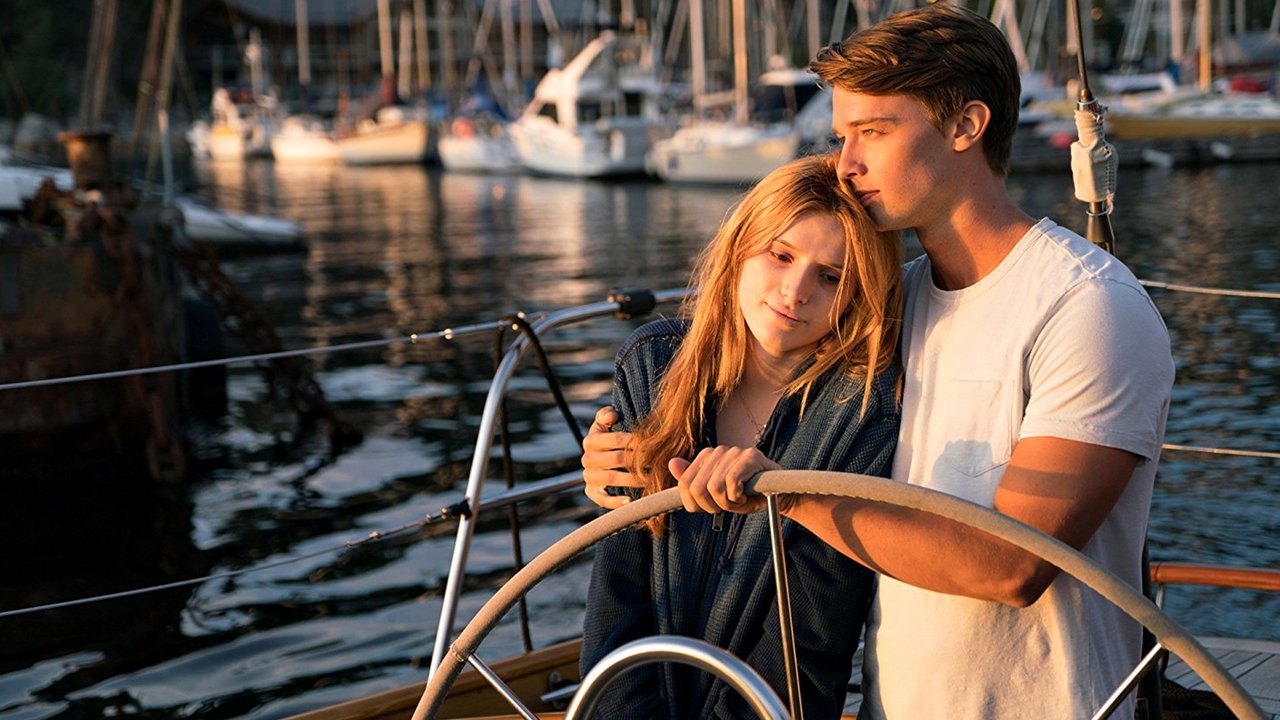
The film is a remake of a 2006 Japanese film, Taiyō no Uta, and while it loses some of the original's indie grit, it gains a certain polished, cinematic sheen that makes its tragic ending feel inevitable and "pretty" in a way that only modern Hollywood can manage. It’s a film designed for the streaming era—the kind of movie you find on a rainy Tuesday night and decide, "Yeah, I’m okay with crying over two beautiful people and a guitar for ninety minutes."
Ultimately, Midnight Sun is a film that knows exactly what it is. It doesn't try to reinvent the wheel; it just wants to make the wheel look really good under a streetlamp. It’s a reminder that while the sun might be the source of all life, it’s the moments we spend in the shadows—the songs played for strangers, the late-night swims, the secrets kept behind tinted windows—that often define who we actually are. It’s a slight, shimmering piece of contemporary romance that manages to be more thoughtful than its "teen-scream" marketing suggested.
The ending doesn't cheat. It respects the stakes it set at the beginning, which is more than I can say for a lot of modern dramas. It understands that some stories don't need a happily ever after to be meaningful; they just need to have happened.

Keep Exploring...
-
Love, Simon
2018
-

Five Feet Apart
2019
-
Forever My Girl
2018
-
The Longest Ride
2015
-
Little Women
2019
-
The Art of Racing in the Rain
2019
-

All the Bright Places
2020
-
Clouds
2020
-
Gabriel's Inferno: Part II
2020
-
Gabriel's Inferno: Part III
2020
-
Gabriel's Inferno
2020
-
I Still Believe
2020
-
Life in a Year
2020
-
Purple Hearts
2022
-
Where the Crawdads Sing
2022
-
Finch
2021
-

Me Before You
2016
-
A Silent Voice: The Movie
2016
-
I Want to Eat Your Pancreas
2018
-
Weathering with You
2019