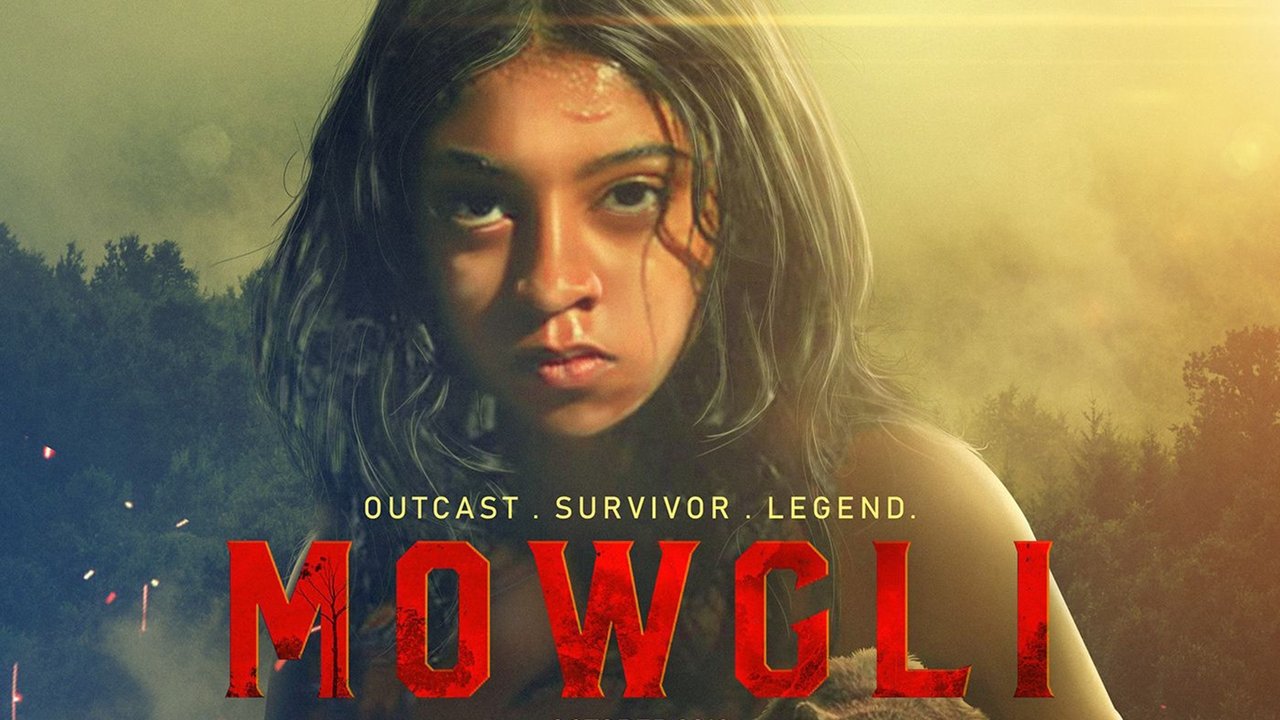
Mowgli: Legend of the Jungle
"Wilder, darker, and wearing a human face."
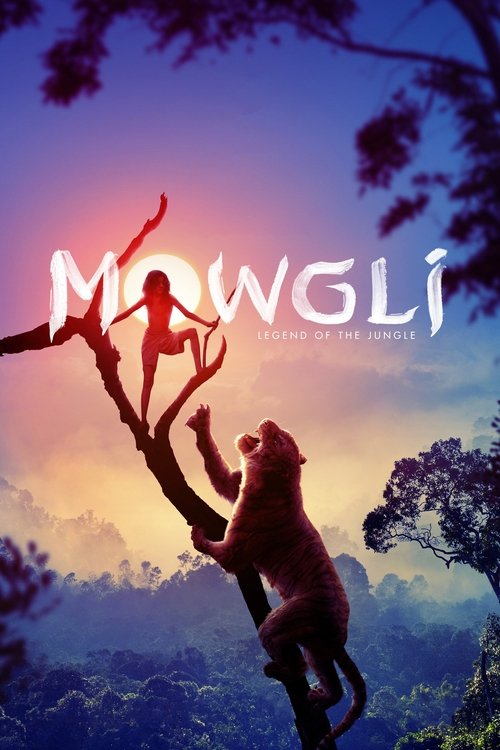
I remember exactly where I was when the first trailer for Andy Serkis’s Mowgli: Legend of the Jungle dropped. I was sitting in a dentist’s waiting room, clutching a lukewarm bottle of sparkling water, and thinking, "Wait, didn't we just do this?" Disney’s live-action-ish Jungle Book had just swept the box office two years prior, and here was Warner Bros. (and eventually Netflix) showing us a version of Bagheera that looked like he’d spent three weeks in a sensory deprivation tank.

It felt like a glitch in the Hollywood Matrix. But having revisited it recently—this time on my couch while my cat, Barnaby, sat on my chest and judged the CGI panthers with visible disdain—I’ve realized that Mowgli isn't a redundant copy. It is a weird, bruised, and deeply ambitious piece of contemporary filmmaking that was essentially buried by the very technology it tried to pioneer.
The Face in the Fur
If you’re coming into this expecting "The Bare Necessities," you’re going to be disappointed. There are no catchy songs here, only the sounds of snapping bone and the heavy breathing of a very stressed-out Christian Bale. Serkis didn't want to make a cartoon; he wanted to adapt Rudyard Kipling’s source material with a level of grit that usually requires a "Parental Advisory" sticker.
The most striking (and polarizing) thing about the film is the performance capture. Unlike the Disney version, where the animals look like photorealistic National Geographic outtakes, Serkis’s creatures have human-like facial structures. Benedict Cumberbatch’s Shere Khan doesn't just sound like a tiger; he looks like a tiger that has been merged in a teleporter accident with Benedict Cumberbatch.
It’s a classic "Uncanny Valley" situation. At first, it’s like looking at a feline version of a high-school yearbook photo, and it’s genuinely unsettling. But once the initial shock wears off, you realize what Serkis was aiming for. By mapping the actors' actual micro-expressions onto the animals, we get a level of dramatic nuance that traditional CGI usually misses. When Christian Bale’s Bagheera looks at Mowgli, you don’t just see a cat; you see a weary, scarred mentor carrying the weight of a thousand secrets.
The Jungle Is Not for Kids
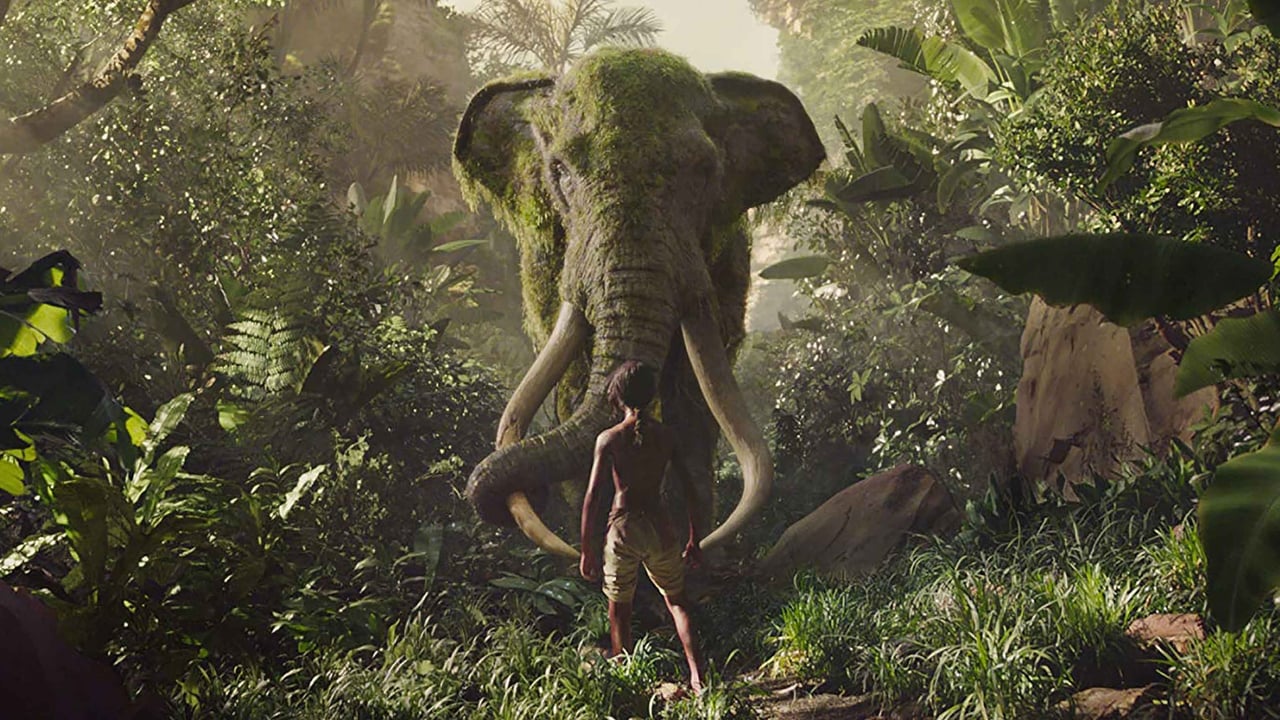
The performance of Rohan Chand as Mowgli is arguably the best live-action interpretation of the character we’ve ever seen. Most child actors in these roles look like they’ve been scrubbed clean between takes, but Chand looks like he’s actually been sleeping in the dirt for a decade. He captures the feral, twitchy energy of a boy who is caught between two worlds and belongs to neither.
This film leans hard into the "Drama" side of its genre tag. It deals with the colonial subtext of Kipling’s work in a way that feels surprisingly relevant for 2018. It’s not just about a boy and his animal buddies; it’s about the violence of belonging. There’s a scene involving a taxidermy collection that is pure nightmare fuel for anyone under the age of twelve, and it signals exactly what kind of movie this is. It’s a story about the loss of innocence, where the jungle isn’t a playground—it’s a battlefield.
The film's journey to the screen is almost as dramatic as the plot. It was filmed way back in 2015, but it sat on a shelf for years because the tech was so complex and Disney’s version had "claimed" the territory. By the time it landed on Netflix, it felt like a relic from a different era of the mid-2010s blockbuster machine. It’s a fascinating example of the "Streaming Era Impact"—a big-budget, $175 million spectacle that was sold off because it was too "weird" for a traditional theatrical run.
A Legacy of Bone and Blood
Is it a masterpiece? No. The pacing is occasionally as shaggy as a Himalayan bear, and some of the CGI—particularly the wolves—still feels "floaty" in a way that breaks the immersion. But I’d take Serkis’s swing-for-the-fences ambition over a safe, corporate re-tread any day.
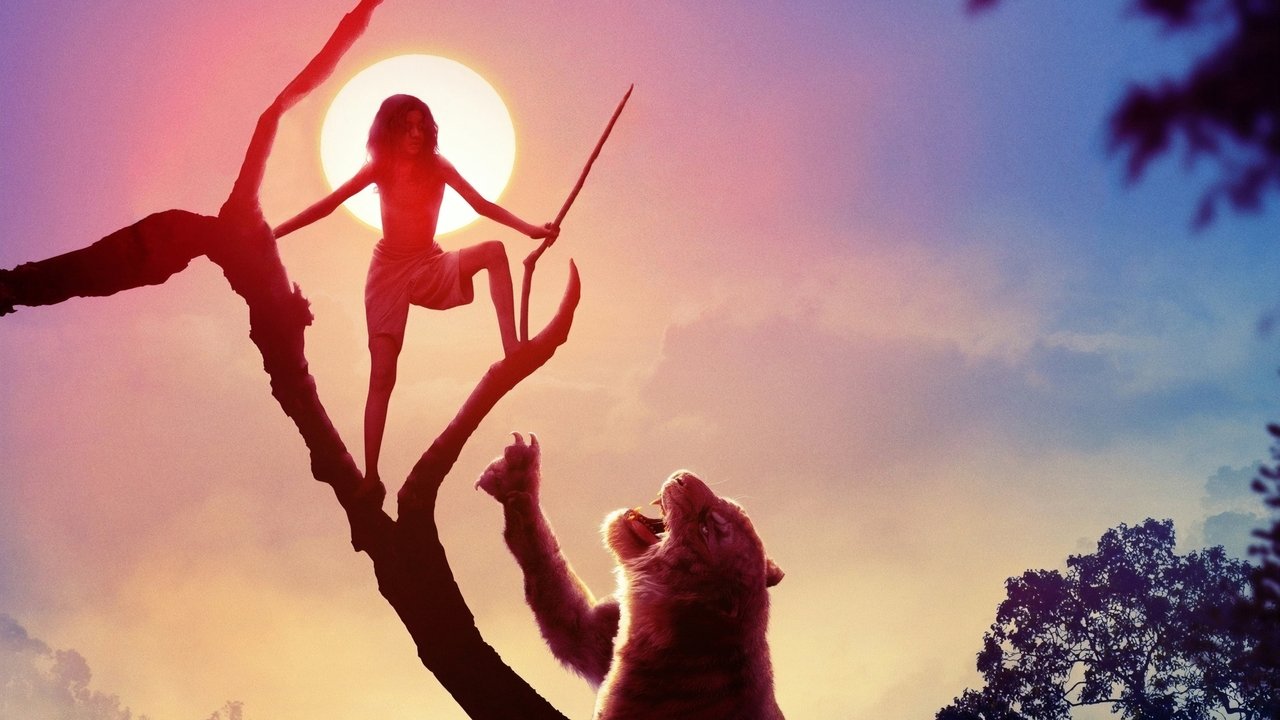
There’s a cult status forming around Mowgli because it represents a specific moment in tech history where we tried to make digital characters feel "soulful" by keeping them human. Apparently, the actors spent months in "animal school," crawling around on all fours to get the movements right. Cate Blanchett as the python Kaa is particularly mesmerizing, playing the snake as a cosmic, multi-dimensional witness to history rather than just a hungry predator.
Interestingly, this film was one of the first big "sacrifices" to the Netflix altar. Warner Bros. saw the writing on the wall: a dark, brooding Jungle Book wasn't going to out-earn Mickey Mouse at the multiplex. By moving to streaming, it found an audience that appreciates its jagged edges. It’s a film that asks what it means to be an outsider, which is exactly what the movie itself became in the Hollywood ecosystem.
Ultimately, Mowgli: Legend of the Jungle is a film that rewards those who can stomach a little weirdness. It’s a gorgeous, occasionally grotesque exploration of identity that uses cutting-edge tech to tell a very old, very bloody story. It might not be the "classic" version of the tale, but it’s the one that sticks in your teeth long after the credits roll. If you missed it during the initial streaming rush, give it a shot—just maybe don't watch it with your pets in the room if you want to avoid their judgment.
Keep Exploring...
-
Hostiles
2017
-
Venom: Let There Be Carnage
2021
-

In the Heart of the Sea
2015
-
Miss Peregrine's Home for Peculiar Children
2016
-

The Huntsman: Winter's War
2016
-
Cars 3
2017
-

Okja
2017
-

Alpha
2018
-
The Walk
2015
-

Eddie the Eagle
2016
-
Papillon
2017
-
The Lost City of Z
2017
-
The Mountain Between Us
2017
-
The Space Between Us
2017
-
The Darkest Minds
2018
-
The Green Knight
2021
-

Gladiator II
2024
-
Jungle
2017
-
Black Mass
2015
-
Vice
2018