Mute
"Silence screams in a city that never shuts up."
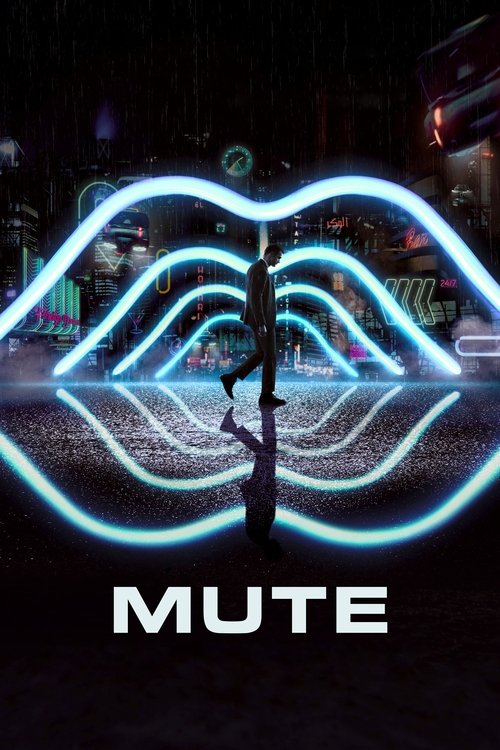
There is a specific kind of silence that only exists in the middle of a screaming crowd. It’s heavy, deliberate, and a little bit unnerving. That’s exactly how it feels to step into Duncan Jones’ vision of 2050s Berlin—a world so cluttered with holographic advertisements and flying food delivery drones that you can almost smell the ozone and cheap kalbsdöner. Yet, at the center of this neon cacophony is Leo, a man who hasn't spoken a word since a childhood boating accident.
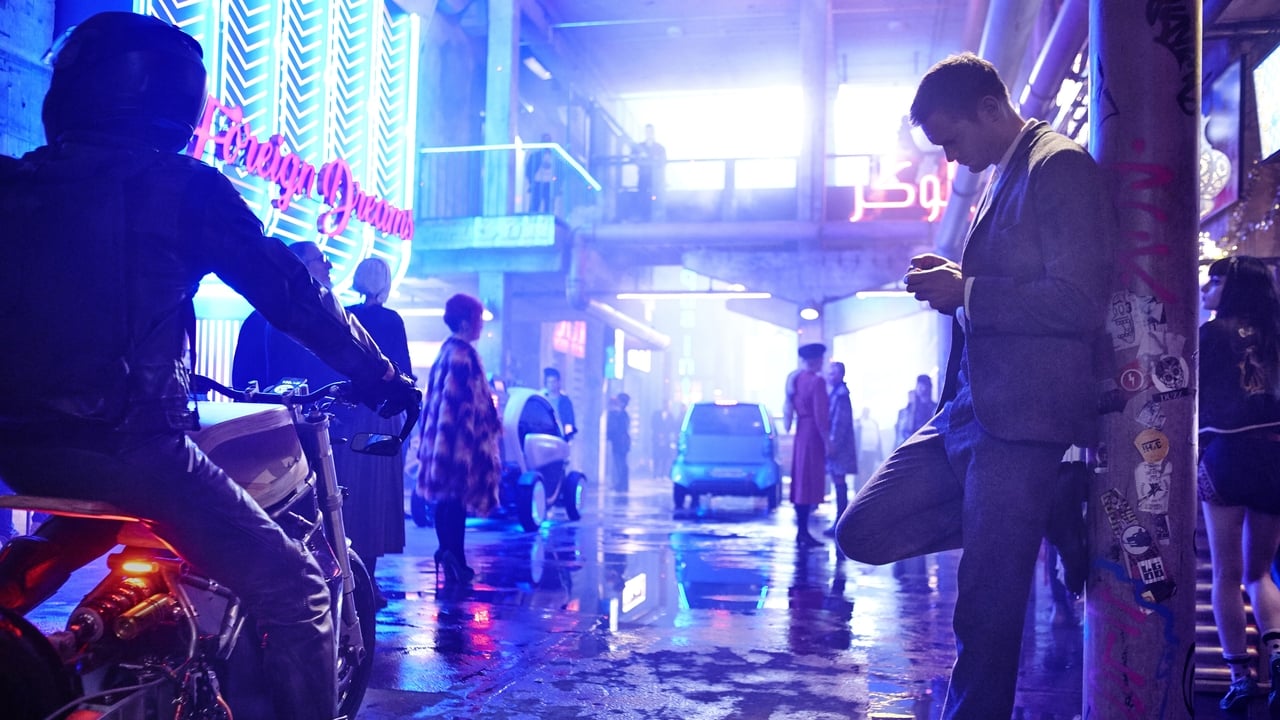
I watched this for the second time last Tuesday while struggling to ignore a persistent Java update notification on my laptop, and the irony wasn't lost on me. Here I was, annoyed by a tiny digital glitch, while Leo was navigating a future where the tech has become a sentient, suffocating blanket. Mute was supposed to be the "spiritual sequel" to Jones’ 2009 indie darling Moon, a film that basically redefined what you could do with a small budget and a high concept. But when Mute finally dropped on Netflix in 2018 after sixteen years in development hell, the silence from the critics was deafening.
The Weight of a Spiritual Successor
The problem with being a "spiritual sequel" is that you’re haunted by a ghost. Moon was tight, claustrophobic, and deeply human. Mute is sprawling, messy, and occasionally repulsive. Alexander Skarsgård plays Leo with a soulful, wide-eyed physicality that reminded me of a stray dog lost in a server room. He’s an Amish-adjacent bartender looking for his missing girlfriend, Naadirah (Seyneb Saleh), and his journey takes him through a criminal underworld that feels like Blade Runner’s angrier, less poetic younger brother.
Leo’s silence isn't just a character quirk; it’s a direct challenge to the genre. In a world defined by information exchange, what do you do with a protagonist who can’t—or won’t—participate? It’s a fascinating setup, but the film often treats Leo as a passenger in his own story. He wanders from one neon-lit club to another, swinging a handmade wooden club while the actual plot happens somewhere else, usually involving two AWOL American army surgeons.
A Mustache and a Malpractice Suit
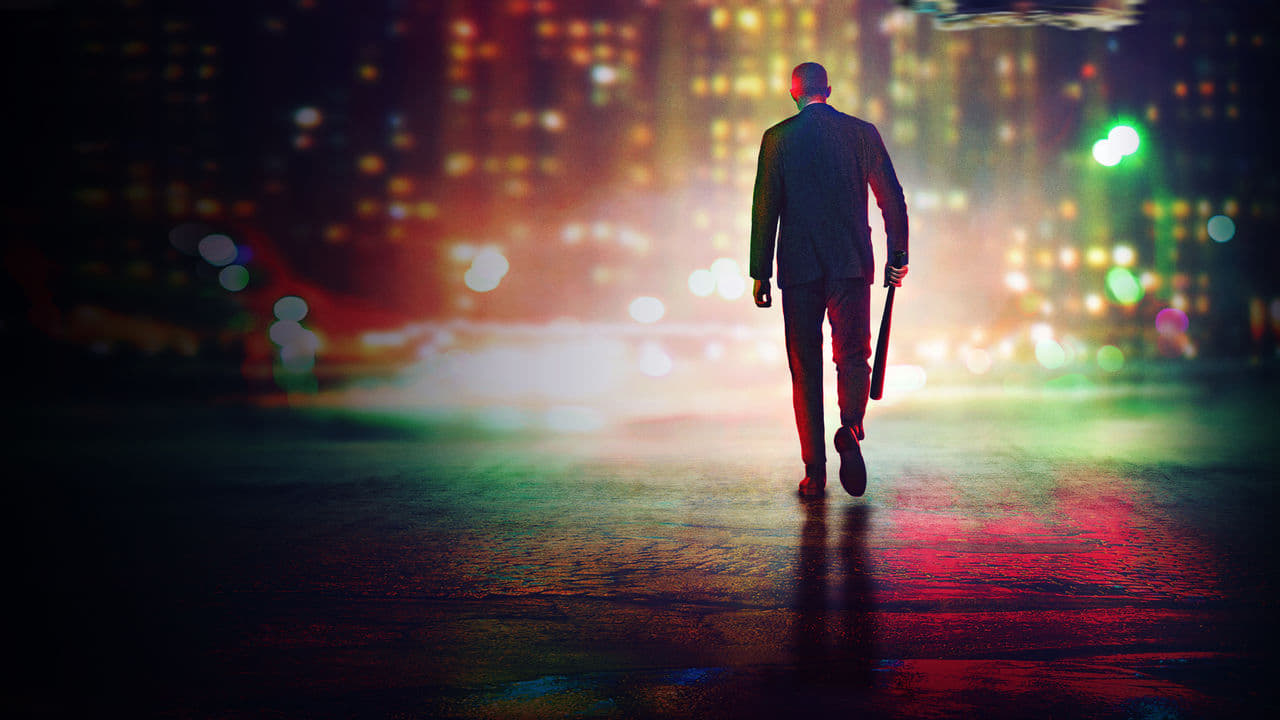
If Leo is the heart of the film, Paul Rudd and Justin Theroux are its blackened, cynical lungs. As Cactus Bill and Duck Teddington, they are easily the most compelling—and deeply disturbing—parts of the movie. Paul Rudd’s handlebar mustache in this film deserves its own SAG award, or perhaps a restraining order. We’re used to Rudd being the "world’s most likable man," but here he’s a violent, desperate father who operates on mobsters in the back of a van.
His chemistry with Justin Theroux, who plays a pedophilic tech-wiz with a platinum-blonde wig, is genuinely skin-crawling. Their banter is fast, mean, and funny in a way that feels completely detached from Leo’s somber quest. It’s almost like Jones directed two different movies and stitched them together with fiber-optic cables. While I appreciated the subversion of Rudd’s nice-guy persona, the film’s dive into the darker corners of Duck’s psyche felt gratuitous. There’s a fine line between "gritty noir" and "I need to take a shower," and Mute frequently hops over that line just to see what happens.
Lost in the Streaming Abyss
Why did Mute vanish so quickly? In 2018, Netflix was in its "throw money at auteurs" phase. They gave Duncan Jones $30 million and total creative freedom, which is both a blessing and a curse. Without the guardrails of a traditional studio, the film’s 126-minute runtime feels indulgent. It meanders. It spends a lot of time on world-building that doesn't always serve the narrative.

There’s also the "Friday night drop" phenomenon. Unlike a theatrical release that builds word-of-mouth over weeks, Mute was dumped into the algorithm, chewed up by a few disappointed Moon fans, and buried under a mountain of true-crime documentaries within 48 hours. It is the ultimate "middle-of-the-pack" streaming relic—too weird to be a hit, but not quite brilliant enough to be a cult classic.
Technically, the film is a marvel. The cinematography by Gary Shaw and the score by Clint Mansell create an atmosphere that I genuinely enjoyed living in, even when the script let me down. There are small, wonderful details—like the recurring cameos from Moon's Sam Bell (look closely at the TV screens!)—that show how much Jones cared about this universe. He spent over a decade trying to tell this story, and you can feel that passion in the production design.
Ultimately, Mute is a beautifully wrapped gift that contains a very confusing sweater. It’s an ambitious swing that doesn't quite connect, but I’d rather watch a director fail at something original than succeed at something recycled. If you’re a sci-fi completist or just want to see Paul Rudd play a genuine jerk for two hours, it’s worth a look. Just don't go in expecting the focused brilliance of Moon. Some silences, it turns out, don't actually need to be broken.
Keep Exploring...
-
2:22
2017
-
The Discovery
2017
-

Anon
2018
-
Color Out of Space
2020
-
Hypnotic
2023
-
Circle
2015
-
The Vast of Night
2019
-
Vivarium
2019
-
Regression
2015
-
Secret in Their Eyes
2015
-
Survivor
2015
-

Morgan
2016
-
Spectral
2016
-

Crooked House
2017
-
Suburbicon
2017
-
Extinction
2018
-
Kin
2018
-
Replicas
2018
-
Tau
2018
-
Captive State
2019