My Hero Academia: Two Heroes
"The passing of the torch ignites the sky."
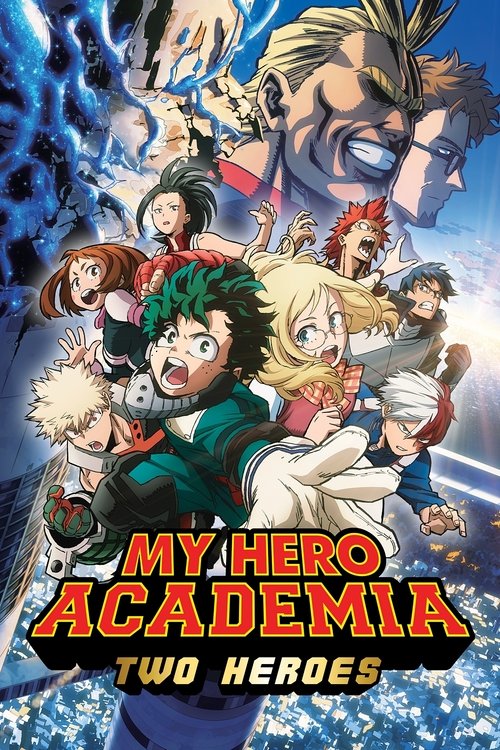
I remember watching this in a half-empty theater on a Tuesday afternoon while the person three rows down was loudly unwrapping a family-sized bag of kale chips, and honestly, the crunching weirdly suited the bone-shattering action on screen. In the current era of superhero saturation, where the MCU is often busy doing its taxes and setting up the next twelve projects, My Hero Academia: Two Heroes feels like a frantic, joyful sprint. It’s a 96-minute reminder that "franchise cinema" doesn't always have to feel like a homework assignment.
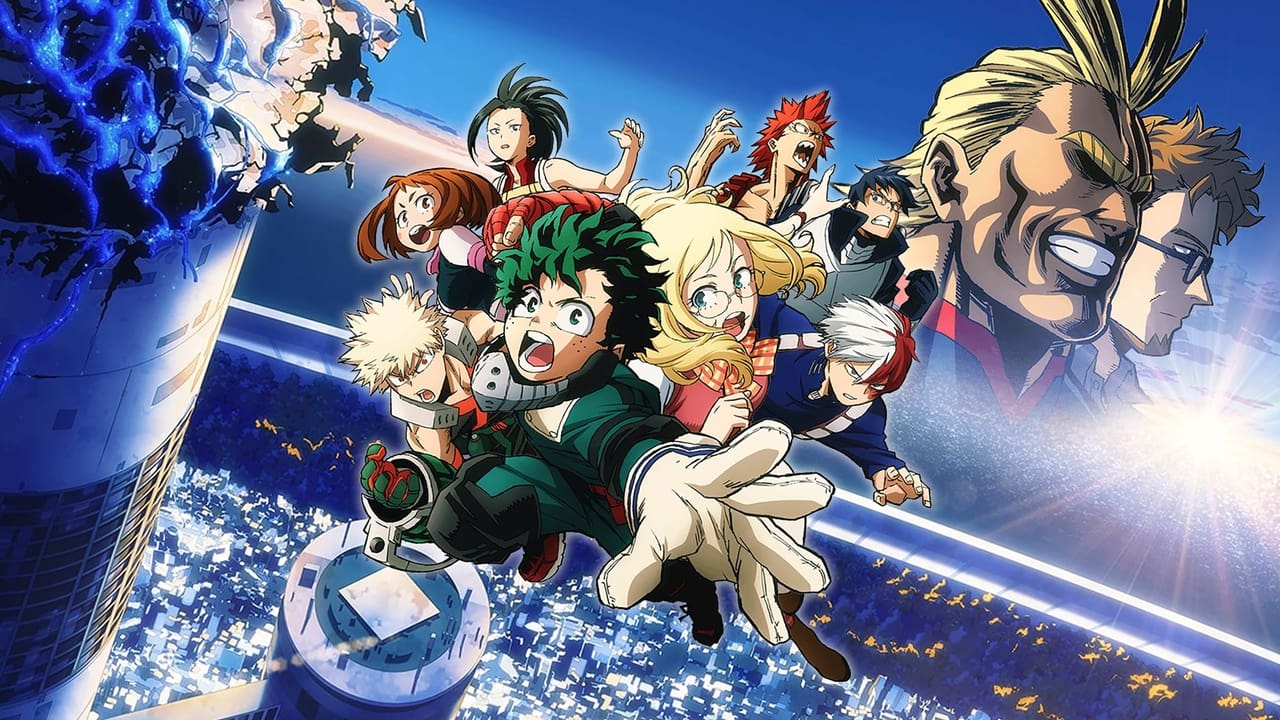
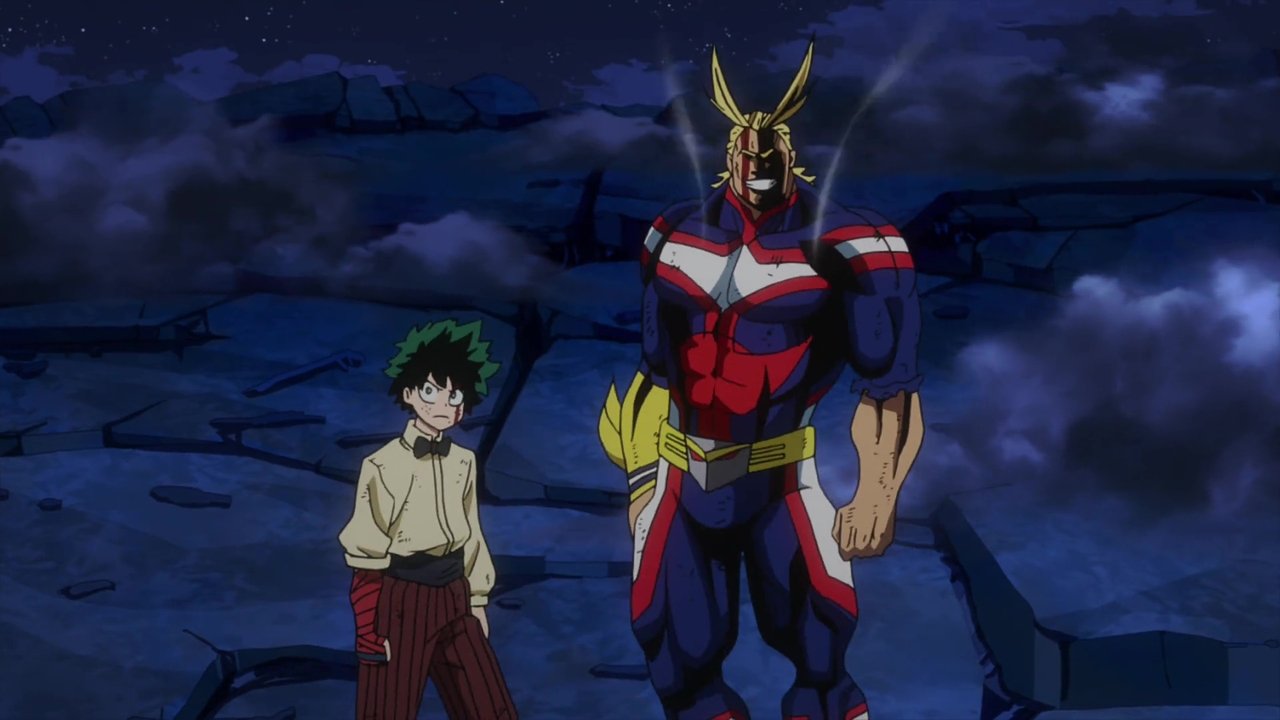
Released in 2018, just as the TV series was cementing itself as a global juggernaut, Two Heroes had a specific task: expand the world of Deku and All Might without breaking the delicate continuity of the manga. It’s a "standalone" story that fits into a brief gap in the timeline, whisking our protagonist, Daiki Yamashita’s Izuku "Deku" Midoriya, and his mentor, Kenta Miyake’s All Might, to I-Island. Imagine a floating, high-tech Silicon Valley where 80% of the world’s superpowers (Quirks) are researched. It’s a techno-utopian playground that looks great in 2D, but it’s really just a vertical maze designed for a high-stakes heist.
The Science of Heroism and the Weight of Tomorrow
While the plot follows the standard "terrorists take over the building" trope (think Die Hard but with more teenage angst), the cerebral core of the film is actually quite poignant. We meet David Shield (Katsuhisa Namase), a scientist and old friend of All Might. David is obsessed with "saving" the Symbol of Peace because he knows All Might’s power is fading. This is where the film gets surprisingly philosophical for a shonen flick. It asks: Is the idea of a hero more important than the man himself?
David’s desperation reflects a very contemporary anxiety about legacy and the fear of a world without a safety net. His daughter, Melissa Shield (Mirai Shida), serves as a brilliant foil to Deku. Like him, she was born "Quirkless." But while Deku was gifted power by a god-tier mentor, Melissa used her intellect to create. It’s refreshing to see a female lead who doesn’t need a superpower to out-think a crisis, and her bond with Deku gives the film a grounded emotional pulse that the chaotic TV show sometimes skips over in favor of training montages.
Studio BONES and the Art of the "Double Smash"
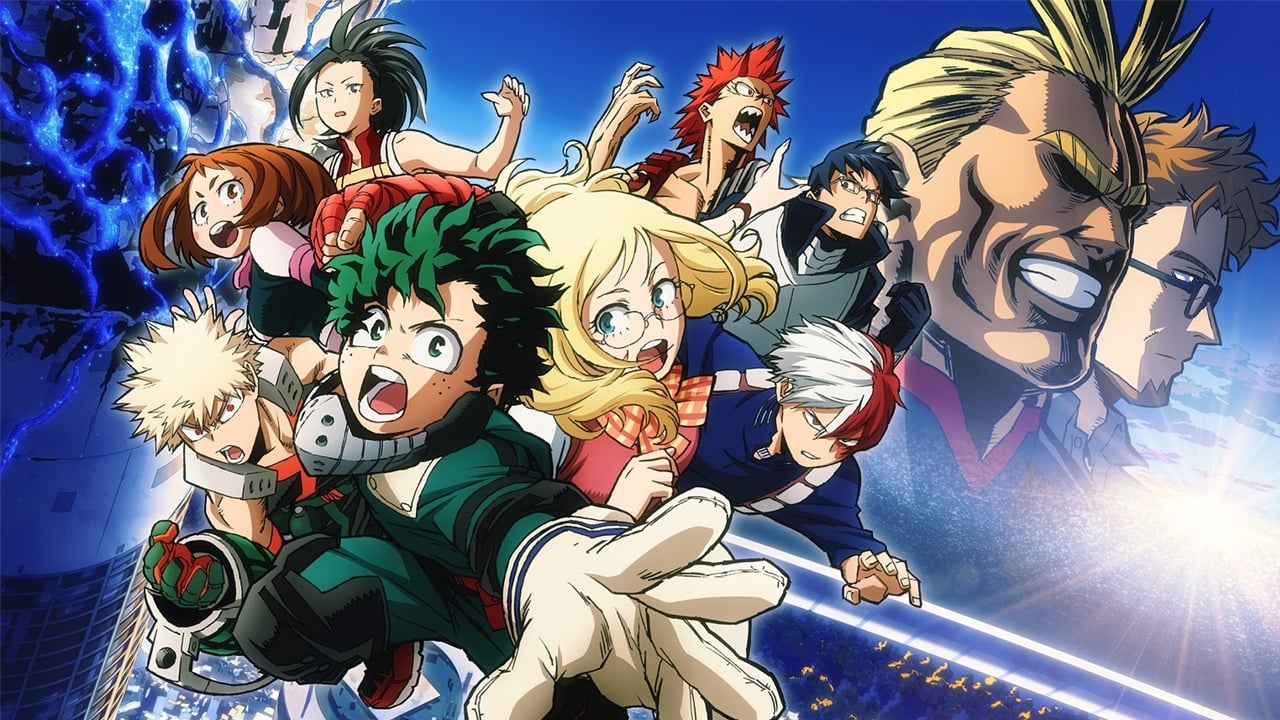
If you’re here for the action, Studio BONES does not miss. Director Kenji Nagasaki understands that in animation, physics are a suggestion, and he uses that to his advantage. The final twenty minutes of this film are some of the most exhilarating sequences produced in the last decade of action cinema. When the villain, Wolfram, starts manipulating metal—looking essentially like a magnetic discard pile from a Magneto fan-fiction workshop—the scale shifts from a hallway brawl to a kaiju-sized spectacle.
The choreography isn't just about punches; it’s about momentum. We see Class 1-A—including fan favorites like the explosive Nobuhiko Okamoto as Bakugo and the bubbly Ayane Sakura as Uraraka—using their powers in tandem to climb a central tower. It’s a vertical gauntlet where every quirk has a utility. But the real "popcorn" moment is the "Double Detroit Smash." Seeing All Might and Deku fight side-by-side, their movements mirrored, is the kind of cinematic payoff that justifies the entire existence of the movie. The score by Yuki Hayashi swells with those heroic horns, and for a few minutes, you forget that this is "just" a spin-off.
A Time Capsule of Peak Heroism
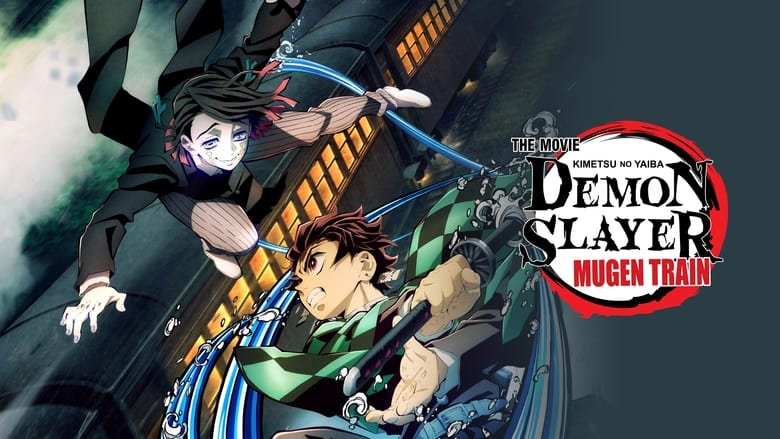
In the years since 2018, the anime movie landscape has shifted. We’ve seen Demon Slayer: Mugen Train shatter box office records by making a movie mandatory viewing for the plot. Two Heroes belongs to the older school of "theatrical filler," but it’s the gold standard of that format. It doesn't ask you to know three seasons of lore to enjoy the ride, though it rewards those who do.
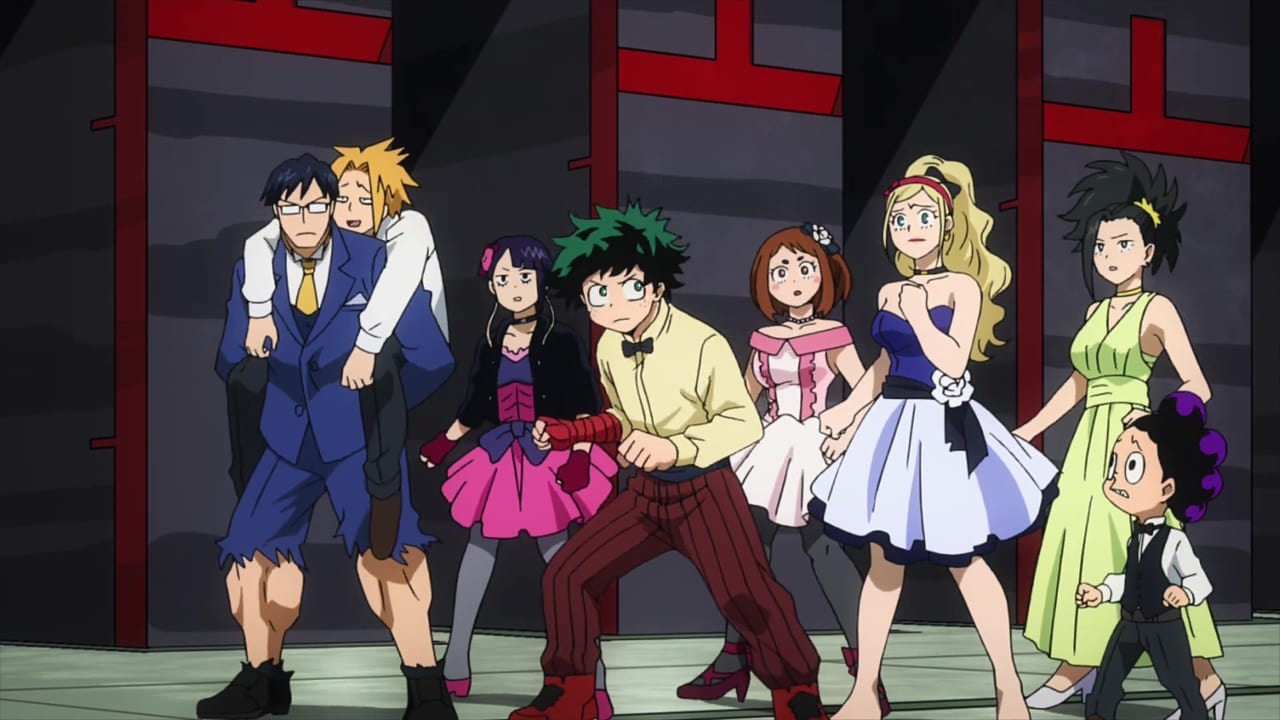
The trivia behind the scenes is equally fascinating; creator Kohei Horikoshi supervised the project closely, ensuring that the backstory of All Might's time in America remained "canon" in spirit. It was a massive gamble that paid off, grossing over $27 million on a relatively modest budget for a feature film, proving that North American audiences were finally ready to treat anime as a theatrical event rather than a niche hobby.
Anime movies usually feel like expensive filler, but this one actually understands the emotional geography of its characters. It captures a specific moment in the franchise’s history—a moment of optimism before the story took a much darker, more "post-apocalyptic" turn in recent years. If you’re looking for a shot of pure, unadulterated heroism that reminds you why we started liking capes in the first place, this is your stop.
My Hero Academia: Two Heroes is a masterclass in how to do a franchise spin-off right. It balances high-concept sci-fi questions about the "source" of power with the kind of kinetic, jaw-dropping animation that demands the biggest screen you can find. It’s not a revolutionary piece of cinema that will change your worldview, but it’s a damn good time that treats its audience—and its heroes—with genuine respect. Even if you aren't a "weeb," the final battle is enough to make you want to punch the air in triumph.

Keep Exploring...
-
My Hero Academia: Heroes Rising
2019
-
The Boy and the Beast
2015
-
The Seven Deadly Sins: Prisoners of the Sky
2018
-
Justice League Dark: Apokolips War
2020
-
Boruto: Naruto the Movie
2015
-
One Piece Film Red
2022
-
Raya and the Last Dragon
2021
-
Wolfwalkers
2020
-
Jujutsu Kaisen 0
2021
-
Suzume
2022
-
Batman vs. Robin
2015
-
Justice League vs. Teen Titans
2016
-
Justice League Dark
2017
-
The Sea Beast
2022
-
Nimona
2023
-
How to Train Your Dragon: Homecoming
2019
-
Miraculous World: New York, United HeroeZ
2020
-
Mortal Kombat Legends: Scorpion's Revenge
2020
-
Miraculous: Ladybug & Cat Noir, The Movie
2023
-
Demon Slayer -Kimetsu no Yaiba- The Movie: Mugen Train
2020