Nothing to Hide
"Your notifications are about to ruin your life."
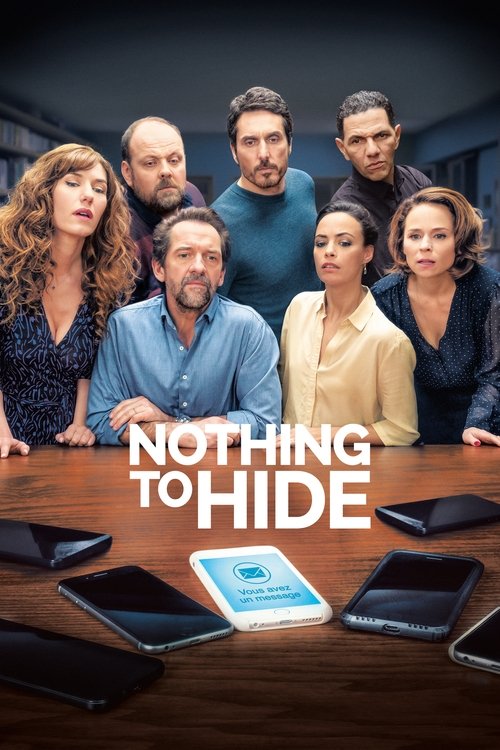
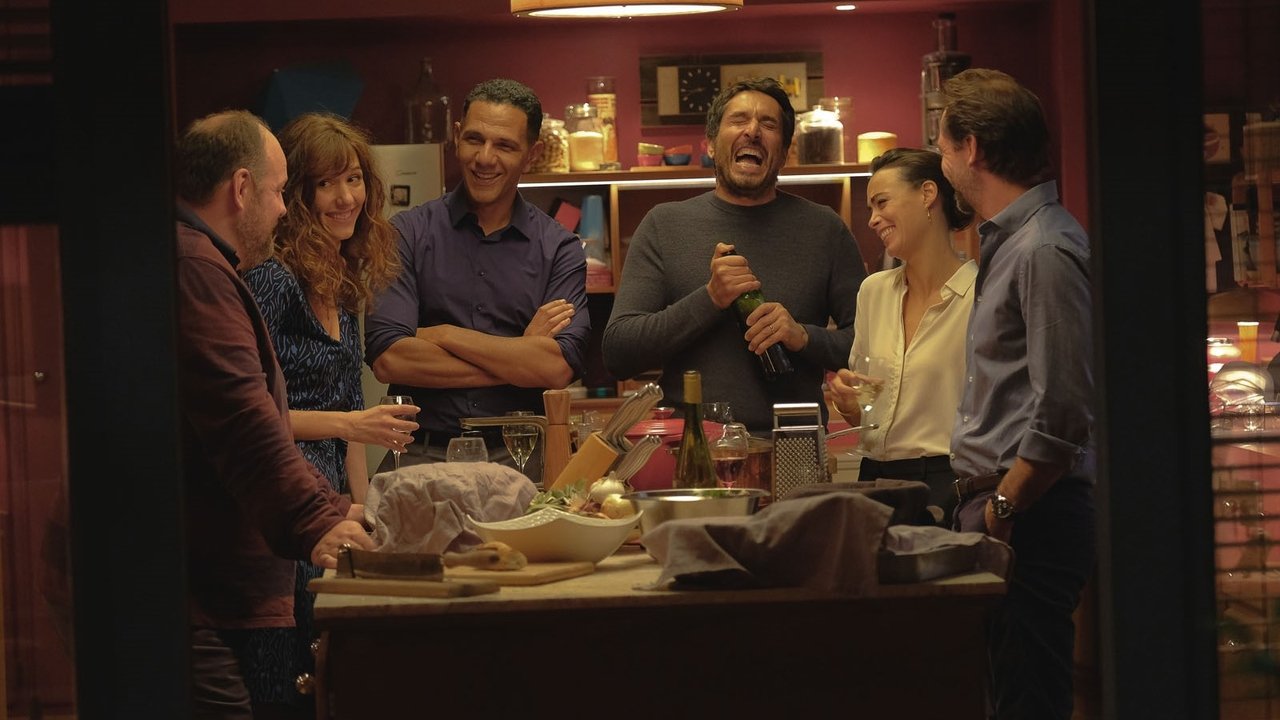
There is a specific, modern brand of anxiety that only occurs when your phone vibrates on a hard wooden table in a room full of people. It’s that split-second "Who is it?" followed by the "Do I want anyone else to see who it is?" Fred Cavayé’s Nothing to Hide (2018)—or Le Jeu in its native French—takes that exact micro-panic and stretches it into a feature-length exercise in communal sweat. It’s a film that fundamentally understands that our smartphones aren’t just tools; they are the digital equivalent of our internal monologues, and letting someone else hear that monologue is the quickest way to end a friendship.
I watched this on a Tuesday night while wearing one mismatched wool sock because my dryer had "eaten" its partner, and honestly, that feeling of being slightly out of sync perfectly matched the mood on screen.
A Digital Russian Roulette
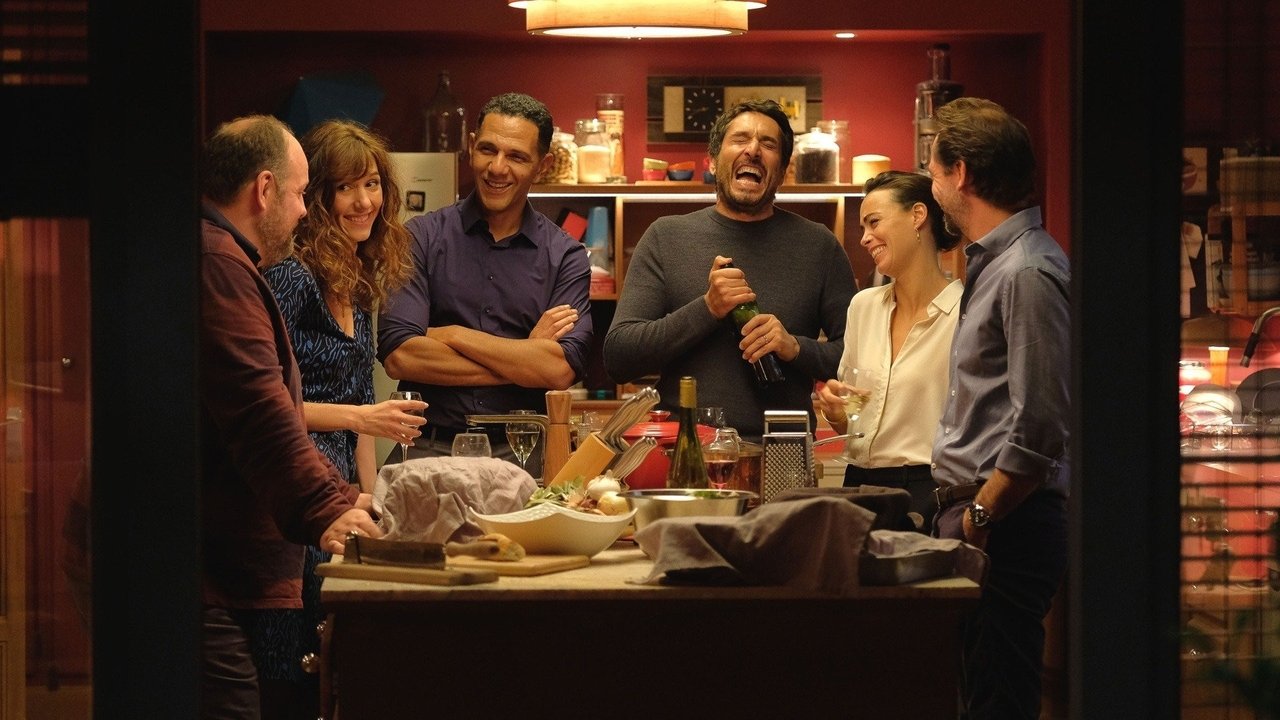
The premise is deceptively simple, the kind of setup that feels like a classic stage play adapted for the screen. A group of old friends—three couples and one perpetual bachelor—gather for a dinner party. To prove they have nothing to hide (spoiler: they have everything to hide), they agree to a game: every text, email, or social media notification received that night must be read aloud, and every call must be taken on speakerphone.
Bérénice Bejo, whom most of us remember from her silent-movie charm in The Artist, plays Marie, a psychologist who is arguably the most "composed" person at the table until the cracks start to show. She and her husband Vincent (Stéphane De Groodt) are the hosts, and their chemistry is that of a couple who have mastered the art of polite, mid-level resentment. As the notifications start rolling in, what begins as playful ribbing quickly devolves into a forensic accounting of their private lives.
What makes this work isn't just the "gotcha" moments—though there are plenty—but the way the script weaponizes the mundane. A notification from a mother-in-law or a "like" on a photo becomes a hand grenade. Cavayé handles the pacing with a rhythmic precision that feels more like his high-octane thrillers (like Point Blank) than a standard comedy. He treats a ringing iPhone with the same tension usually reserved for a ticking bomb.
The Art of the Remake "Copy-Paste"

If the plot sounds familiar, that’s because it is. This is a remake of the 2016 Italian hit Perfetti Sconosciuti (Perfect Strangers). In fact, the script is so efficient that it has been remade in over 20 countries, snagging a Guinness World Record for being the most remade film in cinema history. Remaking the same script 18 times is the ultimate cinematic ‘copy-paste’ flex, yet the French version manages to carve out its own identity through its cast’s specific brand of Gallic cynicism.
Roschdy Zem and Suzanne Clément play Marco and Charlotte, a couple struggling with the weight of domesticity and some very "active" secret social lives. Zem, usually known for his gritty roles, is fantastic here as a man trying to maintain his dignity while his digital secrets are aired like dirty laundry. Then there’s Vincent Elbaz as Thomas and Doria Tillier as Léa, the "honeymoon phase" couple who learn the hard way that knowing everything about your partner is a terrible idea.
The standout, however, might be the bachelor of the group, Ben, played by Grégory Gadebois (who replaces the cast list's mention of Marco's husband role with a much more nuanced "secretive" energy). His arc provides the film’s emotional backbone, shifting the tone from "look at these cheating spouses" to a much more poignant critique of how we judge our friends.
Why This Matters in the Streaming Era
Released at a time when Netflix was becoming the global fireplace we all gather around, Nothing to Hide feels like it was engineered for the "watch-at-home" experience. There’s a delicious irony in watching characters get destroyed by their screens while you’re likely watching them on a screen of your own. It taps into the 2010s-era realization that our privacy is a flimsy construct.
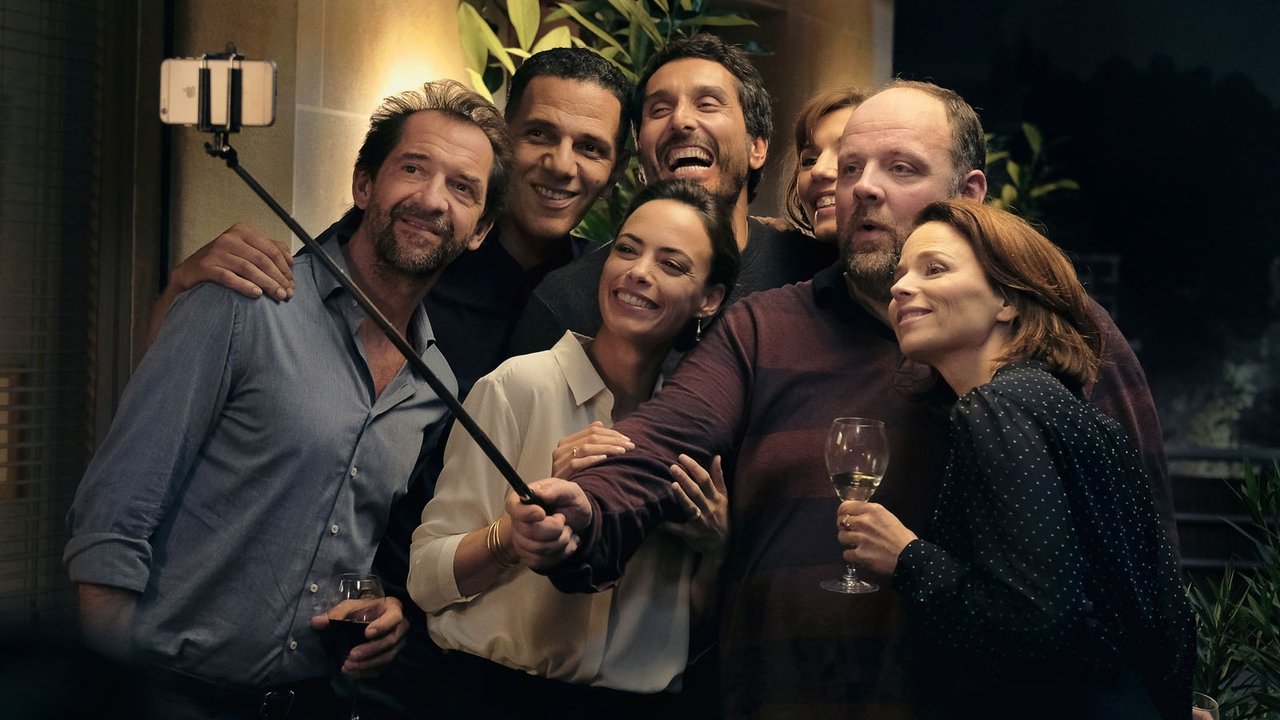
Turns out, Fred Cavayé didn't just want a funny dinner movie; he wanted to highlight the performance of modern life. The cinematography by Denis Rouden keeps things from feeling claustrophobic by focusing on the characters’ expressive faces—the way a jaw tightens or an eye wanders when a phone dings. It’s a film about the "Digital Double Life," and it’s essentially a horror movie for anyone who has ever sent a risky text.
One bit of trivia that I find fascinating: because the film relies so heavily on the timing of notifications, the actors often had to react to real cues. Cavayé supposedly kept the set relatively tight, ensuring the ensemble felt like they were actually trapped in that apartment. The lunar eclipse happening in the background of the plot adds a nice, almost supernatural touch—as if the universe itself is conspiring to pull the masks off these people.
Nothing to Hide is a sharp, often uncomfortable, but deeply entertaining look at the secrets we carry in our pockets. It’s not necessarily reinventing the wheel—especially if you’ve seen any of the other twenty versions—but the French cast brings a level of sophisticated wit and genuine heartbreak that makes this specific iteration stand out. It’s a reminder that while we all like to think we’re the heroes of our own stories, we’re all just one "wrong" WhatsApp message away from being the villain of the dinner party.
The ending might be a bit of a "love it or hate it" Rorschach test, but the journey there is a masterclass in tension-building. Watch it with friends if you’re brave, or watch it alone if you want to keep your secrets safe. Just make sure your phone is on silent.
Keep Exploring...
-
Anomalisa
2015
-
Dope
2015
-

The Dressmaker
2015
-
Battle of the Sexes
2017
-

Le Brio
2017
-

The Man Who Invented Christmas
2017
-

Welcome to Marwen
2018
-

The Peanut Butter Falcon
2019
-
Riders of Justice
2020
-

The Worst Person in the World
2021
-

Dog
2022
-

Beautiful Disaster
2023
-

Justice League vs. Teen Titans
2016
-

Like Crazy
2016
-

I Don't Feel at Home in This World Anymore
2017
-
Unicorn Store
2017
-
Can You Ever Forgive Me?
2018
-

Sink or Swim
2018
-
Dolemite Is My Name
2019
-
La Belle Époque
2019