On My Skin
"Justice is a ghost in the hallway."
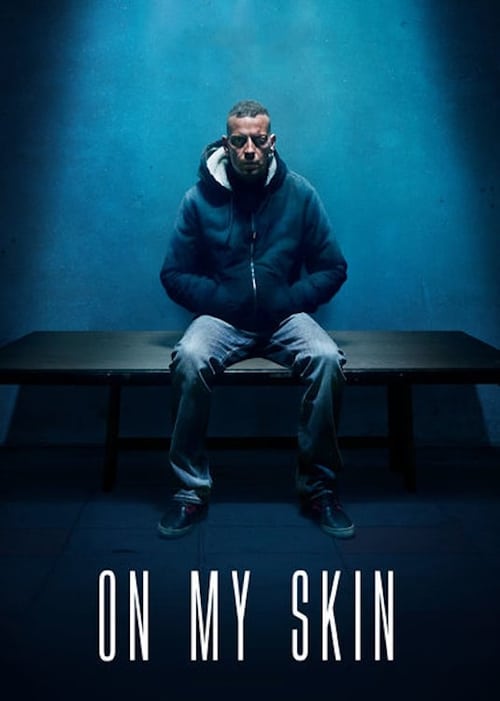
The first thing I noticed about Alessandro Borghi in On My Skin (Sulla mia pelle) wasn't his face, but his spine. It protrudes through his skin like a row of jagged stones, a haunting architectural map of a body that is systematically being dismantled. I watched this film on a Tuesday night while my radiator was making this rhythmic, metallic clanking sound—usually, it drives me crazy, but here, it felt like the cold, percussive ticking of a clock in a Roman precinct. It fit the mood perfectly, which is to say, it felt like being trapped in a room where the air is slowly being replaced by lead.
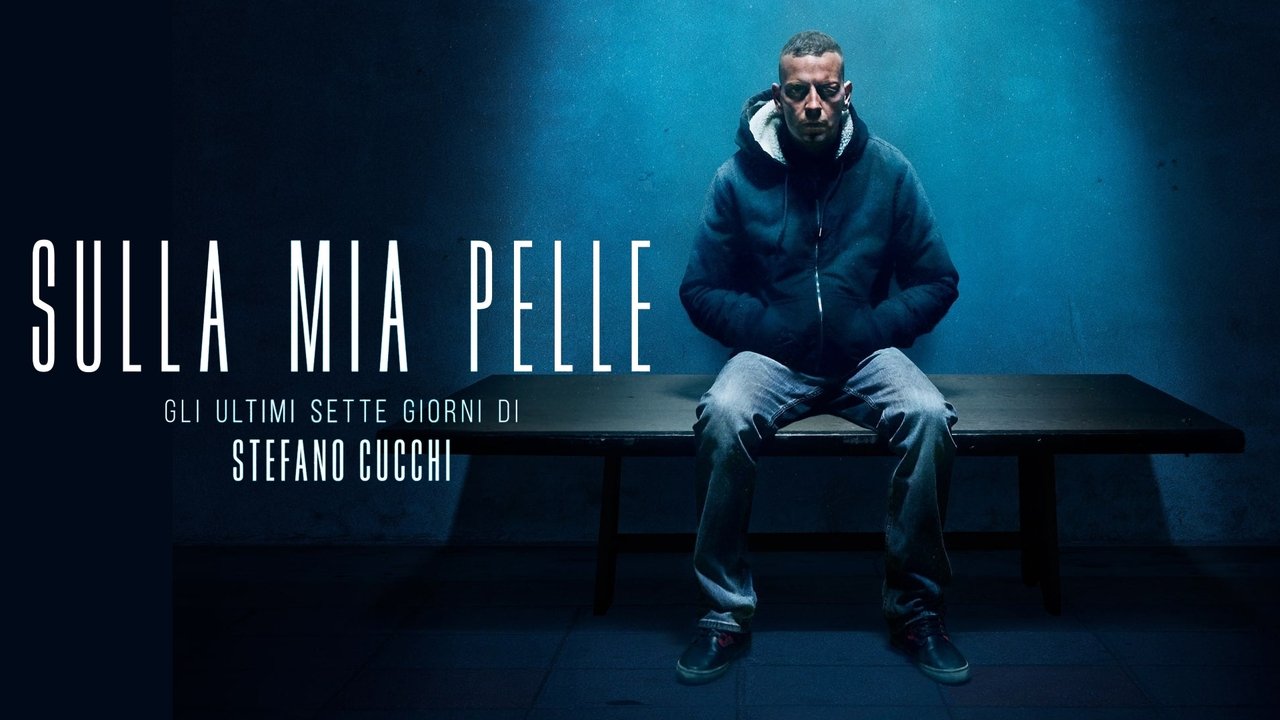
Released in 2018, On My Skin represents a pivotal moment in the contemporary streaming era. While it had a limited theatrical run in Italy, its global life was birthed by Netflix. This is where the "streaming impact" moves beyond just convenience; it becomes a tool for social reckoning. By bypassing the traditional gatekeepers of international distribution, this film forced a global audience to look at a case that the Italian state had, for years, tried to sweep under a very thick rug. It’s a drama that doesn't just ask for your empathy; it demands your witness.
The Bureaucracy of Bruises
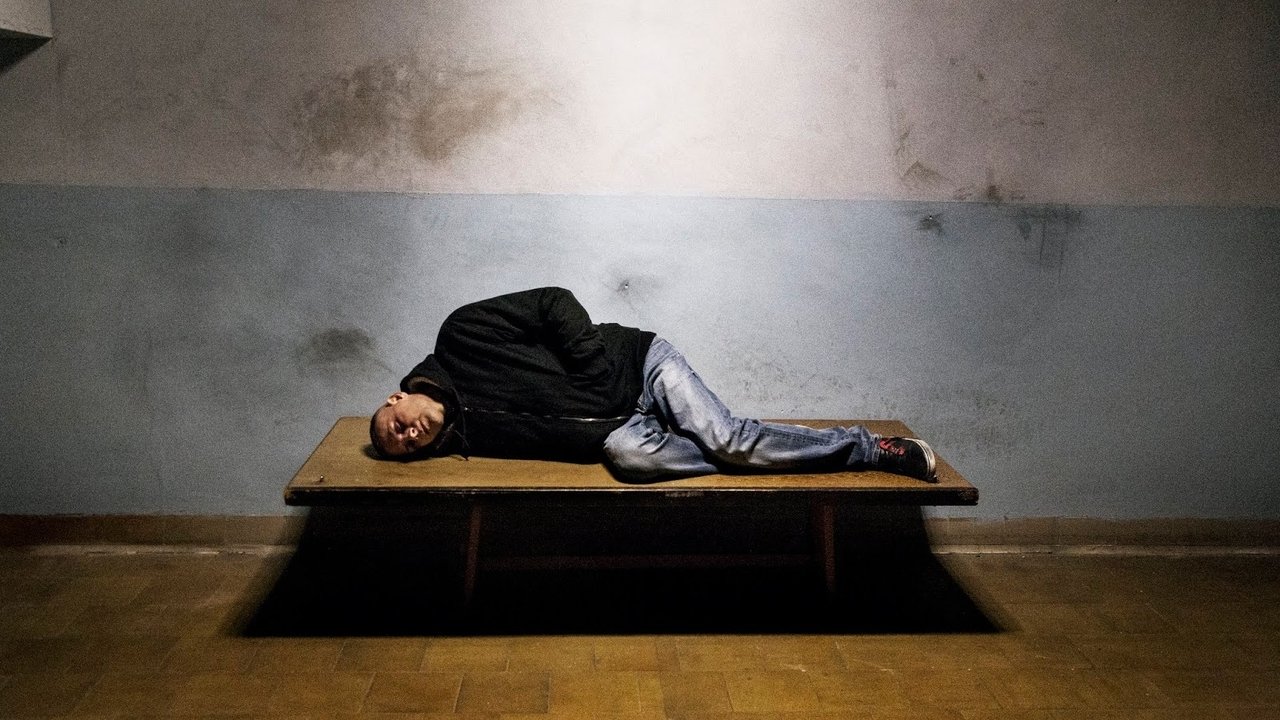
The film follows the final seven days of Stefano Cucchi, a young man arrested for a minor drug offense who died in custody a week later, covered in unexplained bruises and weighing barely 80 pounds. What makes Alessio Cremonini’s direction so quietly radical is his refusal to show the actual act of violence. We never see the beating. Instead, we see the aftermath. We see the way Stefano moves—stiff, guarded, his breath hitching with every minor adjustment.
By focusing on the physical decay rather than the sensationalist "action," the film pivots into a much deeper philosophical territory. It becomes a study of the banality of indifference. Alessandro Borghi (who many might know as the charismatic Aureliano from Suburra) delivers a performance so transformative it borders on the molecular. He lost 18 kilograms (about 40 pounds) for the role, but the weight loss is the least interesting thing about it. It’s his voice—a raspy, fading whisper—and his eyes, which oscillate between a flickering hope and a hollowed-out realization that the "system" isn't coming to save him. The true horror here isn't a monster in the dark; it’s a tired clerk behind a desk who decides not to ask questions.
The Weight of Silence

The supporting cast provides the emotional tether that keeps the film from floating away into pure nihilism. Jasmine Trinca, playing Stefano’s sister Ilaria, and Max Tortora as his father, Giovanni, represent the agonizing experience of a family caught in a Kafkaesque nightmare. They are right there—sometimes just a few feet away through a prison glass or a hospital door—but they are kept at bay by a wall of paperwork and "procedure."
Jasmine Trinca is particularly phenomenal. She captures that specific, exhausted brand of determination that eventually led the real-life Ilaria Cucchi to take on the entire Italian carabinieri. The chemistry between the family members feels lived-in and messy. When Max Tortora looks at his son through a court cage, he isn't just looking at a criminal or a victim; he’s looking at his little boy, and the cognitive dissonance is heartbreaking.
The cinematography by Matteo Cocco leans into the clinical. The halls of the prisons and hospitals are bathed in an oppressive, sickly fluorescent glow. It makes the world feel sterile, yet dirty. There is no warmth here. Even the score by Mokadelic (who also did the music for the Gomorrah series) is sparse, using dissonant drones that hum like a headache you can't shake. It reinforces the film's central philosophical question: In a world built on rules and structures, how does a human being simply disappear in plain sight?
Stuff You Didn't Notice
If you look closely at the casting, you'll see a commitment to authenticity that is rare even in high-stakes dramas. The filmmakers worked closely with the Cucchi family, ensuring that the dialogue in the courtroom and hospital scenes was pulled almost verbatim from legal records.
The Transformation: Alessandro Borghi actually stopped eating during much of the shoot to maintain the lethargy and "hollow" look of a body in shut-down mode. The Political Ripple: When the film premiered at the Venice Film Festival, it received a seven-minute standing ovation, but more importantly, it reignited the legal case. In 2019, a year after the film's release, two carabinieri were finally sentenced to 12 years in prison for involuntary manslaughter—a result the family had fought a decade to achieve. * The Director’s Restraint: Alessio Cremonini and co-writer Lisa Nur Sultan purposefully stripped away any "movie-fied" moments. There are no soaring speeches or dramatic music cues when someone realizes the truth. It stays small, which is why it feels so massive.
This isn't a "fun" watch, but it is an essential one. On My Skin is a masterclass in how contemporary cinema can function as a living document of justice. It avoids the traps of being a "misery porn" biopic by focusing on the dignity Stefano tries to maintain, even as his body fails him. It leaves you with a lingering, uncomfortable question about our own role in the systems we inhabit. By the time the credits roll, you don't feel like you’ve just watched a movie; you feel like you’ve been asked to carry a part of Stefano's story with you. It’s a heavy burden, but as Ilaria Cucchi proved, it’s one worth carrying.
Keep Exploring...
-
Italian Race
2016
-
The First King
2019
-
The Hand of God
2021
-

A Man Called Ove
2015
-

Bāhubali: The Beginning
2015
-
The Boy and the Beast
2015
-

A Street Cat Named Bob
2016
-
I, Daniel Blake
2016
-
A Taxi Driver
2017
-
BPM (Beats per Minute)
2017
-
God's Own Country
2017
-

I Want to Eat Your Pancreas
2018
-
The Boy Who Harnessed the Wind
2019
-
The Specials
2019
-

A Whisker Away
2020
-

Clouds
2020
-
If Anything Happens I Love You
2020
-

The Banker
2020
-

Evangelion: 3.0+1.0 Thrice Upon a Time
2021
-
Palmer
2021