Pacific Rim: Uprising
"New generation. Same sized monsters. Less gravity."

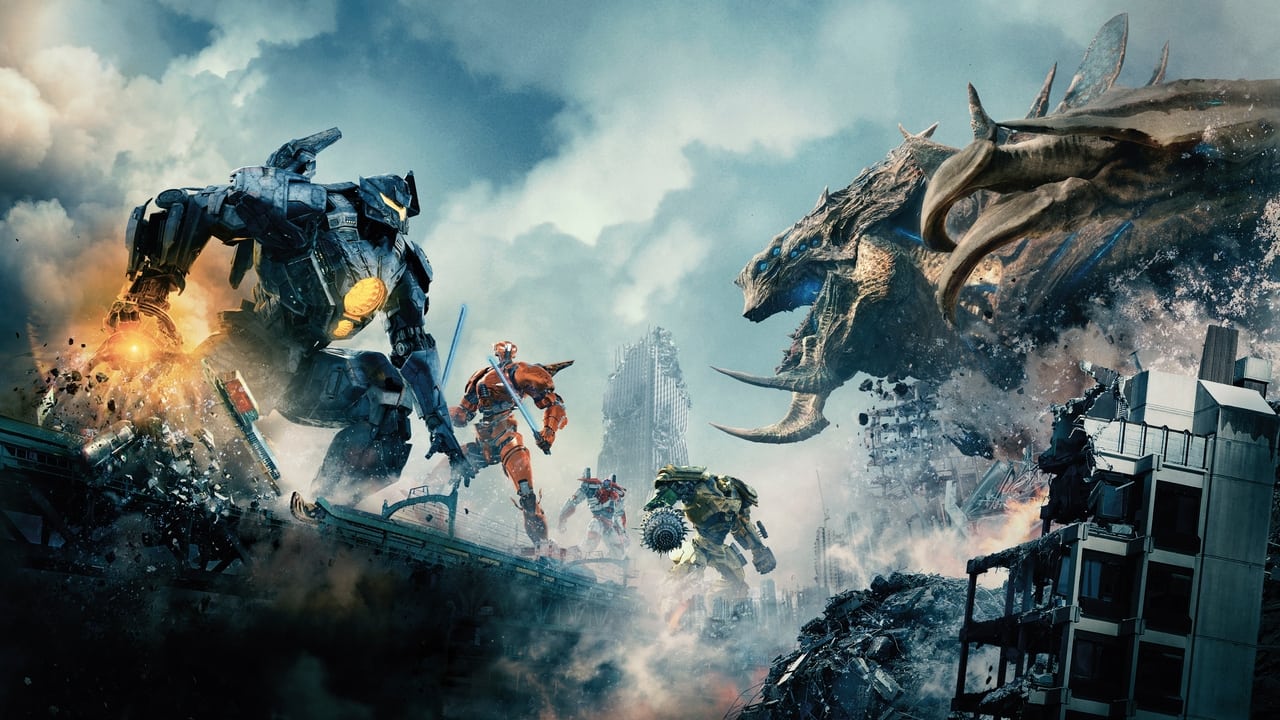
If the first Pacific Rim was a heavy-metal opera directed by a man who treats monsters like gods, its sequel, Pacific Rim: Uprising, is a neon-soaked Saturday morning cartoon with a nine-figure budget. When Guillermo del Toro stepped away to go win Oscars for fish-romance in The Shape of Water, the keys to the Conn-pod were handed to Steven S. DeKnight. The result is a film that trades the original’s clanking, rain-drenched "weight" for a high-speed, sunlit aesthetic that feels more Power Rangers than Lovecraft. I watched this while recovering from a mild case of food poisoning, and honestly, the bright colors and screaming metal were the only things keeping me conscious between bouts of ginger ale.
The Pentecost Legacy and the Boyega Charm
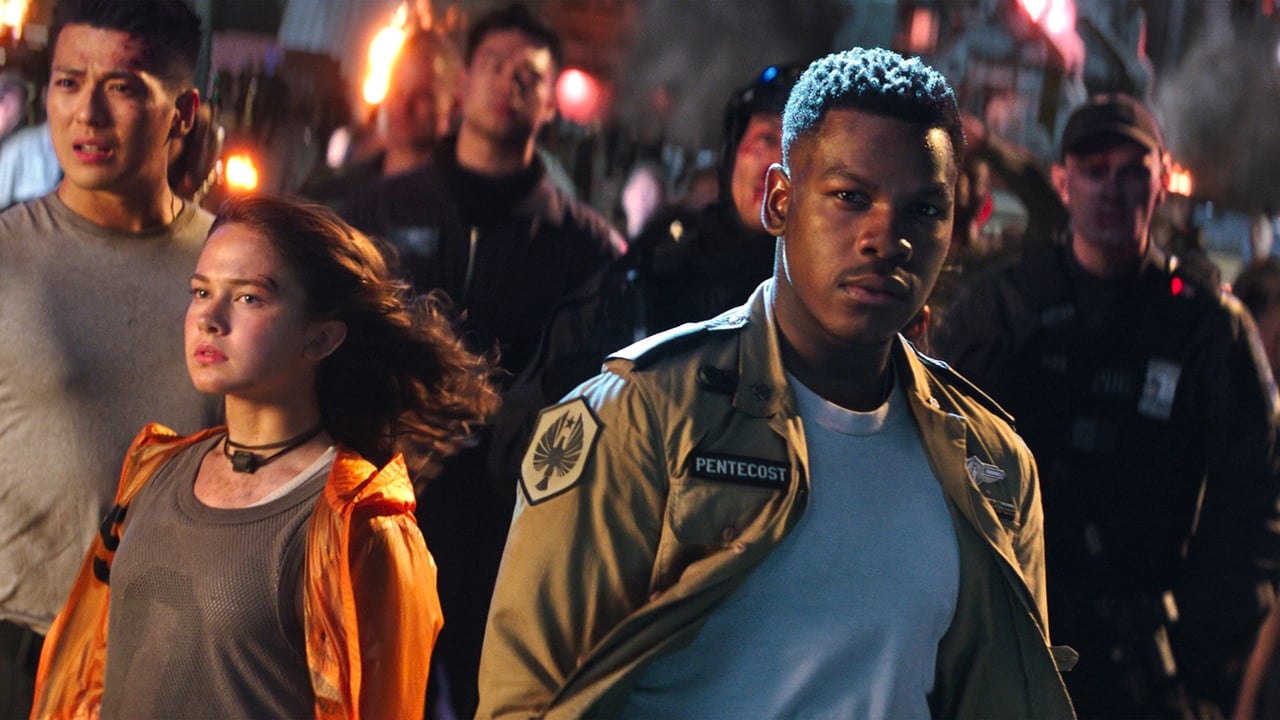
The greatest asset this sequel has—and it’s a big one—is John Boyega. Playing Jake Pentecost, the disillusioned son of Idris Elba’s legendary Stacker Pentecost, Boyega injects a rogueish, "Han Solo-lite" energy that the first film’s stoic lead arguably lacked. He’s not a hero when we find him; he’s a scavenger stealing Jaeger parts to trade for high-end digital snacks. Seeing him pair up with Cailee Spaeny, who plays the resourceful orphan Amara Namani, gives the film a scrappy, youthful heart.
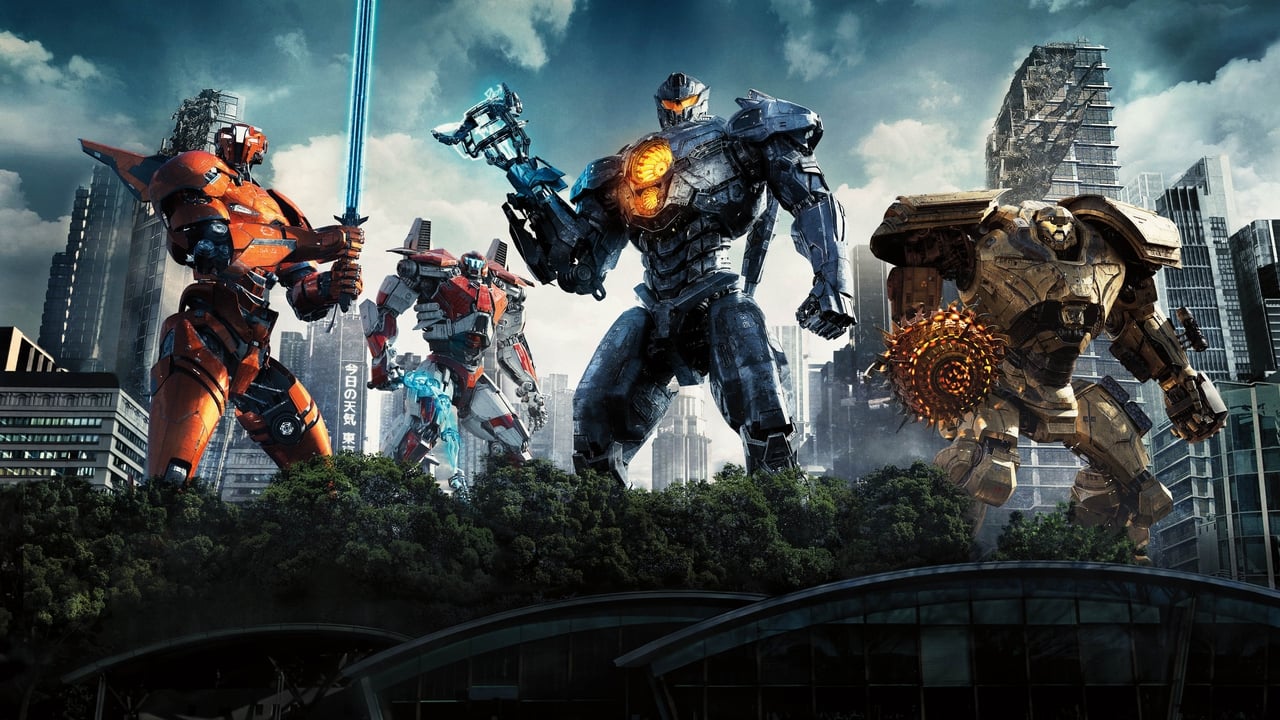
Cailee Spaeny is a revelation here, long before she was winning accolades in Civil War or Priscilla. Her DIY Jaeger, "Scrapper," which can roll into a ball like a sentient trash can, is a highlight of the film’s mechanical design. The chemistry between the veteran pilots and the "cadets" is predictable, but Boyega carries the load with such effortless charisma that you almost forgive the script for being written in Crayon. Beside him, Scott Eastwood plays Nate Lambert, a character whose primary personality trait is "having a jawline." Seriously, Scott Eastwood has the screen presence of a very handsome piece of driftwood, which only makes Boyega’s spark shine brighter.
Gravity is Merely a Suggestion
The most contentious shift in Uprising is the action choreography. In the 2013 original, when a Jaeger punched a Kaiju, you felt it in your marrow. The robots moved with the agonizing slowness of massive hydraulic machinery. In Uprising, the Jaegers move like ninjas. They flip, they spin, they sprint through Tokyo with a nimbleness that defies every law of physics Guillermo del Toro tried to establish.
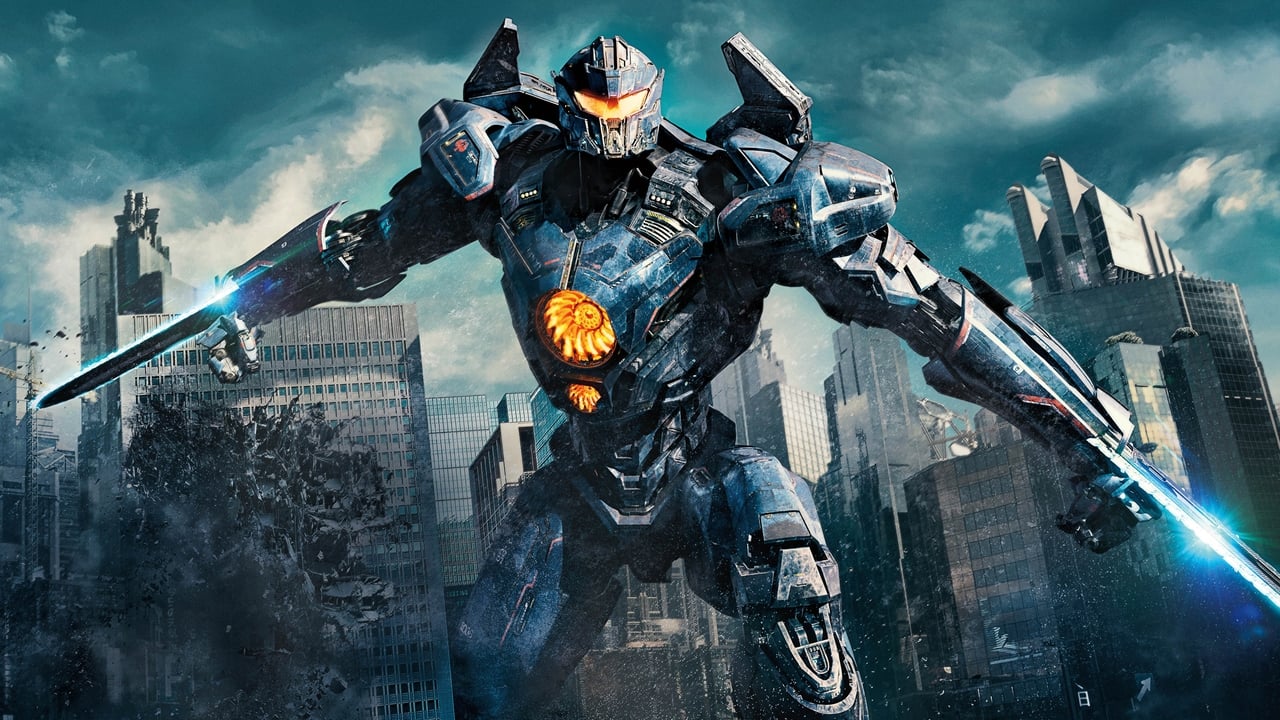
While some fans hated this "weightlessness," I found the Jaeger-on-Jaeger violence—specifically the duel between Gipsy Avenger and the rogue Obsidian Fury—to be exceptionally clean. The cinematography by Dan Mindel (who also shot J.J. Abrams’ Star Trek and Star Wars films) swaps the murky darkness for crisp, daytime clarity. You can actually see every gear turning, which is a blessing in an era where most blockbusters hide their CGI in a blender of shadows and rain. The final battle involving the "Mega-Kaiju" is pure spectacle, even if it lacks the stakes of the first film’s Breach-closing climax.
The Franchise Machine and Cultural Context
Released in 2018, Uprising arrived at the height of the "Cinematic Universe" craze. Legendary Pictures was clearly angling for a "Monsterverse" crossover (Gozilla vs. Kong vs. Jaegers?), and you can feel the studio's fingerprints on the pacing. It’s leaner, faster, and much more focused on the Chinese box office—evident in the heavy presence of Jing Tian as the corporate ice queen Liwen Shao.
The film also doubles down on the weirdness of its predecessors by bringing back the "Science Twins." Burn Gorman (Dr. Gottlieb) and Charlie Day (Dr. Geiszler) are as frantic as ever, but the plot takes a wild, almost campy turn with Charlie Day’s character that I genuinely didn’t see coming. It’s the kind of big, swing-for-the-fences narrative choice that cult classics are made of. Apparently, del Toro’s original treatment for the sequel was even weirder, involving the "precursors" in a much more direct way, but DeKnight settles for a more streamlined "alien invasion 2.0" vibe.
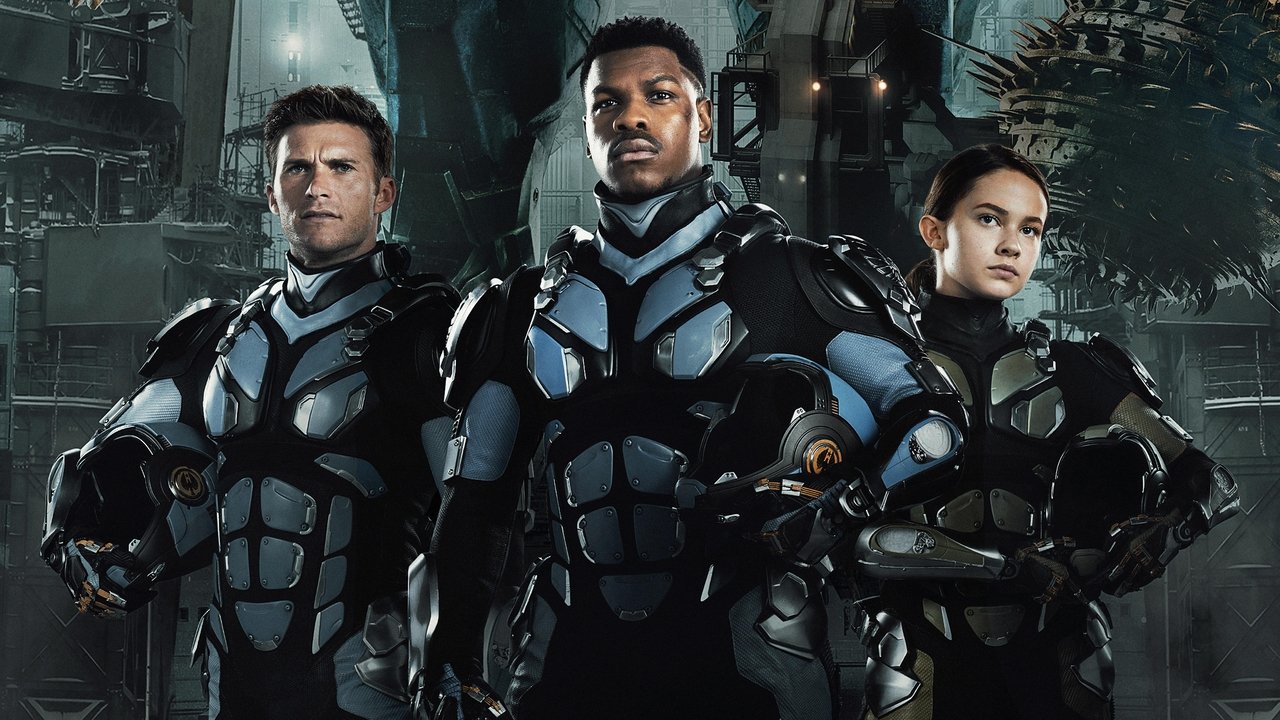
For those who track the tech, the production utilized massive LED screens for the cockpit scenes, a precursor to the "Volume" technology now used in The Mandalorian. It gives the actors something real to react to, and you can see it in Rinko Kikuchi’s eyes when she reprises her role as Mako Mori. Her role is tragically small here—a point of major contention for the fandom—but she still grounds the film in the legacy of the original.
Ultimately, Pacific Rim: Uprising is the "pop" to the original's "heavy metal." It lacks the soul and the tactile grime that made the first film a masterpiece of the genre, but it functions perfectly as a high-octane distraction. It’s a movie designed for the biggest screen possible, a bucket of buttery popcorn, and a willingness to stop asking questions about how a 2,000-ton robot can do a backflip. It’s not the sequel we deserved, but as a standalone piece of giant-robot-mayhem, it’s a loud, colorful, and occasionally inspired ride that proves John Boyega can sell just about anything.
Keep Exploring...
-
Pacific Rim
2013
-
The Great Wall
2016
-
X-Men: Apocalypse
2016
-
Morbius
2022
-
Pixels
2015
-
Terminator Genisys
2015
-
The Last Witch Hunter
2015
-
Teenage Mutant Ninja Turtles: Out of the Shadows
2016
-

The Legend of Tarzan
2016
-
Warcraft
2016
-

Justice League
2017
-
Power Rangers
2017
-
The Dark Tower
2017
-
Transformers: The Last Knight
2017
-
Solo: A Star Wars Story
2018
-
Tomb Raider
2018
-

Dark Phoenix
2019
-
Gemini Man
2019
-
Hellboy
2019
-
Men in Black: International
2019