Ready Player One
"High scores, higher stakes, and zero lag."
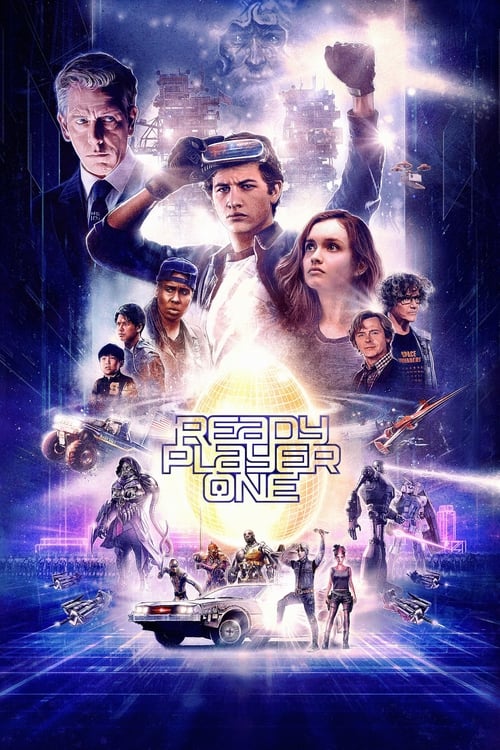
I distinctly remember sitting in the theater back in 2018, clutching a lukewarm cherry Icee, and wondering if Steven Spielberg—the man who practically patented the 1980s—actually knew what a "noob" was. There is something inherently surreal about a septuagenarian filmmaker trying to capture the frantic, neon-soaked energy of a Twitch stream. Yet, Ready Player One isn’t the "how do you do, fellow kids" disaster it could have been. Instead, it’s a high-octane collision between the director who invented the modern blockbuster and a digital future that feels increasingly like our present.
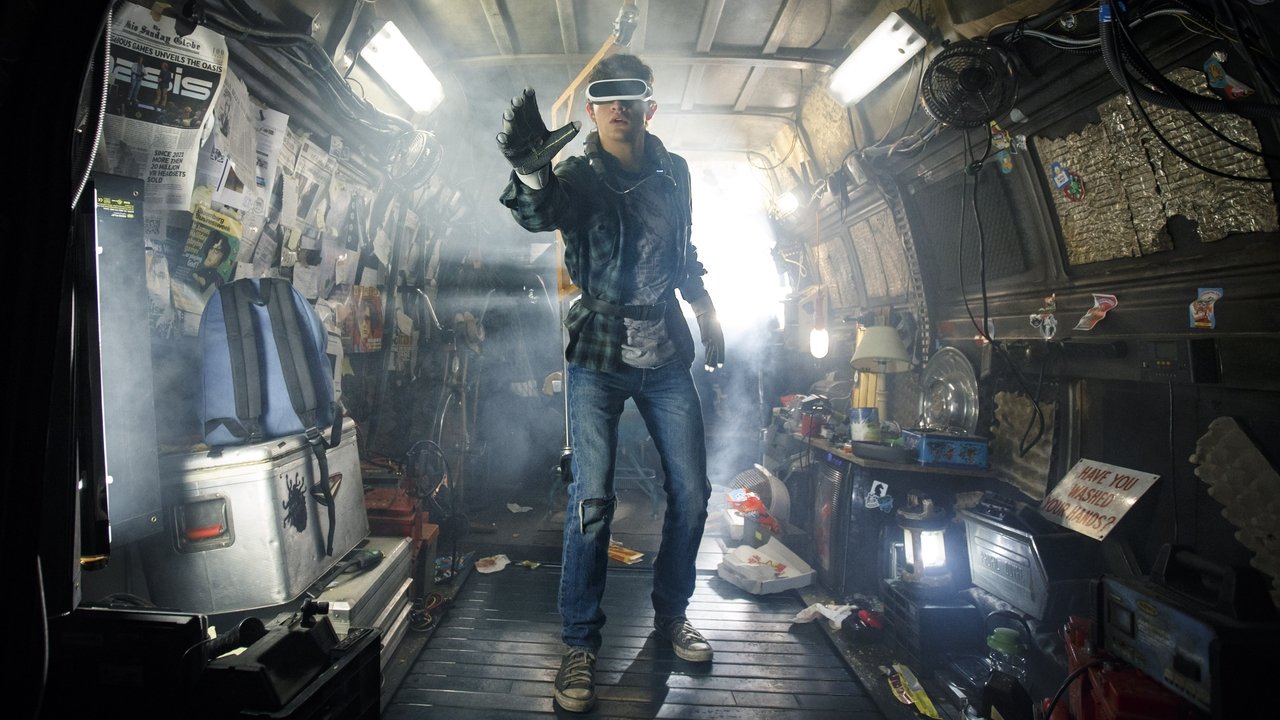
During the frantic race sequence through a shifting New York City, I was so distracted trying to spot the Batmobile that I accidentally dumped half a box of Raisinets into my hoodie pocket, and honestly, that sticky, cluttered mess is a pretty good metaphor for the movie itself. It’s dense, sugary, and slightly chaotic, but you can’t help but enjoy the flavor.
The Master of the Digital Sandbox
What makes Ready Player One stand out in an era of franchise saturation is the sheer technical wizardry on display. In 2018, we were already deep into "CGI fatigue," with many Marvel entries feeling like they were filmed in a beige parking lot. Spielberg, ever the craftsman, treats the virtual world of the OASIS with the same spatial logic he applied to the boulder run in Raiders of the Lost Ark.
The action choreography here is legendary. Take that opening race: most directors would have turned it into a blurry mess of pixels. Spielberg and cinematographer Janusz Kamiński (who has been Spielberg's visual backbone since Schindler’s List) keep the "camera" moving with a purpose. When the T-Rex and King Kong show up to wreck the track, you actually understand the geography of the carnage. It’s a masterclass in visual clarity within chaos. This wasn't just a movie; it was a $175 million flex of technical muscle. Interestingly, Spielberg was actually finishing the post-production on The Post while simultaneously directing this. Imagine jumping from 1970s newspaper rooms to a virtual world where a giant iron giant fights Mechagodzilla. The man has range.
Licensing as a High-Stakes Sport
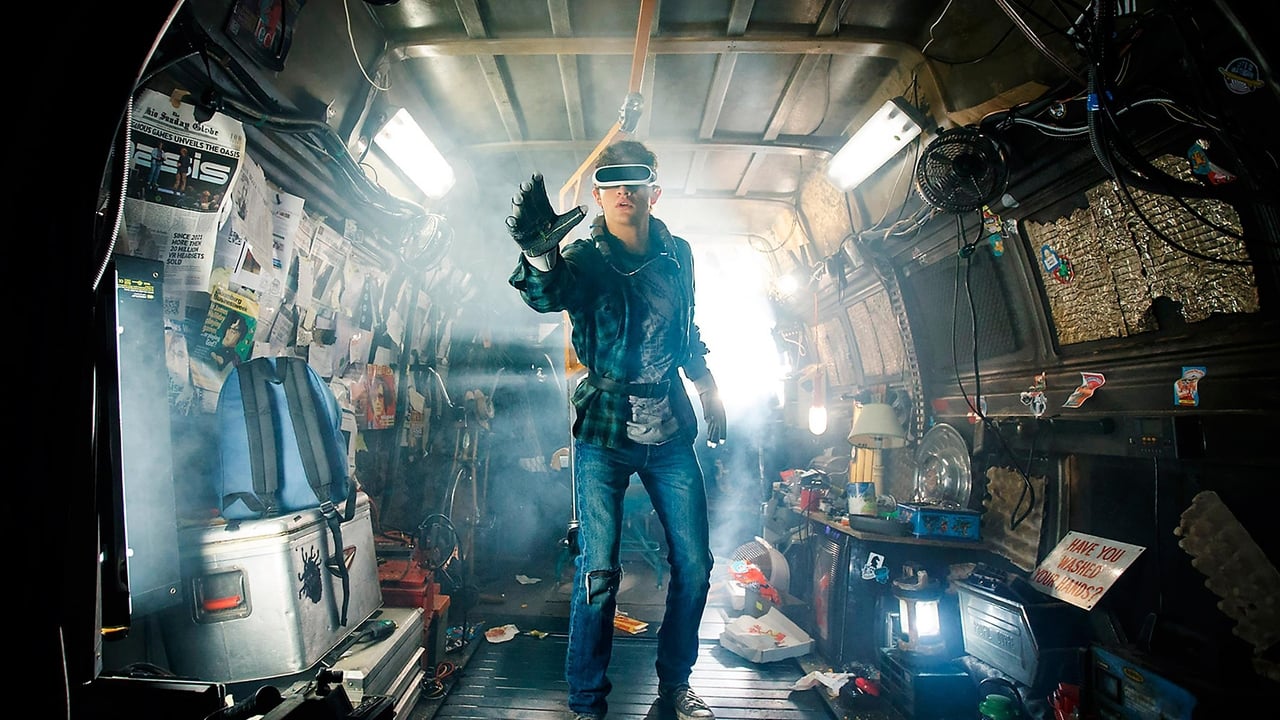
The sheer scale of the production is staggering when you consider the legal nightmare it must have been. This film is essentially a $175 million game of "I Know What That Is!" and the licensing department deserves an Oscar just for the paperwork. Getting the rights to The Iron Giant, Back to the Future, Akira, and Street Fighter characters for a single film is a feat of diplomacy usually reserved for UN summits.
The budget reflects this massive ambition, but the box office return of over $600 million proved that the "everything-at-once" approach worked. However, there’s a contemporary cynicism to it, too. In an era where IP is the only currency Hollywood values, Ready Player One is the ultimate manifestation of that trend. It’s a movie made of other movies. Yet, when the film dives into a meticulous recreation of Stanley Kubrick’s The Shining, it transcends mere "fan service." It becomes a conversation between filmmakers. It’s eerie, funny, and technically perfect, reminding us that while anyone can buy a license, only a few can make it feel like art.
The Human Element in a Pixelated World
While the OASIS is the star, the "real world" of 2045 Columbus, Ohio, provides the necessary grit. Tye Sheridan (of X-Men: Apocalypse fame) plays Wade Watts with a relatable, wide-eyed sincerity. He’s the avatar for every kid who ever felt more at home in a Discord server than a classroom. His chemistry with Olivia Cooke (Samantha/Art3mis) keeps the stakes from feeling too ethereal. Olivia Cooke is particularly great here, bringing a revolutionary fire to a role that could have easily been a generic "gamer girl" trope.

On the villainous side, Ben Mendelsohn as Sorrento is a stroke of genius. He’s not a world-ending god; Ben Mendelsohn is basically playing a corporate PowerPoint presentation come to life. He represents the monetization of our digital joy, the guy who wants to see how many "ad-saturated pixels" he can cram into a user's vision before they have a seizure. It feels incredibly relevant today as we watch real-world tech moguls try to colonize the "Metaverse" with subscription models and data mining.
Ultimately, Ready Player One is a spectacular paradox. It’s a film that warns us against spending our entire lives in a simulation, directed by a man who has spent fifty years building simulations for us. It’s a dizzying, joyful, and occasionally exhausting ride that proves Spielberg hasn't lost his touch for the "big" moment. Even if the ending leans a bit too hard into "go outside and play" sentimentality, the journey there is a high-score achievement in pure entertainment. If you’re looking for a film that defines the late-2010s obsession with nostalgia and digital escapism, this is the final boss.
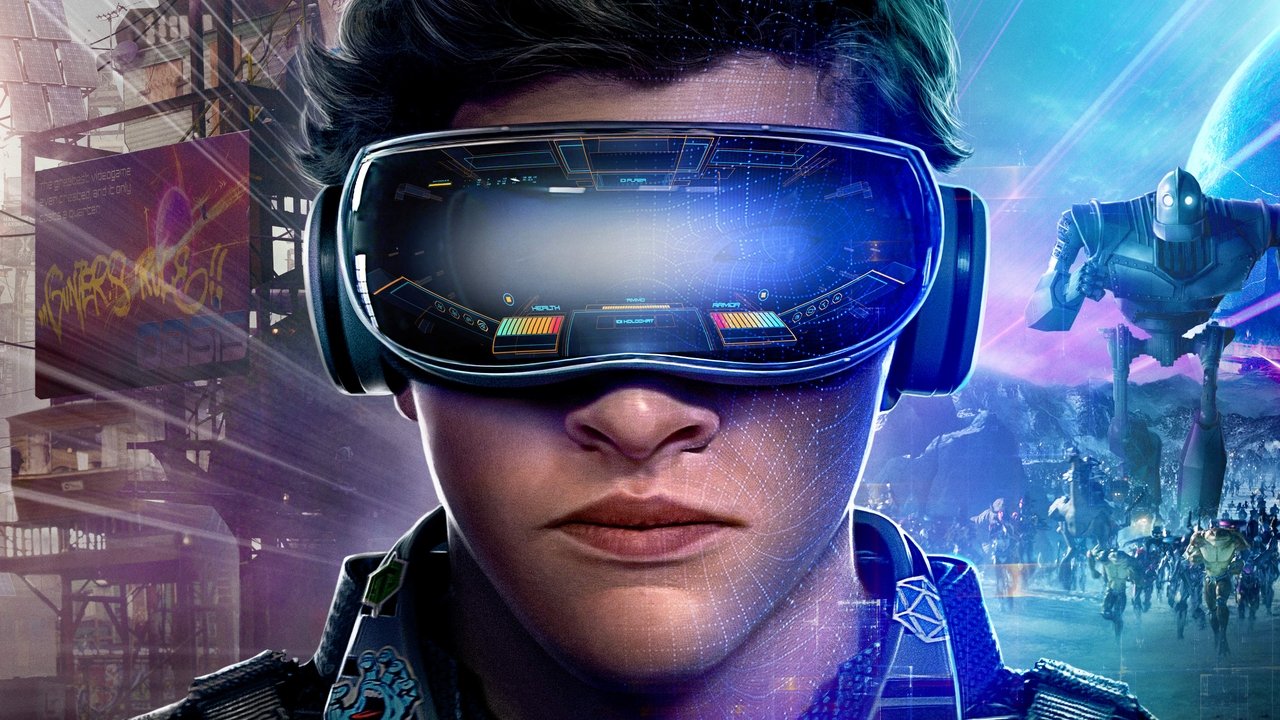
Keep Exploring...
-
Rogue One: A Star Wars Story
2016
-
Ant-Man and the Wasp
2018
-
Captain Marvel
2019
-
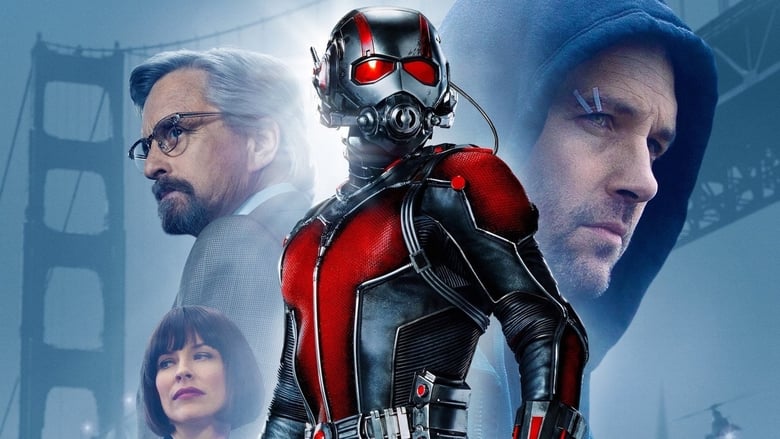
Ant-Man
2015
-
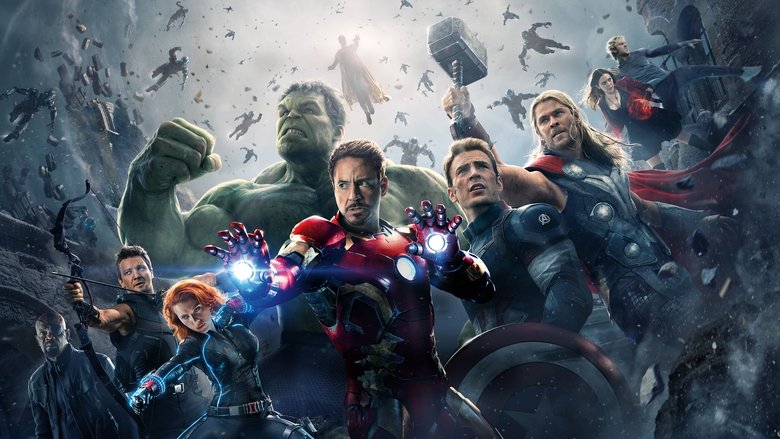
Avengers: Age of Ultron
2015
-
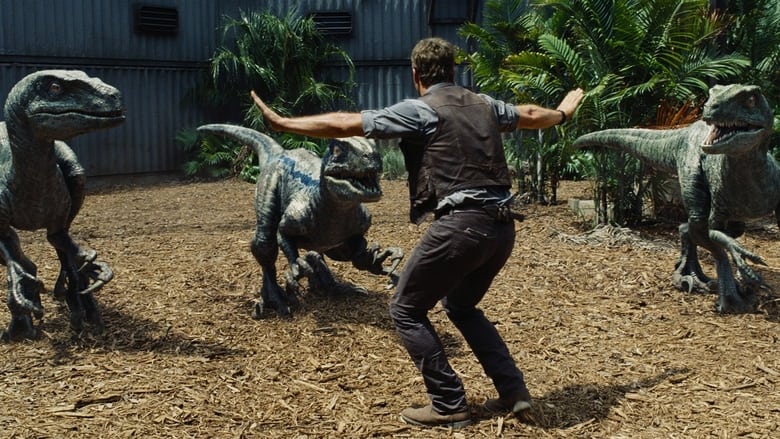
Jurassic World
2015
-
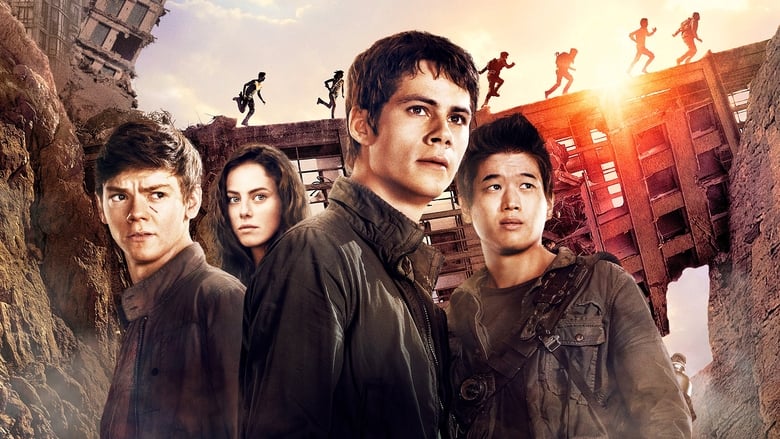
Maze Runner: The Scorch Trials
2015
-
Star Wars: The Force Awakens
2015
-
The Hunger Games: Mockingjay - Part 2
2015
-
Captain America: Civil War
2016
-
Guardians of the Galaxy Vol. 2
2017
-
Spider-Man: Homecoming
2017
-
Star Wars: The Last Jedi
2017
-
Thor: Ragnarok
2017
-
Avengers: Infinity War
2018
-

Black Panther
2018
-
Bumblebee
2018
-
Maze Runner: The Death Cure
2018
-
Spider-Man: Into the Spider-Verse
2018
-
Avengers: Endgame
2019