Replicas
"Ctrl+C. Ctrl+V. Human."
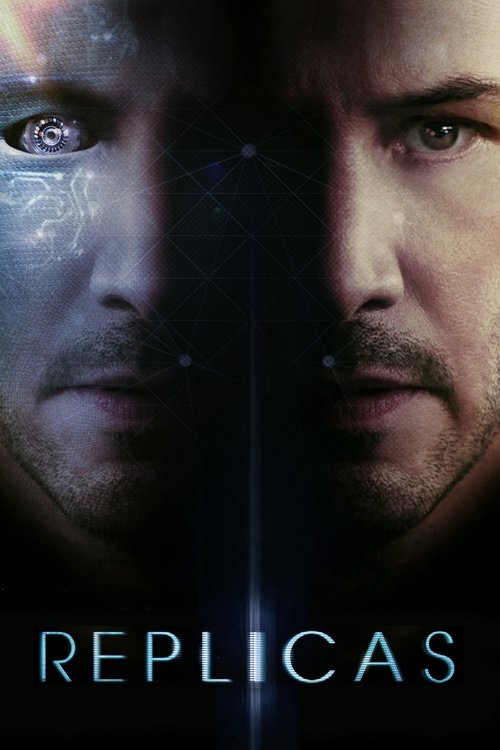
I watched Replicas on a Tuesday night while my apartment’s ancient radiator clanked rhythmically like a dying protocol droid, and honestly, the mechanical groaning provided a better soundtrack than the film deserved. There is a specific kind of fascinations I hold for "Passion Project" cinema—those movies where a massive star uses their hard-earned industry capital to drag a weird, mid-budget script into the light of day. For Keanu Reeves, fresh off the high-octane rebirth of John Wick (2014), Replicas was clearly that project. It’s a film that wants to be a haunting meditation on the ethics of digital immortality but ends up feeling like a 1990s direct-to-video thriller that accidentally stumbled into a 2018 VFX suite.
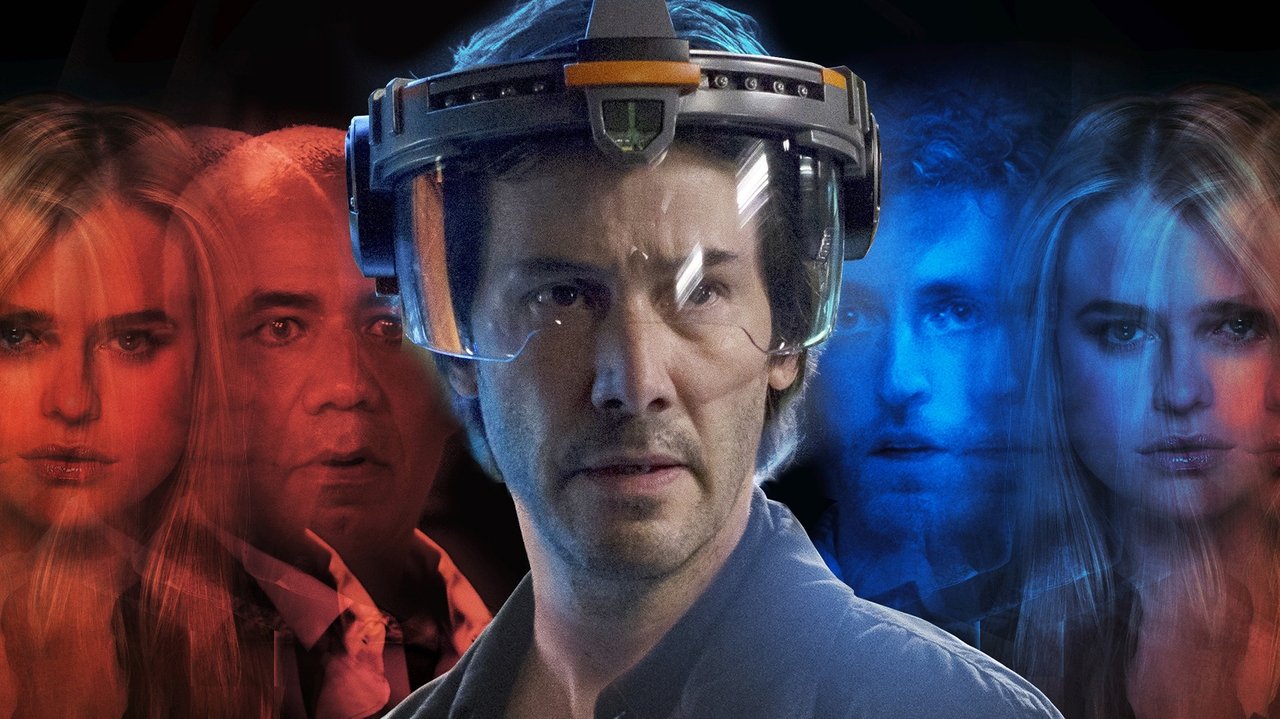
The Dark Heart of the Printer
The premise is pure sci-fi tragedy. Keanu Reeves plays William Foster, a neuroscientist obsessed with transferring human consciousness into synthetic brains. When a rain-slicked car accident wipes out his entire family, Foster doesn't mourn; he improvises. He convinces his lab partner, Ed Whittle (played with a delightful, nervous energy by Thomas Middleditch), to help him steal millions of dollars in equipment to clone his wife and children in his basement.
This is where the "Drama" tag earns its keep. The film’s most effective moments aren't the high-tech heists, but the quiet, skin-crawling horror of the "waiting period." Because they only have three cloning pods, Foster has to choose which of his three children to not bring back. He treats the memory of his youngest daughter like a corrupted file he needs to delete from the family’s collective consciousness. It’s a genuinely dark, psychological hook that belongs in a much more sophisticated movie. Keanu Reeves brings that signature, soulful yearning to the role, but the script moves so fast that we never really get to sit with the crushing weight of his god-complex.
A Glitch in the Contemporary Matrix
Released in the late 2010s, Replicas arrived at a strange crossroads for cinema. We were right in the thick of "Streaming Dominance," where mid-budget sci-fi was migrating toward Netflix and Hulu. Replicas felt like a theatrical holdout, a $30 million gamble that lacked the polished sheen of an MCU entry but didn't have the indie "prestige" of something like Ex Machina (2014). This era of filmmaking is defined by its rapid technological advancement, yet Replicas features some of the most jarringly clunky CGI robots I’ve seen in the last decade.

The "synthetic" body Foster is working on looks like it stepped out of a pre-rendered cutscene from a 2005 PlayStation game. It’s a baffling choice, considering the film was directed by Jeffrey Nachmanoff, who showed he could handle scale in The Day After Tomorrow (2004). Here, the focus is internal, but the visual language is confused. One minute we’re looking at sleek, holographic interfaces that Foster manipulates like a frantic conductor, and the next, we’re watching a robot move with the grace of a shopping cart with a broken wheel.
Why the Memory Was Wiped
So, why did this film vanish into the $8 million box office abyss? Part of it is the tonal whiplash. The second half of the movie abandons the "Frankenstein" drama for a generic corporate thriller subplot involving Foster’s boss, Jones (a menacing but underutilized John Ortiz). The film stops being about the soul and starts being about car chases and GPS tracking. Alice Eve, who plays Foster’s resurrected wife, Mona, does an admirable job trying to ground the absurdity, but once she discovers her own "expiration date," the movie pivots into a frantic escape room.
Behind the scenes, the production was a bit of a whirlwind. Filmed largely in Puerto Rico to take advantage of tax incentives, the movie sat on a shelf for a significant amount of time before Entertainment Studios picked it up at the Toronto International Film Festival. By the time it hit theaters in early 2019, the "Keanu-ssance" was so focused on John Wick: Chapter 3 – Parabellum that this weird, digital-brain-swap-drama felt like a footnote.
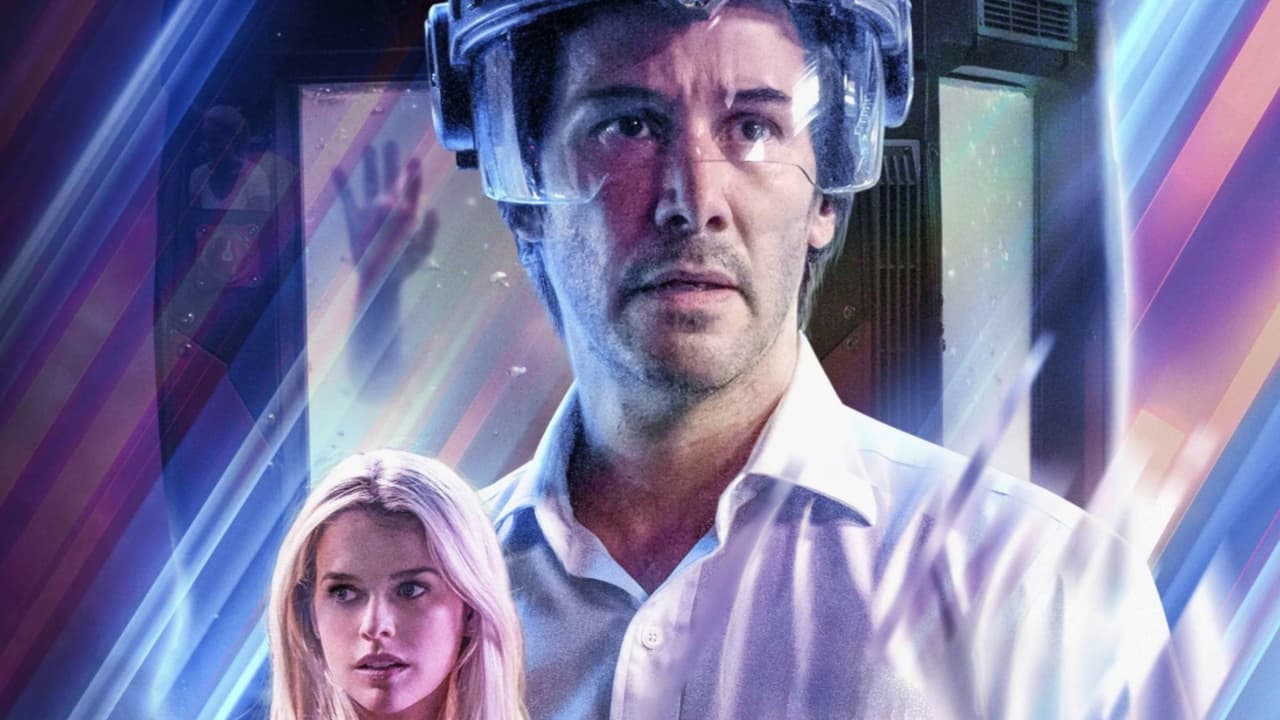
I’ll give credit where it’s due: the film attempts to tackle the "AI ethics" conversation that is currently dominating our social media feeds, but it does so with the subtlety of a sledgehammer. It’s a movie that asks, "What makes a human?" and answers with, "Whatever Keanu can fit on a hard drive." It’s the cinematic equivalent of a high-end restaurant serving you a microwave burrito on a silver platter. You appreciate the effort of the presentation, but you know exactly what you’re eating.
Ultimately, Replicas is a fascinating failure. It’s too weird to be boring, but too messy to be the "instant classic" it aspires to be. I don't regret the 107 minutes I spent with it, mostly because watching Keanu Reeves try to "delete" a human being using a pair of glowing VR gloves is the kind of high-concept silliness I live for. It’s a relic of a moment when we were still figuring out how to tell small, human stories in an era of massive technological saturation. If you’re a Keanu completist or a fan of sci-fi that isn't afraid to be a little bit stupid, it’s a curiosity worth a "Ctrl+V" into your watch list.

Keep Exploring...
-
Extinction
2018
-

Awake
2021
-

The Whole Truth
2016
-

Victor Frankenstein
2015
-

The Circle
2017
-
The Discovery
2017
-
Glass
2019
-
The Vast of Night
2019
-

Crimes of the Future
2022
-
Equals
2015
-

Gold
2016
-

Morgan
2016
-

Roman J. Israel, Esq.
2017
-

Suburbicon
2017
-

Anon
2018
-

Kin
2018
-

Black and Blue
2019
-

The Marksman
2021
-

Voyagers
2021
-

Deep Water
2022