Revenge
"Survival is a dish served in blood-soaked neon."
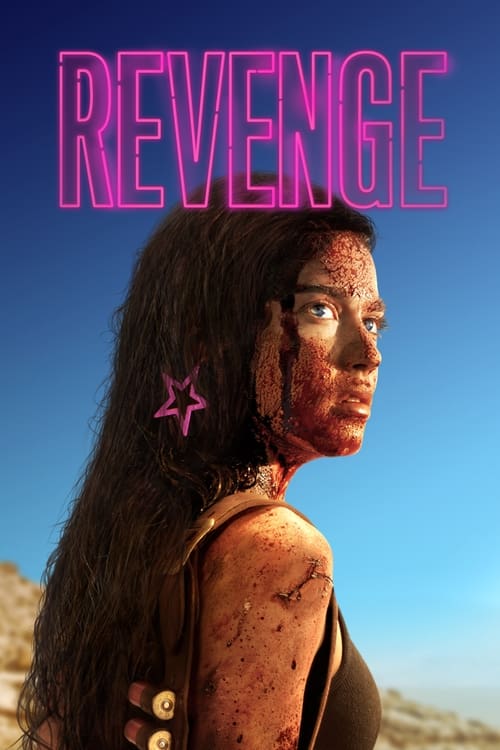
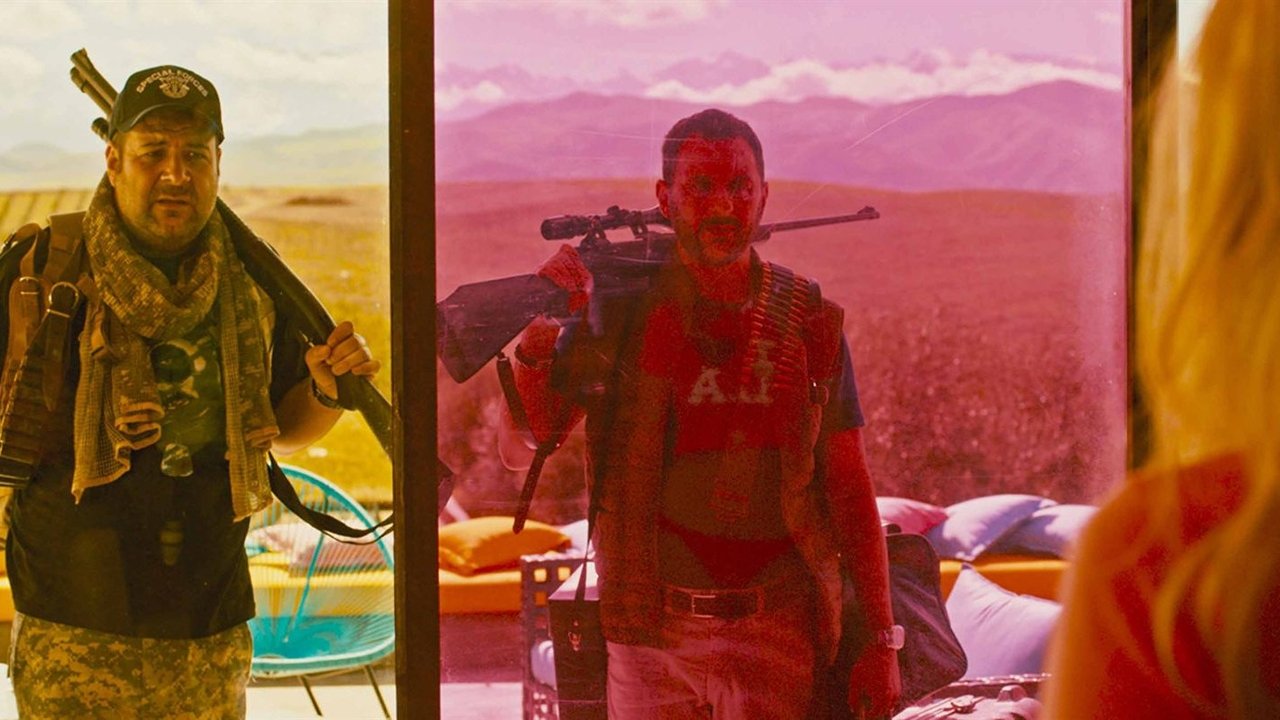
Imagine a desert so bright it feels like it’s trying to bleach your retinas, then imagine drenching that blinding landscape in more blood than the elevator scene in The Shining. That is the basic visual frequency of Coralie Fargeat’s Revenge (2018). It’s a film that takes the tired, often greasy "rape-revenge" subgenre and gives it a high-fashion, ultraviolent lobotomy. It’s loud, it’s gross, and it’s one of the most stylish things I’ve seen in the last decade.
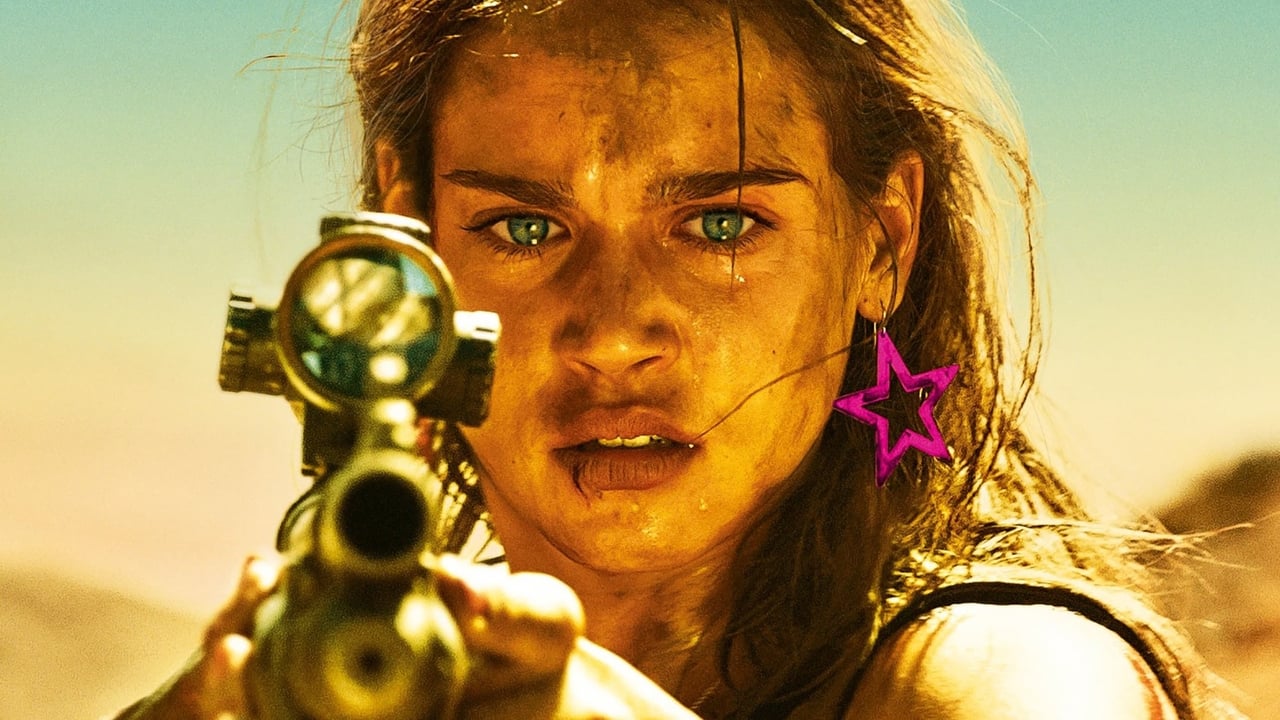
I watched this on a Tuesday night while eating a bag of Flamin' Hot Cheetos that were definitely three weeks past their expiration date. Honestly? The stale, chemical burn on my tongue weirdly complemented the saturated reds on screen. It’s that kind of movie—one that demands a physical reaction.
The Sun-Drenched Nightmare
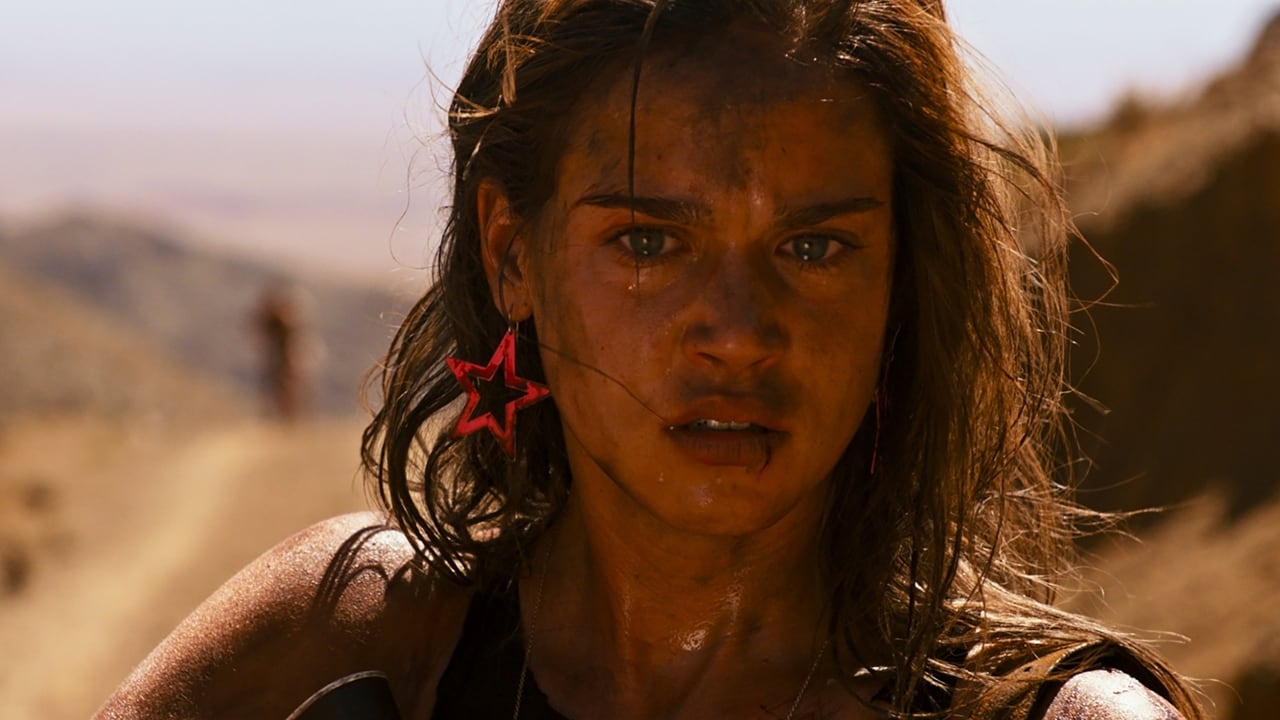
We start with Jen (Matilda Lutz), a girl who looks like she stepped out of a Britney Spears music video circa 2001, heading to a remote desert villa with her wealthy, married boyfriend, Richard (Kevin Janssens). When Richard’s two gross hunting buddies show up early, things go south in the worst way possible. After a horrific assault and a literal "push off a cliff" moment that should have been the end of the story, Jen doesn’t just survive; she transforms.
The first thing you’ll notice is how Coralie Fargeat uses color. Most horror movies hide their monsters in the shadows, but Revenge is terrified of the dark. Everything is hyper-saturated: the sky is an impossibly deep blue, Jen’s earrings are a neon pink that glows like a beacon, and the blood—oh, the blood—is a thick, vibrant crimson that looks more like house paint than bodily fluid. It feels like a graphic novel come to life, or a fashion shoot that accidentally stumbled into a slaughterhouse. It’s a bold choice for a debut feature, especially one with a modest $2.9 million budget.
Reclaiming the Gaze
For decades, this specific genre was the playground of male directors like Wes Craven or Meir Zarchi, often focusing more on the victimization than the retribution. Fargeat flips the camera. While the first act plays with the "male gaze"—lingering on Jen in a way that makes you feel complicit and uncomfortable—the rest of the film turns that gaze back on the men. Kevin Janssens’ Richard is the cinematic embodiment of a LinkedIn 'grindset' influencer gone homicidal, and seeing his cool, calculated exterior get systematically dismantled is incredibly satisfying.

Jen’s transformation is less about "becoming a hero" and more about shedding her humanity to become a desert predator. Matilda Lutz is a revelation here. She barely speaks in the second half of the film, but her physicality says everything. She isn't just surviving; she’s hunting. There’s a scene involving a beer can wrapper and a self-cauterization that had me squinting through my fingers, and I’m a guy who considers himself desensitized to movie gore. It’s practical effects work at its absolute peak, proving you don't need $100 million in CGI to make an audience scream.
Practical Magic and Gallons of Corn Syrup
Speaking of the gore, the production stories behind this are pure indie-horror gold. Because they were shooting in the heat of Morocco, the crew reportedly went through hundreds of gallons of fake blood. The stuff was so sticky and sweet that it constantly attracted swarms of local insects, meaning Matilda Lutz spent half the shoot covered in a literal "bug magnet" while trying to look like a hardened warrior. That’s the kind of low-budget grit I love.
The film also makes genius use of its limited locations. Most of the action happens in or around a single modernist glass house. Fargeat turns this sleek, expensive architecture into a deathtrap. By the final act, the house is so covered in blood that the characters are literally slipping and sliding across the floor like a grisly game of Twister. It’s absurd, over-the-top, and the final hallway chase is basically a slasher movie if the floor was made of strawberry jam and the killer was a girl with a very justified grudge.
Released during the early swell of the #MeToo movement, Revenge hit the cultural zeitgeist with the force of a sledgehammer. It’s a contemporary masterpiece of "mean" cinema that doesn't feel like it’s lecturing you. It’s just a raw, pummeling experience that demands to be seen on the biggest screen (or the best TV) you have. Just... maybe skip the Cheetos.
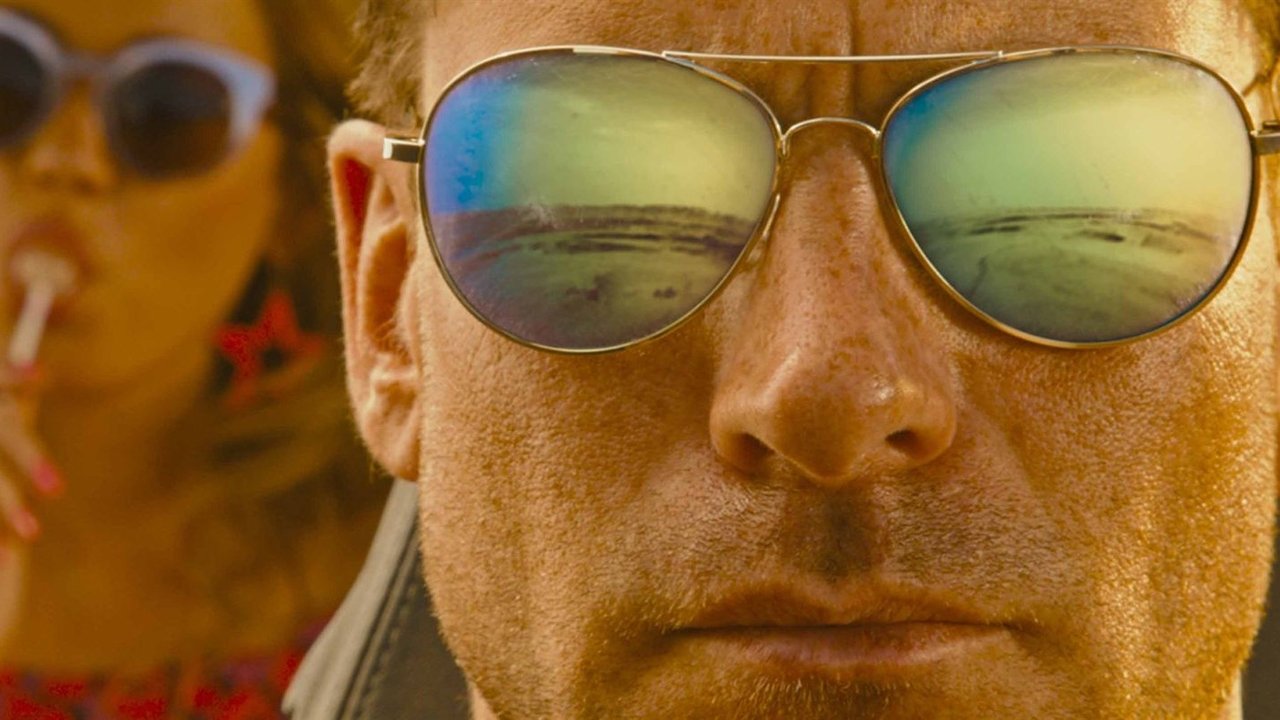
Revenge is a neon-soaked middle finger to the status quo. It takes a genre that usually feels like a chore to sit through and turns it into a high-octane, visually stunning work of art. Coralie Fargeat announced herself as a major talent here, and Matilda Lutz turned a trope into an icon. If you have a stomach for the red stuff and an eye for incredible cinematography, this is an absolute must-watch for any modern horror fan.
***
Want more blood-splattered indie gems? Check out our review of Raw or our deep-dive into the resurgence of the "Body Horror" subgenre!
Keep Exploring...
-

The Substance
2024
-
The Purge: Election Year
2016
-
The First Purge
2018
-
Peninsula
2020
-
The Hunt
2020
-
Unhinged
2020
-
Blood Red Sky
2021
-
The Forever Purge
2021
-

Beast
2022
-
Day Shift
2022
-
Circle
2015
-
Hush
2016
-
The Invitation
2016
-

Leatherface
2017
-
The Endless
2017
-

The Wall
2017
-

Terrifier
2018
-
Unsane
2018
-
I See You
2019
-
Vivarium
2019