Searching
"Your daughter is missing. Her laptop is the only witness."
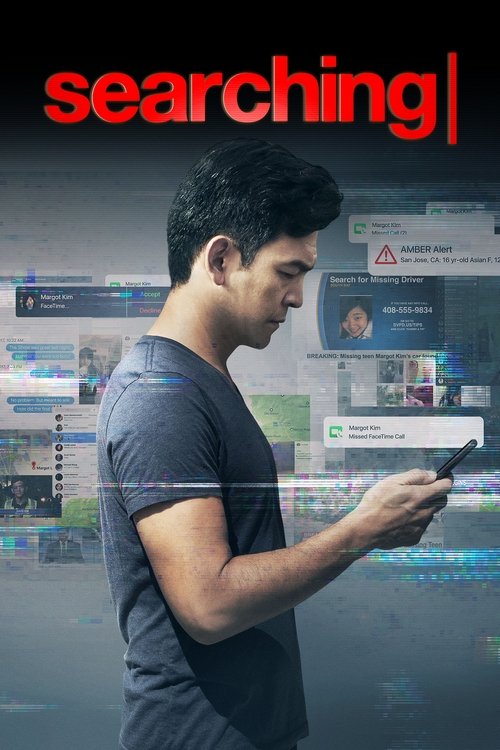
The most terrifying thing about Searching isn’t the central kidnapping mystery; it’s the realization that my own browser history could be used to reconstruct my entire personality—and all my failures—in under an hour. I watched this film while hunched over a plate of cold leftover Hawaiian pizza, and the guilt of the extra pineapple felt strangely synchronized with the digital clutter on screen. There is something deeply invasive about watching a desktop interface on a giant cinema screen. It feels like you’re reading someone’s diary while they’re in the shower, and director Aneesh Chaganty leans into that voyeuristic discomfort until it draws blood.

The Desktop as a Stage
When we talk about "Screenlife" movies—films told entirely through computer screens, smartphones, and security cameras—the conversation usually starts and ends with the gimmick. Most of these films, like Unfriended, feel like watching a glorified Zoom call with a headache. But Searching is different. It’s an indie gem that takes a $1 million budget and turns technical constraints into a high-wire act of storytelling. It doesn't feel like a gimmick; it feels like the only way this specific story could be told in 2018.
The film follows David Kim, played with agonizing vulnerability by John Cho, whose 16-year-old daughter Margot (Michelle La) vanishes after a late-night study session. When the police investigation, led by Detective Vick (Debra Messing), hits a wall, David cracks open Margot’s laptop. What follows is a digital archaeological dig. He isn't just looking for clues; he’s discovering that he didn’t know his daughter at all.
I was struck by how Aneesh Chaganty uses the "User Interface" to convey more emotion than most directors get out of a wide-angle lens. The way a cursor hovers over a "Send" button before deleting a heartfelt sentence tells us everything about David’s repressed grief. Most 'tech-thrillers' treat computers like magical hacking boxes, but Searching treats them like the messy junk drawers they actually are. It’s grounded, tactile, and deeply relatable to anyone who has ever stared at a blinking text cursor, paralyzed by indecision.
The Up of the Digital Age
The film’s opening sequence is a masterclass in narrative efficiency. In a few minutes, we see the Kim family’s life unfold through Windows XP setups, calendar alerts, and saved videos. It tracks the birth of a daughter and the slow, devastating decline of her mother, Pamela (Sara Sohn), to cancer. It’s the digital equivalent of the opening montage from Pixar’s Up, and it’s just as effective at breaking your heart.

By the time the mystery kicks into gear, we aren't just watching a thriller; we’re watching a family’s trauma manifest in their search history. This is where the drama hits hardest. John Cho is a revelation here. For years, he’s been a reliable presence in comedies and sci-fi, but here he carries the entire emotional weight of the film through a webcam lens. He captures that specific brand of "Dad Panic"—the transition from mild annoyance to cold, paralyzing dread—with terrifying precision. It’s a performance that demands to be seen, marking a significant moment for Asian-American representation in a genre that usually relegates minority actors to the "tech support" role.
Behind the Digital Curtain
The brilliance of Searching lies in its production story. Despite looking like a seamless capture of a Mac desktop, the "screen" was actually built from scratch. The filmmakers didn't just record a screen; they animated the entire interface to ensure every notification and mouse movement served the pacing. It took a year and a half to edit—about five times longer than your average indie drama—because every pixel had to be meticulously placed.
The film was shot in just 13 days, with the actors often looking into GoPros or black holes where a screen would eventually be added in post-production. It’s the ultimate "work smarter, not harder" success story. It premiered at Sundance, where it sparked a bidding war, eventually earning over $75 million at the box office. That’s a massive win for a film that cost less than the catering budget on a Marvel set. It proves that in the streaming era, a clever conceit and a grounded human story can still outshine the flashiest CGI spectacle.
A Modern Moral Maze
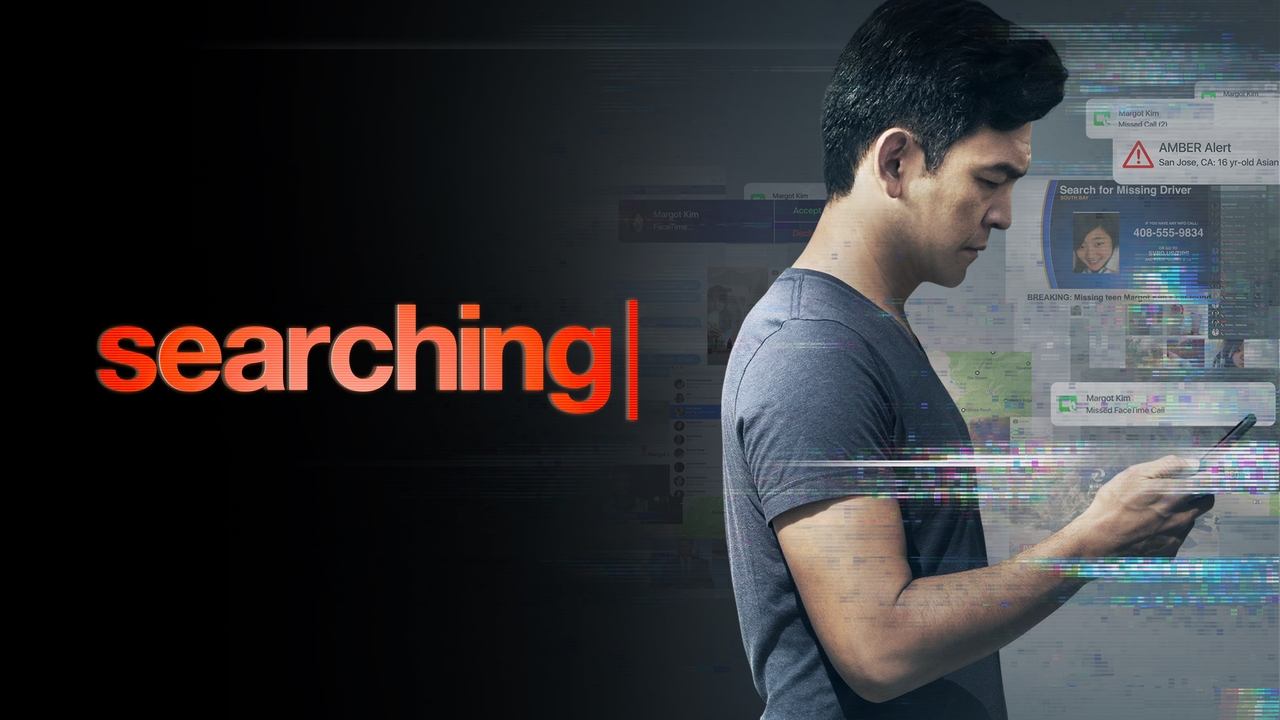
As the mystery deepens, the film touches on the darker corners of our current moment: the performative grief of strangers on social media, the anonymity of live-streaming sites like YouCast, and the way the internet can turn a tragedy into a circus overnight. It’s an intense, often grim look at how our digital footprints are both our legacies and our liabilities.
The twists are genuinely earned. I’m usually the guy who guesses the killer by the second act, but Searching played me like a fiddle. It plants clues in the "unread" emails and background browser tabs that you won't even notice until a second viewing. It demands your full attention; if you look down at your phone to check a text, you might miss the very clue David Kim is desperately seeking. It’s an ironic experience—a movie about the dangers of digital distraction that forces you to be more present than any other film in recent memory.
Searching is a rare bird: a high-concept thriller that never forgets it's a human drama. It uses the tools of our daily isolation—screens, passwords, and private folders—to tell a story about the desperate need for connection. It’s tense, heartbreaking, and remarkably clever. Just do yourself a favor: clear your browser history before you go to the theater. You never know who might be looking.
Keep Exploring...
-
Run
2020
-

The Killing of a Sacred Deer
2017
-

The Invisible Guest
2017
-

The Outfit
2022
-
Missing
2023
-
Good Time
2017
-

Sherlock: The Abominable Bride
2016
-

Burning
2018
-
Mirage
2018
-

The Professor and the Madman
2019
-

Black Box
2021
-

Son of Saul
2015
-

Bacurau
2019
-

Les Misérables
2019
-
The Beasts
2022
-
In the Heat of the Night
1967
-
Pi
1998
-
Get Out
2017
-
The Gift
2015
-
Bad Times at the El Royale
2018