Shoplifters
"Love is thicker than blood, but secrets are sharper than knives."

I remember watching Shoplifters for the first time on a humid Tuesday evening, distractedly eating a bowl of lukewarm instant ramen that I’d probably overcooked. About forty minutes in, I stopped chewing. I realized my own cheap meal was a luxury compared to the survivalist "stews" being shared on screen by the Shibata family. There is a specific kind of magic that Hirokazu Kore-eda (the visionary behind Nobody Knows and Still Walking) weaves here—a warmth that feels so genuine you forget you’re essentially watching a crime procedural about the "invisible" poor of Tokyo.

The film opens with a rhythmic, almost balletic shoplifting sequence involving Osamu (Lily Franky) and young Shota (Kairi Jo). They don't look like criminals; they look like a father and son engaged in a quirky weekend hobby. But this isn't a "heist" movie. It’s a slow-burn immersion into a cramped, cluttered house where three generations huddle together for warmth, surviving on the grandmother’s pension and whatever they can "liberate" from the local grocery store. When they find a shivering, neglected little girl named Yuri (Miyu Sasaki) on a balcony and decide to "adopt" her—or kidnap her, depending on your moral compass—the film shifts from a social observational piece into something far more intense and ethically murky.
The Invisible Architecture of Poverty
In our current era of "representation," we often see poverty depicted in cinema as either a saintly struggle or a gritty, hyper-violent nightmare. Kore-eda rejects both. He gives us a family that is happy, but only because they’ve built a fortress out of their own marginalization. In the age of streaming, where we are bombarded by high-gloss franchise dominance, a film this quiet and tactile feels like a rebellion.
The cinematography by Ryūto Kondō captures the suffocating clutter of their home with a strange, dusty beauty. You can almost smell the old tatami mats and the steam from the communal pots. It’s a contemporary masterpiece that doesn't need CGI to create a world; it just needs a tiny, crowded room and a group of people who love each other more than the law allows. The film dares to suggest that a "kidnapper" might be a better mother than a biological one, and frankly, it makes a agonizingly convincing case.
Performances That Bleed
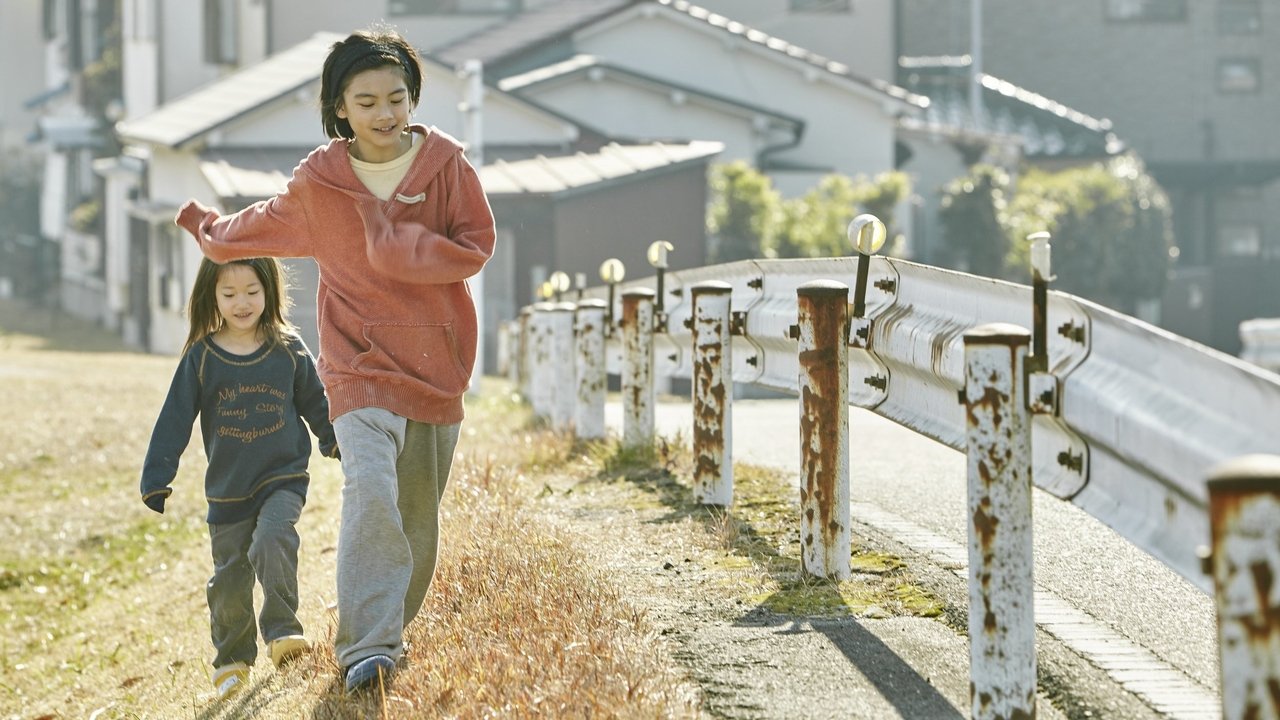
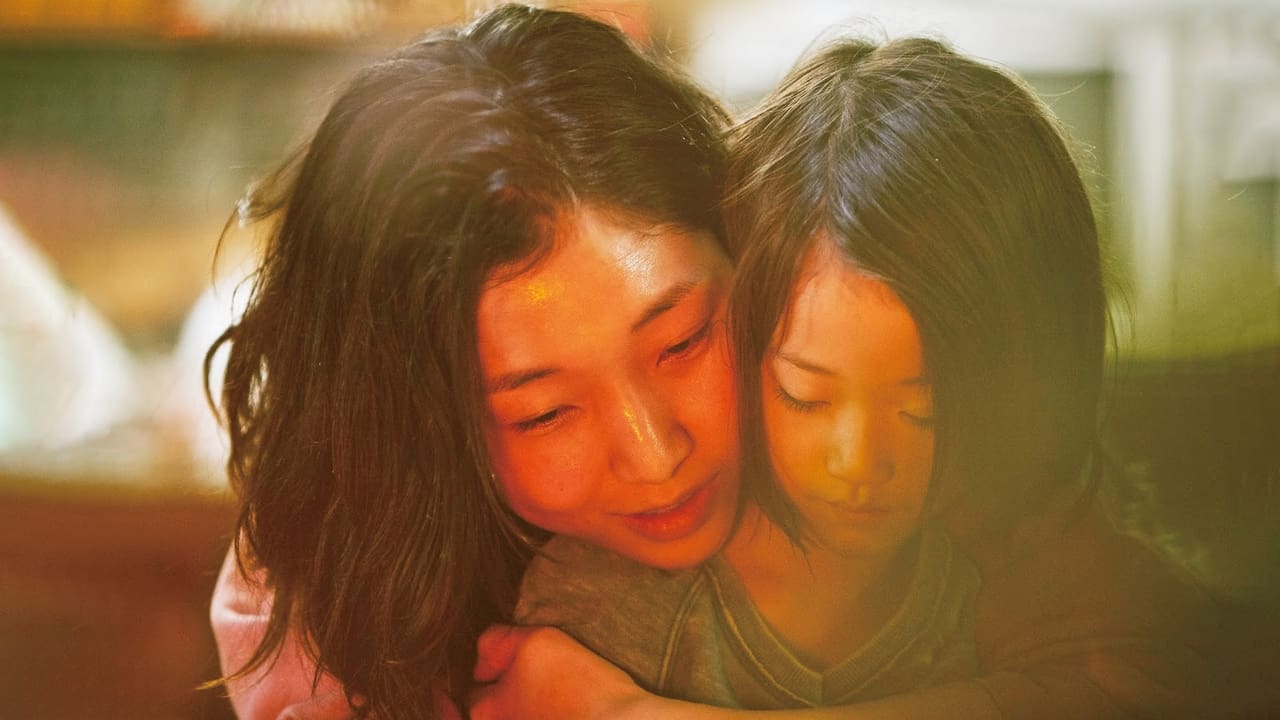
The ensemble here is nothing short of miraculous. Lily Franky plays Osamu with a Peter Pan-like irresponsibility that is both charming and devastatingly pathetic. You want him to be a hero, but he’s just a man who never grew up, teaching his son to steal because he has nothing else to give. Then there is Sakura Ando as Nobuyo. There is a single-take interrogation scene late in the film where she wipes tears away with the back of her hand—without ever losing her composure—that is quite possibly the best piece of acting I have seen in the last decade.
The late, great Kirin Kiki provides the anchor as the grandmother, Hatsue. This was one of her final roles, and she brings a mischievous, cynical edge to the "wise elder" trope. She isn't just a sweet old lady; she’s a woman who knows exactly how the world works and has decided to cheat it for just a few more years. The chemistry between these actors is so lived-in that it felt less like a script and more like a documentary I wasn't supposed to see.
The Tragedy of the Chosen
While the first hour feels like a cozy, if unconventional, family drama, the final act is where the "Dark/Intense" label truly earns its keep. As the authorities close in and secrets begin to leak like a cracked pipe, the cozy atmosphere evaporates. We are forced to ask: Is a family built on lies still a family?
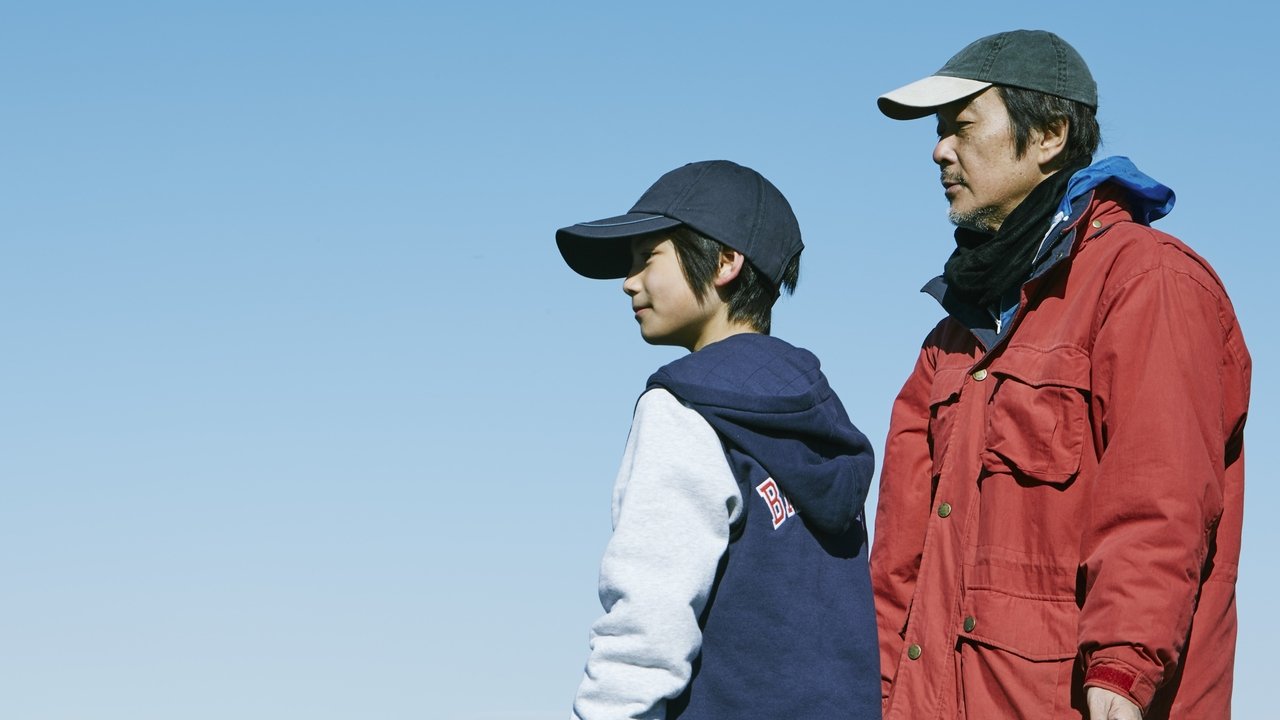
Kore-eda doesn't offer the easy, sentimental exits we’ve grown used to in "prestige" dramas. He forces us to sit with the consequences of their choices. Watching Shota realize that his "father" might have been using him as a tool for survival is a gut-punch that stayed with me long after I finished my now-cold ramen. It’s a film that engages with our current cultural conversations about what "meaningful representation" looks like—not just putting diverse faces on screen, but showing the brutal reality of those who exist outside the system’s protection.
The trivia behind the film is just as fascinating as the plot. Hirokazu Kore-eda was inspired by real-life news stories in Japan about families who kept the deaths of elderly relatives a secret to continue collecting their pension checks. What could have been a tabloid horror story became, in his hands, a poem about the lengths humans will go to for a sense of belonging. Apparently, Sakura Ando stayed in her "jail" clothes and wore no makeup for days to achieve the raw, hollowed-out look of the final scenes. That commitment shines through every frame.
Shoplifters is a rare achievement that managed to win the Palme d'Or at Cannes and then found a second, more fervent life among audiences who realized it was the "found family" story they didn't know they needed. It is a somber, weighty, and ultimately beautiful look at the cracks in our modern world. It doesn't just ask you to watch; it asks you to empathize with the people society would rather pretend don't exist. It’s a film that leaves you feeling raw, thoughtful, and perhaps a little more observant of the "invisible" people you pass on your own street every day.
Keep Exploring...
-
Patriots Day
2016
-
Sherlock: The Abominable Bride
2016
-
Snowden
2016
-
Dogman
2018
-

The House That Jack Built
2018
-
El Camino: A Breaking Bad Movie
2019
-
Uncut Gems
2019
-
Promising Young Woman
2020
-

The Devil All the Time
2020
-
Wrath of Man
2021
-

Batman vs. Robin
2015
-
Suburra
2015
-

Miss Sloane
2016
-
The Accountant
2016
-
Good Time
2017
-
22 July
2018
-
The Guilty
2018
-
Joker
2019
-
Les Misérables
2019
-

The Traitor
2019