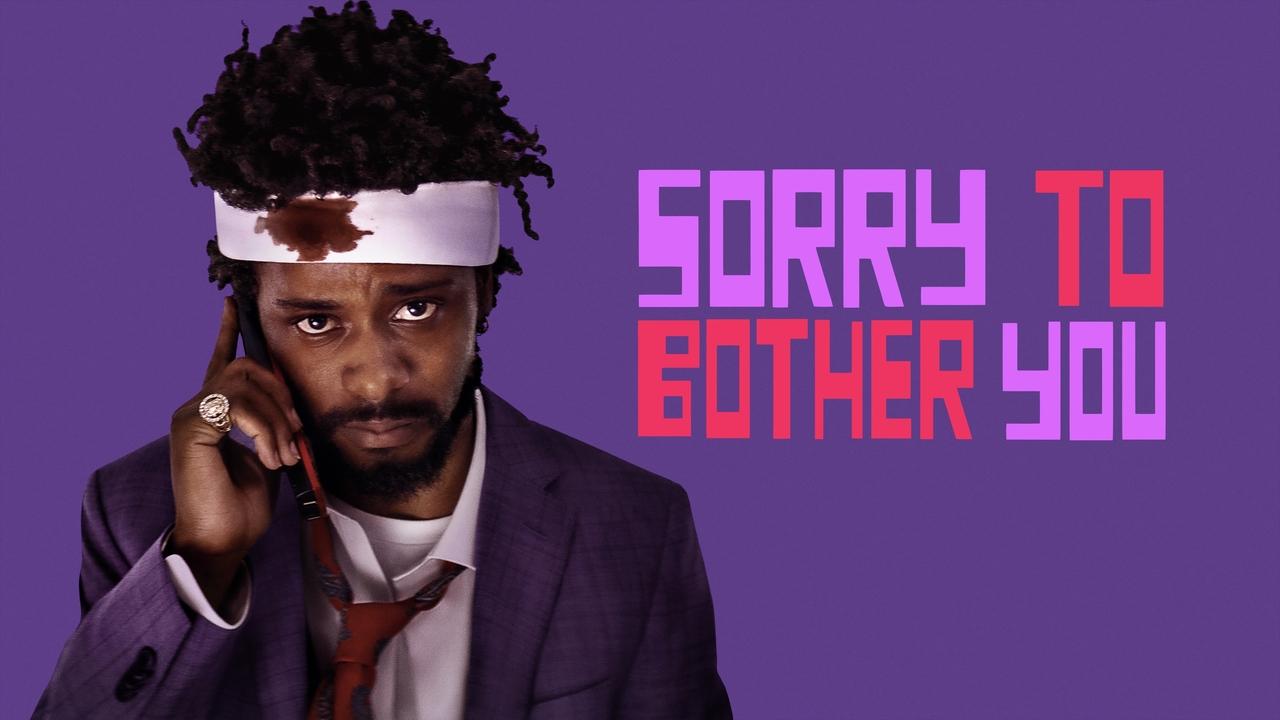
Sorry to Bother You
"Answer the call. Join the herd."
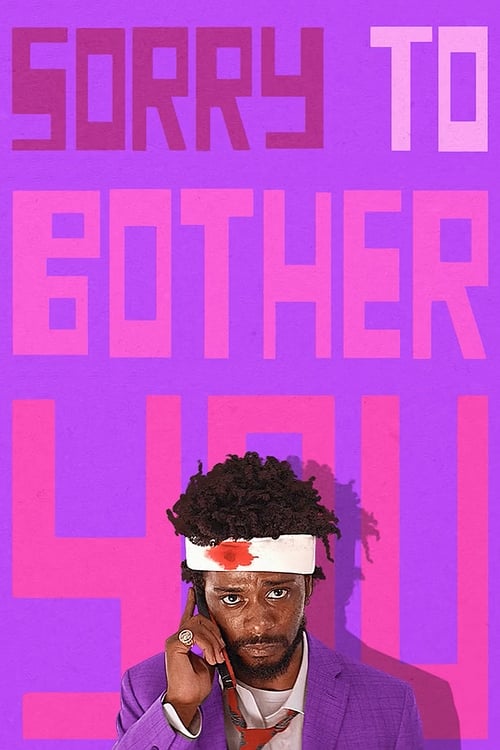
The first time I sat down to watch Sorry to Bother You, I was nursing a lukewarm bowl of vegetable lo mein and trying to ignore a persistent itch on my left ankle. Ten minutes in, I forgot the lo mein existed. Twenty minutes in, I forgot the itch. By the time the credits rolled, I felt like my brain had been put through a professional-grade blender and served back to me with a neon umbrella and a side of existential dread. It’s the kind of movie that makes you want to immediately call everyone you know, not to explain the plot—because how could you?—but just to verify that you all still inhabit the same reality.
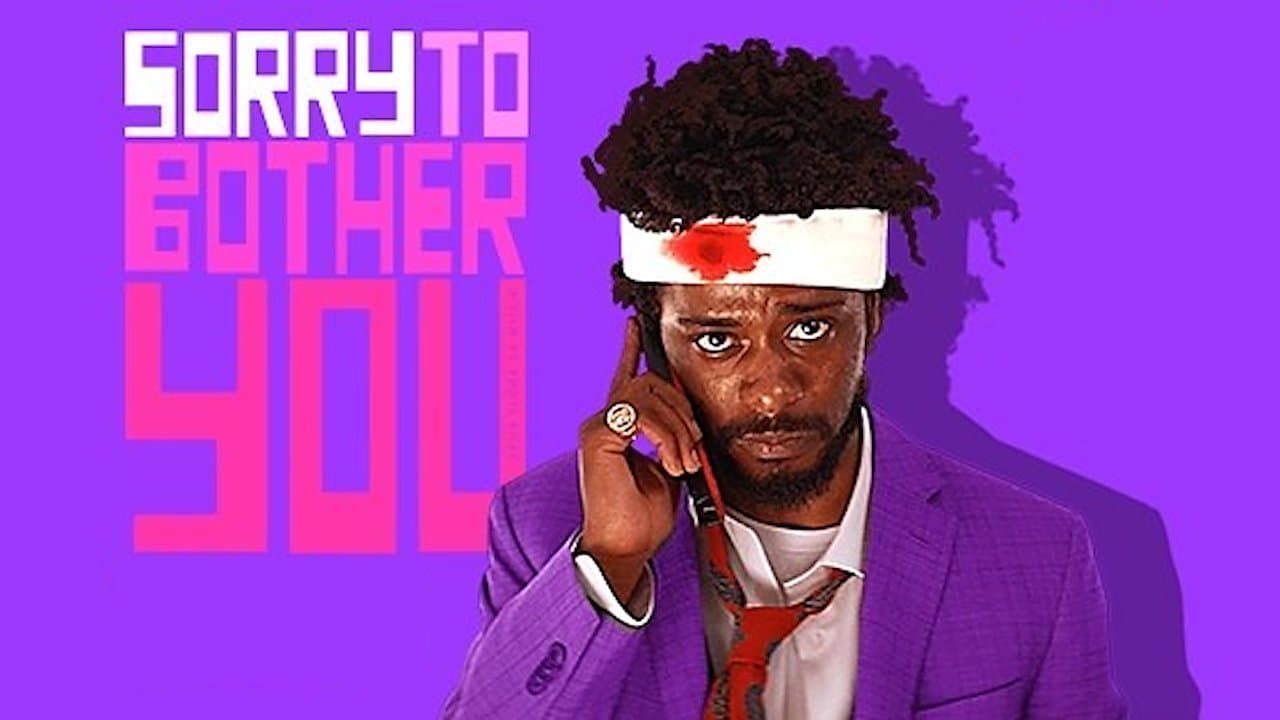
The Magic of the "White Voice"
The film drops us into an "alternate present" Oakland that feels about five minutes removed from our own timeline. We follow Cassius "Cash" Green, played with a perfect blend of desperate yearning and mounting horror by LaKeith Stanfield (Knives Out, Atlanta). Cash is broke, living in his uncle’s garage, and takes a soul-crushing job at a telemarketing firm called RegalView. He’s failing miserably until a veteran caller played by Danny Glover gives him the golden ticket: use your "White Voice."
This isn't just a "professional" voice; it’s a nasally, carefree, over-the-top sonic projection of privilege (dubbed, hilariously, by David Cross). It’s the sound of someone who has never had a bill they couldn't pay. Once Cash masters this, he skyrockets up the corporate ladder toward the mythical status of "Power Seller." LaKeith Stanfield is incredible here, navigating the physical comedy of a man whose own voice no longer belongs to him. He’s balanced by Tessa Thompson (Thor: Ragnarok, Creed) as Detroit, his girlfriend and an avant-garde artist whose earrings carry more social commentary than most feature-length documentaries. Thompson brings a necessary grounding to the film’s escalating absurdity, even when she’s wearing "Murder Murder Murder" jewelry or participating in a gallery show that involves the audience throwing cell phones at her.
A $3 Million Miracle
What’s truly wild about this film is its pedigree. This was the directorial debut of Boots Riley, the frontman of the political hip-hop group The Coup. Usually, when a musician decides to jump behind the camera, you get a vanity project that looks like a long-form music video. Instead, Riley delivered a satirical hand grenade. Working with a measly $3.2 million budget—roughly what a Marvel movie spends on its craft services table for a weekend—Riley and his team created a world that feels vast, textured, and deeply intentional.
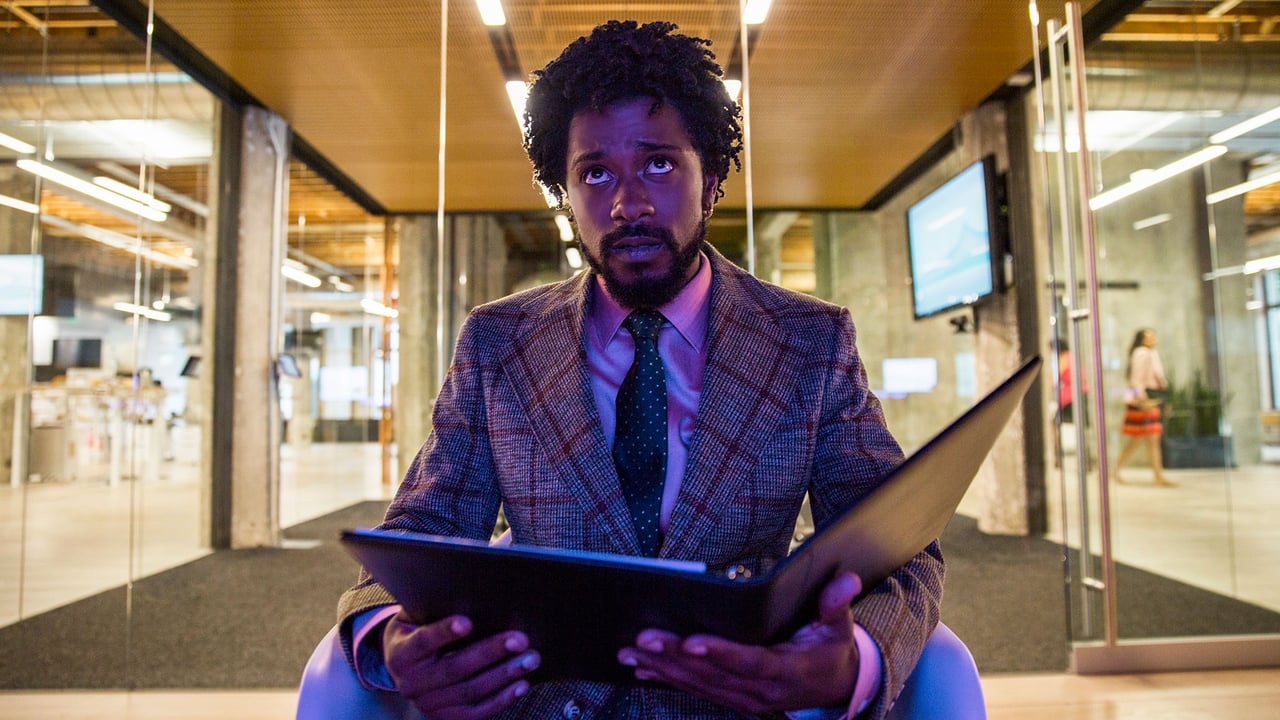
The production design is a masterstroke of indie ingenuity. Cash’s uncle’s garage, the flickering lights of the telemarketing office, and the sleek, terrifying minimalism of the corporate upper tiers all scream "personality over pixels." They didn't have the money for seamless CGI, so they leaned into a DIY aesthetic that makes the world feel tactile. When Cash gets a promotion, his desk literally bursts through the floor of his new office. It’s practical, it’s punchy, and the third act is a glorious middle finger to every "safe" script ever written.
Corporate Dystopia for the Gig Economy
In our current era of "hustle culture" and the "gig economy," Sorry to Bother You feels less like a fantasy and more like a documentary with the saturation turned up to eleven. It tackles the "WorryFree" corporation—a company that offers people "guaranteed housing and food" in exchange for lifetime labor contracts (read: slavery with better marketing).
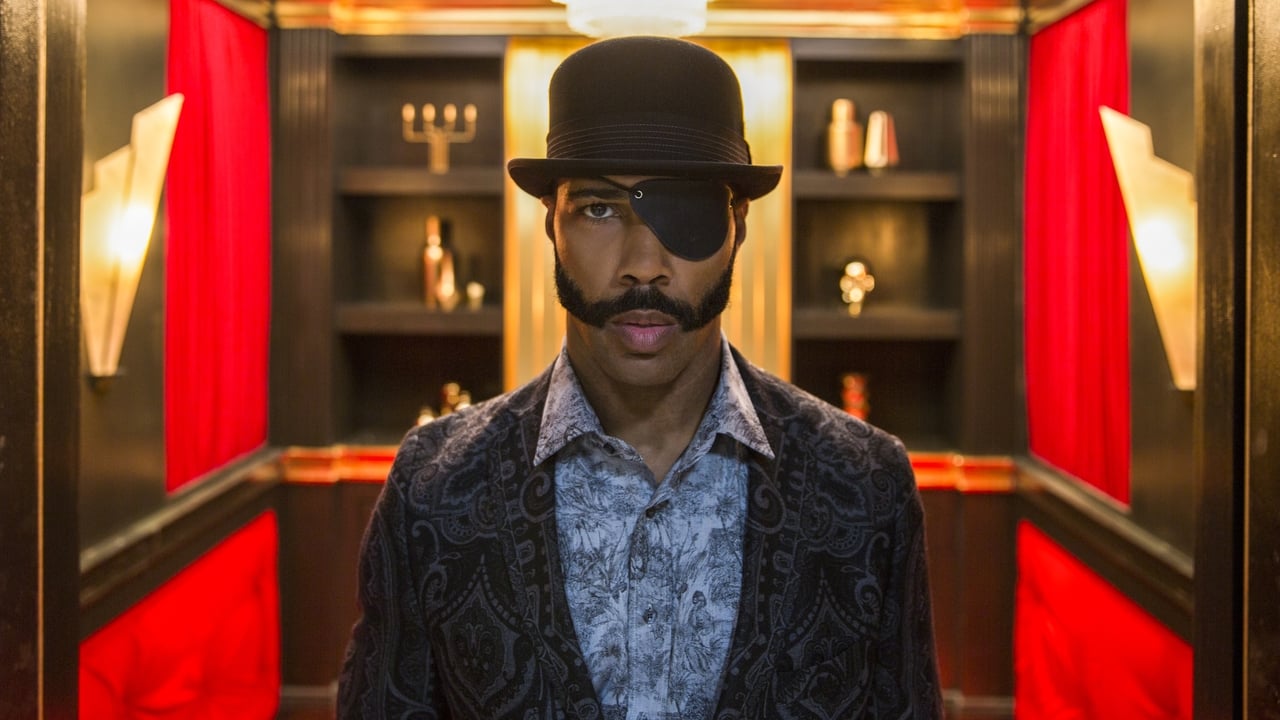
The film captures the 2018 zeitgeist perfectly: the tension between individual success and collective bargaining, the way corporate brands co-opt revolutionary imagery, and the soul-sucking reality of selling out. Omari Hardwick (Power) is chilling as Mr. _______, the high-level manager who has fully transitioned into his corporate persona, while Terry Crews (Brooklyn Nine-Nine) provides a heartbreakingly grounded performance as the uncle just trying to keep his house.
The Pivot You Won’t See Coming
I have to be careful here because part of the joy of this film is the "What the...?" factor. About two-thirds of the way through, Sorry to Bother You takes a hard left turn into pure science fiction body horror that left me staring at my screen in stunned silence. It’s an audacious move that would have been laughed out of any major studio boardroom. "Wait, you want to turn the movie into that?" an executive would ask.
But in the indie world, Riley had the freedom to follow his vision to its most extreme, logical conclusion. The speculative elements aren't just there for shock value; they are a literalization of how capitalism treats the human body as just another piece of hardware to be upgraded or discarded. The "Equisapiens"—if you know, you know—are a haunting, hilarious, and deeply tragic invention that cements the film’s status as a cult classic.
Ultimately, Sorry to Bother You is a rare beast: a movie with a loud, angry message that never forgets to be entertaining. It’s funny, it’s gross, it’s vibrant, and it’s deeply uncomfortable in all the right ways. It manages to critique the very industry that produced it while giving us one of the most original sci-fi concepts of the decade. I haven't looked at a horse—or a telemarketer—the same way since. If you’re tired of the same three franchise formulas being served on a loop, give this a dial. Just be prepared for the person on the other end of the line to be nothing like what you expected.
Keep Exploring...
-
Kung Fury
2015
-
Home
2015
-

Ghostbusters: Afterlife
2021
-

Minions: The Rise of Gru
2022
-
Justice League vs. Teen Titans
2016
-

Thor: Ragnarok
2017
-
Swiss Army Man
2016
-
The Willoughbys
2020
-
A Grand Day Out
1990
-
Hotel Transylvania 2
2015
-

Krampus
2015
-

The SpongeBob Movie: Sponge Out of Water
2015
-

Teenage Mutant Ninja Turtles: Out of the Shadows
2016
-

Trolls
2016
-
Captain Underpants: The First Epic Movie
2017
-
Jumanji: Welcome to the Jungle
2017
-
Unicorn Store
2017
-
Mary Poppins Returns
2018
-
Teen Titans Go! To the Movies
2018
-

Frozen II
2019