Spider-Man: Into the Spider-Verse
"A masterpiece of ink, pixels, and heart."
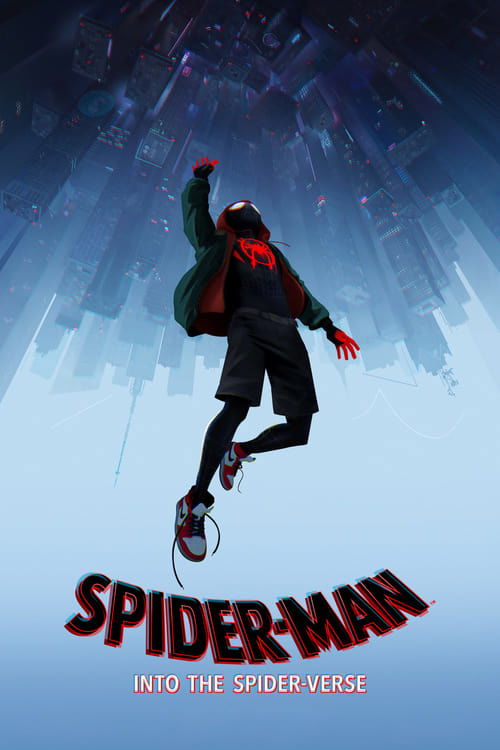
In 2018, the collective consensus was that we had reached "Peak Spider-Man," yet we were all about to be proven hilariously wrong by a movie that looked like it was vibrating off the screen. Between the Sam Raimi trilogy, the Andrew Garfield reboot, and Tom Holland joining the MCU, the public was ready for a nap. Then came Miles Morales. This wasn't just another spin of the web; it was a seismic shift that made every other superhero movie suddenly look like it was filmed through a layer of wet cardboard.

A Living, Breathing Comic Book
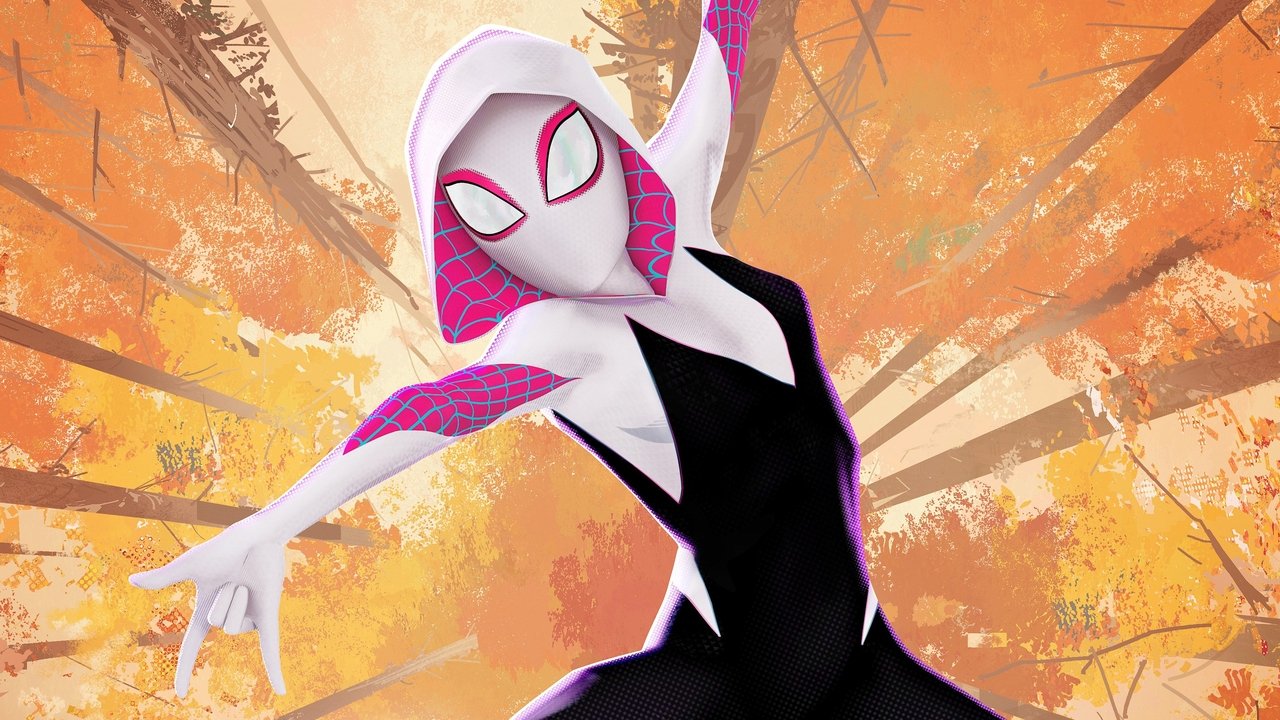
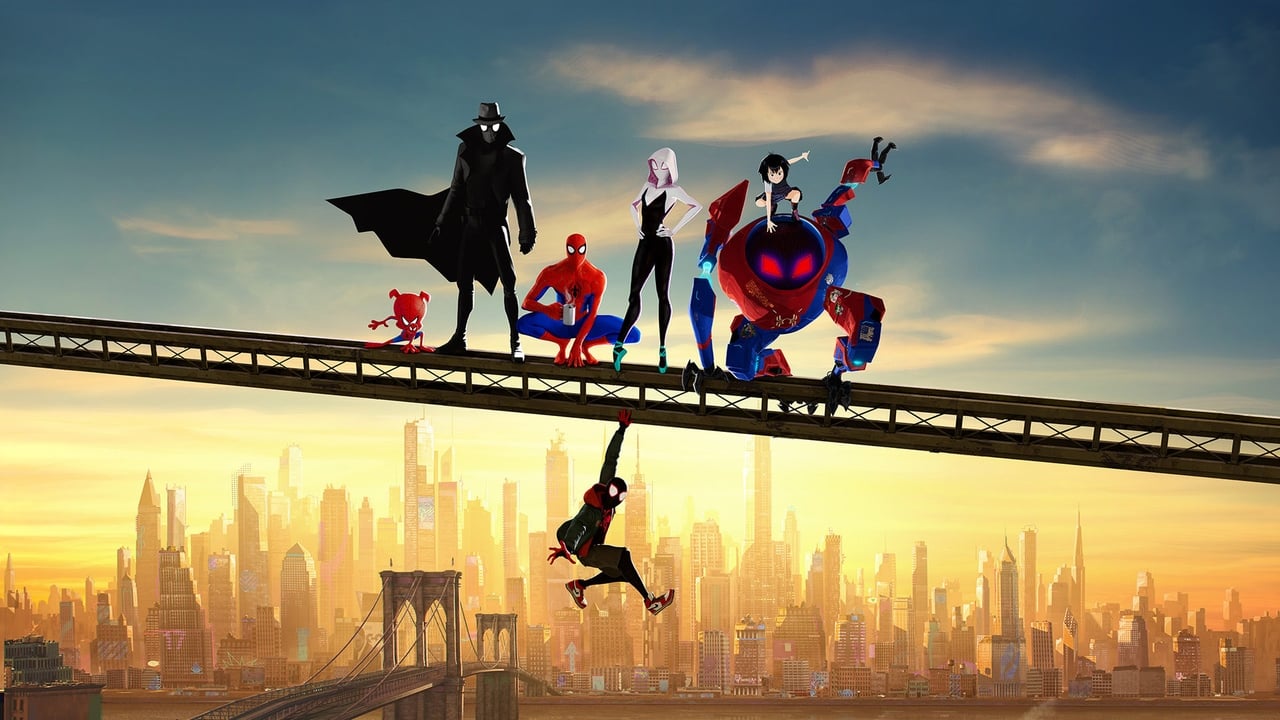
The first thing I noticed—well, the first thing anyone notices—is the art style. For years, big-budget animation had been chasing a specific kind of Pixar-adjacent smoothness. Spider-Verse threw that out the window and decided to look like a comic book had a fever dream. The filmmakers used "Ben-Day dots" (those little ink circles you see in old print comics) and deliberate color bleeding to give the world texture.
What’s truly wild is the frame rate. Most films run at 24 frames per second. Here, they often animated Miles "on twos," meaning he only moves every second frame. It makes his movements feel choppy and uncertain, perfectly capturing a kid who doesn't quite know how to use his own hands yet. As he grows more confident, the animation smoothens out. I watched this in a theater where the air conditioning was set to "Arctic Tundra," and I had to wrap myself in an oversized hoodie like a disgruntled burrito, but the warmth and energy of these visuals still managed to melt the chill.
The Heart Under the Hood
Beyond the technical wizardry, the cast brings a level of sincerity that’s often missing from modern franchise fare. Shameik Moore (who was great in Dope) gives Miles a vulnerability that makes his "Leap of Faith" sequence feel earned rather than scripted. Opposite him, Jake Johnson (the lovable mess from New Girl) provides the perfect "Peter B. Parker"—a Spider-Man who has a back ache, a divorce, and a questionable relationship with pizza. It’s a genius subversion of the hero archetype.
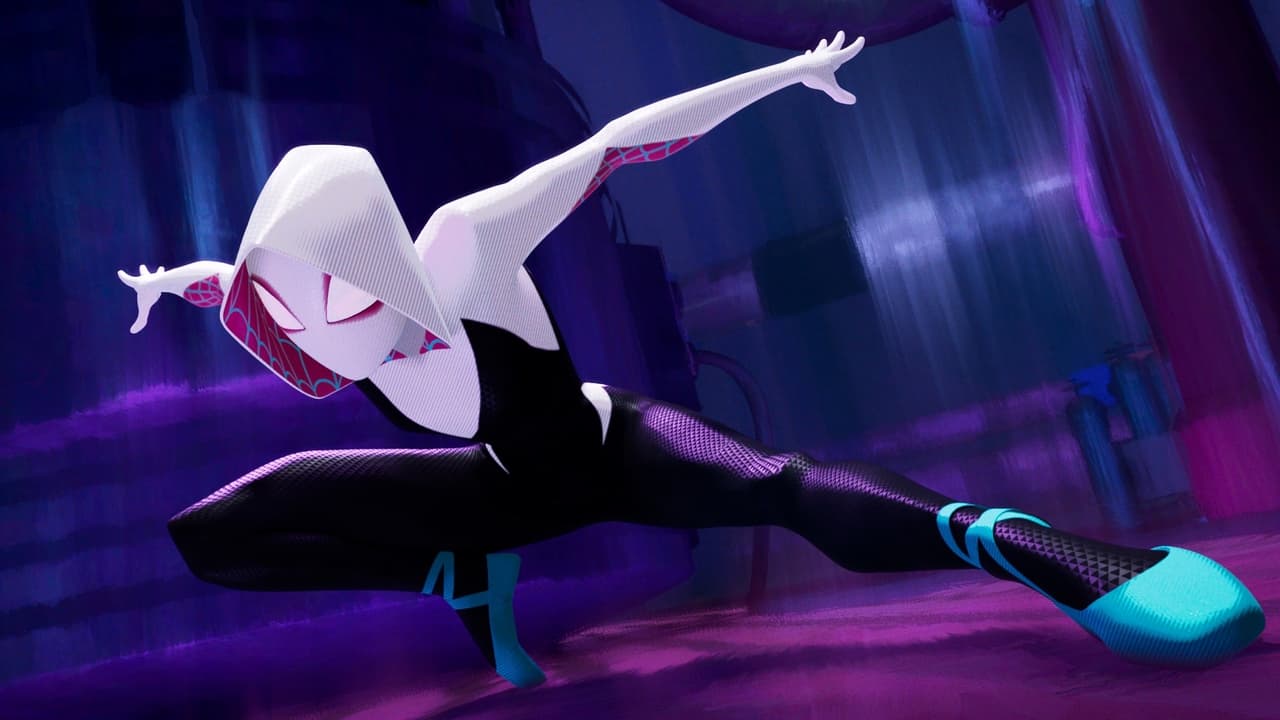
Then you have the supporting Spider-folk. Hailee Steinfeld's Gwen Stacy is effortlessly cool, and seeing Nicolas Cage (Mandy, The Rock) channel 1930s noir as Spider-Man Noir is a gift I didn't know I needed. Even the comic relief characters like John Mulaney’s Spider-Ham never feel like they’re encroaching on the stakes. The film handles its massive ensemble with more grace than most live-action crossovers, focusing on the shared burden of the mask rather than just "look at all these toys!"
Innovation Born of Obsession
The production of this film was an absolute beast. Sony’s animation team was massive—around 140 animators, which is nearly double the size of a standard crew. Apparently, the early testing was so difficult that it took a whole year just to finalize ten seconds of footage that satisfied the directors, Peter Ramsey, Rodney Rothman, and Bob Persichetti. They were literally inventing new software as they went to allow the 3D models to have 2D line-work drawn over them.
Another detail I love: the film uses "Kirby Krackle," the iconic clusters of black dots used by legendary artist Jack Kirby to represent cosmic energy or explosions. It’s a deep-cut nod to the history of the medium that shows just how much love Phil Lord and Rodney Rothman poured into the screenplay. It paid off, too. In an era where "superhero fatigue" is a constant talking point, Spider-Verse raked in over $390 million and snatched the Best Animated Feature Oscar away from the Disney/Pixar juggernaut. It proved that audiences aren't tired of heroes; they’re just tired of formulas.
Why It Matters Now
Looking back from our current vantage point of "multiverse fatigue," it’s easy to forget how fresh this felt. Watching this makes every other CGI-heavy blockbuster look like it was rendered on a toaster. It didn't just tell a story about different dimensions; it used those dimensions to talk about representation and the idea that anyone—regardless of where they come from or what they look like—can be the hero of their own story.
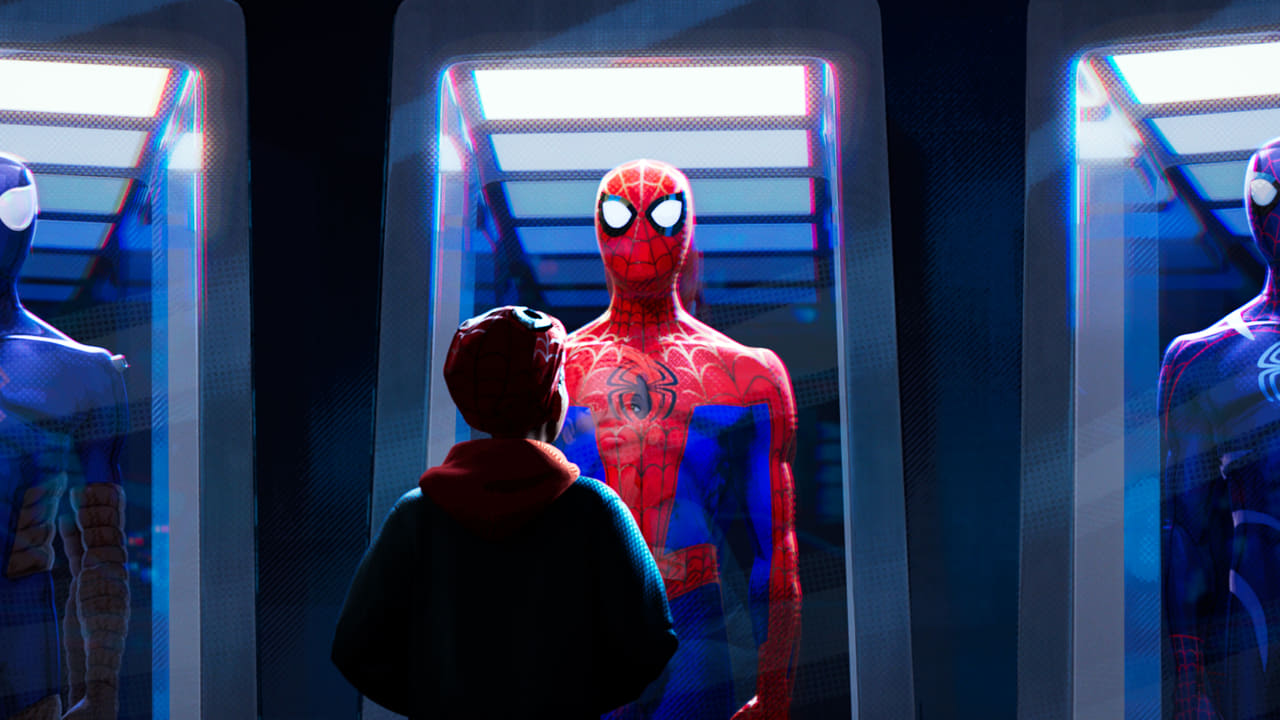
The action choreography is a masterclass in clarity. Despite having half a dozen Spider-people swinging through the frame during the climax at Kingpin’s collider, you never lose track of who is where. The "clutter" is intentional, creating a sense of scale that feels genuinely dangerous. Whether you’re a lifelong comic book nerd or someone who couldn't tell a web-shooter from a waffle iron, there’s a infectious joy here that’s impossible to resist. It’s a Popcornizer-approved reminder of why we go to the movies in the first place: to see something we’ve never seen before.
Spider-Man: Into the Spider-Verse isn't just a great "cartoon" or a solid superhero flick; it's a milestone in American animation. It challenged the industry to stop being so safe and started a visual revolution that we’re still seeing play out in films like Puss in Boots: The Last Wish and The Mitchells vs. the Machines. It’s funny, it’s heartbreaking, and it looks like nothing else on the planet. If you haven't seen it yet, find the biggest screen possible and dive in.
Keep Exploring...
-

Spider-Man: Across the Spider-Verse
2023
-
Captain America: Civil War
2016
-
Rogue One: A Star Wars Story
2016
-
Guardians of the Galaxy Vol. 2
2017
-
Thor: Ragnarok
2017
-
Avengers: Infinity War
2018
-

Black Panther
2018
-
Incredibles 2
2018
-
Ready Player One
2018
-
Avengers: Endgame
2019
-
Spider-Man: Far From Home
2019
-
Spider-Man: No Way Home
2021
-

Avatar: The Way of Water
2022
-
The Bad Guys
2022
-

Guardians of the Galaxy Vol. 3
2023
-
Everything Everywhere All at Once
2022
-
Godzilla vs. Kong
2021
-
Bumblebee
2018
-

Dragon Ball Super: Broly
2018
-
Mad Max: Fury Road
2015