Stan & Ollie
"The comedy is timeless. The clock is ticking."
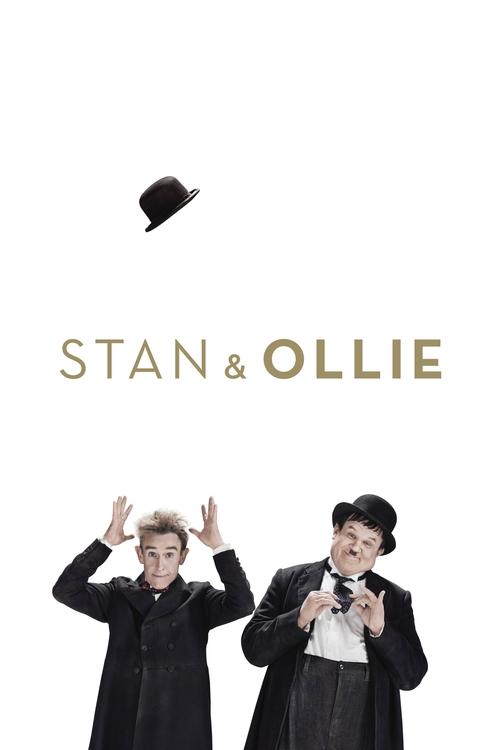
The 1937 opening of Stan & Ollie is a bit of a flex. It’s a long, sweeping tracking shot through the Hal Roach Studios, following the world’s most famous comedy duo from their dressing room, through the bustling backlot, and right onto the set of Way Out West. It’s glamorous, sunny, and full of the ego-stoking energy of men at the height of their powers. But the movie doesn’t stay there. It can't. It quickly jumps forward sixteen years to a gray, damp Britain where the sun has very much set on their empire.
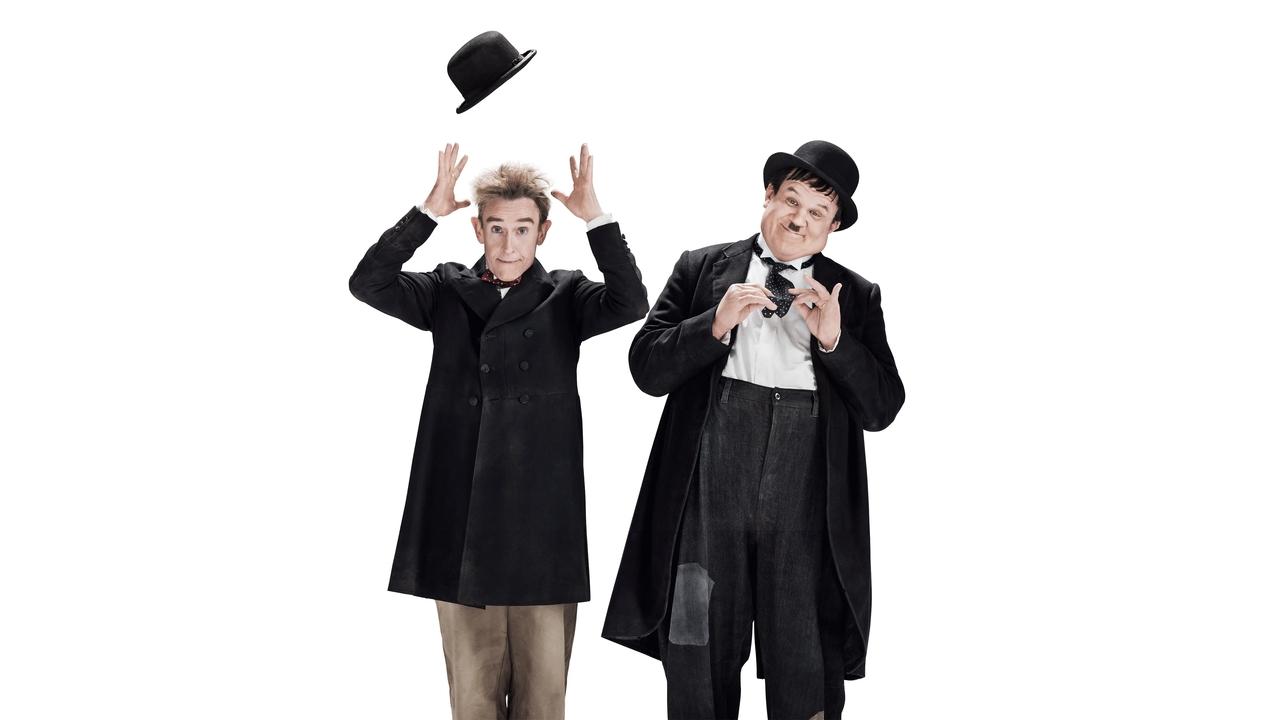
I watched this film on my laptop while a neighbor’s leaf blower provided a very unwelcome, non-diegetic drone for the first twenty minutes, and honestly, the irritation of that noise weirdly complemented the film’s opening act. There is a palpable sense of friction as Steve Coogan (playing Stanley "Stan" Laurel) and John C. Reilly (as Oliver "Ollie" Hardy) check into a mid-tier UK hotel that is a far cry from the Savoy. They are there to tour the variety halls, hoping a successful run will secure funding for a Robin Hood spoof that, deep down, Stan knows is never going to happen.
The Art of the Transformation
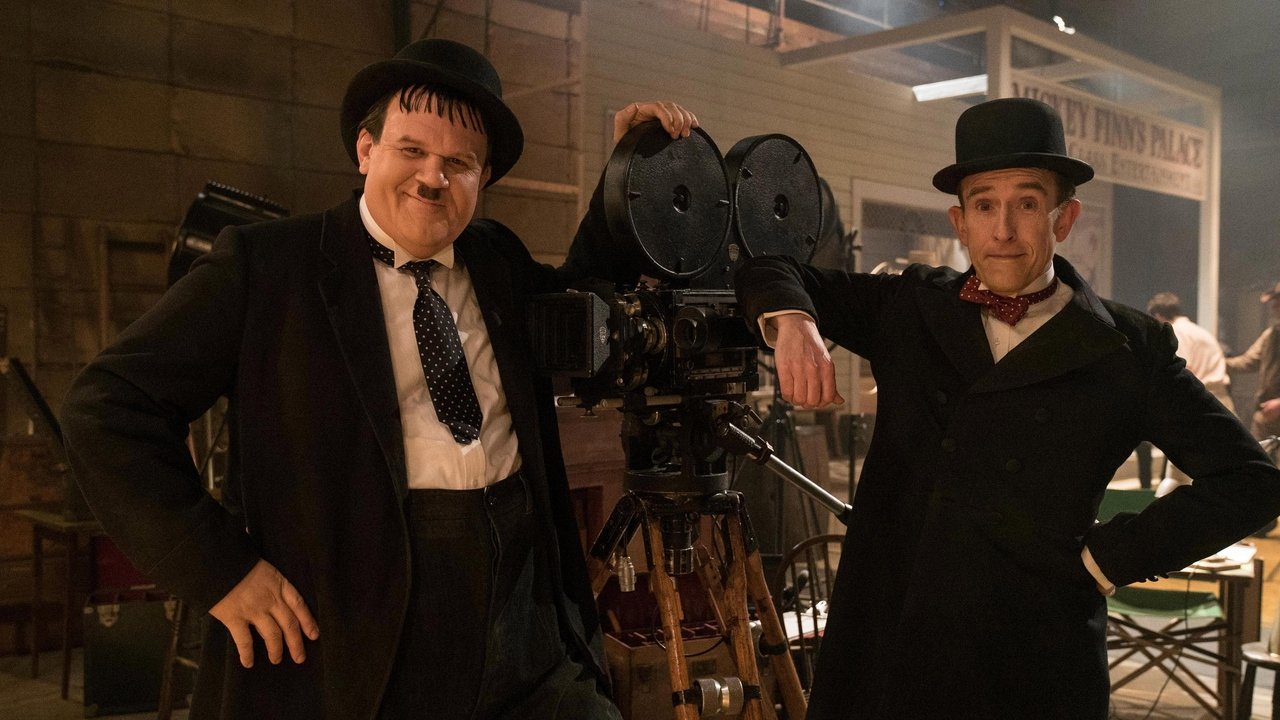
Biopics are often a trap for actors—a siren song of prosthetics and "Oscar-bait" impressions that frequently feel like hollow waxworks. John C. Reilly is under a mountain of "fat suit" appliances here, but you forget about the latex within five minutes. He captures Ollie’s peculiar mix of courtly Southern gentlemanliness and physical exhaustion. His eyes carry the weight of a man who knows his heart is failing but refuses to stop performing because, well, what else is there?
Then there’s Steve Coogan. We know he can do impressions (look at The Trip with Rob Brydon), but his Stan is a revelation of quiet obsession. He’s the brains of the operation, the man who stayed up all night rewriting gags while Ollie was at the track or on his third marriage. Stan Laurel was basically the Michael Jordan of comedy, but with more sadness and fewer sneakers. The chemistry between the two is effortless, recreating their iconic "Cuckoo Song" dance and double-takes with a precision that borders on the supernatural. Director Jon S. Baird (who previously gave us the chaotic Filth) shows remarkable restraint here, letting the camera linger on the quiet moments of resentment and love that exist in the silence between the jokes.
A Double Act of Double Acts
While the title suggests a two-man show, the film’s secret weapon is the arrival of the wives mid-tour. Shirley Henderson as Lucille Hardy and Nina Arianda as Ida Kitaeva Laurel are a formidable comedy team in their own right. Nina Arianda, in particular, nearly steals the movie as the fiercely protective, perpetually unimpressed Russian former actress.
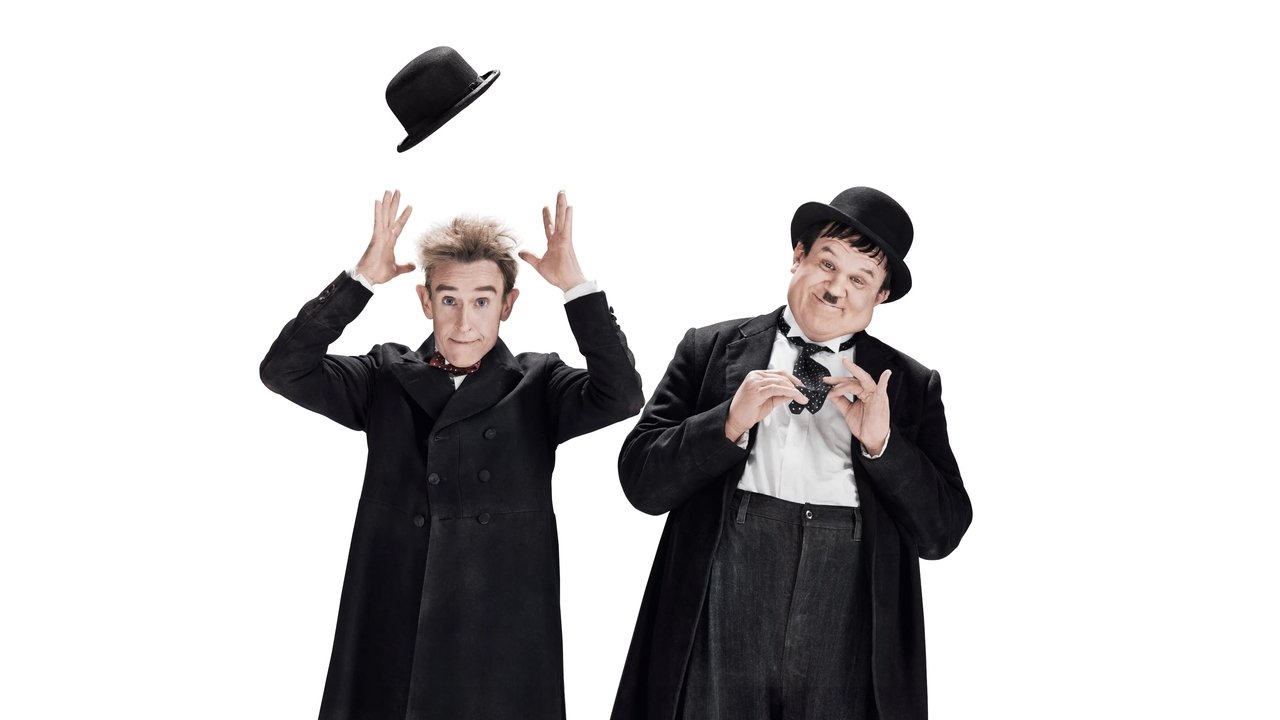
When the four of them are in a room together, the movie shifts from a melancholy drama into a sharp, witty observation of "work-marriages." The wives mirror the bickering and the codependency of their husbands, acting as both bodyguards and reality checks. It’s a reminder that even when the world stops looking at you, the people who actually love you are still there, usually complaining about the luggage.
Why This Story Matters Now
In an era of cinema dominated by the "Legacy Sequel" and the endless rehashing of IP, Stan & Ollie feels like a necessary counter-narrative. It was released in late 2018, right as the MCU was reaching its Infinity War fever pitch, and it predictably got lost in the shuffle. It didn't have a $200 million marketing budget or a post-credits scene teasing a Buster Keaton crossover. Instead, it’s a small-scale, human drama about what happens when the "IP" is just two aging men with bad knees.
The film engages with a very contemporary anxiety: the fear of becoming obsolete. We live in a digital culture where "relevance" is a currency that devalues faster than a used car. Watching Stan and Ollie perform to half-empty houses in the rain-slicked streets of Newcastle is heartbreaking because they are trying to maintain a dignity that the industry has already stripped from them. The movie is smart enough to show us the luggage—the literal and metaphorical weight of thirty years of baggage—rather than just the highlight reel.
The Beauty of the "Small" Movie
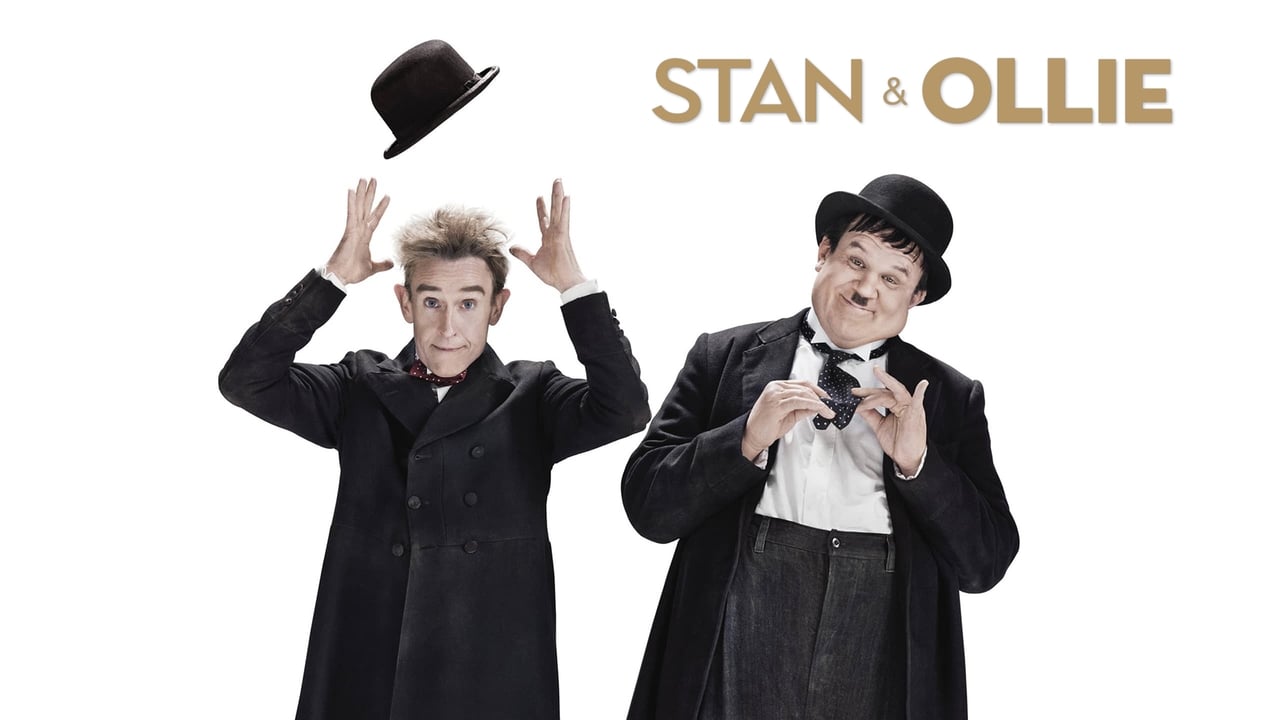
There’s a specific kind of grief in seeing a legend realize the world has moved on. Rufus Jones plays their promoter, Bernard Delfont, with a sliminess that feels all too familiar to anyone who has worked in a gig-economy world. He treats them like relics, a novelty act to be squeezed for a few more pounds before the next big thing arrives.
But Jon S. Baird doesn't let the film descend into pure misery. There is a profound joy in the craft. Whether they are performing a classic "messed up suitcase" routine at a train station or navigating a rickety stage, the film celebrates the work of being funny. It treats comedy as a sacred, difficult labor. By the time they reach the final leg of the tour, the box office numbers don’t matter. The film argues that their legacy isn't in the contracts they signed with Danny Huston's Hal Roach; it’s in the laughter of a couple of hundred people in a drafty theater in Ireland.
If you missed this during its brief theatrical run or skipped past it on a streaming menu while looking for something with more explosions, go back. It’s a beautifully shot, tenderly acted piece of history that avoids the "Greatest Hits" format of most biopics. It manages to be a tribute to the past without being blinded by nostalgia. It’s about the end of the road, sure, but it’s also about how much fun you can have while you're walking it. Even if your knees are shot and your partner is driving you crazy, there’s always time for one more dance.
Keep Exploring...
-
Filth
2013
-

Tetris
2023
-
Florence Foster Jenkins
2016
-
The Man Who Invented Christmas
2017
-

The Professor
2018
-
Anomalisa
2015
-
Dope
2015
-
The Dressmaker
2015
-

While We're Young
2015
-
My Life as a Zucchini
2016
-
Toni Erdmann
2016
-
Up for Love
2016
-
Whiskey Tango Foxtrot
2016
-
Battle of the Sexes
2017
-

Home Again
2017
-

The Meyerowitz Stories (New and Selected)
2017
-
Nothing to Hide
2018
-
The Old Man & the Gun
2018
-
Tully
2018
-
La Belle Époque
2019