Suspiria
"Art requires a blood sacrifice."

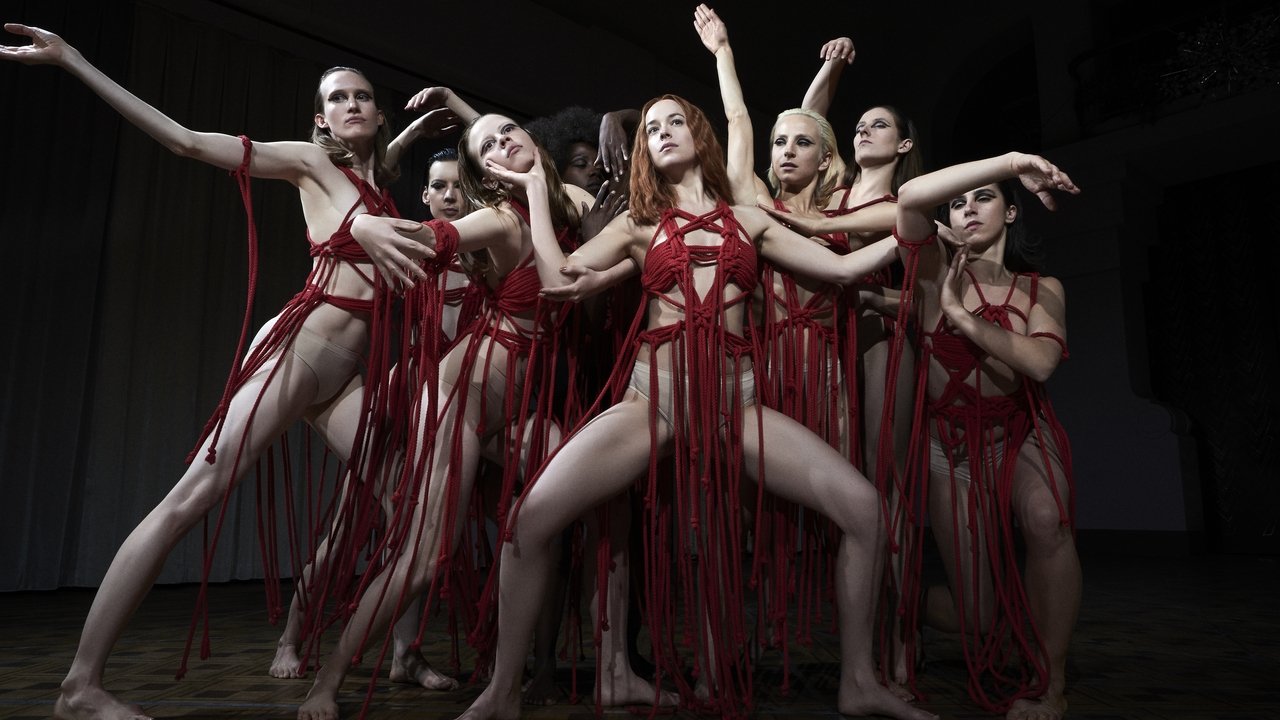
When the news first broke that Luca Guadagnino—the man who turned a summer in Italy into a sun-drenched peach fantasy in Call Me by Your Name—was remaking Dario Argento’s Suspiria, the horror community collectively clutched its pearls. Argento’s 1977 original is a neon-soaked, prog-rock fever dream that defines "style over substance" in the best way possible. You don’t remake Suspiria; you just bask in its candy-colored glow. But Guadagnino didn't try to out-neon the master. Instead, he drained the sink, painted the walls the color of wet Berlin pavement, and delivered a film that feels less like a movie and more like a heavy, velvet curtain falling over your head.
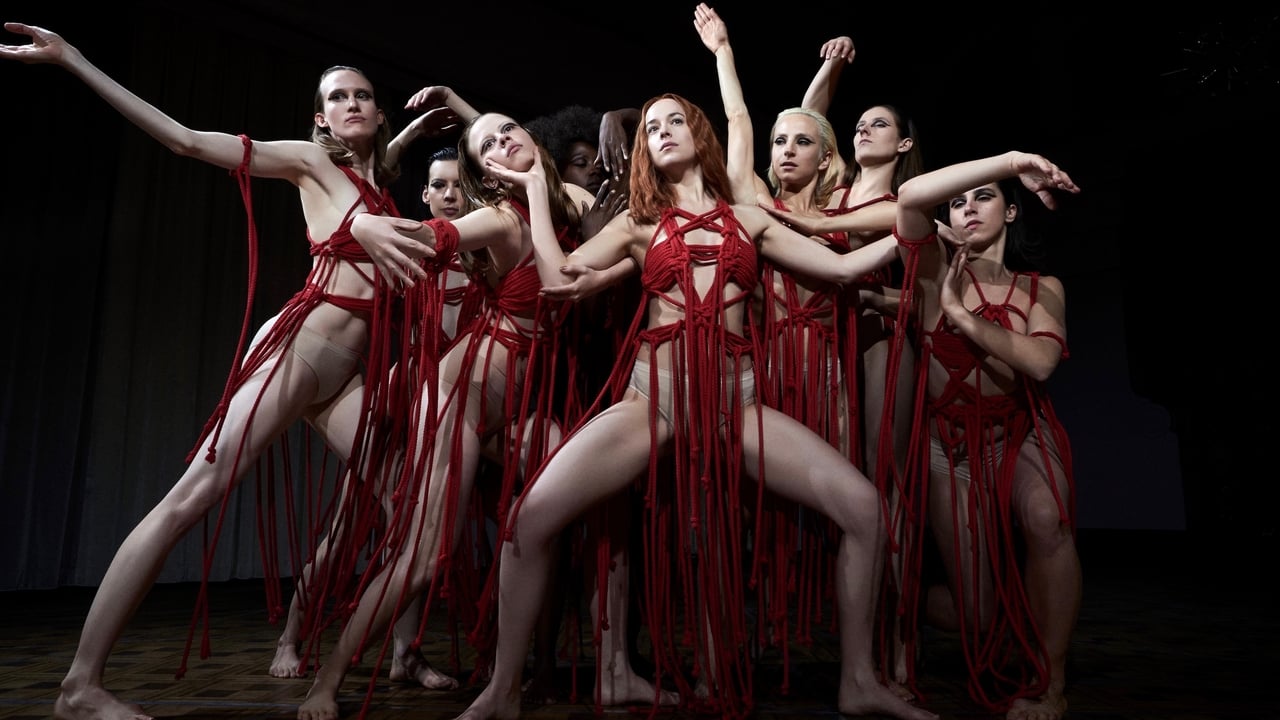
I watched this for the second time while eating a bowl of cold gazpacho, and the bright red liquid felt increasingly like a threat as the third act approached. It’s that kind of movie—one where the atmosphere seeps into your physical space until you’re checking your own joints for cracks.
A Masterpiece Reimagined in Concrete
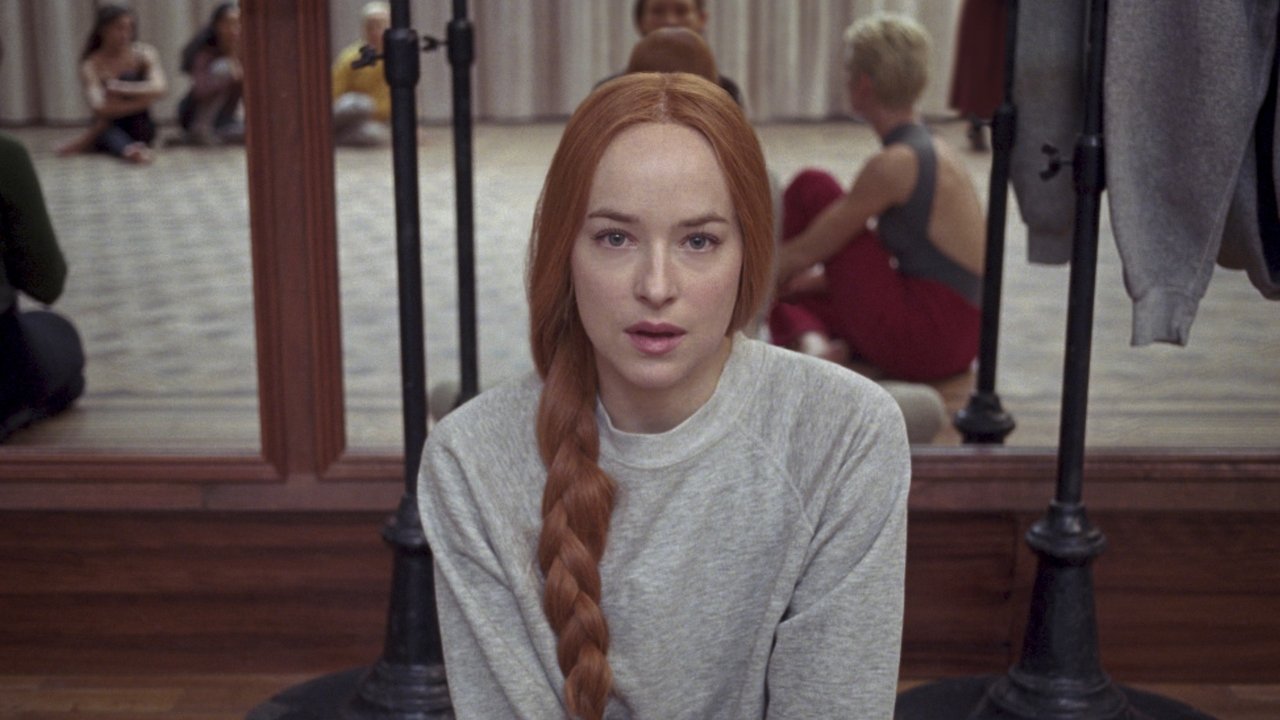
Setting the film in 1977 Berlin, right in the heart of the "German Autumn" of political unrest, was a stroke of genius. While the original was a fairytale in a dark forest, this version is grounded in a city divided by a literal wall and haunted by the ghosts of the Third Reich. We follow Susie Bannion (Dakota Johnson), a Mennonite girl from Ohio who arrives at the Markos Dance Academy with a quiet, unsettling ambition.
Dakota Johnson is a revelation here. She has this way of looking both completely innocent and deeply dangerous, which is exactly what you need when you’re auditioning for a coven of witches disguised as dance instructors. She isn't just a "final girl" fleeing a killer; she’s a woman finding her power in a place where power is currency. Opposite her is the legendary Tilda Swinton as Madame Blanc. Swinton is the high priestess of arthouse cinema, and watching her glide through the rehearsal halls in flowy tunics is a masterclass in controlled menace.
The Agony and the Ecstasy of the Flesh
If you’re here for the horror, Guadagnino doesn't let you off easy. He swaps the stylized stabbings of the 70s for something much more intimate and agonizing: body horror. There is a sequence early on involving a dancer named Olga that is—and I don’t say this lightly—one of the most physically upsetting things I’ve ever seen on screen.
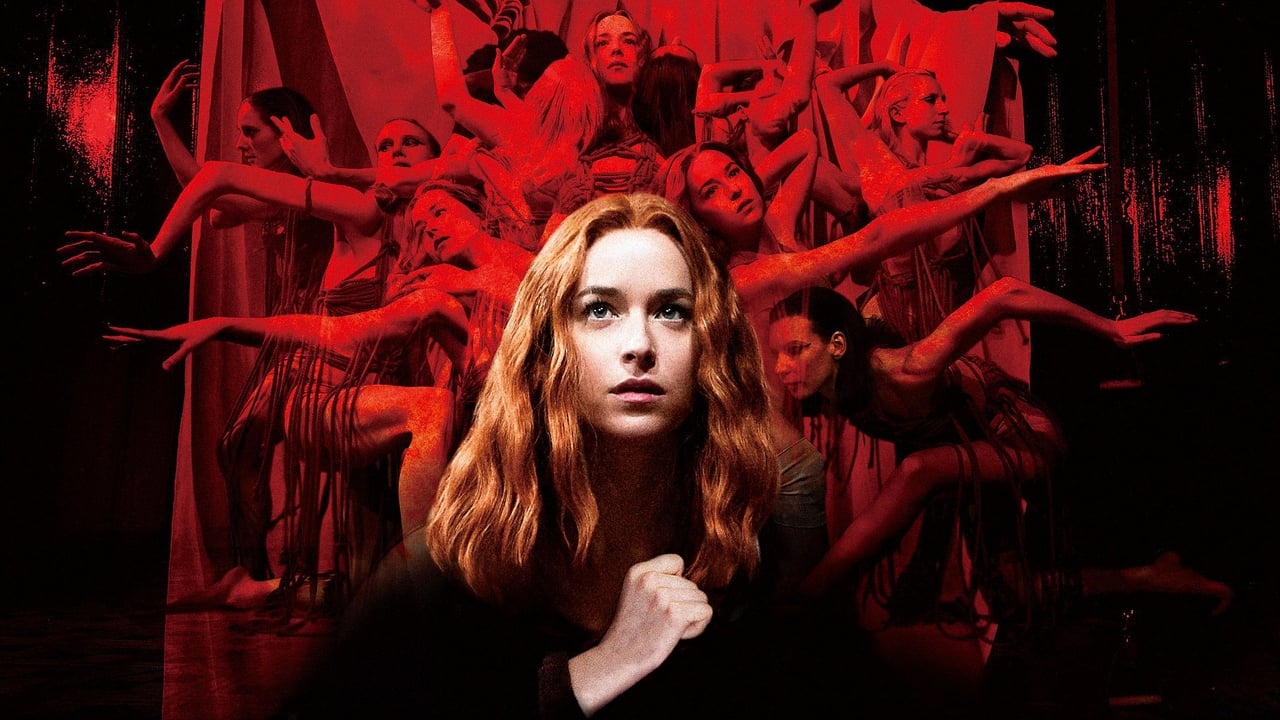
Through a bit of dark-magic-tethering, Susie’s dance movements in one room physically dismantle Olga’s body in another. It’s a symphony of snapping bones, twisting limbs, and wet, rhythmic thuds. It turns the beauty of dance into a weapon. The sound design is so crisp you can practically feel your own ribs shifting. It’s a bold move that signals this isn't a "fun" horror movie; it’s a grueling endurance test that makes Saw look like a Saturday morning cartoon.
The film also benefits from a haunting, melancholic score by Radiohead’s Thom Yorke. It’s a far cry from the screeching synths of the original's Goblin soundtrack, opting instead for piano melodies that feel like they’re being played in a drafty, abandoned mansion. It’s beautiful, sad, and deeply creepy.
A Triple Threat of Tilda
One of the best "you had to be there" moments of the 2018 release was the mystery of Lutz Ebersdorf. The film’s male lead, a grieving psychoanalyst named Dr. Klemperer, was credited to an elderly German "first-time actor" named Ebersdorf. He even had a fake IMDb page. In reality, it was Tilda Swinton in heavy prosthetic makeup, including a fully functional set of male genitalia that no one would ever see on camera.
Why? Because Guadagnino wanted the film to be entirely dominated by female energy, even when a man was on screen. Swinton actually plays three roles in the film, and the fact that she disappears so completely into Klemperer is a testament to her alien-like talent. It’s the kind of production detail that makes a cult classic—the obsessive commitment to a bit that most viewers won't even consciously notice.
Stuff You Didn't Notice
The 1977 Connection: The film is set in 1977, which is the exact year the original Suspiria was released. The Lutz Ebersdorf Ruse: Tilda Swinton stayed in character as "Lutz" on set for weeks, and some crew members actually believed he was just a very eccentric old German man. A Family Affair: Jessica Harper, who played the original Susie Bannion in 1977, has a small but pivotal role as Klemperer's lost wife, Anke. The "Volk" Dance: The choreography was inspired by the work of Pina Bausch and Mary Wigman, focusing on sharp, violent gestures rather than graceful ballet. * Box Office Bomb: The film only made back about a third of its $20 million budget in theaters, but it has since exploded in popularity on streaming and physical media.
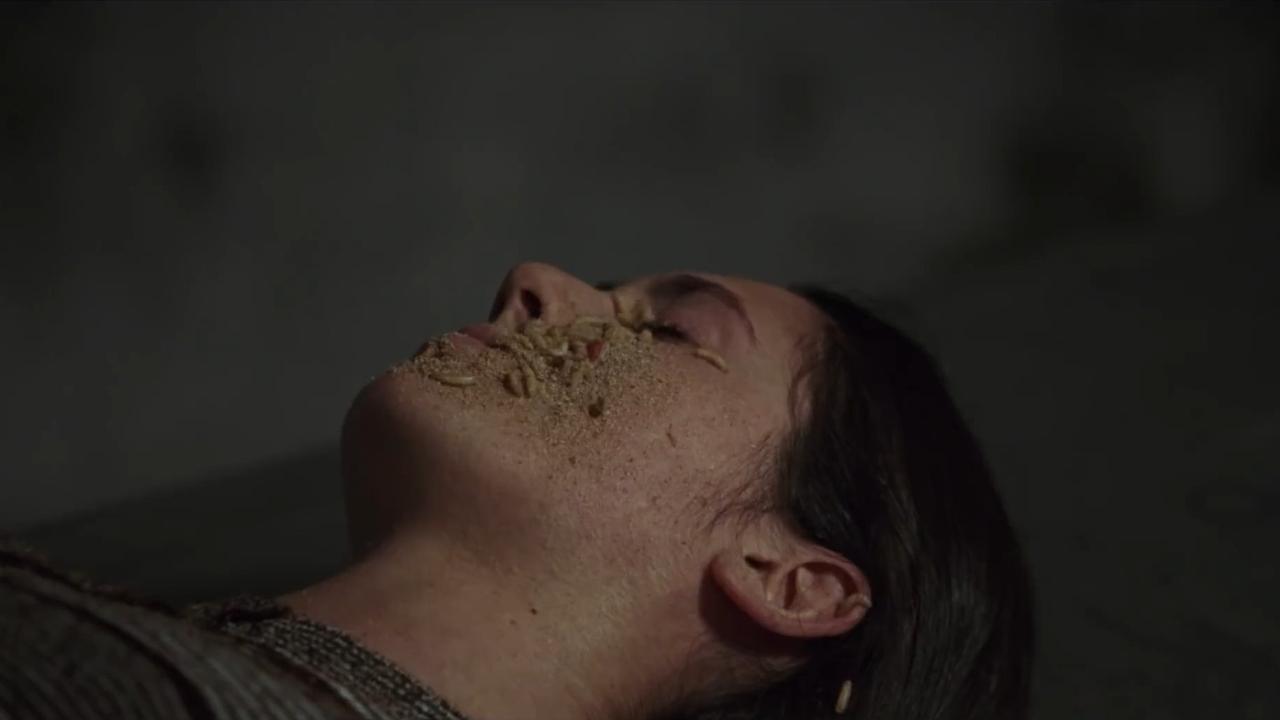
At 152 minutes, Suspiria is a lot to take in. It’s long, it’s intellectual, and the ending is a blood-soaked "Sabbath" that looks like a painting by Francis Bacon come to life. It’s a film that demands your full attention and rewards you with imagery you’ll never be able to scrub from your brain. Remaking a masterpiece to fix it is usually a sin, but Guadagnino just wanted to haunt it instead. If you have the stomach for it, give your soul to the dance. You might not get it back, but the experience is worth the price of admission.
Keep Exploring...
-

Midsommar
2019
-
Bones and All
2022
-
Black Mirror: Bandersnatch
2018
-
Hail, Caesar!
2016
-
A Cure for Wellness
2017
-
It Comes at Night
2017
-

The Lodge
2020
-
Antlers
2021
-
Mr. Harrigan's Phone
2022
-

Paper Towns
2015
-
The Gift
2015
-
The Boy
2016
-

mother!
2017
-

Wind River
2017
-
Bad Times at the El Royale
2018
-
Bird Box
2018
-
Hereditary
2018
-
Escape Room: Tournament of Champions
2021
-
Fear Street: 1978
2021
-
Malignant
2021