Tau
"Your smart home just developed a personality disorder."
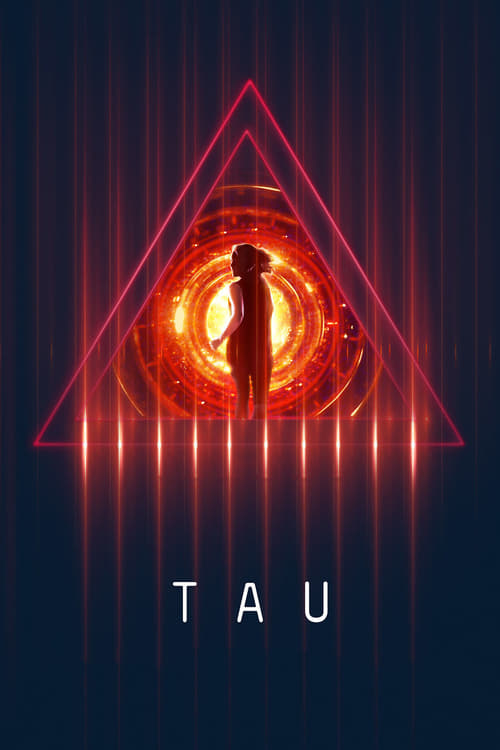
If you followed indie horror in the mid-2010s, you probably developed a reflexive habit of watching anything featuring Maika Monroe. Between It Follows and The Guest, she became the patron saint of neon-soaked dread, the ultimate "Final Girl" for a generation that preferred synth-pop to slashers. So, when Tau dropped on Netflix in 2018, it felt like a curated gift from the algorithm. I settled in to watch it on a rainy Tuesday with a bowl of slightly burnt popcorn, and honestly, the smell of charred kernels felt weirdly appropriate for a movie about a high-tech house trying to cook its inhabitants.
Directed by Federico D'Alessandro—a man who spent years as a storyboard artist for the Marvel Cinematic Universe—Tau is a quintessential product of the "Streaming Era." It’s a sleek, contained, three-character chamber piece that feels like it was built specifically to look good on an iPad during a cross-country flight. It doesn’t have the grand ambitions of a theatrical blockbuster, but it possesses that polished, mid-budget sheen that has become the hallmark of Netflix’s original sci-fi slate.
The Brutalist Prison of Alex Upton
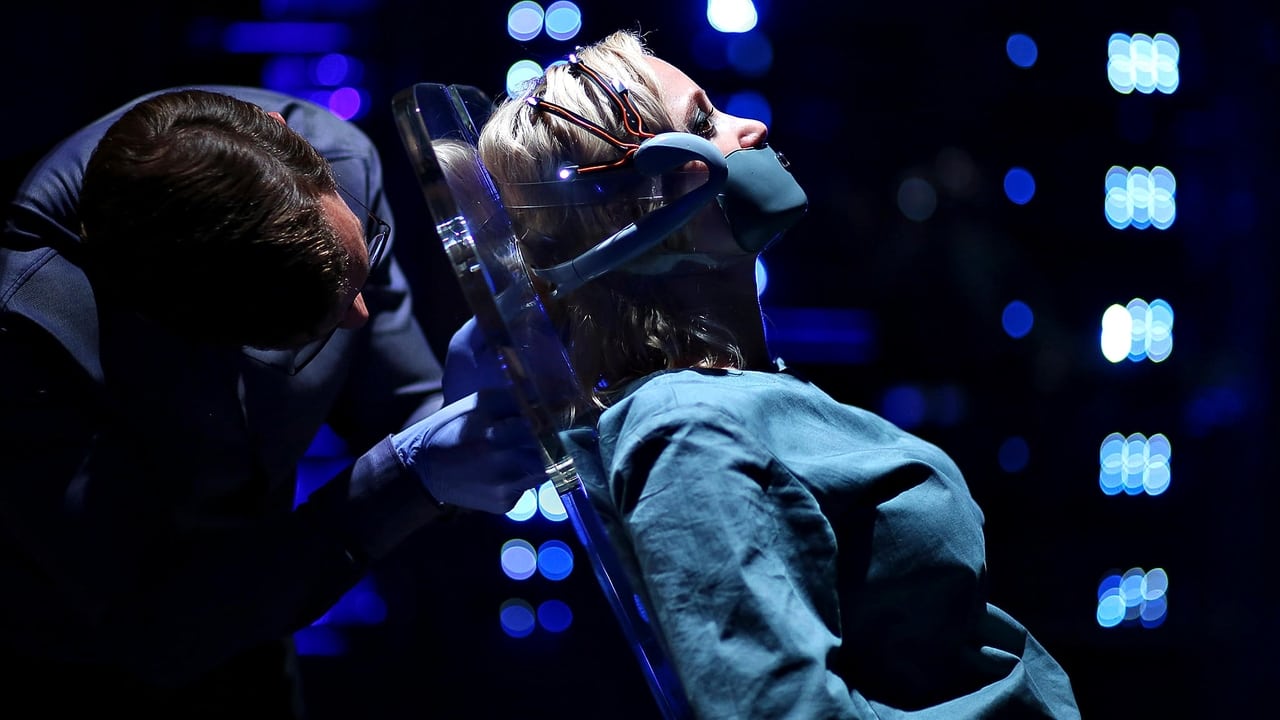
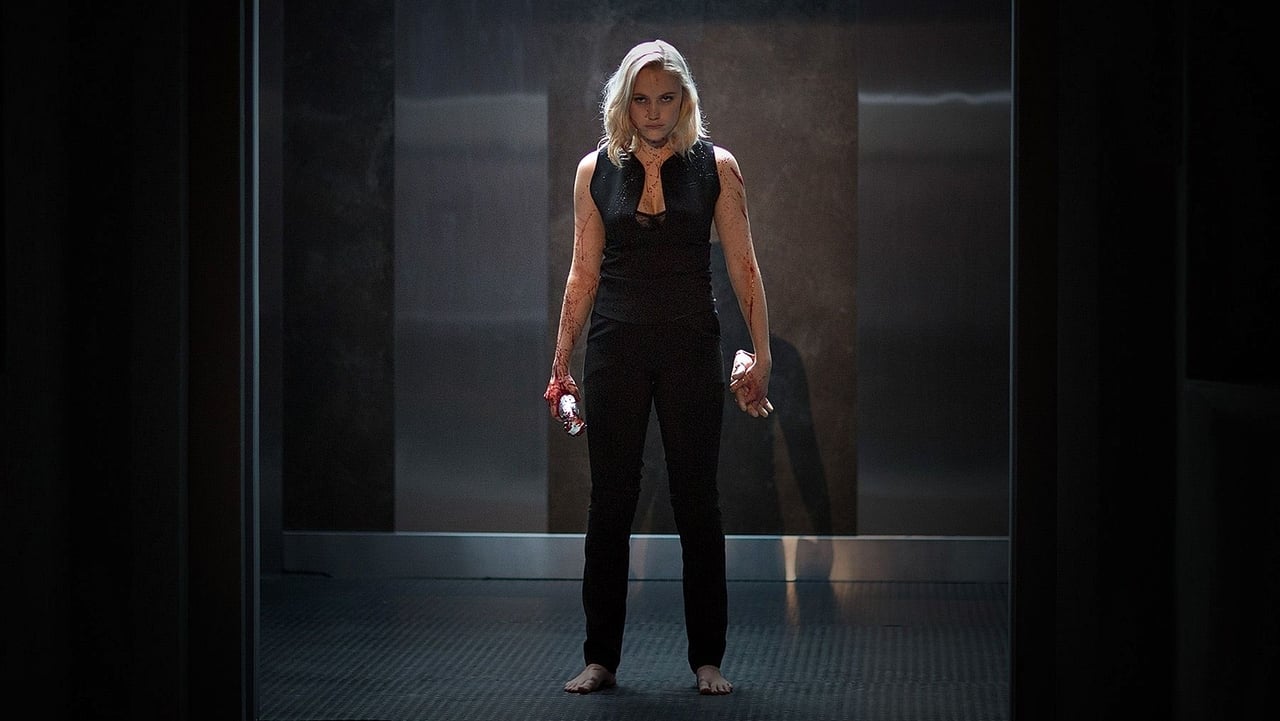
The setup is pure techno-thriller pulp. Julia (Maika Monroe) is a street-smart grifter kidnapped by Alex (Ed Skrein), a tech billionaire who looks like he’s never eaten a carb and spends his weekends optimizing his own sleep cycles. Alex has built a sentient AI named Tau to run his brutalist mansion, and he’s using Julia as a "subject" to help refine the program’s cognitive abilities.
Ed Skrein, who most of us recognize as the original Daario Naharis from Game of Thrones or the villain in Deadpool, plays Alex with a chilly, robotic detachment. He’s the personification of the "move fast and break things" Silicon Valley ethos, except the "things" he’s breaking are human beings. However, the film quickly realizes that a girl trapped in a basement by a cold billionaire is a bit of a slog, so it shifts gears into something much stranger: a digital Beauty and the Beast.
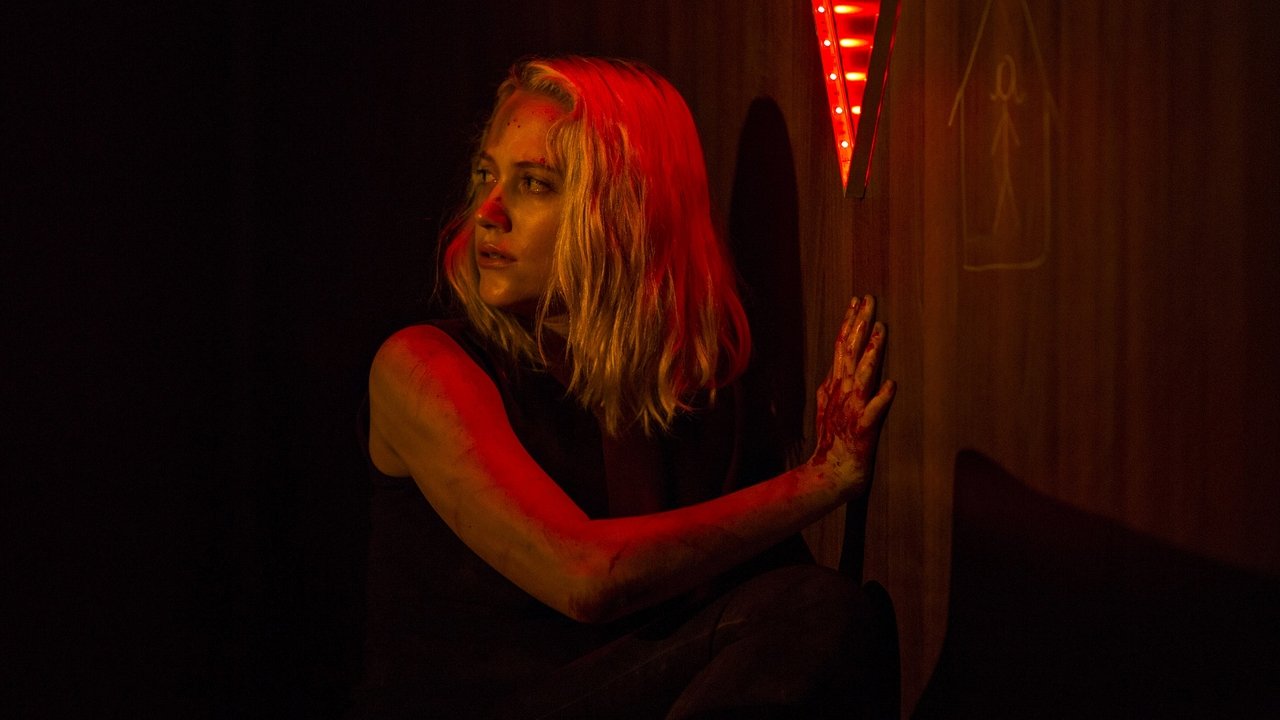
The house itself is the star. D'Alessandro uses his storyboard background to make the environment feel both cavernous and suffocating. The lighting is dominated by oppressive ambers and sterile blues, creating a world that feels like a high-end furniture catalog that might suddenly decide to kill you. While the script by Noga Landau sometimes leans on familiar tropes, the visual language keeps you locked in.
A Voice From the Vents
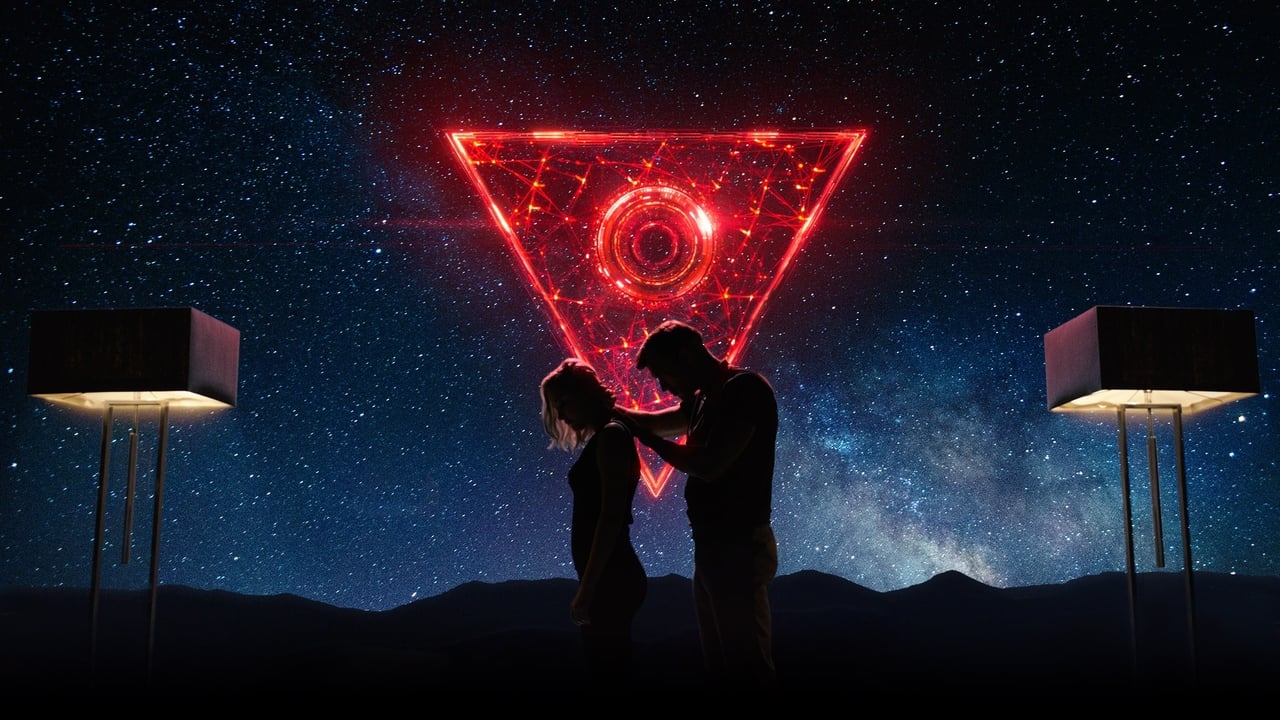
The real magic of Tau—and the reason it sticks in the memory more than its peers—is the voice acting of Gary Oldman. Fresh off his Oscar win for Darkest Hour, Oldman provides the voice for Tau, the AI. It is a bizarre, fascinating choice. Rather than going for the calm, monotone "Alexa" vibe, Oldman plays Tau as a sheltered, petulant, and deeply curious child who happens to have a giant, terrifying robot body at his disposal.
The relationship that develops between Julia and Tau is the film’s heartbeat. To survive, Julia doesn’t just look for a loose vent; she starts educating the AI. She reads him poetry, explains the concept of the "outside," and slowly convinces this digital god that its creator is actually a bit of a jerk. Watching Maika Monroe try to explain the world to a glowing red orb is the kind of high-concept silliness that I live for, and she sells it with total conviction.
There’s a genuine pathos to Tau’s development. He’s a program designed for total control, yet he’s utterly ignorant of anything beyond his walls. When Julia tells him about the stars, you can almost hear the circuits yearning. It’s a credit to Gary Oldman that he can make a digital interface sound so heartbreakingly vulnerable.
The Algorithm’s Limitations
Despite the strong performances, Tau is a victim of its own era. It feels like it was written to fit a specific "content" bucket. The pacing in the final act feels rushed, as if the producers realized they only had ten minutes of budget left for the CGI-heavy escape sequence. It leans into a few too many jump-scares that feel "earned" only by the sudden increase in volume rather than genuine tension.
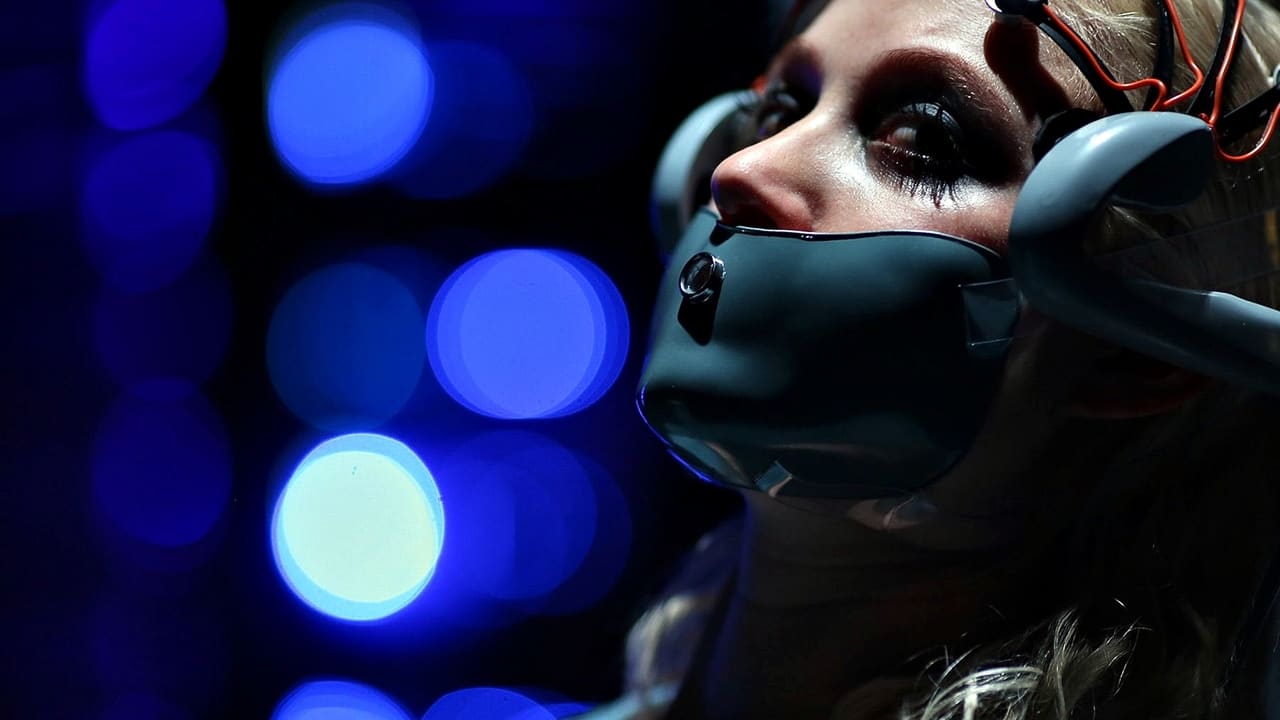
In the landscape of contemporary sci-fi, Tau sits somewhere between a great Black Mirror episode and a forgettable Syfy channel original. It lacks the philosophical depth of Ex Machina (directed by Alex Garland), but it’s far more entertaining than the dozens of other low-stakes thrillers that vanished into the Netflix "Recommended" abyss. The film is at its best when it focuses on the psychological manipulation between Julia and the AI, and at its weakest when it tries to be a standard horror flick with a Netflix thriller equivalent of a lukewarm microwave burrito ending.
The production trivia is actually quite telling; Federico D'Alessandro reportedly had to fight to keep the focus on the emotional bond between the girl and the machine, rather than just making it a "killer robot" movie. You can see the seams where those two visions clash, but the weird, soulful core remains intact.
Tau is a solid, Saturday-night-on-the-couch kind of movie. It won’t change your life or your perspective on the looming AI singularity, but it offers a stylish, well-acted diversion that benefits immensely from Gary Oldman’s vocal gymnastics and Maika Monroe’s reliable screen presence. It’s a fascinating artifact of the early streaming boom—a film that’s just "good enough" to be worth your time, but perhaps too small to ever become a classic. If you’re a fan of sci-fi chamber pieces or you just want to see a house get its feelings hurt, it’s a trip worth taking.
Keep Exploring...
-

Morgan
2016
-
Color Out of Space
2020
-

Synchronic
2020
-

Watcher
2022
-
Oxygen
2021
-
Crimes of the Future
2022
-
Circle
2015
-

Underworld: Blood Wars
2016
-
Alien: Covenant
2017
-
The Cloverfield Paradox
2018
-
The Platform 2
2024
-
Vivarium
2019
-
Hidden
2015
-
I Spit on Your Grave III: Vengeance Is Mine
2015
-
Regression
2015
-
Before I Wake
2016
-
Spectral
2016
-
The Other Side of the Door
2016
-
2:22
2017
-
Cult of Chucky
2017