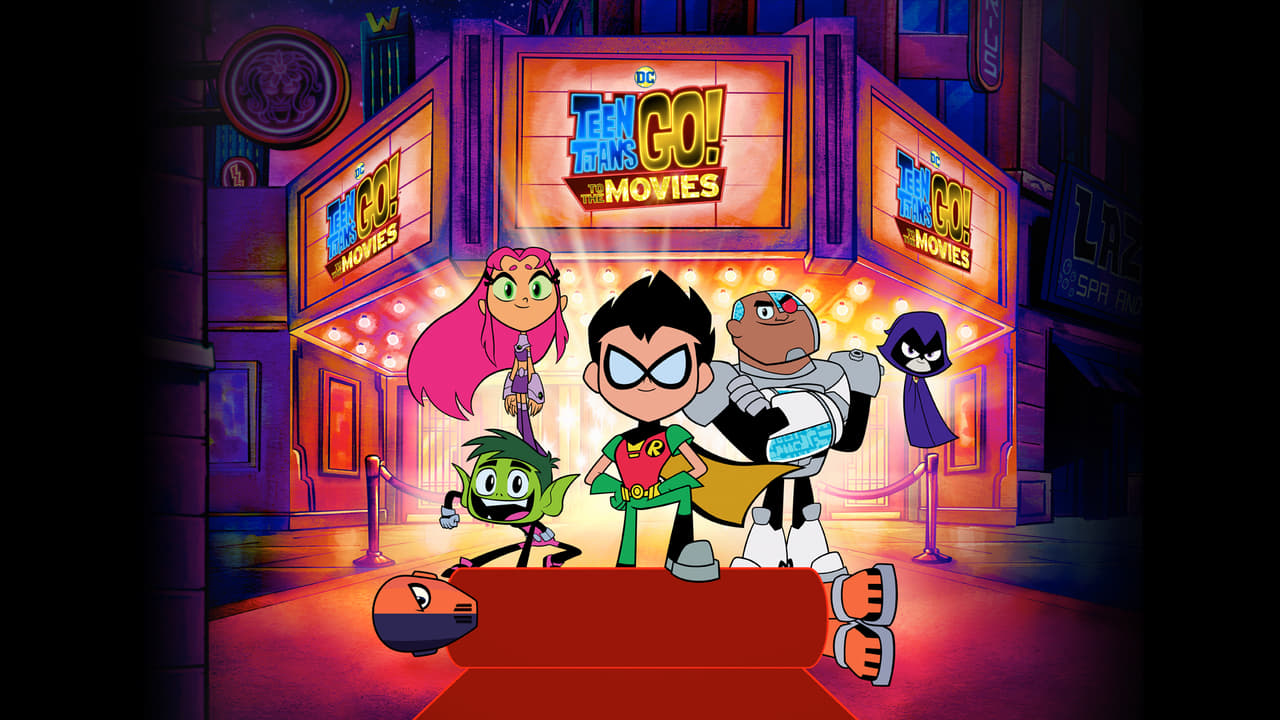
Teen Titans Go! To the Movies
"The superhero movie that actually hates superhero movies."
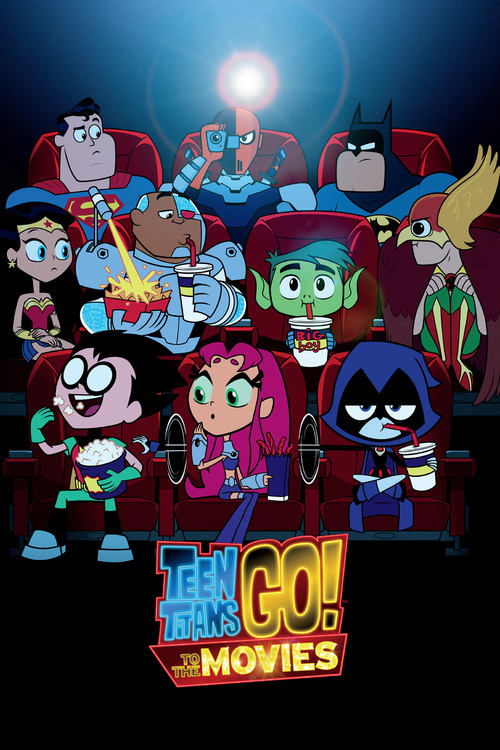
In the summer of 2018, the world was vibrating with the heavy metal thrum of Avengers: Infinity War. We were at the absolute peak of "Peak Superhero," a moment where every studio executive was frantically digging through the bargain bins of comic book history to find a character they could turn into a billion-dollar pillar of a shared universe. Then, along came five loudmouthed, waffle-obsessed teenagers to dump a bucket of neon-colored glitter over the entire self-serious enterprise.
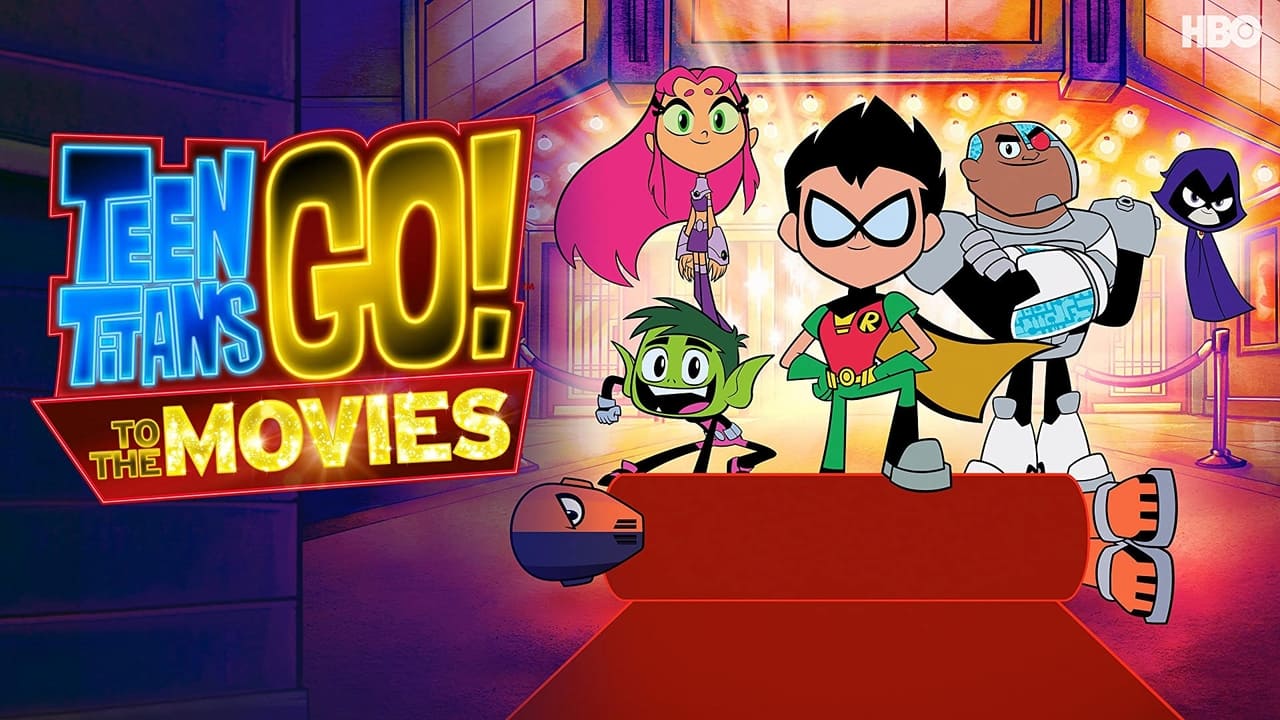
I watched this film in a half-empty theater on a Tuesday afternoon while wearing a sweater that was definitely too itchy for a ninety-degree July day, and I haven't been able to look at a serious cape-and-cowl drama the same way since. Teen Titans Go! To the Movies isn't just a spin-off of a divisive Cartoon Network show; it is a surgical strike against the concept of franchise saturation.
A Sledgehammer to the Fourth Wall
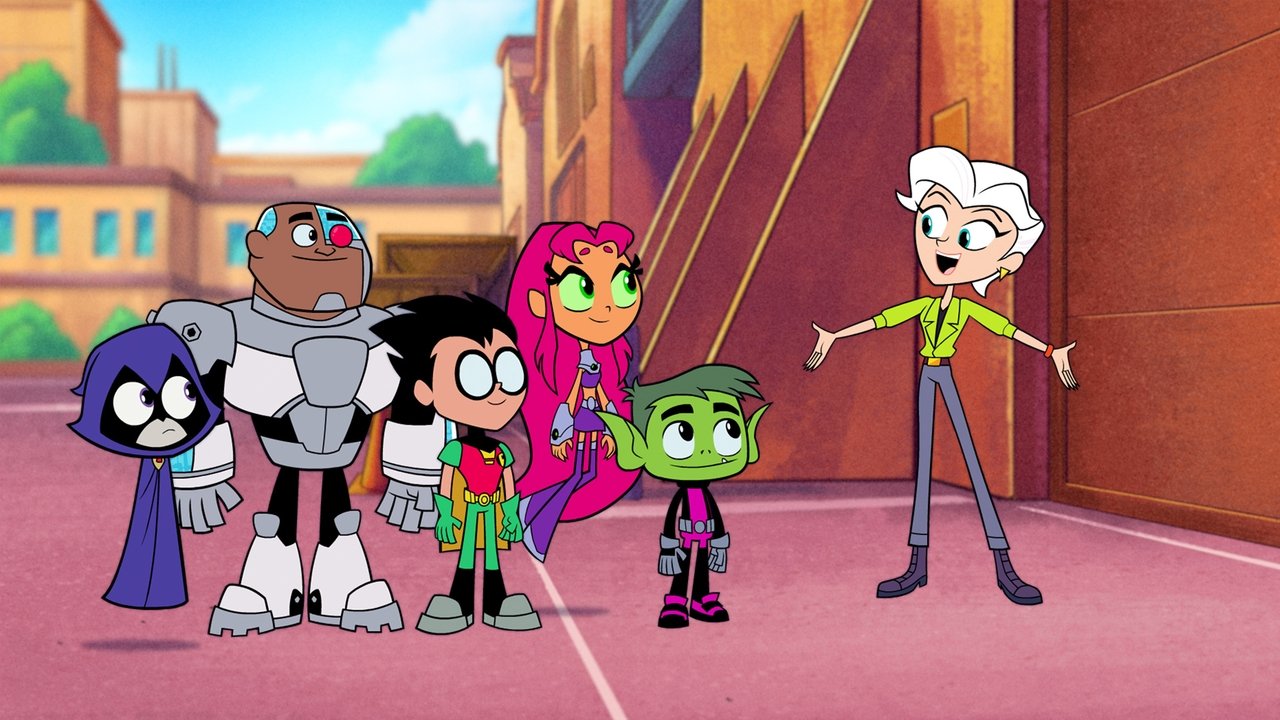
The premise is brilliantly petty. Robin, voiced with a hilarious, high-strung desperation by Scott Menville, realizes that every single hero in the DC stable—including Batman’s car and Alfred—is getting a solo movie. The Teen Titans, however, are viewed as a "goofball" joke. To be taken seriously, they decide they need a nemesis. Enter Slade, voiced by Will Arnett, who is essentially playing a more sinister version of his LEGO Batman.
What follows is a relentless barrage of meta-commentary that spares no one. It mocks the Marvel/DC rivalry, the Martha-gate from Batman v Superman, and even the very concept of the origin story. There’s a sequence involving the Titans traveling back in time to "un-do" the origins of the Justice League—preventing the destruction of Krypton and the murder of the Waynes—that is arguably the darkest comedy beat in the history of mainstream animation. It’s mean, it’s fast, and it’s deeply aware of the audience's fatigue with seeing pearls hit the pavement in a rainy alleyway for the thousandth time.
The film perfectly captures the current era’s obsession with "The Brand." In 2018, we were seeing the shift toward movies existing primarily as advertisements for the next movie. Directors Aaron Horvath and Peter Rida Michail lean into this cynicism with a grin. They know that in our current cultural moment, a hero isn't a hero unless they have a three-picture deal and a line of funko pops.
The Art of the Musical Face-Punch
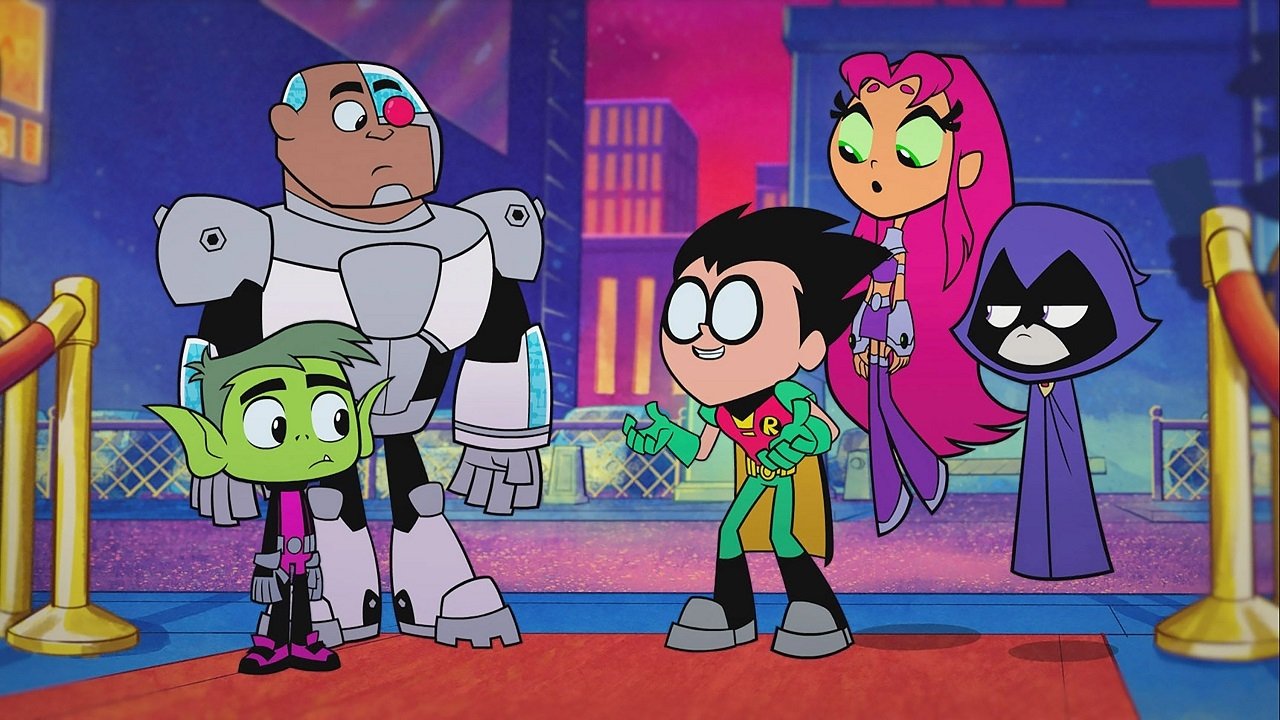
For a movie with a modest $10 million budget—which is basically the catering budget for an average MCU flick—the film looks fantastic. It maintains the flash-animated aesthetic of the show but polishes it to a cinematic sheen, allowing for action sequences that are more inventive than the CGI-slop finales we often see in live-action.
But the real secret weapon here is the music. "Upbeat Inspirational Song About Life," featuring Michael Bolton as a singing tiger, is a masterpiece of satirical songwriting. It captures that forced "you can do anything" optimism of modern animated features and turns it into a psychedelic fever dream. The score by Jared Faber keeps the energy at a frantic clip, ensuring the 84-minute runtime feels like a sprint.
The voice cast, most of whom have been playing these characters for fifteen years, are in top form. Hynden Walch (Starfire), Tara Strong (Raven), Khary Payton (Cyborg), and Greg Cipes (Beast Boy) have a chemistry that can’t be manufactured in a corporate boardroom. They feel like a real family—albeit a highly dysfunctional one that enjoys the smell of their own farts a little too much.
And we have to talk about the casting of Nicolas Cage as Superman. After the legendary collapse of the Superman Lives project in the 90s, seeing Cage finally voice the Man of Steel is the kind of deep-cut fan service that actually feels earned rather than cynical. It’s a nod to film history that fits perfectly within a movie about the industry’s internal machinery.
Why Obscurity Isn't an Option
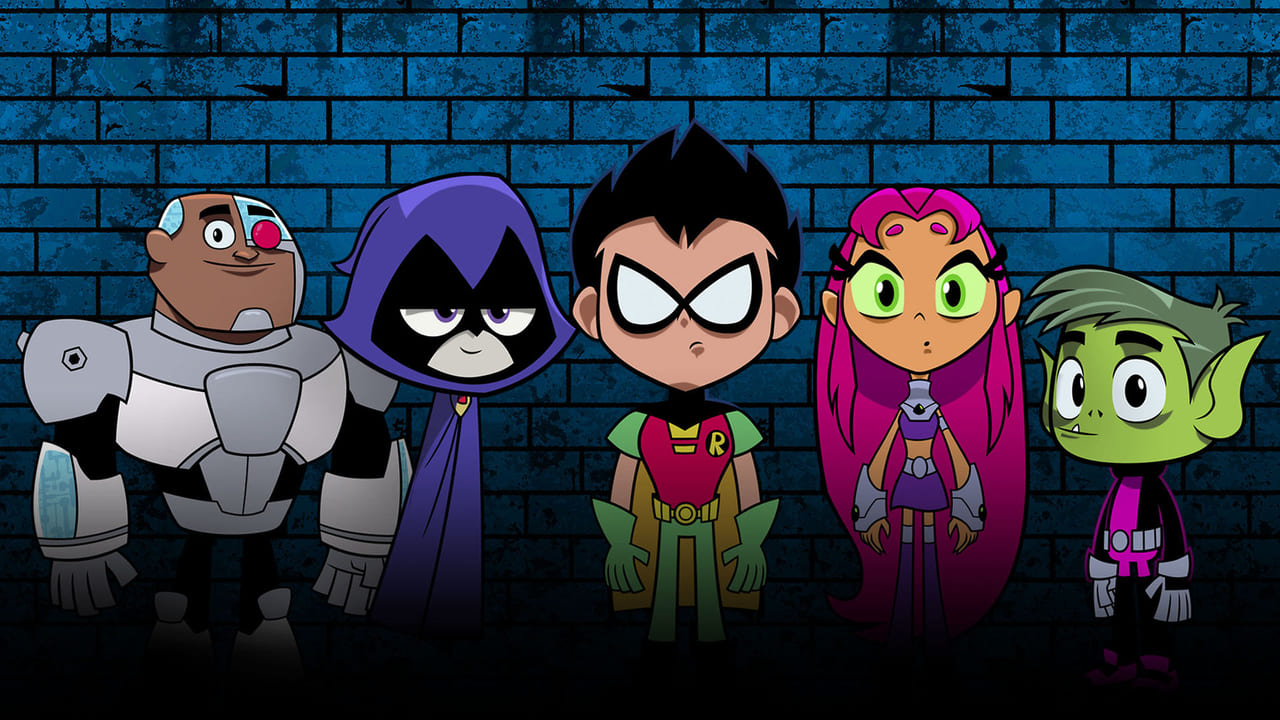
While the TV show on which this is based is often maligned by older fans for being "too silly" compared to the 2003 original, the movie deserves a spot on the shelf next to The LEGO Batman Movie and Spider-Man: Into the Spider-Verse. It represents the "self-aware" phase of contemporary cinema—the moment where the genre became so dominant that it started eating its own tail.
The film’s box office was solid, but it’s often overlooked in the "Best Superhero Movie" conversations because it wears a TV-Y7 badge. That’s a mistake. This movie is more punk rock than anything the DCEU has produced. It’s a film that looks the entire Hollywood machine in the eye and asks why we’re all taking people in spandex so seriously.
In an era of three-hour epics and "multiverse" confusion, there is something incredibly refreshing about a movie that just wants to make fun of Green Lantern and drop a few dozen poop jokes. It’s a reminder that cinema, even franchise cinema, should be allowed to be fun, irreverent, and occasionally, a total disaster for the characters involved.
If you’re feeling the weight of the endless "phases" and "cinematic universes" currently clogging your streaming queues, this is the perfect antidote. It’s a sharp, hilarious, and surprisingly tuneful middle finger to the status quo. It might not have the "prestige" of a brooding, dark reboot, but it has ten times the heart and a much better soundtrack. Put it on, ignore the itchy sweater of the real world, and enjoy the madness.
Keep Exploring...
-
Justice League vs. Teen Titans
2016
-
Teenage Mutant Ninja Turtles: Mutant Mayhem
2023
-
Captain Underpants: The First Epic Movie
2017
-
The Lego Ninjago Movie
2017
-
Ron's Gone Wrong
2021
-
DC League of Super-Pets
2022
-
Nimona
2023
-
The Super Mario Bros. Movie
2023
-
Boruto: Naruto the Movie
2015
-
The Lego Movie 2: The Second Part
2019
-
Osmosis Jones
2001
-
Home
2015
-

Kung Fu Panda 3
2016
-
Despicable Me 3
2017
-
Olaf's Frozen Adventure
2017
-
Thor: Ragnarok
2017
-
Spies in Disguise
2019
-
Sonic the Hedgehog
2020
-

Chip 'n Dale: Rescue Rangers
2022
-

Minions: The Rise of Gru
2022