Terrifier
"Pantomime has never been this painful."
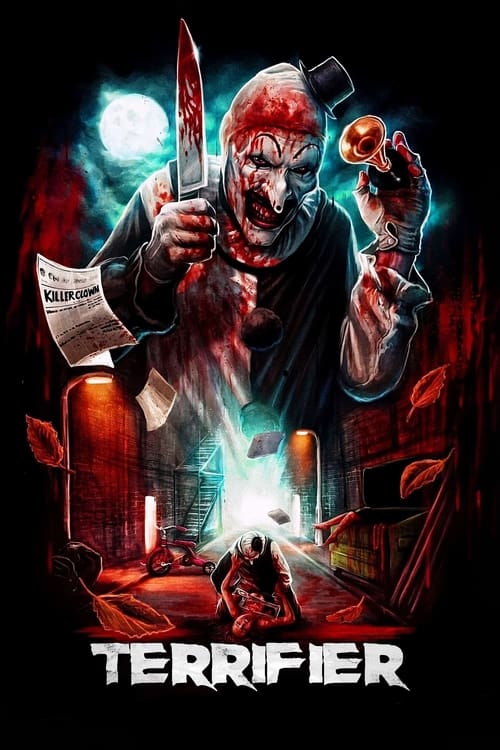
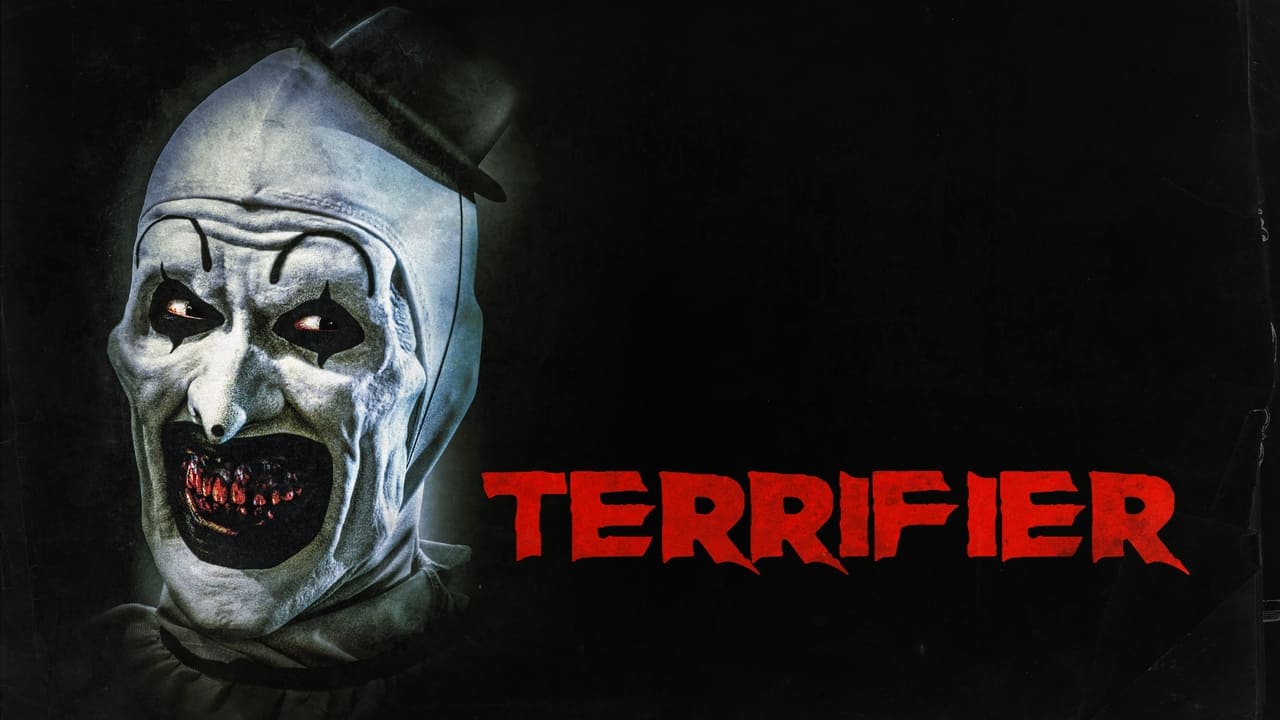
Art the Clown doesn't want your soul, your fear, or your respect—he just wants to see what you look like on the inside. Most modern horror villains feel like they’ve been focus-grouped into submission, designed to sell Funko Pops or represent some lofty metaphor for generational trauma. Not Art. He is a grimy, black-and-white throwback to a time when slasher movies were meant to make you feel like you needed a tetanus shot just for watching the screen.
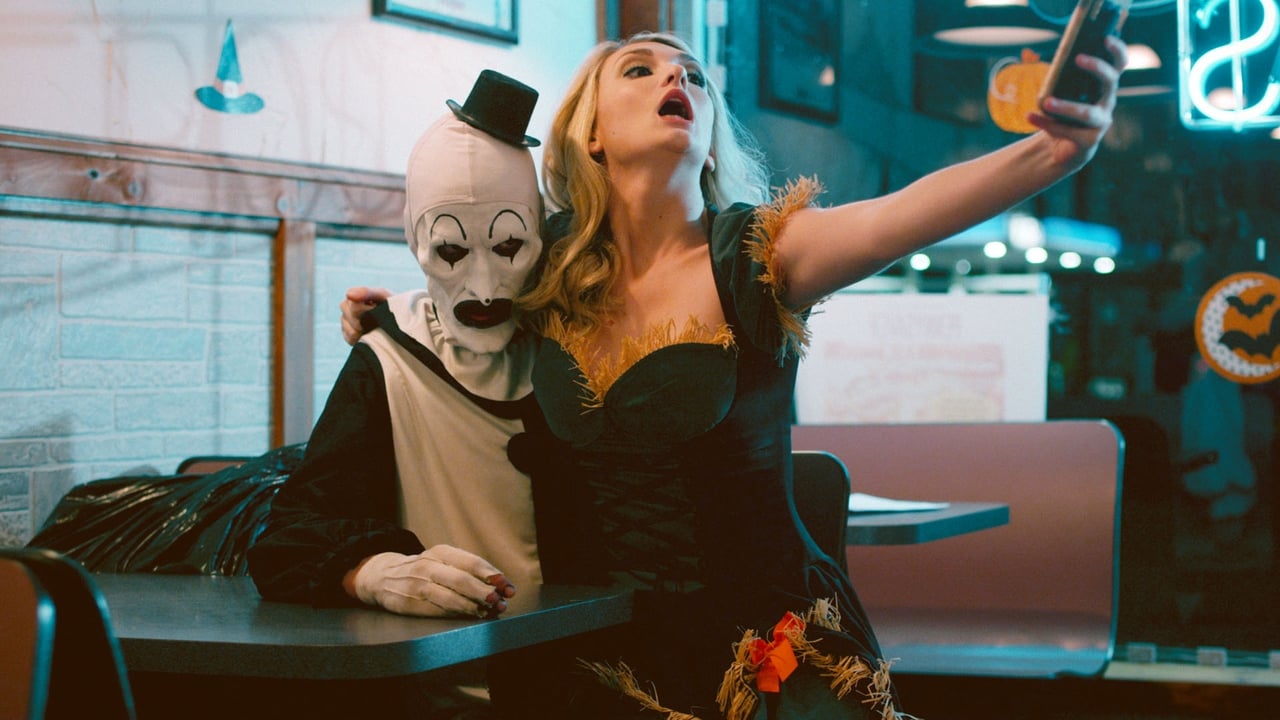
I sat down to watch this on a Tuesday night while my radiator was making a rhythmic clanking sound that perfectly synced up with Art’s footsteps, and I honestly couldn't finish my pepperoni pizza. There is something about the way the cheese glistened that felt way too close to the practical effects on screen.
The Mime of Our Nightmares
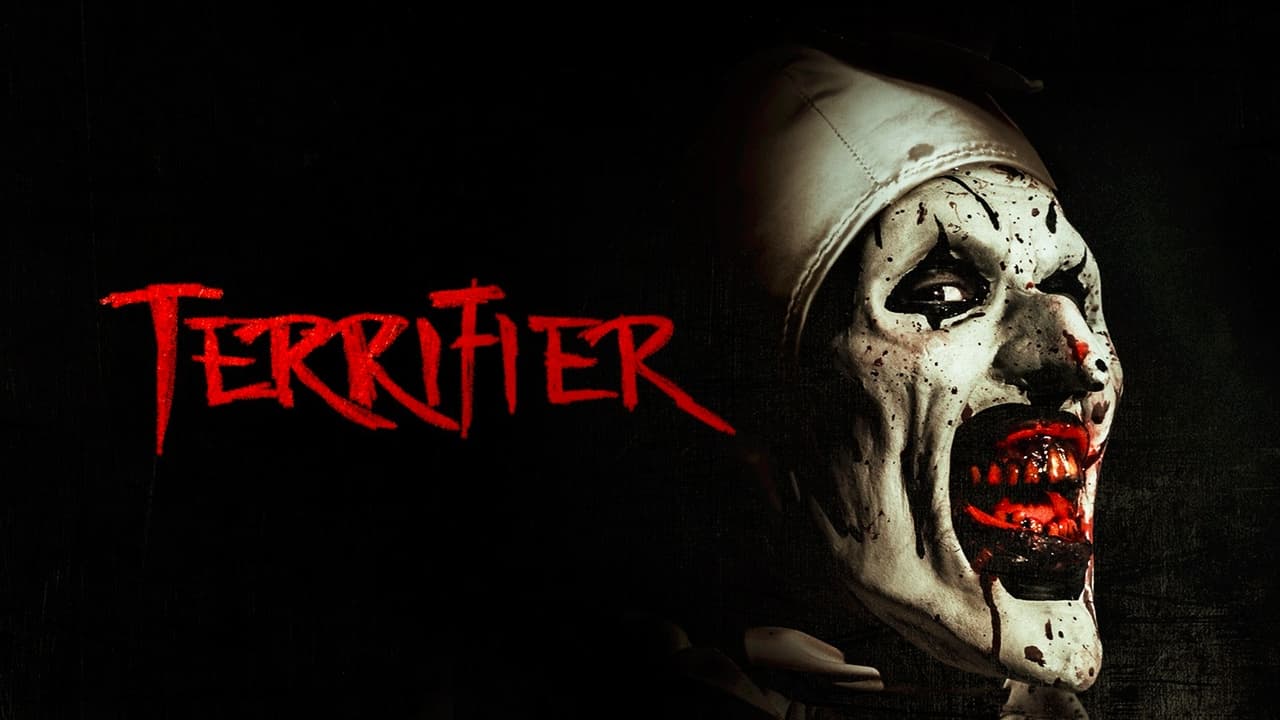
What makes Terrifier a genuine anomaly in the 2010s landscape is its lead performance. David Howard Thornton (who actually has a background in mime) steps into the oversized shoes previously worn by Mike Giannelli in the anthology All Hallows' Eve (2013), and he instantly claims the throne. Without uttering a single syllable, Thornton creates a character that is more expressive—and infinitely more terrifying—than any CGI-enhanced monster of the last decade.
Art is a silent prankster who finds genuine, giddy joy in the most atrocious acts imaginable. He doesn't just kill; he performs. Whether he’s wearing a woman’s scalp like a festive wig or honking a bicycle horn after committing a felony, Thornton’s physical comedy is what separates this from a standard "torture porn" flick. It’s that intersection of Buster Keaton and a snuff film that makes your skin crawl. He feels like a character who wandered off a 1920s silent film set and into a dumpster fire, and Terrifier makes most modern Blumhouse productions look like Saturday morning cartoons.
A $35,000 Miracle of Gore
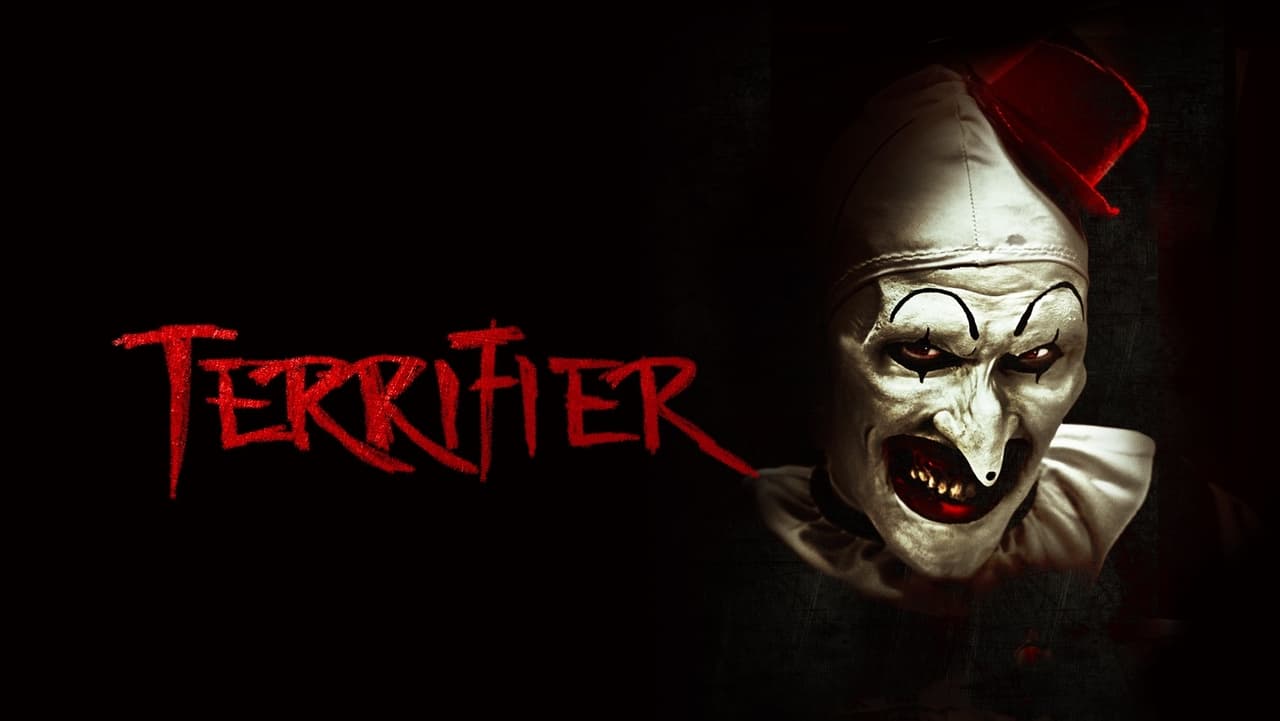
We live in an era where Disney spends $200 million on a movie and the CGI still looks like wet soap. Then comes Damien Leone, a man who essentially said, "Hold my beer," and produced a feature film for $35,000—roughly the price of a well-equipped Honda Civic. Leone didn't just direct and write the screenplay; he was the primary architect of the special makeup effects.
This is where the "Indie Gem" status really shines. Because there wasn't a studio committee demanding a PG-13 rating for maximum box office reach, Leone was free to be as depraved as he wanted. The practical effects here are legendary among gore-hounds, specifically a certain scene involving a hacksaw and a vertical orientation that I won’t spoil, but I will warn you: it’s the moment the movie stops being a fun slasher and starts being a test of your stomach's fortitude.
The low budget is apparent in the locations—lots of beige hallways and dimly lit basements—but it actually helps. The film feels claustrophobic and dirty. It lacks the polished, "safe" look of a Netflix original, leaning instead into a grainy, grindhouse aesthetic that feels dangerously authentic. It’s a testament to what a single visionary can do when they prioritize craft over commercial viability. Damien Leone isn't just a filmmaker; he’s a mad scientist of liquid latex.
Bucking the "Elevated" Trend
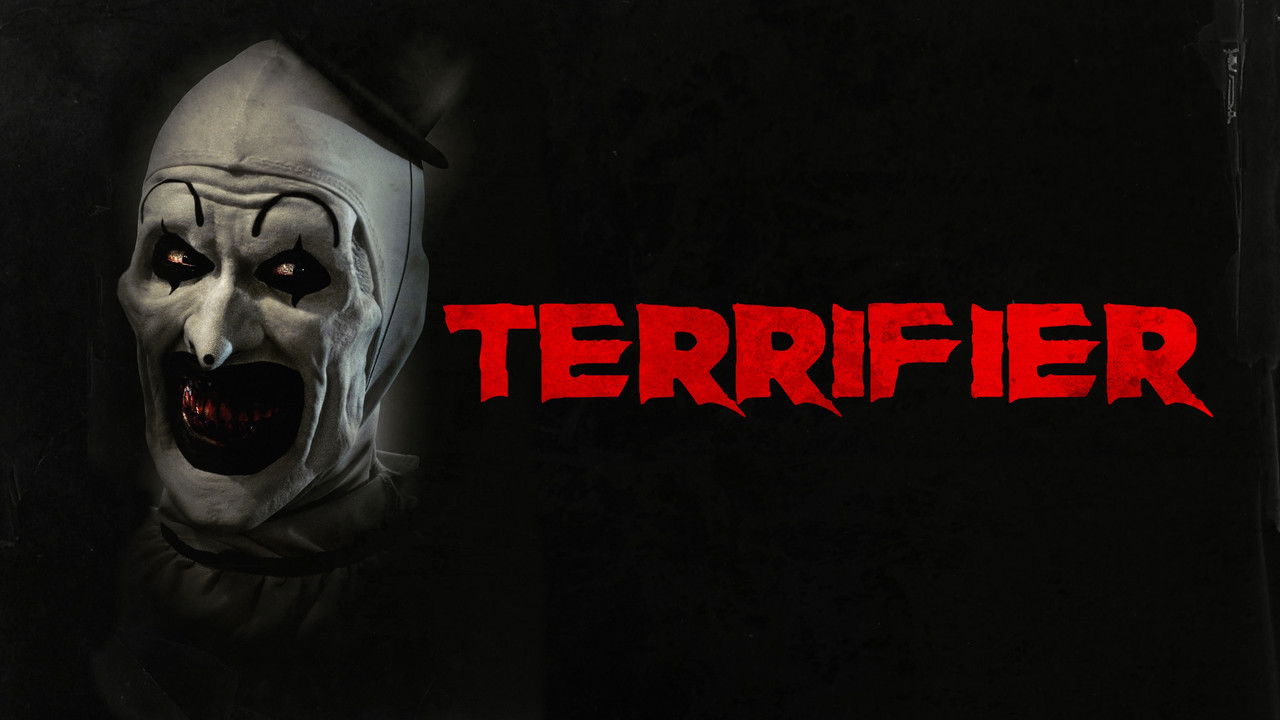
When Terrifier hit the scene in 2018, the horror world was obsessed with "elevated horror." Everything had to be a "meditation" on something. While I love a good A24 spook-fest as much as the next guy, there was a massive, Art-shaped hole in the genre for something that was just... mean.
The plot is thinner than the spandex on a superhero: Tara (Jenna Kanell) and Dawn (Catherine Corcoran) are just trying to get home after a Halloween party when they encounter the wrong clown. That’s it. That’s the movie. There are no hidden messages about the social media age, no deep dives into the girls' childhoods. It’s a pure survival horror that eventually turns into a showcase for Samantha Scaffidi, who plays Victoria with a level of desperation that feels surprisingly grounded for a movie about a supernatural mime.
The film's success is a direct result of the current digital era. It didn't need a multi-million dollar marketing campaign; it needed a few viral clips of Art being a weirdo and a dedicated fanbase on social media to propel it into a franchise. It proved that in the streaming age, a strong, iconic character design is worth more than a dozen generic trailers. Art the Clown is the first truly iconic slasher created in the 21st century, standing tall alongside Freddy and Jason without ever having to say a word.
Terrifier is a polarizing, ugly, and relentlessly brutal piece of independent cinema that succeeds entirely on the strength of its lead performance and its DIY spirit. It isn't for everyone—if you have a low tolerance for extreme gore, stay far, far away—but for those of us who miss the days of practical effects and unapologetic genre filmmaking, it’s a breath of fresh, albeit blood-scented, air. It’s the ultimate "guerrilla" success story of the modern era, proving that you don't need a massive budget to create a nightmare that sticks with people long after the credits roll. Just a clown suit, some trash bags, and a very dark imagination.