The Cloverfield Paradox
"The mystery box just got a lot bigger."
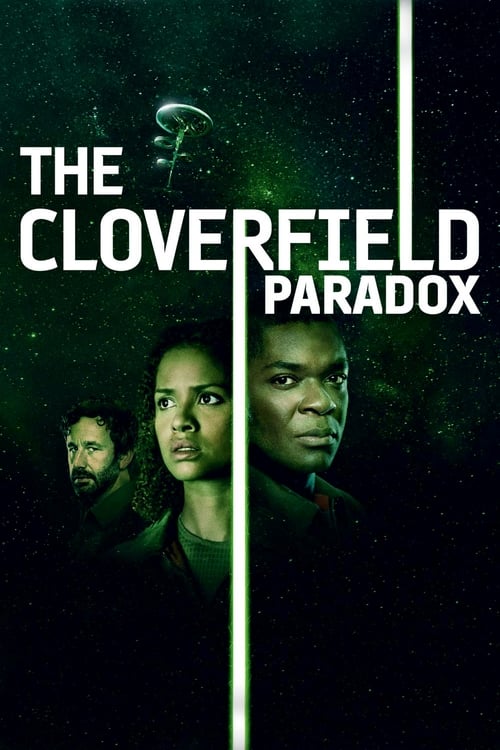
I distinctly remember where I was during the 2018 Super Bowl. I wasn’t particularly invested in the game—I think the Eagles were playing?—but I was very invested in the buffalo chicken dip my friend Sarah had made. Then, a trailer flickered across the screen. It was a new Cloverfield movie. The kicker? It would be available on Netflix the moment the game ended. My jaw dropped, partially because of the audacity of the marketing and partially because a piece of celery fell out.

That "surprise drop" was a watershed moment for the streaming era. It was J.J. Abrams and Paramount essentially saying, "Theatrical windows are for suckers; we’re going straight to your living room tonight." It felt like an event. It felt like the future of cinema. Unfortunately, once the game ended and I fired up the app while wearing a slightly itchy wool sweater that I still haven't thrown away, the "event" turned out to be a bit of a cosmic muddle.
The God Particle in a Cloverfield Box
To understand The Cloverfield Paradox, you have to understand its DNA. Originally titled God Particle, the script by Oren Uziel was a standalone sci-fi thriller that got "Cloverfield-ed" during production. This was a recurring theme in the late 2010s—taking original mid-budget scripts and slapping a franchise coat of paint on them to ensure they didn’t drown in the sea of superhero content.
The setup is classic sci-fi: Earth is dying of an energy crisis. A crew of international scientists, led by David Oyelowo (who also starred in Interstellar) and Gugu Mbatha-Raw, are aboard a space station testing a particle accelerator that could save the world or, you know, rip a hole in reality. Naturally, they go with option B.
When the machine fires, the Earth literally vanishes from their view. What follows is a descent into "what the hell is happening?" horror. They find a woman, Elizabeth Debicki (shout out to her incredible work in Widow), fused inside the ship’s wiring. Chris O'Dowd, usually the comedic relief, loses an arm to a wall—and the arm starts wandering around on its own like a sentient pasta noodle. It’s weird, it’s gross, and for about forty minutes, it’s actually quite fun.
A Cast Doing Heavy Lifting
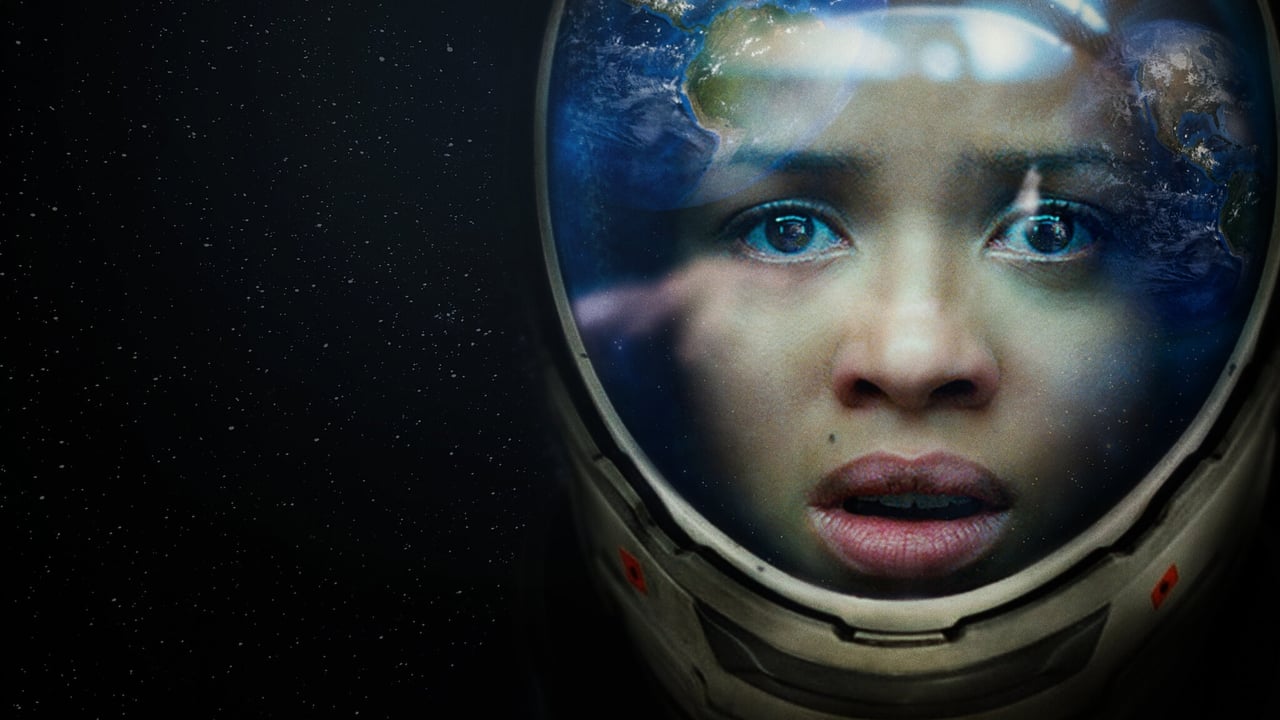
If this movie didn't have such an overqualified cast, it probably would have drifted into the abyss of forgotten digital content. Gugu Mbatha-Raw is the emotional anchor as Ava Hamilton. She’s mourning a personal tragedy involving her children, and the plot gives her a heartbreaking choice: stay in an alternate reality where her kids are alive or return to her dying world. It’s a heavy performance for a movie where a severed arm writes clues with a sharpie.
Then there’s Daniel Brühl, whom I always love to see (he was fantastic in Rush and Inglourious Basterds). He plays Schmidt, the resident "is he a traitor or just German?" archetype. The chemistry between the crew is palpable, which makes it all the more frustrating when the script starts throwing "Cloverfield" lore at them like a kid throwing rocks at a window.
The horror elements are effective in a vacuum. Director Julius Onah (who later did the excellent Luce) creates a claustrophobic, high-tension atmosphere. There’s a specific scene involving a pressurized chamber and a lot of worms that genuinely made me squirm. But the film suffers from a split personality. It wants to be a high-concept psychological horror about grief and dimensions, but it keeps having to cut back to Earth to show John Ortiz watching giant monsters stomp around, just so we don't forget it's a Cloverfield movie. The film is essentially a high-budget episode of 'The Outer Limits' that accidentally crashed into a franchise.
Stuff You Didn't Notice
One of the reasons The Cloverfield Paradox has achieved a sort of cult status among sci-fi nerds is the sheer strangeness of its production. Here are a few things that happened behind the scenes:
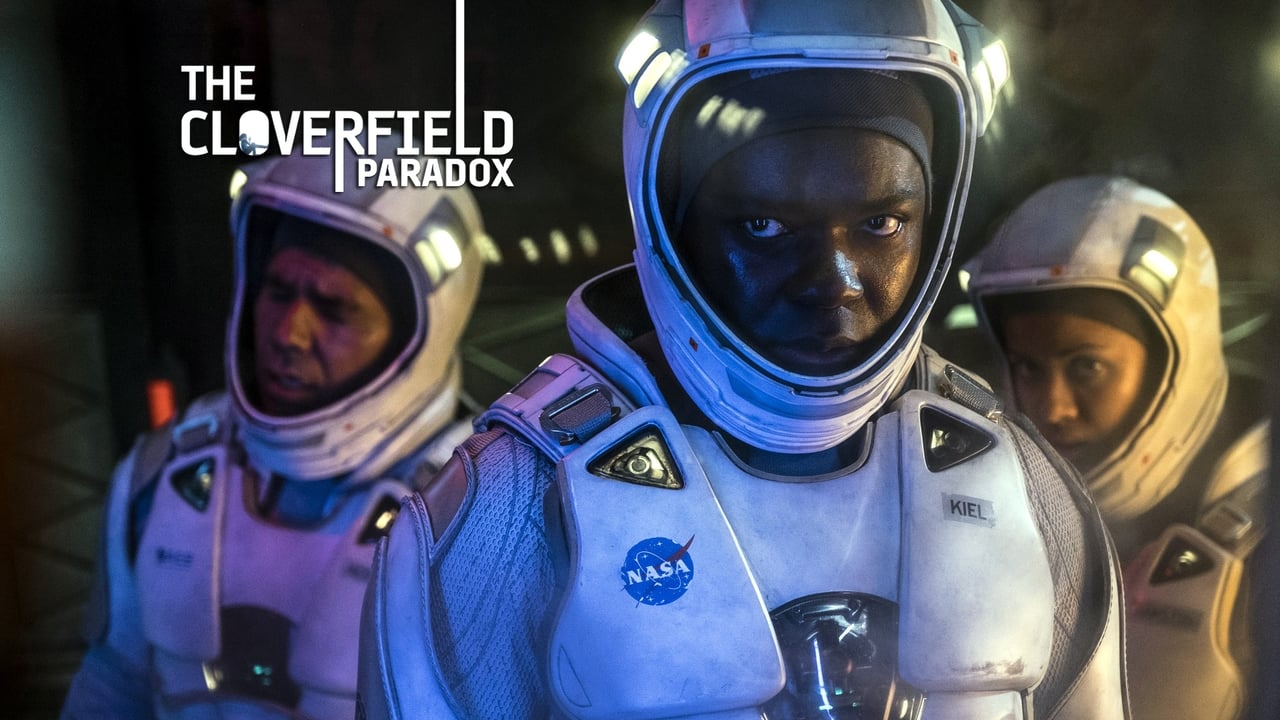
The Limb Logic: When Chris O'Dowd’s arm was filming its "solo" scenes, the crew actually used a remote-controlled prosthetic. Chris O'Dowd reportedly found the whole thing so absurd he struggled to keep a straight face during the "arm-writing" sequence. The Netflix Payday: Paramount was reportedly nervous about the film's box office prospects after seeing the final cut. Netflix stepped in and paid over $50 million for the rights, ensuring the studio turned a profit before a single person even watched it. The Bear McCreary Magic: The score is doing a massive amount of work here. Bear McCreary (the genius behind the Battlestar Galactica and Godzilla: King of the Monsters scores) uses haunting, operatic themes that make the movie feel much more epic than the script allows. The Hidden Connection: If you play the original 2008 Cloverfield and Paradox side-by-side, the moment the particle accelerator fires in this film is the exact timestamp that the monster first hits New York in the original. It’s a "mystery box" Easter egg that fans obsessed over for weeks. * Debicki's Wall Stunt: To get Elizabeth Debicki "inside" the wall, they had to build a custom set where she was essentially standing in a vertical coffin surrounded by real wires and hoses. She said in interviews it was one of the most physically uncomfortable shoots of her career.
Ultimately, The Cloverfield Paradox is a fascinating failure. It’s a movie that says a lot about the 2018 cinematic landscape—the fear of original stories, the power of streaming giants, and the way "franchise potential" can sometimes strangle a good idea. It’s not a masterpiece, and it’s certainly the weakest of the three Cloverfield films, but it has a specific, messy ambition that I can't help but admire.
It’s the kind of movie you watch at 11:00 PM on a Tuesday when you want to see something strange and don't mind a few plot holes the size of a galaxy. It didn't need to be a Cloverfield movie to be interesting, but without that name, we might never have seen it at all. That is the true paradox.
Keep Exploring...
-

Underworld: Blood Wars
2016
-
Captain America: Brave New World
2025
-
Alien: Covenant
2017
-
Escape Room: Tournament of Champions
2021
-

Morgan
2016
-
Color Out of Space
2020
-
Circle
2015
-
Tau
2018
-
Synchronic
2020
-
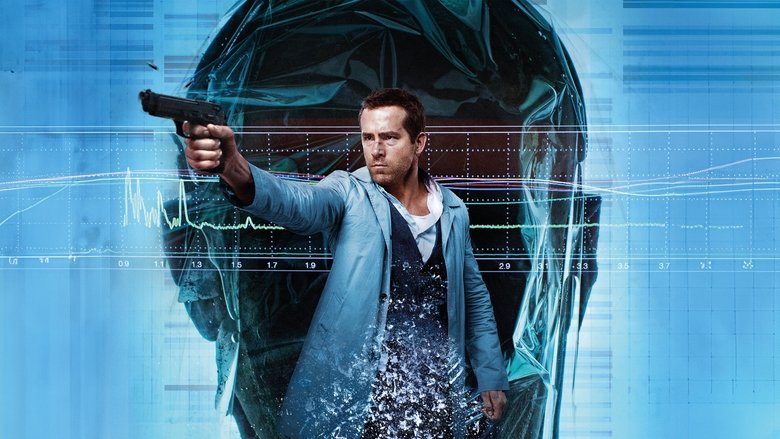
Self/less
2015
-
The Visit
2015
-

Victor Frankenstein
2015
-
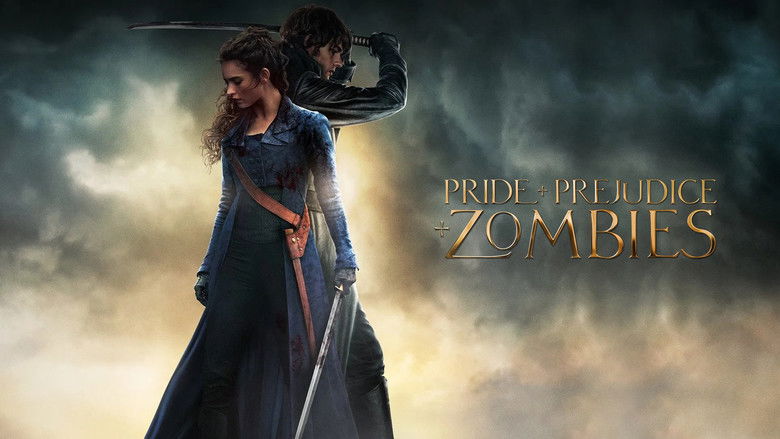
Pride and Prejudice and Zombies
2016
-
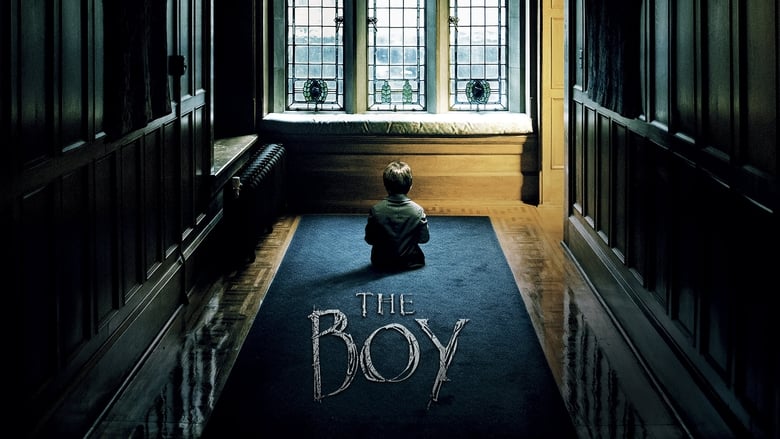
The Boy
2016
-

47 Meters Down
2017
-
A Cure for Wellness
2017
-

Flatliners
2017
-

The Circle
2017
-
Brightburn
2019
-
Child's Play
2019