The Current War
"Genius is a spark; ego is a wildfire."
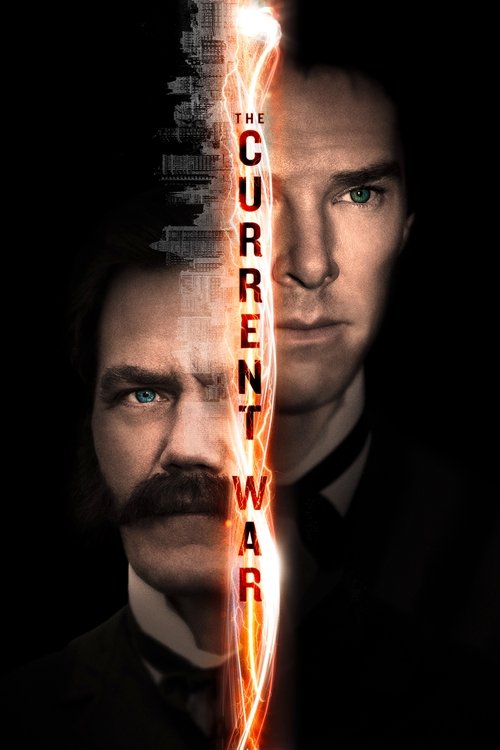
I watched The Current War on a drizzly Tuesday evening while nursing a lukewarm cup of peppermint tea that I’d forgotten to steep, and honestly, that sense of "stalled potential" felt oddly appropriate. This is a film that was practically born in a storm. Originally slated for a 2017 release, it became one of the most high-profile casualties of the Harvey Weinstein scandal. It sat in a vault, gathering dust and bad vibes, until director Alfonso Gomez-Rejon (who gave us the vibrant Me and Earl and the Dying Girl) managed to wrestle it back, re-cut it, and add new scenes.
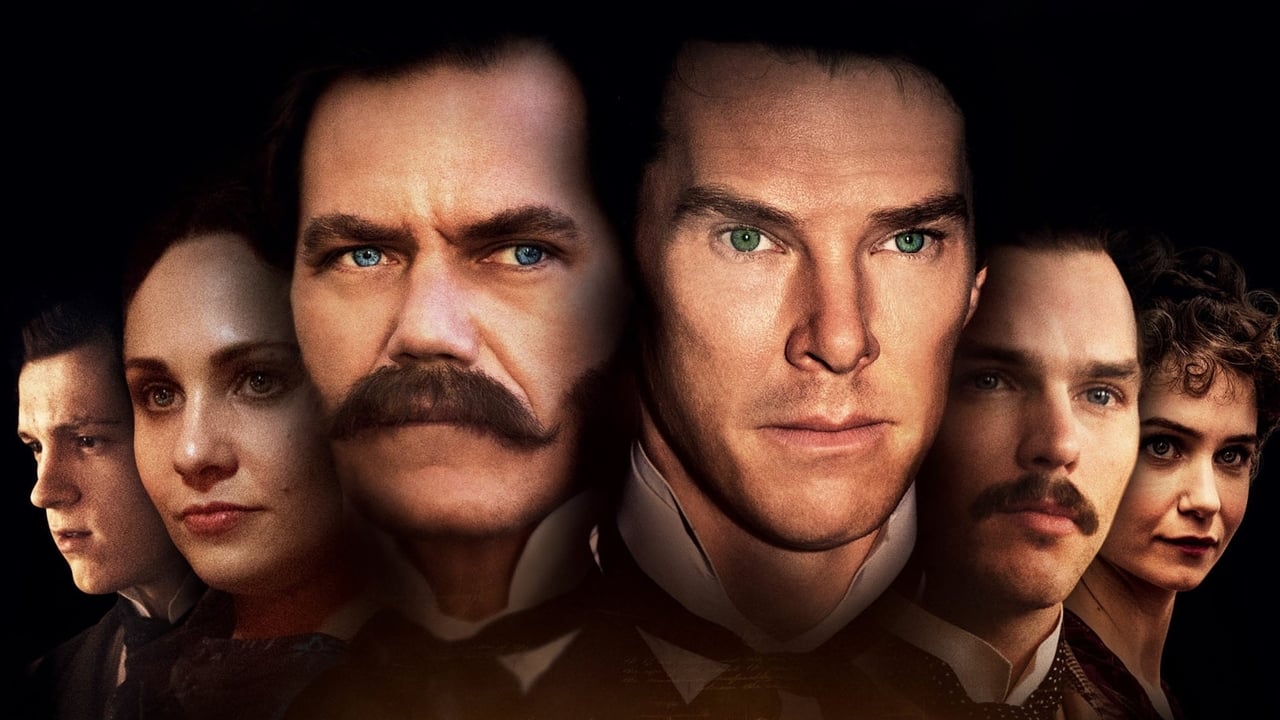
The version we have now—the 108-minute "Director’s Cut"—is a fascinating, twitchy, and occasionally brilliant mess. It’s a period piece that refuses to act like one. Instead of the dusty, prestige-bait drama you’d expect from a story about lightbulbs, we get a film that feels like it’s been hooked up to a car battery.
A Victim of Real-World Villains
For a movie about the birth of the modern world, The Current War felt like a ghost for a long time. In the contemporary landscape of streaming dominance, we’re used to movies disappearing into the "content maw" of Netflix or Disney+, but this one vanished because its distributor was a literal crime scene. By the time it actually hit theaters in 2019, the cultural conversation had moved on. The "prestige biopic" was already being eclipsed by the massive shadow of the MCU—ironic, considering the cast list looks like an Avengers casting call.
You’ve got Benedict Cumberbatch (Doctor Strange), Michael Shannon (General Zod), Tom Holland (Spider-Man), and Nicholas Hoult (Beast). It’s an absurd amount of charisma to pack into a 19th-century boardroom. Yet, because of the production delays, the movie feels like a time capsule from a slightly different era of filmmaking, one that still believed a mid-budget historical drama could be a box-office heavyweight. It’s a movie that tries so hard to be "kinetic" that it occasionally forgets to let its characters breathe.
The Arrogance of Innovation

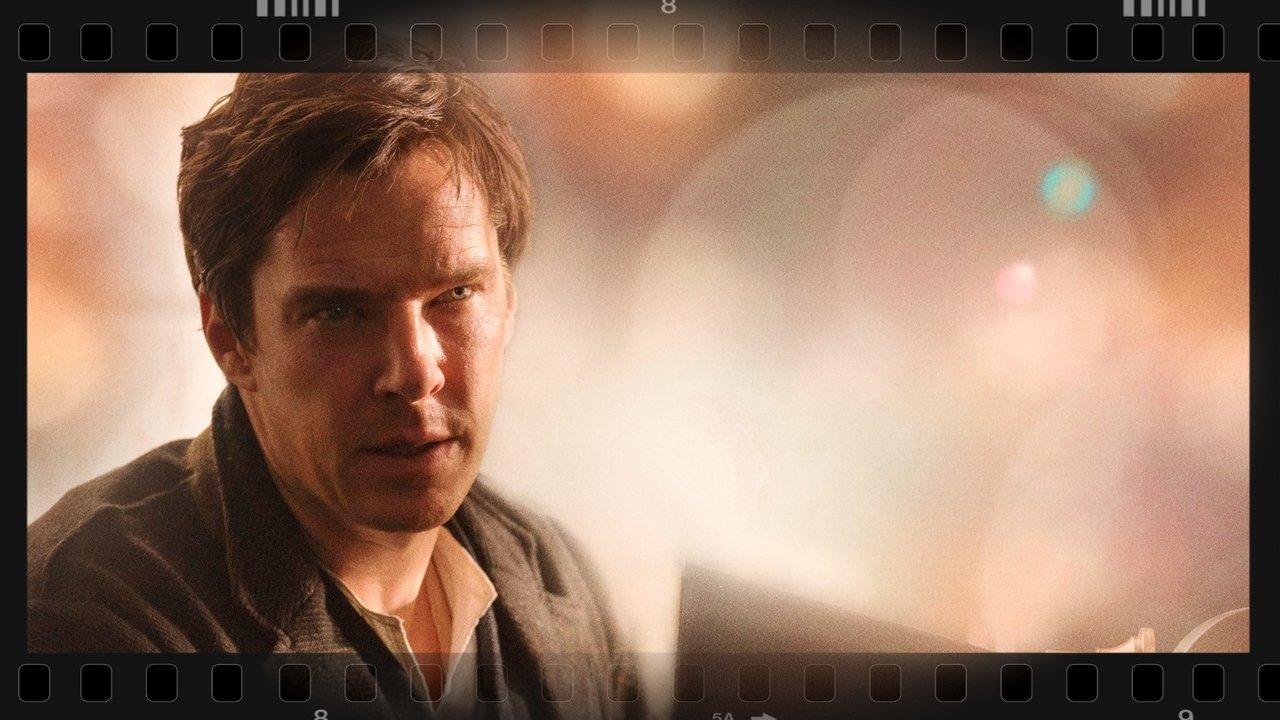
The heart of the film is the rivalry between Thomas Edison and George Westinghouse. Benedict Cumberbatch plays Edison not as a folksy inventor, but as a petulant, media-savvy narcissist. He’s essentially a 19th-century Silicon Valley "disruptor" who’s more concerned with his personal brand than the safety of his direct current (DC) system. Cumberbatch leans into that prickly, "smartest man in the room" energy he perfected in Sherlock, but here, it’s tinged with a desperate, ugly streak.
In the other corner, we have Michael Shannon as George Westinghouse. I’ve always found Shannon to be one of our most interesting actors because he can play "intense" even when he’s just sitting still. His Westinghouse is the soul of the movie—a decent, principled man who just wants to provide a better product (alternating current, or AC) without engaging in Edison's mud-slinging. The chemistry between the two is non-existent because they barely share any screen time, which is a bold choice that actually works. It emphasizes that this wasn't a friendship gone sour; it was a corporate arms race.
Dutch Angles and Dirty Tactics
What really caught my eye—and might annoy some purists—is the cinematography by Chung Chung-hoon. If you’ve seen his work with Park Chan-wook on Oldboy or The Handmaiden, you know he doesn't do "boring." The cinematography in this movie is essentially a General Electric commercial directed by a frantic auteur. There are Dutch angles, sweeping crane shots, and frantic pans that make a scene about patent law feel like an Indiana Jones chase.
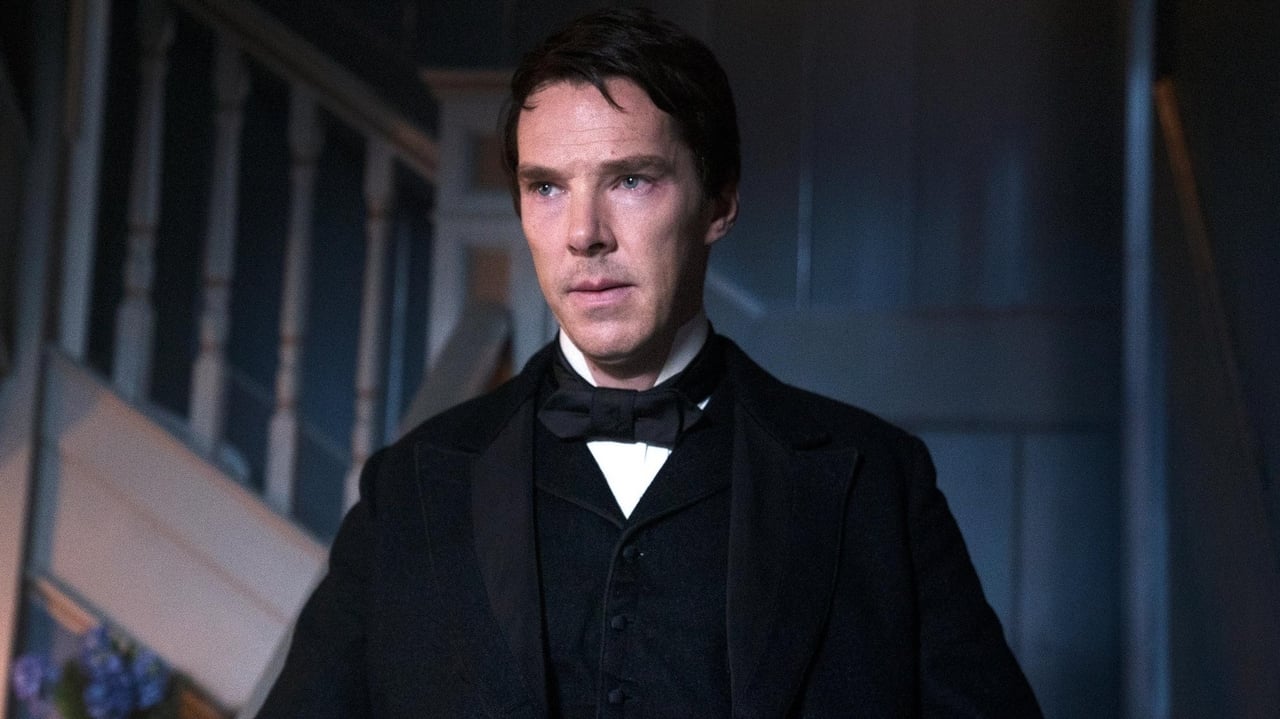
It’s stylish as hell, but it highlights the film’s biggest flaw: it’s a bit shallow. We get a glimpse of Nicholas Hoult as Nikola Tesla, and while Hoult captures that ethereal, tragic brilliance of the man, the script treats him like a guest star rather than a pivotal player. He’s the "cool indie artist" caught between two corporate giants, and I kept wishing the movie would just follow him home instead. Meanwhile, Tom Holland does what he does best as Samuel Insull, playing the loyal, wide-eyed protege to Edison’s crumbling ego. It’s a solid performance, but you can see the "Spider-Man" earnestness peeking through every frame.
The film earns points for its sheer visual audacity and for refusing to be a "Masterpiece Theatre" snooze-fest. It captures the terrifying, dirty, and exhilarating moment when humanity stepped out of the candlelight and into the hum of the electric age. However, the frantic editing—likely a result of the chaotic post-production—means that some of the emotional beats feel rushed. It’s a movie that moves at the speed of light but occasionally lacks the substance of the shadows it’s trying to banish.
If you’re a fan of watching brilliant actors chew on expensive scenery while the camera spins like a top, The Current War is absolutely worth the ninety minutes. It’s a reminder that history isn't just made by great men; it’s made by flawed, petty, and deeply competitive men who happened to have a very good idea. Just don’t expect it to explain the actual physics of AC/DC—I’m still not entirely sure how the lightbulb works, but I know it looks great on 35mm.
Keep Exploring...
-
Mank
2020
-
Colonia
2015
-
The 33
2015
-
Risen
2016
-
All Eyez on Me
2017
-
Battle of the Sexes
2017
-

Detroit
2017
-

The Zookeeper's Wife
2017
-
Victoria & Abdul
2017
-
Mary Queen of Scots
2018
-

On the Basis of Sex
2018
-
Operation Finale
2018
-
A Beautiful Day in the Neighborhood
2019
-

Harriet
2019
-

Hotel Mumbai
2019
-
The Outpost
2020
-

Belfast
2021
-
The Iron Claw
2023
-
Me and Earl and the Dying Girl
2015
-
Suffragette
2015