The Darkest Minds
"A neon-soaked road trip through the end of childhood."
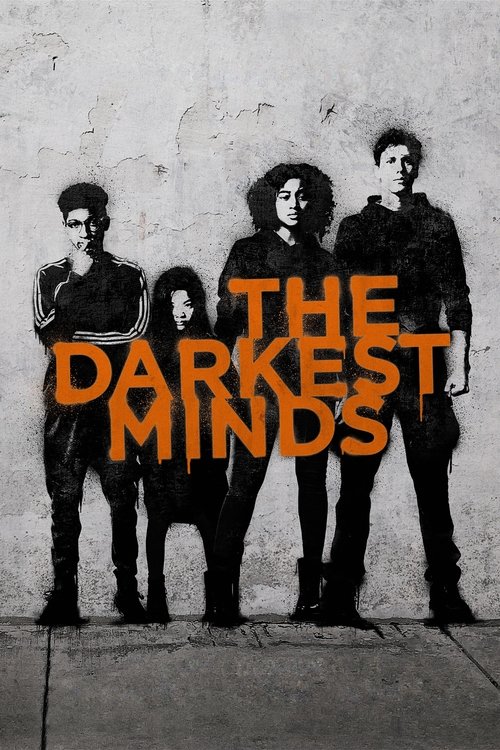
By the time 2018 rolled around, the "teenagers in a dystopian wasteland" genre was gasping for air. We’d survived the Hunger Games, escaped the Maze, and were frankly a bit tired of being sorted into factions. So, when The Darkest Minds arrived, it felt a bit like someone showing up to a party with a bag of chips just as the hosts were turning off the lights. I remember sitting in the theater—the air conditioning was cranked so high I had to use my spare sweater as a lap blanket—wondering if there was anything left to say about super-powered kids fighting "The System."
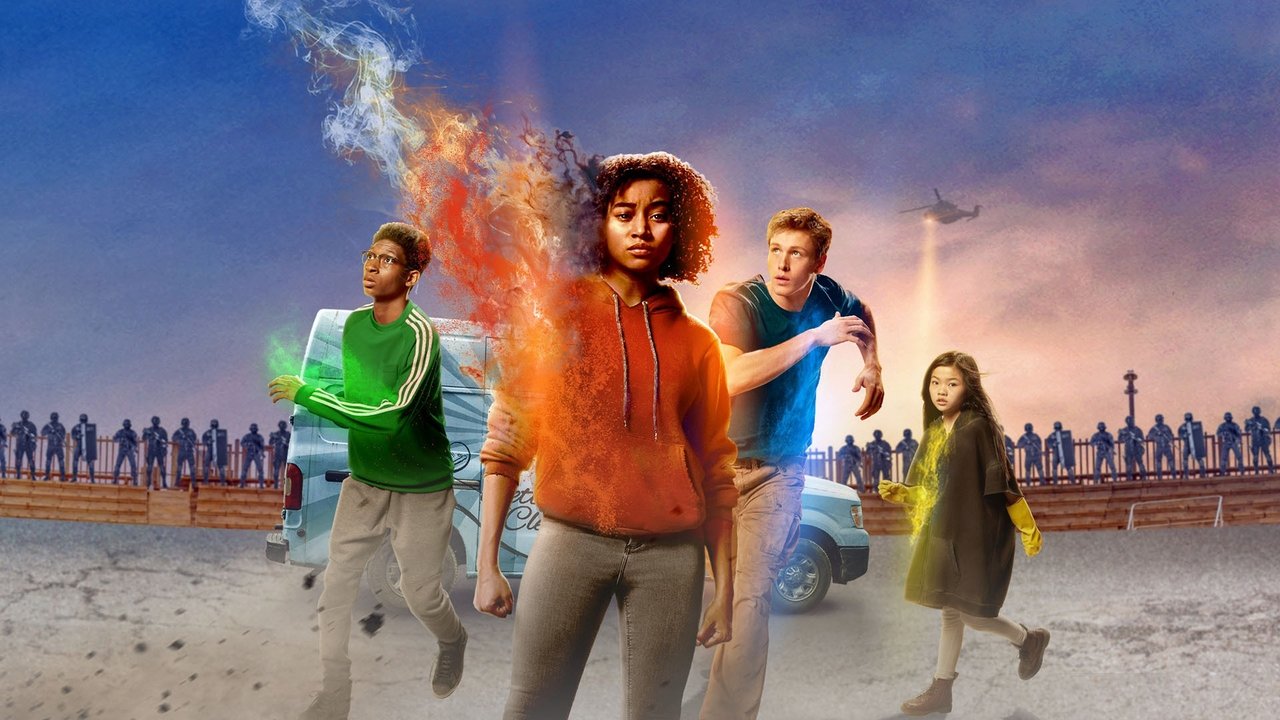
Surprisingly, while it didn't reinvent the wheel, it managed to spark a persistent, low-burning flame that has kept a dedicated cult of fans shouting into the void for a sequel that will likely never happen. It’s a film caught between the dying embers of a trend and the corporate chaos of the Disney-Fox merger, and that "last of its kind" energy gives it a weird, melancholic charm.
The Color-Coded Curse
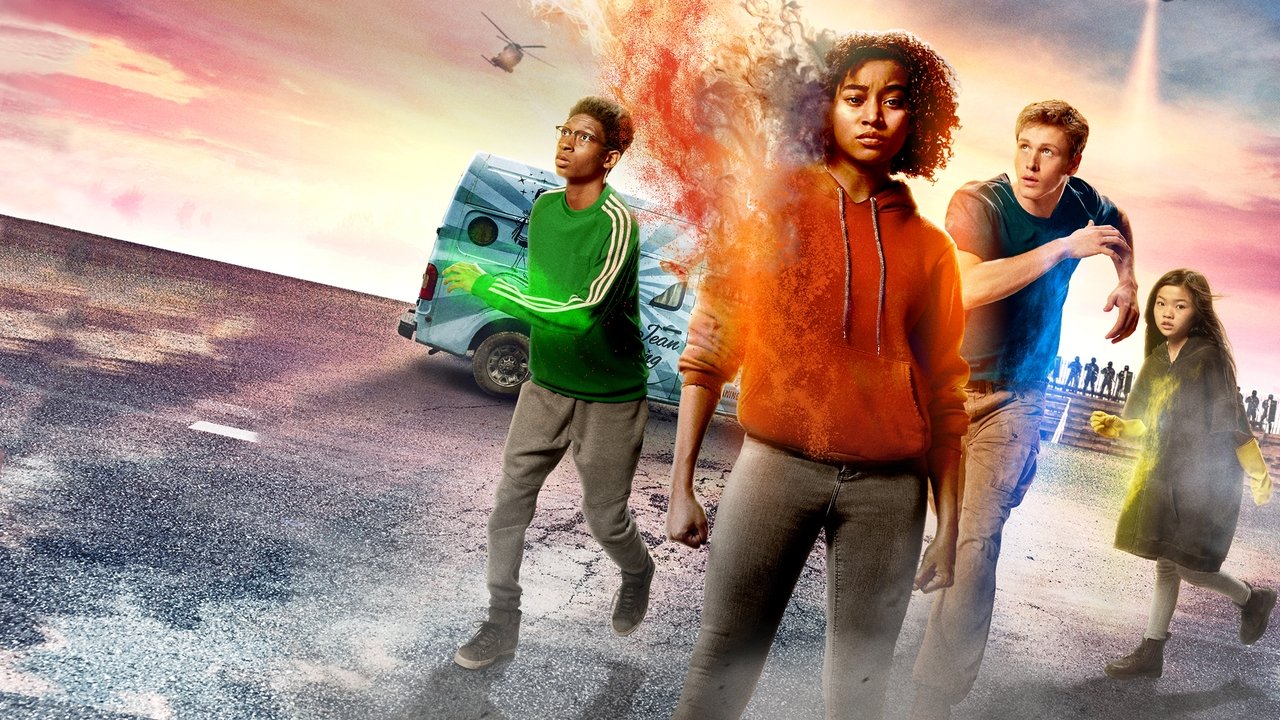
The premise is pure YA catnip: a mysterious disease wipes out 98% of kids, and the survivors are left with powers that the government finds terrifying. They’re rounded up into camps and sorted by color. Greens are smart, Blues are telekinetic, and Oranges—like our lead, Ruby—are the rare, mind-controlling "monsters" who are supposed to be killed on sight.
Amandla Stenberg, who most of us first wept over as Rue in The Hunger Games, plays Ruby with a grounded, soulful exhaustion that elevates the material. She’s not a "chosen one" who is excited about her powers; she’s traumatized by them. When she escapes her camp and hitches a ride with a group of runaways, the movie turns into a surprisingly effective road trip movie. I loved the chemistry in the van. You’ve got Harris Dickinson (who was brilliant in Triangle of Sadness) as the charming Blue-power leader, Liam, and Skylan Brooks as Chubs, a Green who provides the much-needed skeptical wit. Miya Cech rounds them out as Suzume, a silent but deadly Blue.
There’s a specific kind of magic in the "found family" trope that this era of cinema obsessed over, and The Darkest Minds hits those notes better than most. The romance between Ruby and Liam feels like a genuine slow-burn rather than a studio-mandated checklist. It’s the kind of chemistry that makes you forget, for a second, that the plot is basically an X-Men audition tape that forgot to bring the costumes.
Visual Flair and Animation Roots
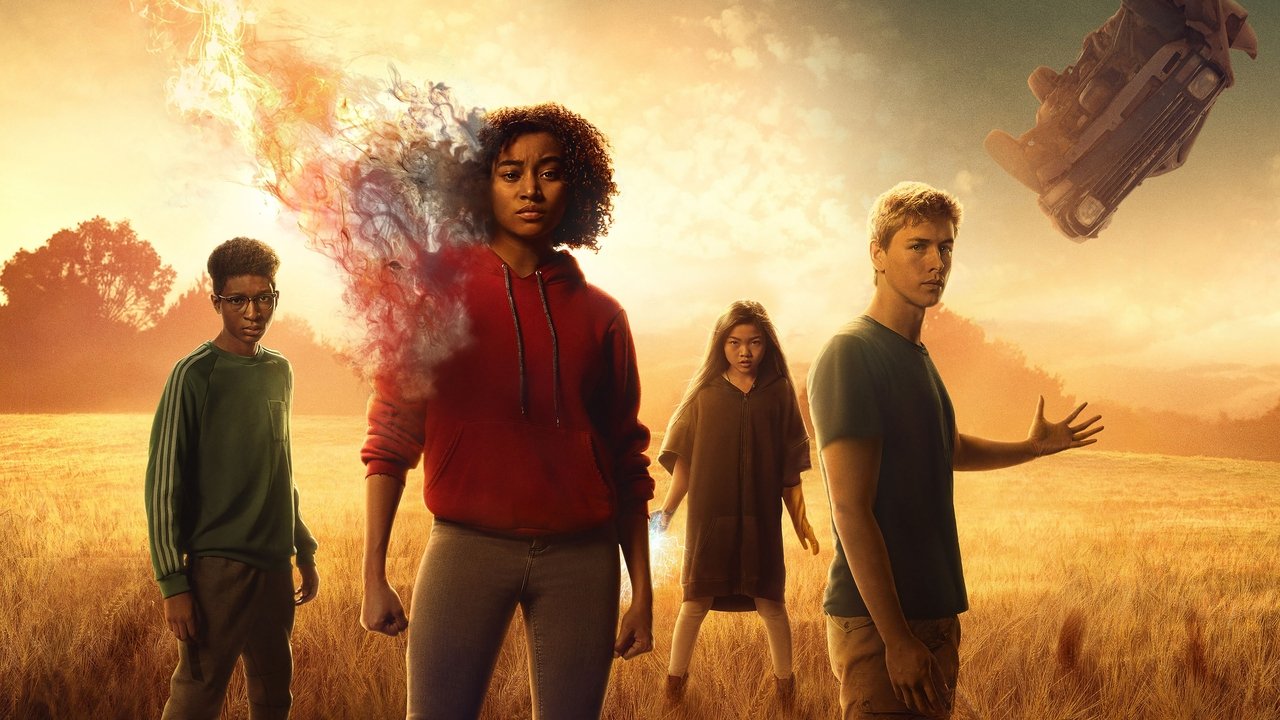
One of the coolest things about the production is the director, Jennifer Yuh Nelson. If that name sounds familiar, it’s because she directed Kung Fu Panda 2 and 3. This was her live-action debut, and you can see her animation background in how she frames the action. Instead of the shaky-cam "Bourne" style that plagued early 2010s action movies, Nelson treats the superpowers with a certain graphic clarity.
When the "Red" powers (pyrokinesis) finally show up, the screen is flooded with this oppressive, hellish light that feels genuinely threatening. The cinematography by Kramer Morgenthau, who worked on Thor: The Dark World and Game of Thrones, gives the film a polished, high-contrast look that separates it from the drab, grey aesthetics of Divergent. It’s a beautiful-looking movie that was unfortunately marketed as just another face in the crowd.
The action sequences, particularly a slip-road chase and the final showdown at a supposed "safe haven" called East River, are staged with a clear sense of geography. I never felt lost in the chaos. The powers feel heavy and consequential, especially the mental manipulation. There’s a scene where Ruby has to use her Orange powers that is played with the tension of a horror movie, reminding us that these "gifts" are actually life-altering burdens.
The Tragedy of the "Middle Chapter"
Here’s the thing about cult classics from the streaming era: they are often victims of bad timing. The Darkest Minds was produced by 20th Century Fox just as the Disney acquisition was looming. When it underperformed at the box office—it basically made its budget back and then went out for a quiet nap—any hope for the sequels (Never Fade and In the Afterlight) vanished.
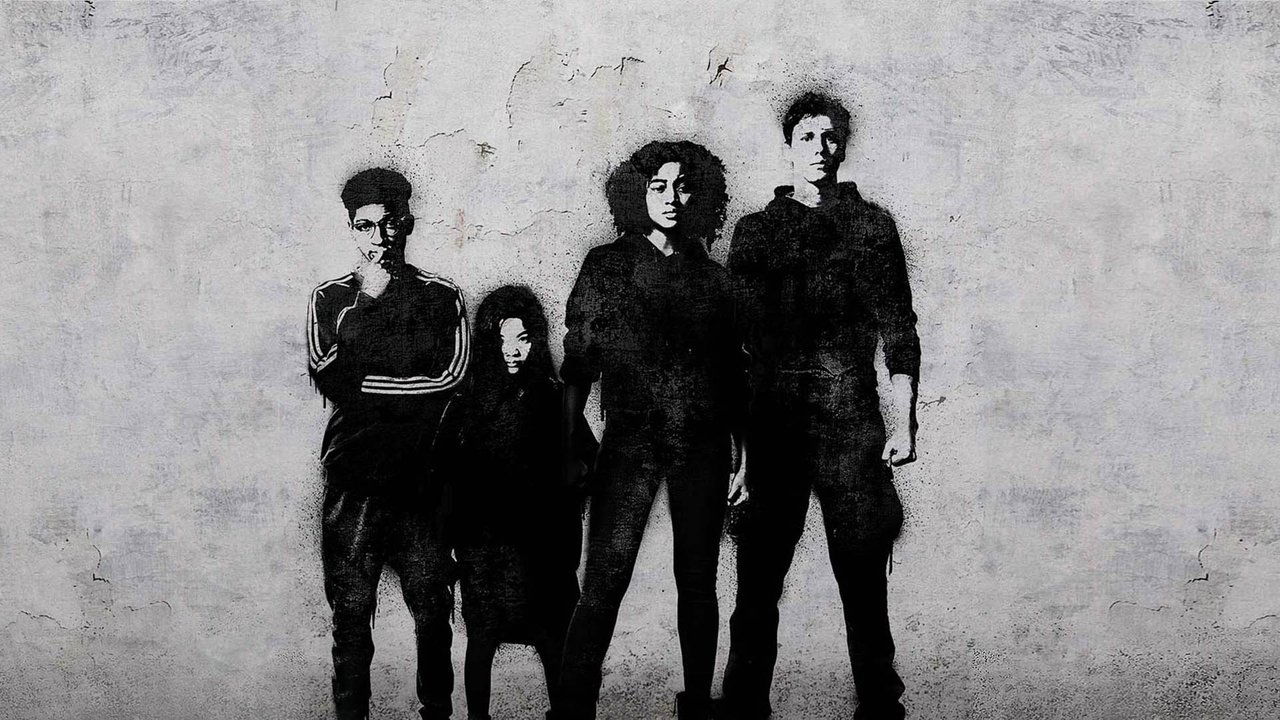
This has left a massive, passionate fanbase in a state of permanent mourning. If you go on TikTok or Tumblr today, you’ll still find people obsessing over "Zu’s" outfits or the "Orange" lore. The film ends on a massive cliffhanger that feels like a gut punch because we know the story likely ends there. It’s a "Chapter One" in a book that was snatched away and thrown into a vault.
Turns out, the movie’s legacy isn't its box office, but its cast. Seeing Harris Dickinson and Amandla Stenberg before they became indie darlings and franchise leads is a treat. Even Patrick Gibson, as the manipulative Clancy Gray, brings a creepy, aristocratic menace that felt ahead of its time. He’s the quintessential "tech bro" villain before that was a standard trope.
Ultimately, The Darkest Minds is a victim of its own genre's exhaustion. It arrived five years too late to be a phenomenon but just in time to be a comfort-watch for a generation that grew up on these tropes. While it doesn't quite escape the shadow of its predecessors, the strong performances and Jennifer Yuh Nelson's steady hand make it a journey worth taking, even if the road ends abruptly. It’s a stylish, emotional piece of "what could have been" cinema that deserves a second look on a rainy Sunday afternoon.

Keep Exploring...
-

In the Heart of the Sea
2015
-
Kung Fu Panda 3
2016
-

The Huntsman: Winter's War
2016
-

Gran Turismo
2023
-
Southpaw
2015
-
Risen
2016
-

Gladiator II
2024
-
Batman vs. Robin
2015
-
Justice League vs. Teen Titans
2016
-
The King's Man
2021
-
The Three Musketeers: D'Artagnan
2023
-
The Walk
2015
-

Eddie the Eagle
2016
-
Patriots Day
2016
-
American Assassin
2017
-
The Mountain Between Us
2017
-
The Space Between Us
2017
-
12 Strong
2018
-
Death Wish
2018
-
Hunter Killer
2018