The Guilty
"The most terrifying images are the ones you can’t see."
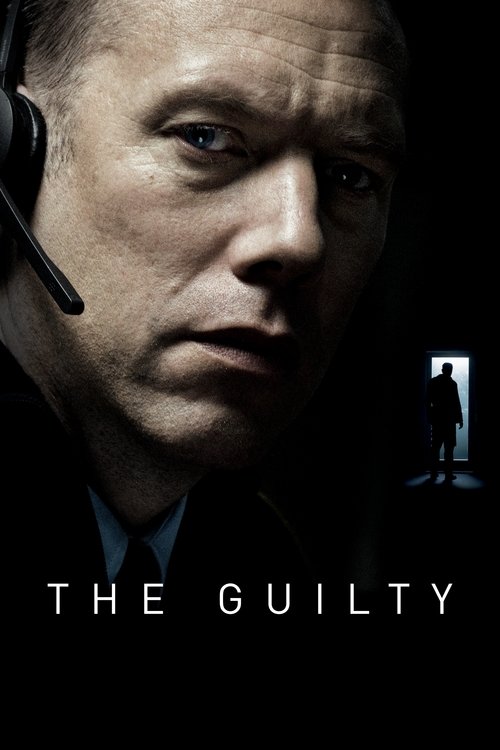
There is a specific, suffocating brand of panic that sets in when you can hear a tragedy unfolding but can’t see the hands responsible for it. We live in an era of sensory overload, where every cinematic beat is usually punctuated by a $200 million CGI explosion or a frantic camera move designed to keep us from checking our phones. Then along comes Gustav Möller, a first-time director with a minimal budget and a terrifyingly simple hook, to remind us that the human imagination is a far more effective torture chamber than any digital effect.
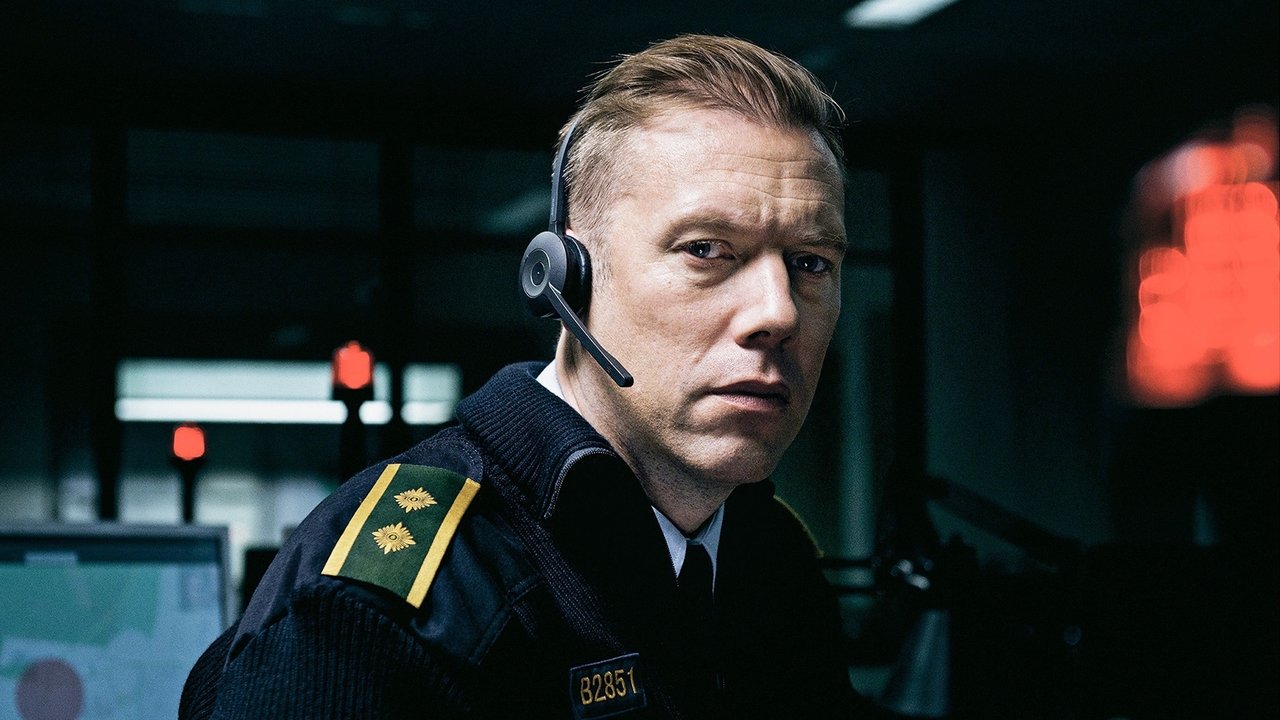
I watched The Guilty on a Tuesday evening while a cup of black coffee sat cooling on my desk, completely forgotten. By the time the credits rolled, the coffee was ice-cold and my jaw was actually sore from tension. I’ve rarely felt a film so physically demanding despite the protagonist never leaving his chair. It’s a masterclass in economy, proving that in the streaming age—where we are constantly drowning in "content"—there is still no substitute for a lean, mean script and a performance that holds the screen by the throat.
The Theater of the Mind
The premise is deceptively thin: Asger Holm (Jakob Cedergren), a police officer demoted to emergency dispatch duties pending a disciplinary hearing, receives a call from a woman named Iben (Jessica Dinnage). She’s been kidnapped. She’s in a van. She’s terrified. Because Asger is tethered to his desk by a headset and a sense of mounting desperation, we are tethered to him.
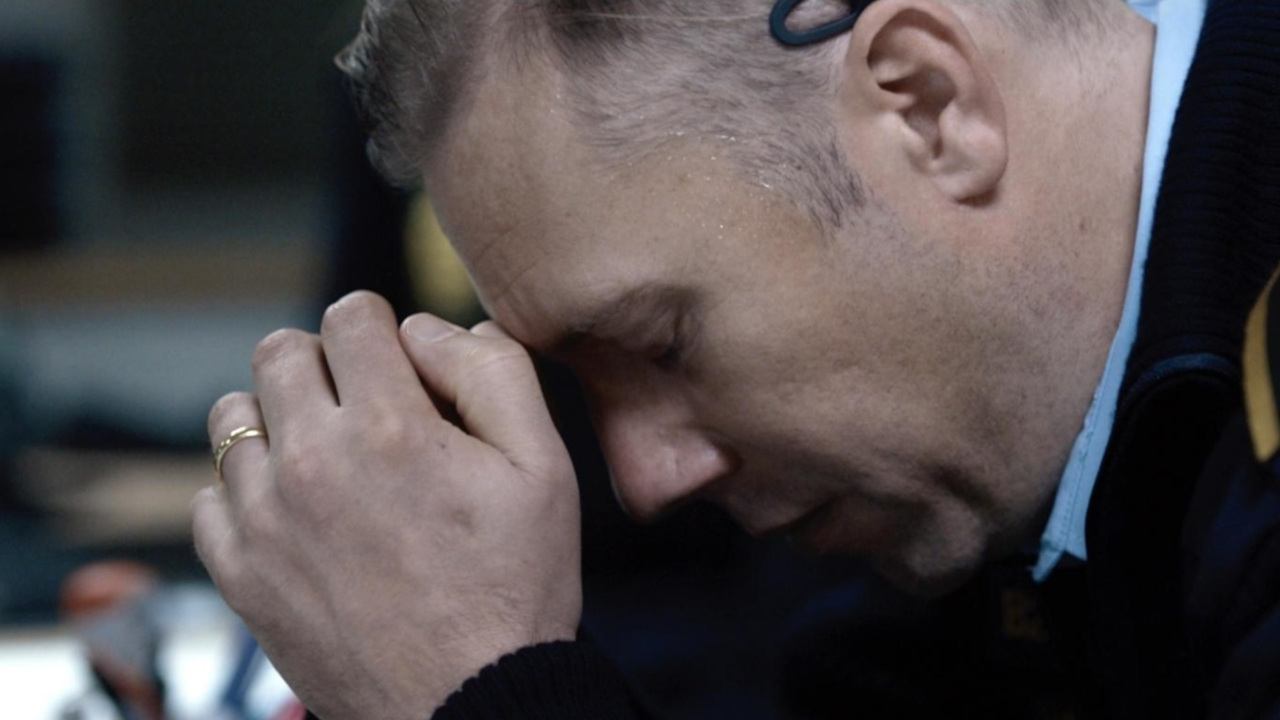
What makes The Guilty so effective is its refusal to cut away. We never see Iben. We never see the van. We never see the rain-slicked Danish highways where the police are supposedly racing to her rescue. We only see Asger’s face—flushed, sweating, and increasingly illuminated by the cold, blue light of his computer monitors. By forcing us to rely entirely on sound design, Möller turns the audience into co-creators of the horror. Every windshield wiper flick and muffled sob on the other end of the line becomes a vivid, terrifying image in our own heads. It’s a bold move in a contemporary landscape that usually treats audiences like they have the attention span of a fruit fly, but it pays off with interest.
A Performance Under the Microscope
A film like this lives or dies on its lead, and Jakob Cedergren is a revelation. He’s in almost every frame, and his performance is a study in micro-expressions. Asger isn't a particularly likable guy; he's arrogant, short-tempered, and clearly harboring a savior complex that’s gotten him into deep trouble in his "real" job. But as the night goes on and the case twists into something far more morally jagged than a simple kidnapping, Cedergren shows us the cracks in the armor.
The film leans heavily into the "troubled cop" trope, but it does so with a modern awareness of police fallibility. Asger isn’t just trying to save a woman; he’s trying to redeem himself, and that desperation leads him to make some catastrophic assumptions. Watching him manipulate his colleagues and overstep his bounds is deeply uncomfortable. The American remake with Jake Gyllenhaal felt like someone trying to explain a whisper by shouting it into a megaphone, losing the quiet, creeping dread that Cedergren anchors so perfectly here. He doesn't need to scream to show us he's drowning; he just needs to let his eyes go a little wider when the line goes dead.
Contemporary Stifling
In the context of 2018 cinema, The Guilty felt like a necessary correction. It arrived just as we were hitting peak franchise fatigue, offering a narrative that was purely character-driven and blissfully short at 86 minutes. It also speaks to our modern relationship with technology—that agonizing feeling of being "connected" to the entire world through a screen but remaining utterly powerless to change what’s happening on the other side.
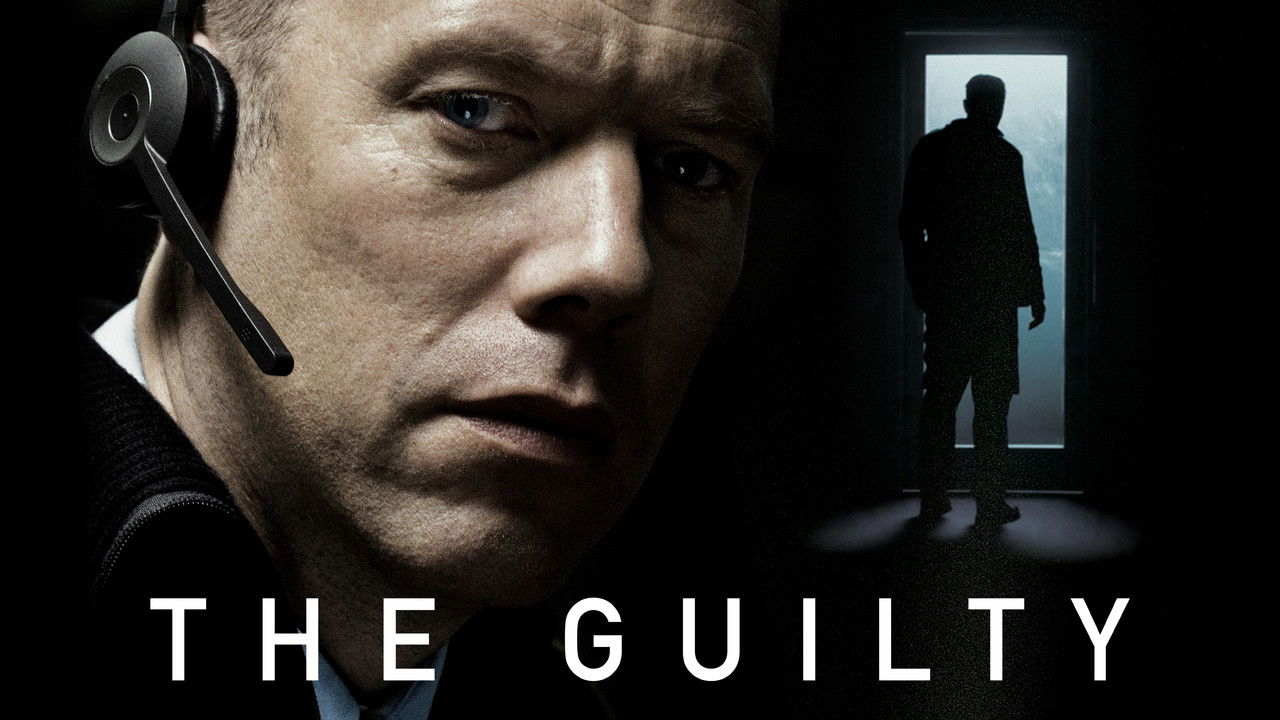
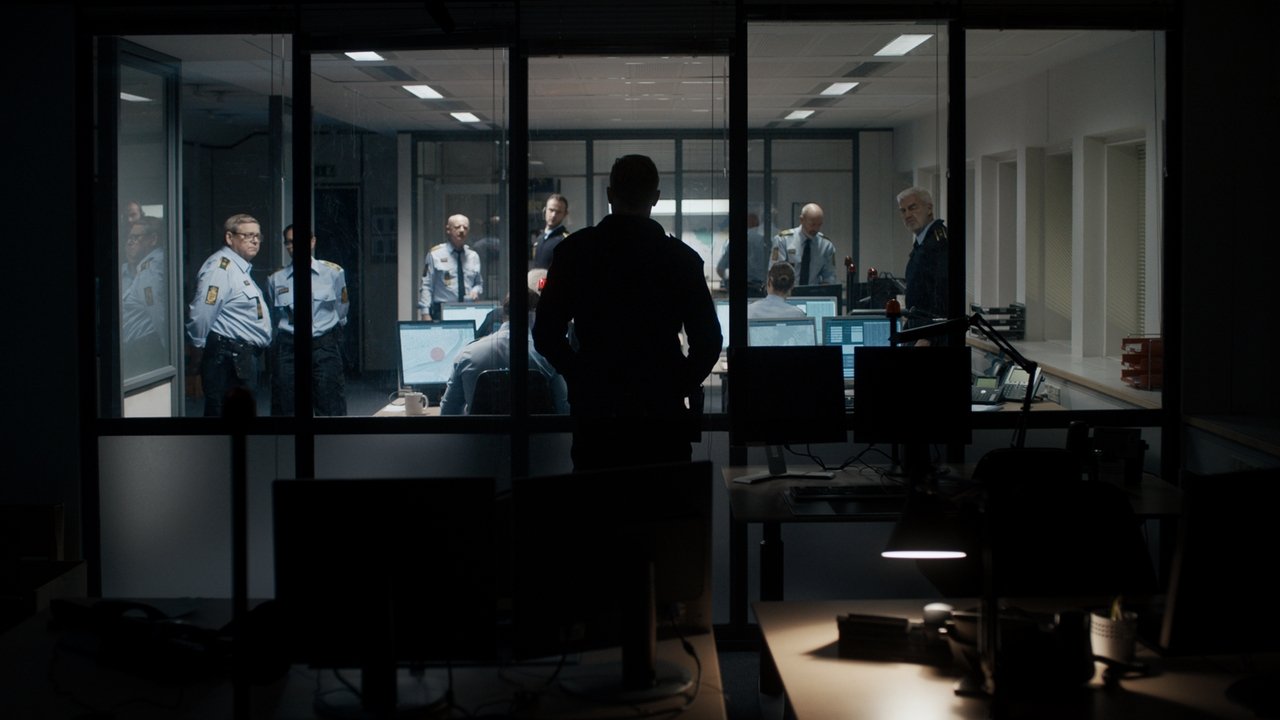
The sound design by Oskar Skriver deserves its own trophy. The way the background noise of the emergency center—the clicking of keyboards, the low hum of other dispatchers—fades out when Asger is locked into a call creates an almost underwater atmosphere. It’s intensely claustrophobic. I found myself leaning closer and closer to my screen, as if I could hear the truth better if I just closed the distance. It’s rare for a film to demand that much active participation from a viewer, and it’s even rarer for it to be this rewarding.
This isn't a film for a casual, "background noise" viewing. It’s a dark, morally complex journey that asks some very uncomfortable questions about justice and the stories we tell ourselves to feel like the "good guys." If you’re looking for a thriller that treats your intelligence with respect and your nervous system with absolute malice, this is the one. Just don't expect to feel particularly relaxed when the line finally goes silent.
Gustav Möller didn't just make a movie; he built a trap, and it’s one you’ll be glad you stepped into.

Keep Exploring...
-
Batman vs. Robin
2015
-
Suburra
2015
-

Miss Sloane
2016
-
22 July
2018
-

The Traitor
2019
-
November
2022
-
The Outfit
2022
-

The House That Jack Built
2018
-

STRAW
2025
-
Patriots Day
2016
-
Sherlock: The Abominable Bride
2016
-
Snowden
2016
-
The Accountant
2016
-
Good Time
2017
-
The Book of Henry
2017
-
Dogman
2018
-

Shoplifters
2018
-
El Camino: A Breaking Bad Movie
2019
-
Joker
2019
-
Les Misérables
2019