The House That Jack Built
"Architecture is art, but murder is a masterpiece."
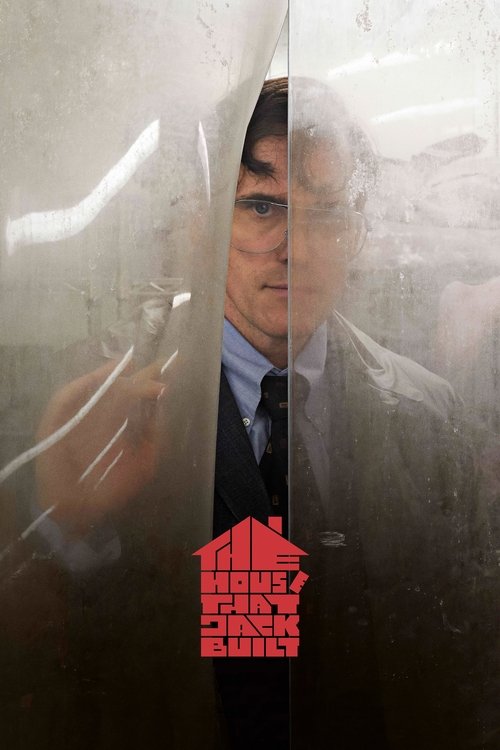
The 2018 Cannes Film Festival premiere of The House That Jack Built saw over a hundred people walk out in a huff of indignation and moral superiority. In the era of social media activism and instant condemnation, that’s essentially a five-star review. Lars von Trier has spent decades positioning himself as cinema’s premier provocateur, but with this film, he shifted from poking the bear to performing a full-scale autopsy on his own creative psyche. It’s a movie that feels like it was built specifically to be hated, which is exactly why I found it so impossible to look away from.
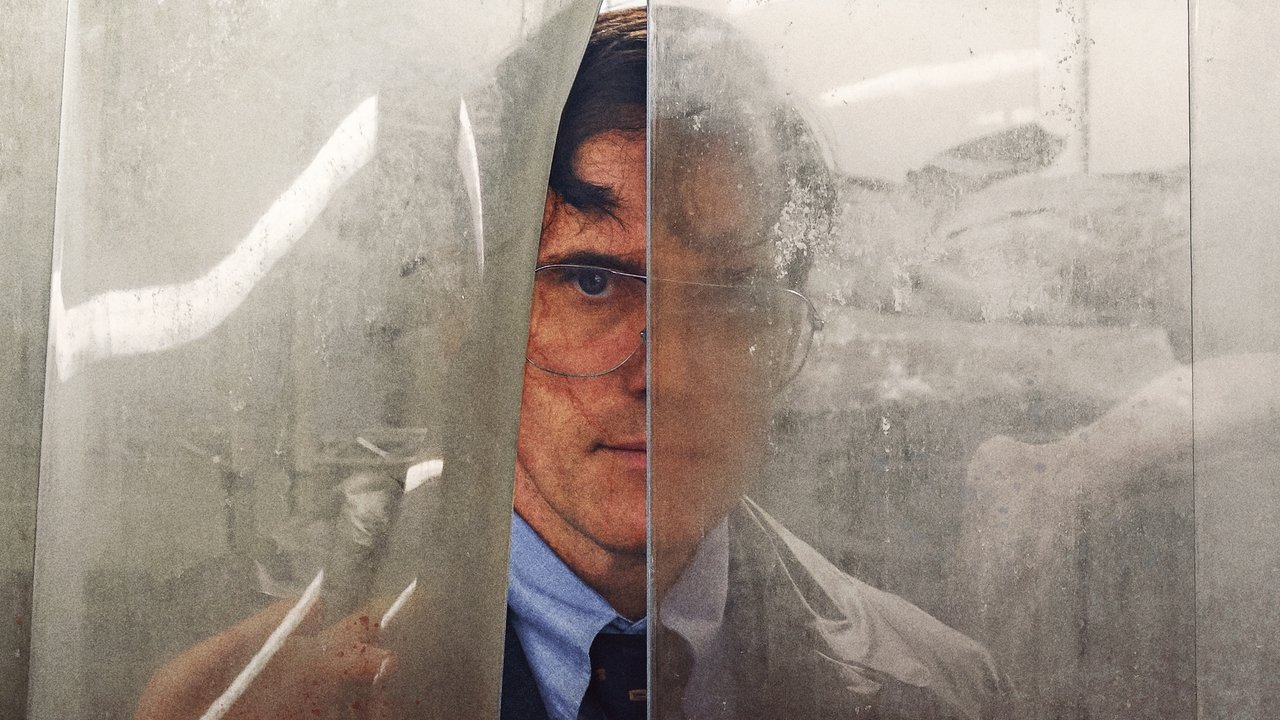
I watched this for the first time on a laptop while sitting in a very bright, very cheerful IKEA cafeteria. There is something profoundly wrong with eating a Swedish meatball while Jack explains the logistics of corpse preservation, but that juxtaposition felt entirely in line with the film’s grim, ironic soul.
The Architect of Atrocity
We follow Jack (Matt Dillon), a failed architect and successful serial killer, across twelve years of his "career." The film is structured as a series of five "incidents" narrated by Jack to a mysterious figure named Verge (Bruno Ganz). Jack doesn't see himself as a common criminal; he sees himself as an artist. He views his victims not as people, but as raw materials for his "house"—a literal and metaphorical structure he’s trying to build out of his own darkness.
Matt Dillon gives a career-best performance here by leaning into the absolute banality of evil. He plays Jack as a man suffering from crippling OCD, a guy who has to return to a crime scene three times to check for blood under a rug because his brain won't let him leave. It’s a brilliantly pathetic portrayal of a monster that strips away the "charismatic genius" trope we usually see in serial killer cinema. Jack isn't Hannibal Lecter; he’s a frustrated middle manager with a freezer full of bodies and an ego that requires its own zip code.
A Masterclass in Discomfort
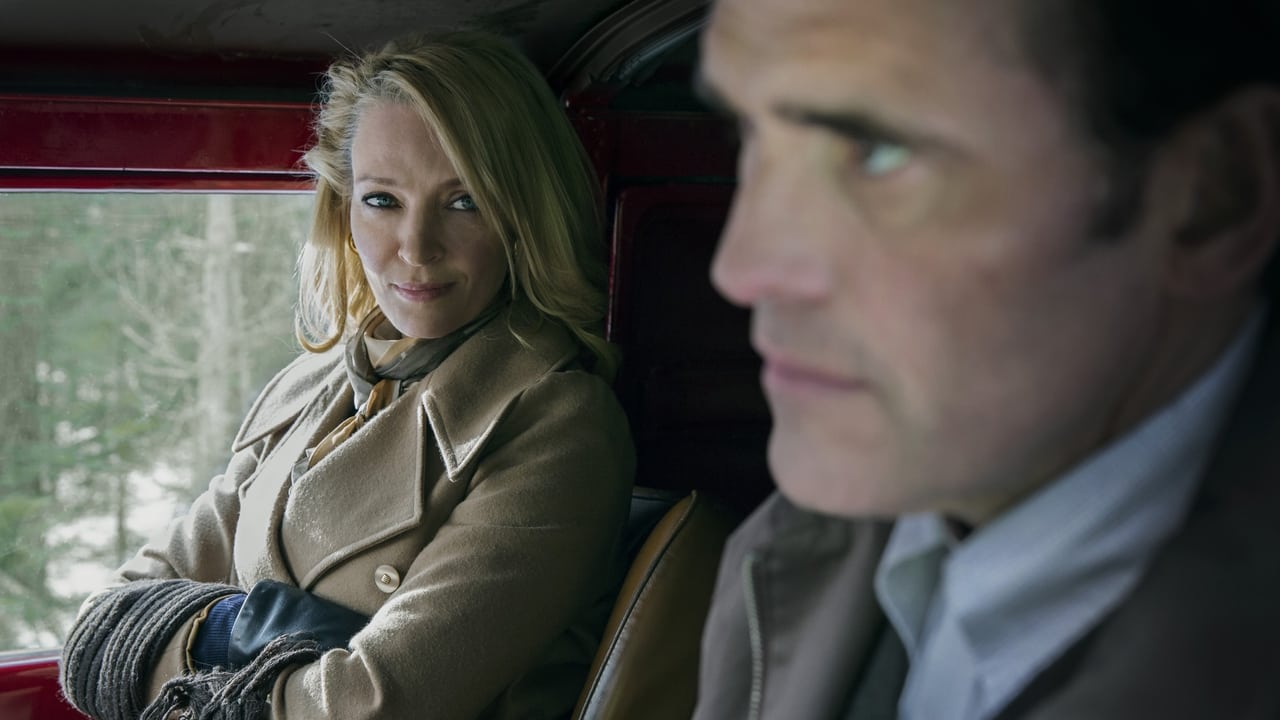
Von Trier is not a director who believes in the "less is more" philosophy. When Jack interacts with his first victim (Uma Thurman), the tension isn't built on shadows or jump scares; it’s built on the sheer, grinding annoyance of a person who won't stop talking. Uma Thurman is fantastic as a character who basically dares Jack to kill her, poking at his insecurities until he finally snaps. It’s a scene that plays like a pitch-black comedy sketch until the metal meets the bone.
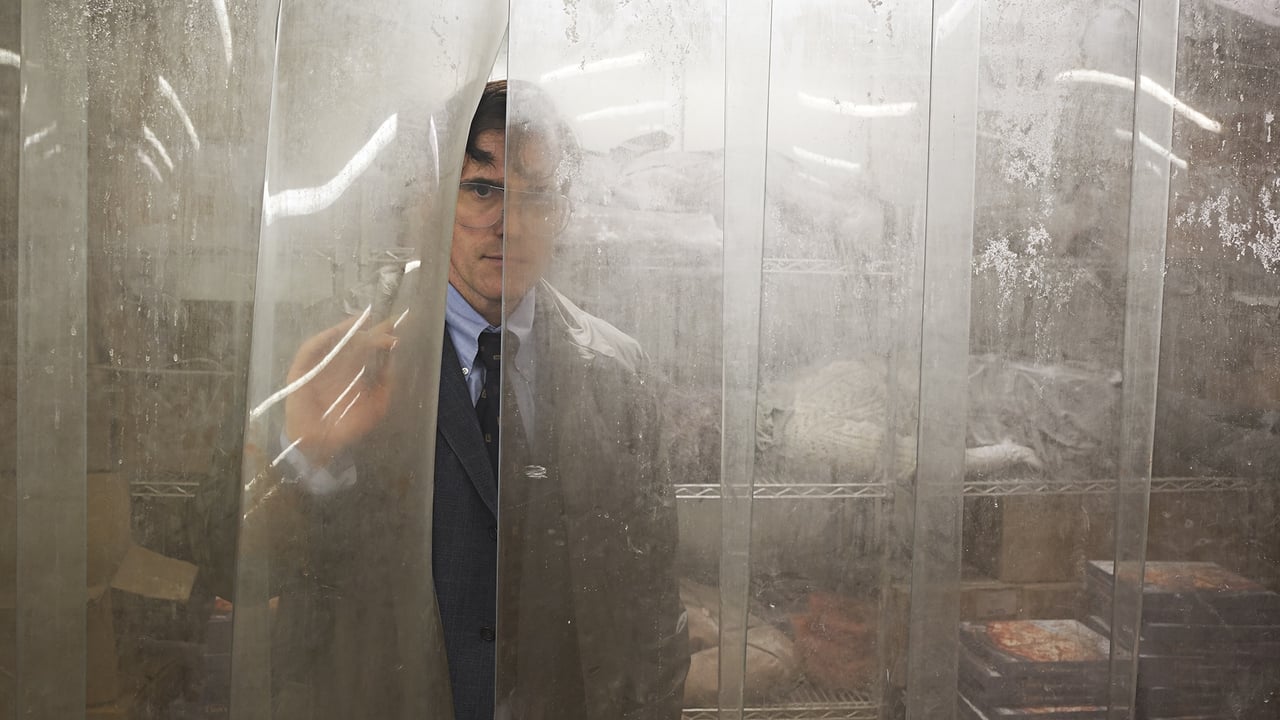
The horror here is distinctively modern. It uses seamless digital effects to enhance the gore, making the violence feel uncomfortably tangible. The "Simple" incident involving Riley Keough is one of the most distressing things I’ve ever sat through. It isn't just the physical cruelty; it's the psychological gaslighting Jack employs. In our current cultural moment, where conversations about domestic abuse and power dynamics are at the forefront, this segment feels like a direct, jagged nerve ending. It’s a movie that asks you to stare at the screen when every instinct tells you to check your phone.
The Art of the Bomb
From a production standpoint, the film is a fascinating case study in "Director’s Cut" culture. Because of its extreme content, it had a bifurcated release: an R-rated theatrical cut and an unrated director's cut. This created a secondary life for the film online, where fans hunted down the "forbidden" version like it was a 1980s video nasty. Despite a dismal box office—making back barely half of its $9.8 million budget—it has cemented itself as a contemporary cult classic.
The film is littered with "cool details" that reward the obsessive viewer. Jack’s obsession with the pianist Glenn Gould and the way Von Trier cuts in footage of his own previous films—like Antichrist and Nymphomaniac—suggests that Jack isn't just a character; he’s a surrogate for the director himself. Apparently, the "Simple" sequence was so grueling that Riley Keough had to take significant breaks, and the CGI duckling (yes, that scene) was created with extensive visual effects to ensure no animals were actually harmed, despite the hyper-realistic result.
Descending the Spiral
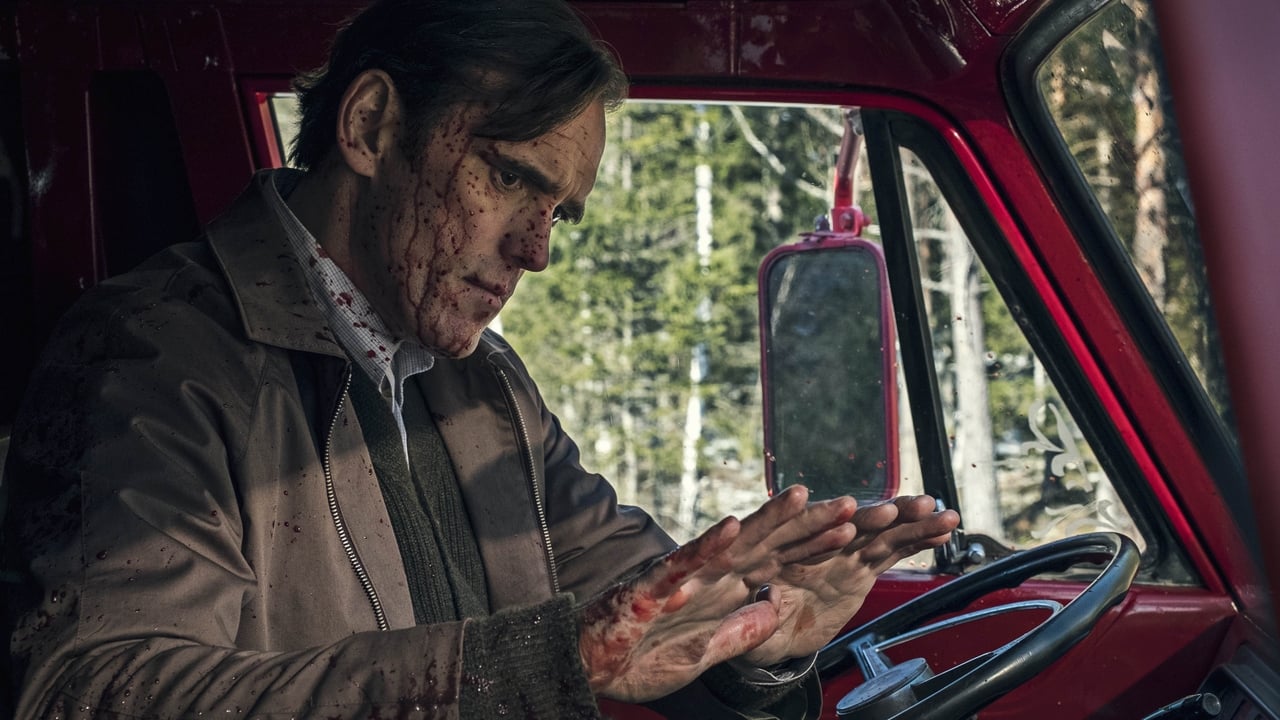
As the film reaches its final act, it transitions from a gritty crime thriller into a surrealist descent into Hell, literally following the structure of Dante’s Inferno. Bruno Ganz, in one of his final roles, provides a weary, moral anchor to Jack’s narcissistic ramblings. Their journey through the underworld is visually stunning, utilizing "The Volume"-style lighting techniques before they were industry standard, creating a painterly, suffocating atmosphere.
Does it mean anything? Or is it just a $9 million trolling session from a man who knows he’s been canceled? I think it’s both. In an era where many films feel sanded down by committee and designed for maximum "shareability," The House That Jack Built is a jagged, ugly, deeply personal monolith. It’s a film about the cost of creation and the terrifying realization that, for some, the only way to be remembered is to destroy.
This is not a "fun" movie, but it is a vital one for anyone who cares about the boundaries of the medium. It’s a confrontation disguised as a thriller. It will make you feel greasy, it will make you angry, and it will stay in your brain for weeks after the credits roll. Just maybe don't watch it in an IKEA.

Keep Exploring...
-
Dogville
2003
-
Antichrist
2009
-

The Devil All the Time
2020
-
Patriots Day
2016
-

Snowden
2016
-
Uncut Gems
2019
-

Promising Young Woman
2020
-
Wrath of Man
2021
-
Sherlock: The Abominable Bride
2016
-
Dogman
2018
-
Shoplifters
2018
-
El Camino: A Breaking Bad Movie
2019
-
Dancer in the Dark
2000
-
Suburra
2015
-
Don't Breathe
2016
-

Miss Sloane
2016
-
The Accountant
2016
-
It
2017
-
22 July
2018
-
The Guilty
2018