The Man Who Killed Don Quixote
"Twenty-nine years later, the windmills finally hit back."
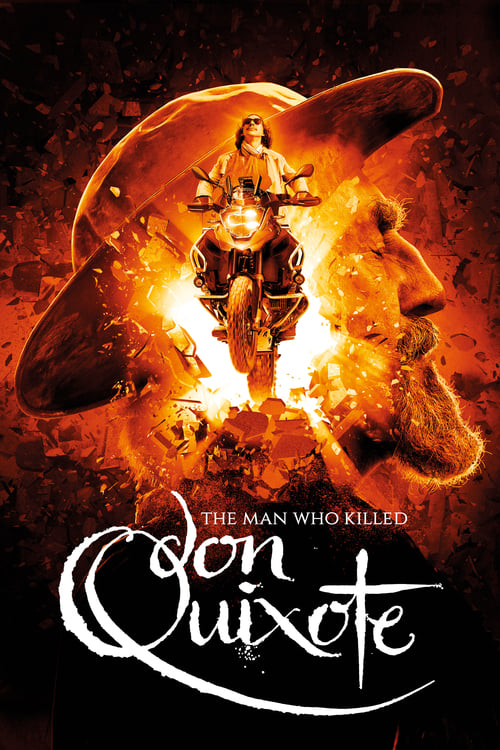
I watched The Man Who Killed Don Quixote on a Tuesday night while wearing one mismatched sock because I couldn’t be bothered to find the other—a level of personal disarray that felt weirdly in sync with Terry Gilliam’s aesthetic. For those who don’t follow film industry folklore, this movie is the ultimate "Survivor." It spent nearly three decades in development hell, survived floods, back injuries, legal lawsuits, and multiple lead actors dying or departing. By the time it actually hit screens in 2018, it wasn't just a movie; it was a miracle.
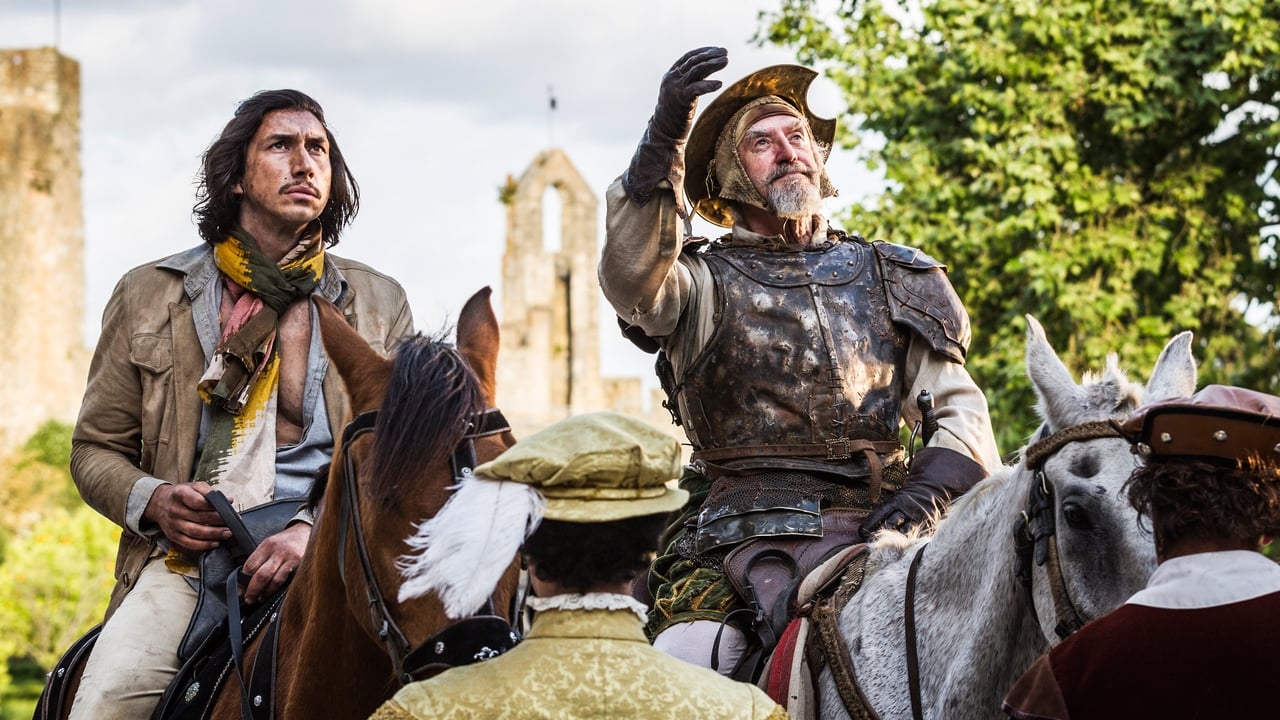
And honestly? It’s exactly the kind of beautiful, loud, exhausting mess you’d expect from the guy who gave us Brazil and 12 Monkeys.
The Movie That Refused to Die
The plot is a meta-fever dream. Adam Driver (who I’m convinced can play anything from a Sith Lord to a sensitive bus driver in Paterson) plays Toby, a cynical, high-fashion commercials director shooting a Quixote-themed ad in Spain. He’s bored, he’s arrogant, and he’s haunted by a "pure" student film he made in the same village ten years prior. When he goes back to find his original cast, he discovers he basically ruined their lives with the "magic of cinema."
The old cobbler he cast as Quixote, played with heartbreaking lunacy by Jonathan Pryce, now genuinely believes he is the Knight of the Woeful Countenance. He mistakes Toby for his squire, Sancho Panza, and drags him into a chaotic journey across the Spanish plains.
What follows isn’t a standard adventure. It’s a blurring of reality where 17th-century delusions crash into 21st-century Russian oligarchs and middle-management stress. Terry Gilliam makes movies that look like they were edited with a rusty chainsaw and a gallon of sangria, and I mean that as a high compliment. In an era of "content" that feels focus-grouped to death, there is something deeply refreshing about a film that feels this unhinged and personal.
Driver, Pryce, and the Art of Looking Distraught
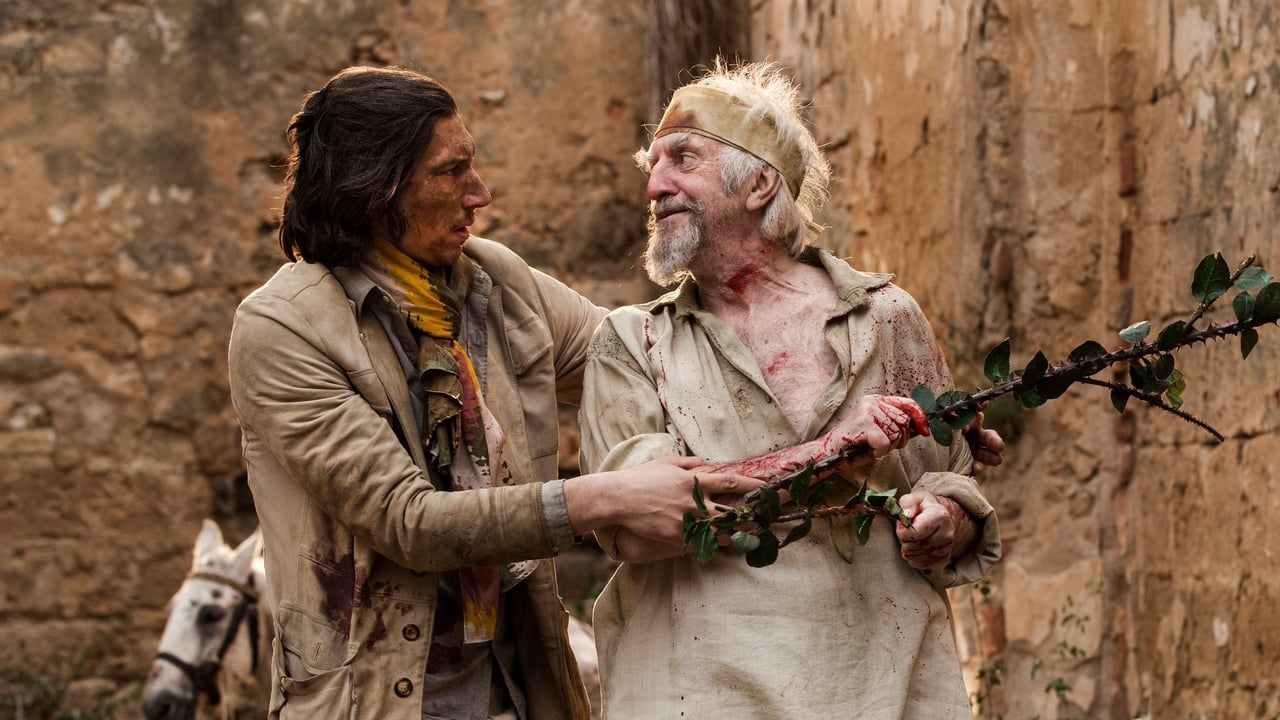
The chemistry between the leads is what keeps the wheels from falling off. Adam Driver is a physical comedy revelation here. He spends half the movie falling off horses or looking like a startled giraffe, and his transition from "annoyed hipster" to "reluctant believer" is surprisingly moving. Meanwhile, Jonathan Pryce—who has been with Gilliam since the 80s—delivers a performance that is both hilarious and deeply tragic. He isn't just a crazy old man; he’s the embodiment of the idea that reality is boring and we should all probably be tilting at a few more windmills.
The supporting cast is equally game for the madness. Stellan Skarsgård (fresh off making everything better in the Dune series and Andor) pops up as Toby’s boss, and Joana Ribeiro provides the film’s emotional anchor as Angelica, the girl whose life Toby inadvertently derailed.
Turns out, the production was almost as crazy as the script. Apparently, the film’s legal battles were so intense that for a few weeks in 2018, it wasn't even clear if the movie legally existed. It’s fitting for a story about a man chasing ghosts that the film itself was a ghost for thirty years. Also, if you’ve ever seen the documentary Lost in La Mancha, you know that the original attempt to film this in 2000 involved F-16 fighter jets screaming over the set and a literal flash flood that washed away the equipment. This 2018 version is the "safe" one, which tells you everything you need to know about Gilliam's career.
A Relic in the Age of Algorithms
Reviewing this in the contemporary landscape feels strange. We live in an age of seamless CGI, de-aging technology, and "Multiverses" where everything is explained by a glowing portal. The Man Who Killed Don Quixote rejects all of that. Its effects are often practical, its transitions are jarring, and it demands you just accept the logic of a dream.

It’s a glorious, staggering disaster that works precisely because it refuses to be polite. It’s an adventure film where the "treasure" is just the ability to keep dreaming when the world tells you to grow up. Is it too long? Probably. Does the third act get bogged down in a costume party that feels like it’s lasting three days? Definitely. But I’d rather watch Gilliam fail spectacularly at something original than watch another "Legacy Sequel" that hits the same four emotional beats we’ve seen a thousand times.
If you’re looking for a tight, logical narrative, look elsewhere. But if you want to see what happens when a director spends half his life trying to finish one thought, give this a spin. It’s a testament to stubbornness.
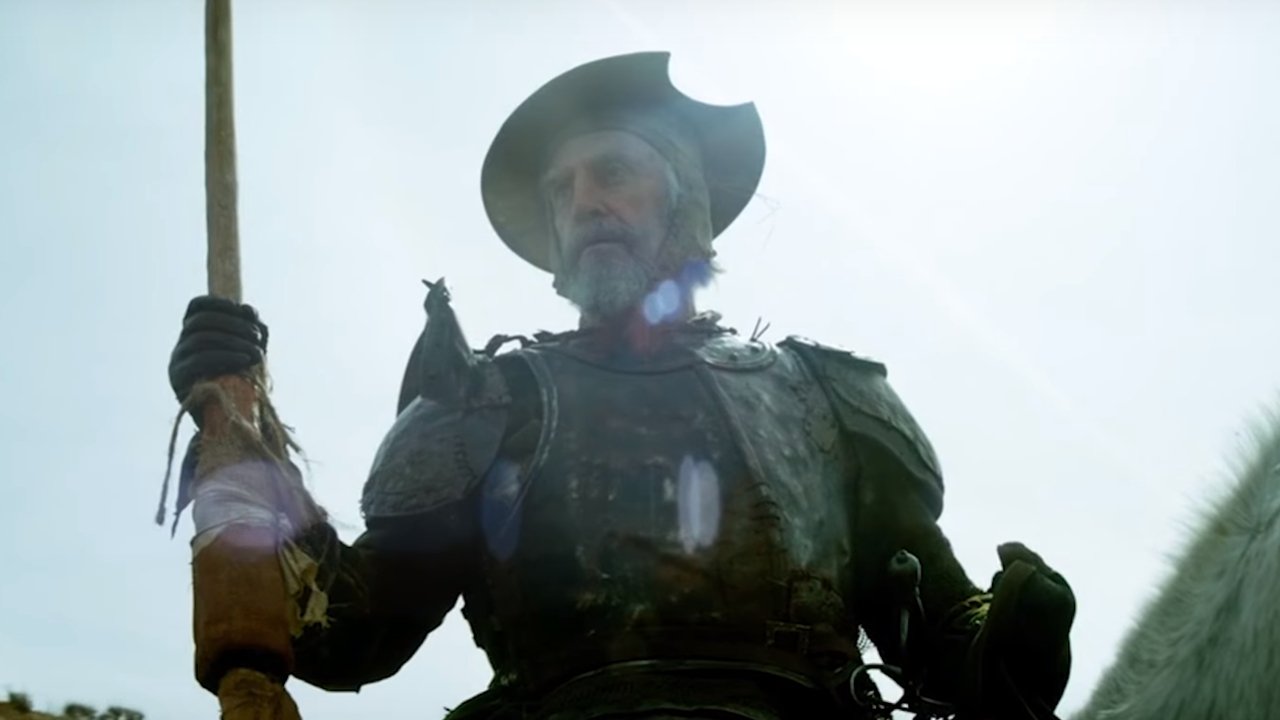
Ultimately, The Man Who Killed Don Quixote is a movie for people who love the process of movies. It’s messy, overstuffed, and occasionally frustrating, but it’s pulsing with a kind of creative energy that’s becoming rare in the streaming era. It’s a wild ride through the Spanish sun that reminds us that even if the windmills are just giants in our heads, the fight is still worth it. Grab a drink, ignore the logic, and just enjoy the sight of Adam Driver losing his mind in a suit of armor.

Keep Exploring...
-
The Adventures of Baron Munchausen
1988
-
Time Bandits
1981
-
The Brothers Grimm
2005
-
Fear and Loathing in Las Vegas
1998
-
Asterix: The Secret of the Magic Potion
2018
-
Dora and the Lost City of Gold
2019
-
Red Shoes and the Seven Dwarfs
2019
-
The Peanut Butter Falcon
2019
-

Boruto: Naruto the Movie
2015
-

Frozen Fever
2015
-
Justice League vs. Teen Titans
2016
-
Olaf's Frozen Adventure
2017
-
The Lego Ninjago Movie
2017
-
Early Man
2018
-
Smallfoot
2018
-
Missing Link
2019
-
Rim of the World
2019
-
The Angry Birds Movie 2
2019
-

The Christmas Chronicles: Part Two
2020
-
Clifford the Big Red Dog
2021