The Miseducation of Cameron Post
"Finding family in a place designed to break you."
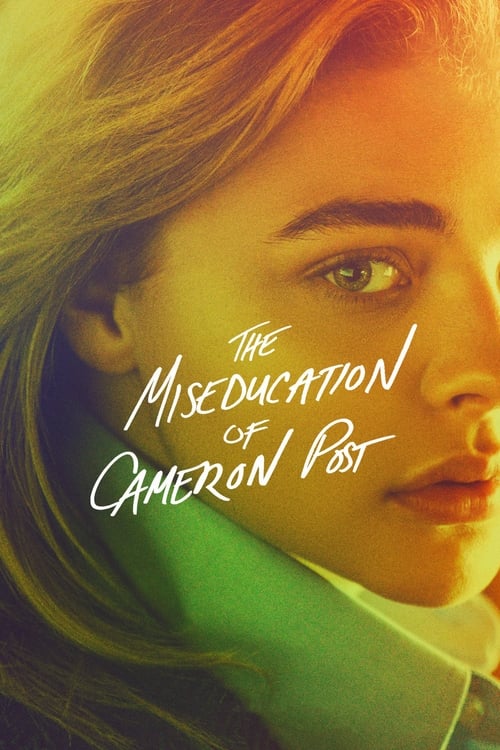
There is a specific kind of beige-colored dread that only exists in the basements of evangelical churches. It’s the smell of industrial carpet cleaner mixed with unvented earnestness, and Desiree Akhavan captures that suffocating atmosphere with terrifying precision in The Miseducation of Cameron Post. We aren't looking at the neon-soaked, Stranger Things version of the early 90s here. This is the 1993 of rural Pennsylvania—all wood-paneling, oversized sweaters, and the crushing weight of things left unsaid in the back of a Lincoln Town Car.
I watched this while drinking a lukewarm cup of Earl Grey that I’d forgotten to steep, which felt weirdly appropriate for the damp, muted atmosphere of the film. It’s a movie that doesn’t scream; it exhales a long, shaky breath.
The Fellowship of the "Disciples"
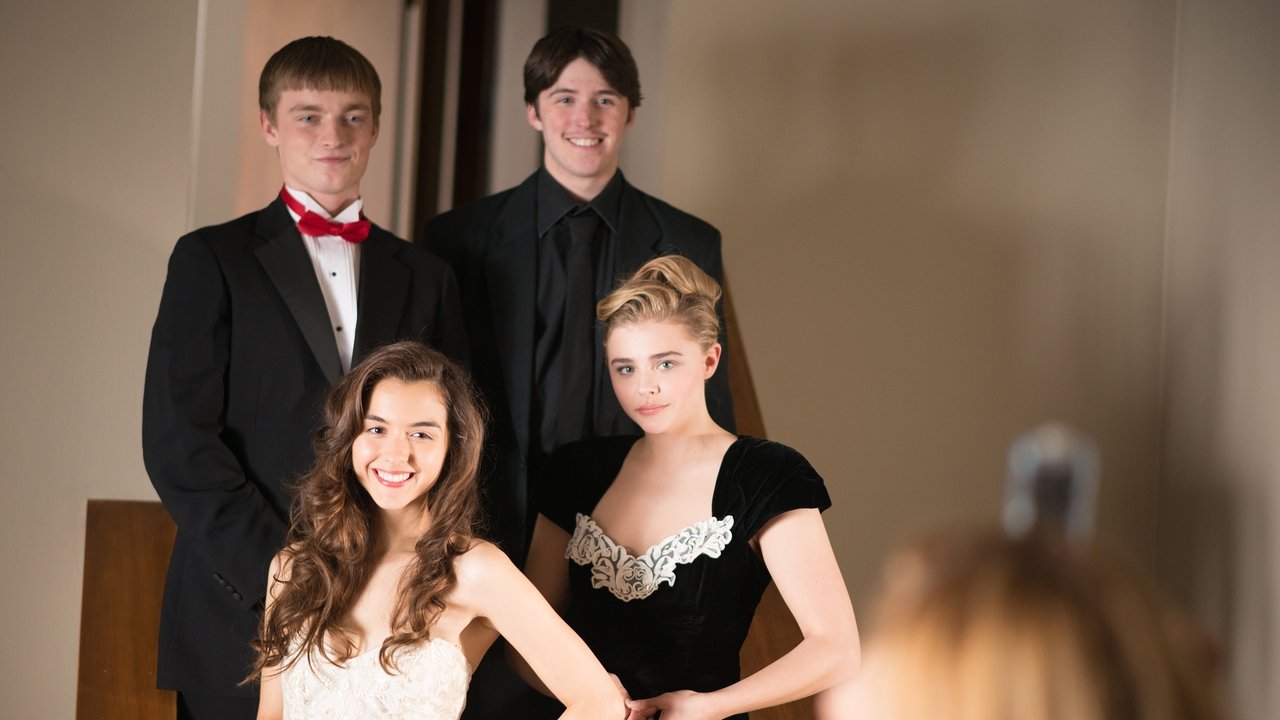
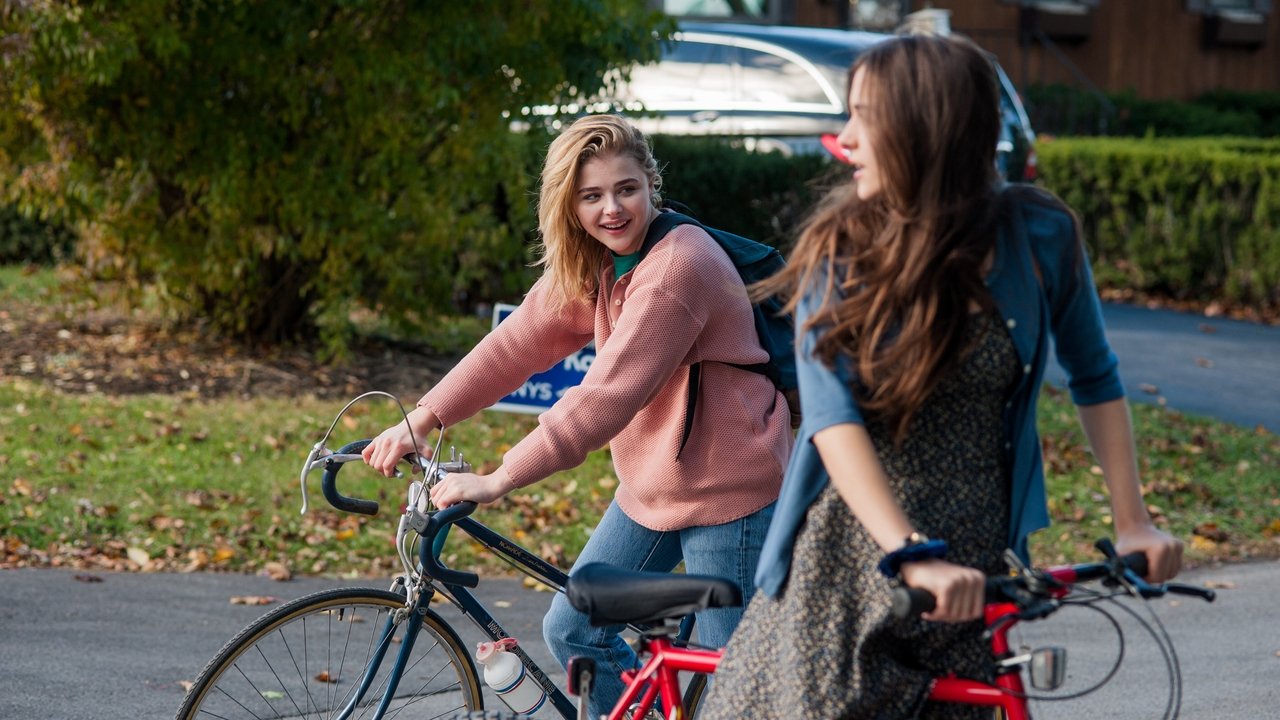
The film centers on Cameron (Chloë Grace Moretz), a high schooler who gets caught having a backseat tryst with her best friend on prom night. Her aunt's solution is "God's Promise," a conversion therapy center that looks more like a low-budget summer camp than a prison, which somehow makes it worse. Moretz gives a career-best performance here by doing remarkably little. She’s an observer, a girl trying to figure out if she’s "broken" while watching the adults around her stumble through their own fragmented logic.
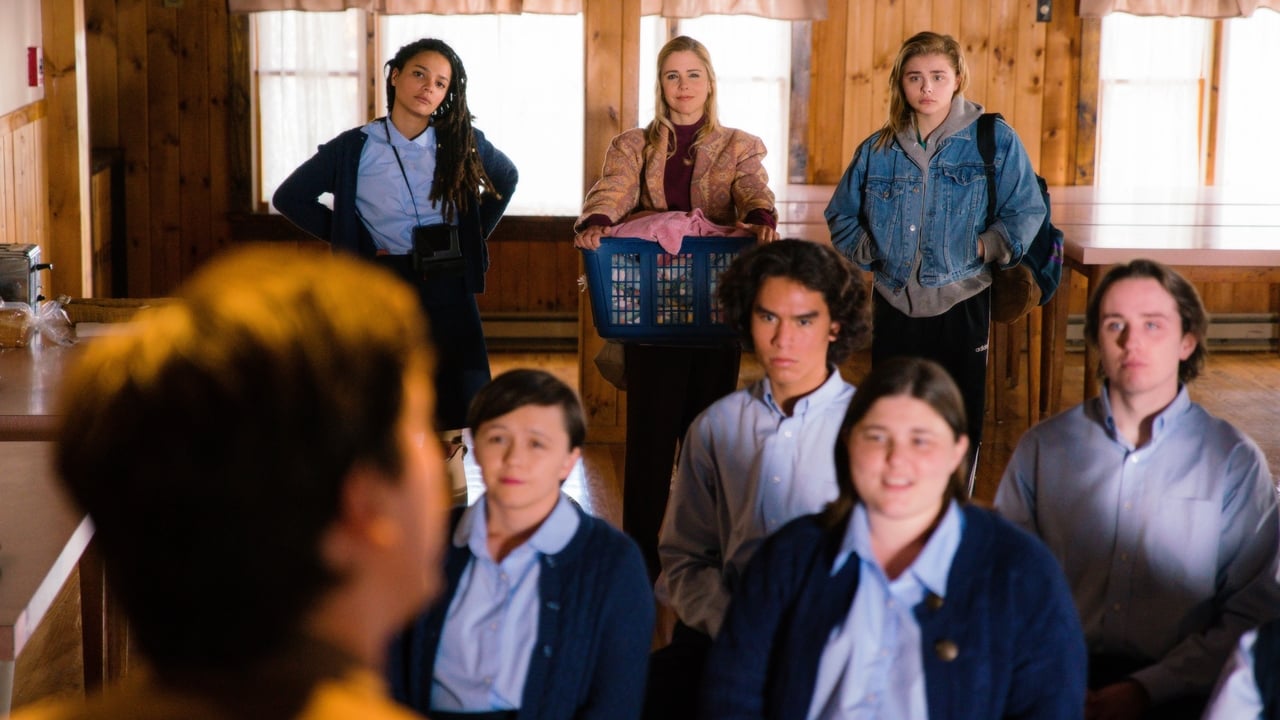
But the movie really finds its heartbeat when Cameron finds her tribe: Jane (Sasha Lane) and Adam (Forrest Goodluck). They call themselves the "Cape Dwellers," the kids who have figured out how to perform the rituals of repentance while keeping their souls intact. Sasha Lane—who was so electric in American Honey—brings a grounded, cynical warmth to Jane, a girl who hides weed in her prosthetic leg. Forrest Goodluck (last seen getting put through the wringer in The Revenant) provides a quiet, watchful dignity as a Lakota teen whose presence highlights the intersectional failures of the "treatment" they’re enduring. The chemistry between these three doesn’t feel like "movie friendship"; it feels like the desperate, essential bonding of soldiers in a foxhole.
Terror in a Cardigan

What makes The Miseducation of Cameron Post so effective—and arguably more haunting than the starrier, glossier Boy Erased—is that it refuses to make its antagonists into monsters. Jennifer Ehle plays Dr. Lydia Marsh with a chilling, soft-spoken maternalism. She’s not hitting anyone; she’s just calmly explaining that your identity is a "symptom" of a "respiratory bypass." It’s gaslighting disguised as a hug, and it’s one of the most unsettling things I’ve seen in a modern drama.
Then there’s Reverend Rick, played by John Gallagher Jr. (who I still adore from The Newsroom). Rick is a "success story," a man who claims to have been "cured." Gallagher Jr. plays him with a forced, desperate cheerfulness that is genuinely heartbreaking. You can see the cracks in his foundation every time he picks up a guitar. It’s a masterful bit of acting that shows the audience exactly what "success" in this facility actually looks like: a hollowed-out man trying to smile his way through a permanent identity crisis. I honestly think Rick’s beard is the most deceitful character in the entire film; it’s trying so hard to scream 'masculine' while the man behind it is whispering for help.
The $900,000 Miracle
From a production standpoint, this film is a masterclass in independent resourcefulness. Desiree Akhavan shot this in just 23 days in upstate New York on a budget of $900,000—that’s less than some Marvel movies spend on a single day of craft services. You can feel that lean, hungry energy in the filmmaking. Ashley Connor’s cinematography avoids the "indie-fuzz" look, opting instead for a crisp, observational style that lets the performances breathe.
In the current era of streaming saturation, where every "issue movie" feels like it’s being focus-grouped for maximum social media engagement, Cameron Post feels refreshingly personal. It’s an indie gem that won the Grand Jury Prize at Sundance because it cares more about the internal lives of its characters than the political points it could be scoring. It’s not a "trauma porn" movie designed to make you cry; it’s a coming-of-age story about the moment you realize the adults in the room don't actually have the answers.
The film ends on a note that I found perfectly pitched—not a Hollywood explosion of justice, but a quiet moment of reclamation. It’s a reminder that sometimes the greatest act of rebellion is simply refusing to be "fixed" when you aren't actually broken. If you’re looking for a drama that honors the complexity of the human spirit without drowning it in sentimentality, this is the one. Just make sure your tea is actually steeped before you hit play.

Keep Exploring...
-
Bone Tomahawk
2015
-

Hunt for the Wilderpeople
2016
-

Moonlight
2016
-
Swiss Army Man
2016
-

The Witch
2016
-

A Ghost Story
2017
-

Good Time
2017
-

The Florida Project
2017
-

The Wall
2017
-

American Animals
2018
-
Arctic
2018
-
Eighth Grade
2018
-
First Reformed
2018
-

Forever My Girl
2018
-

mid90s
2018
-

Searching
2018
-

Late Night
2019
-

The Farewell
2019
-

Run
2020
-
Malcolm & Marie
2021