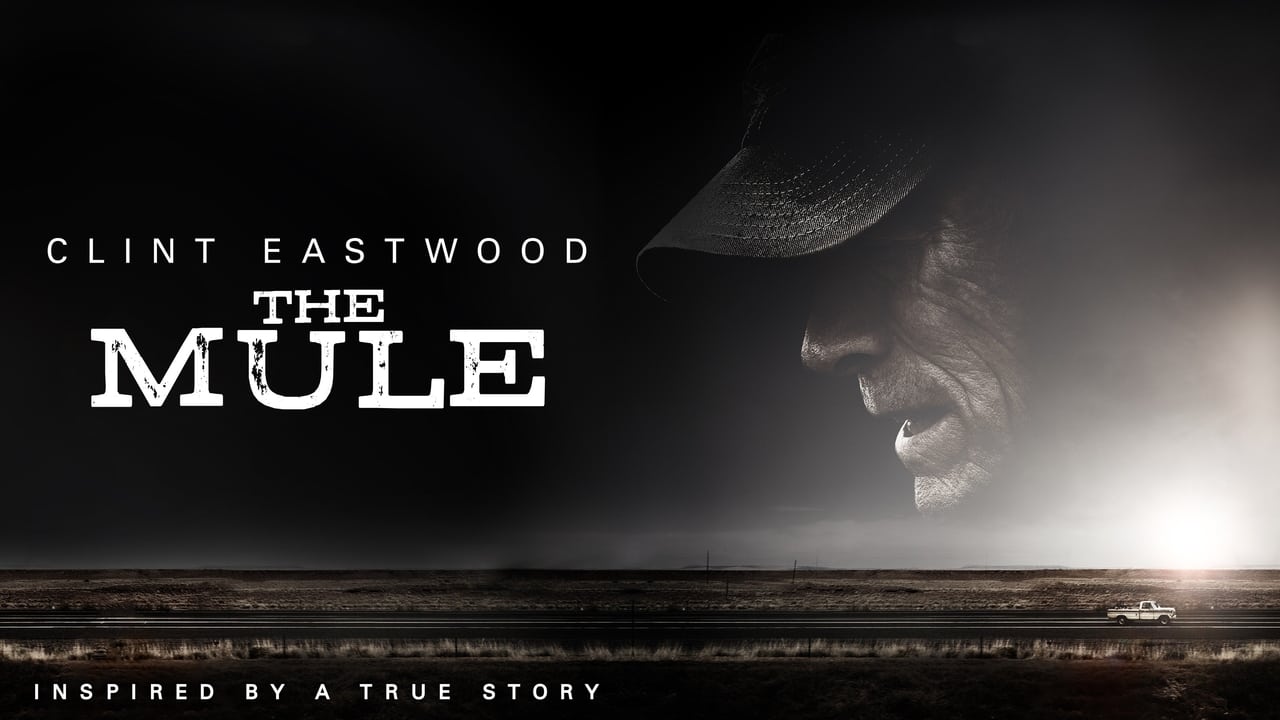
The Mule
"Old habits drive hard."
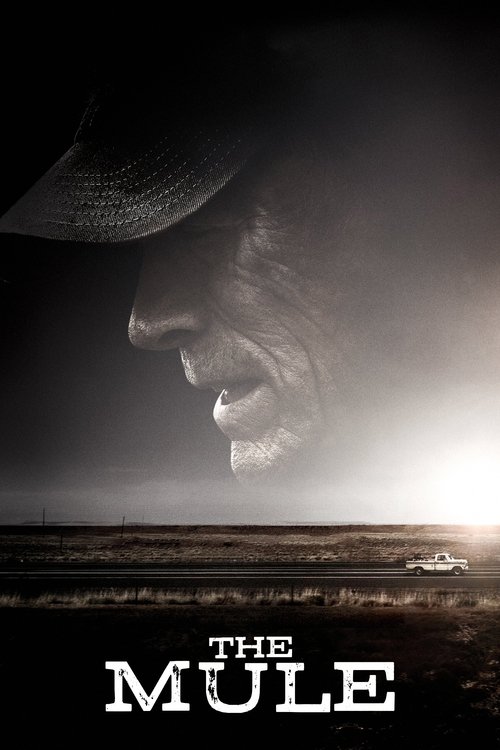
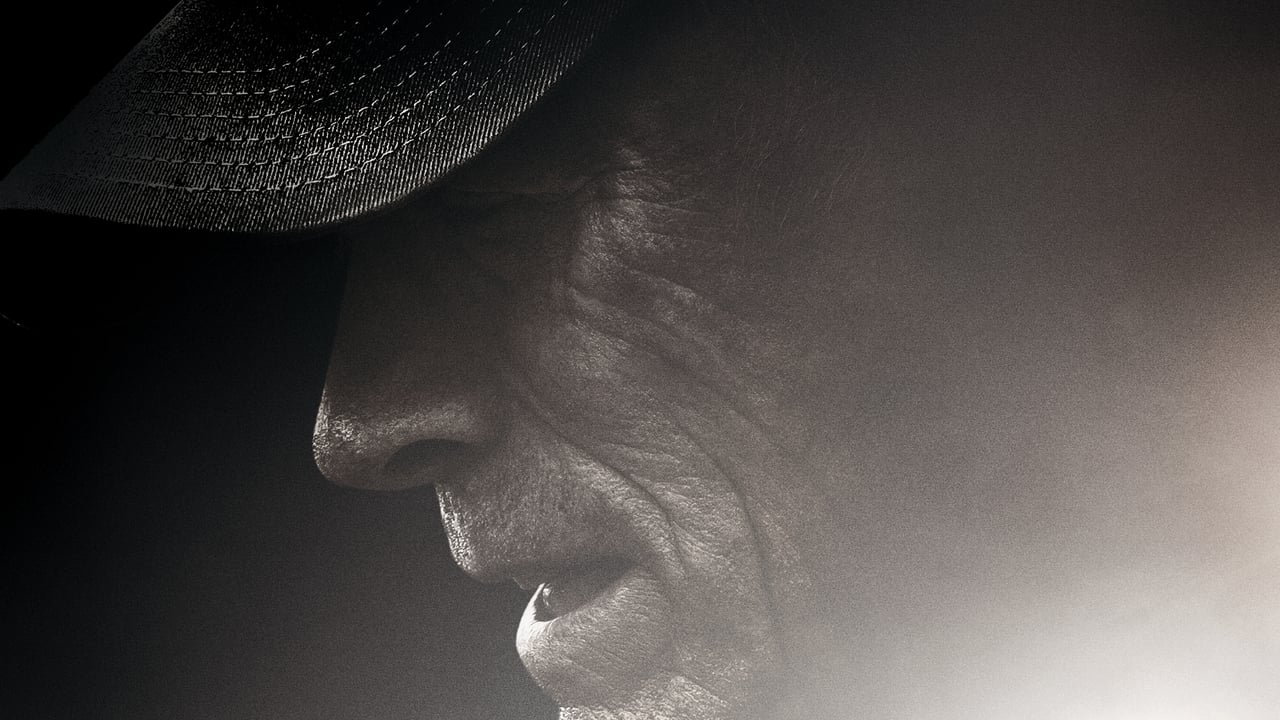
There is a moment early in The Mule where Clint Eastwood, playing a 90-year-old horticulturist named Earl Stone, stares at a smartphone with the same baffled suspicion I usually reserve for a self-checkout machine that won't stop shouting about an "unidentified item in the bagging area." In an era where cinema is increasingly dominated by de-aged superstars and digital environments, there is something profoundly jarring—and oddly comforting—about watching a man who looks exactly like his age, driving a real truck down a real highway.
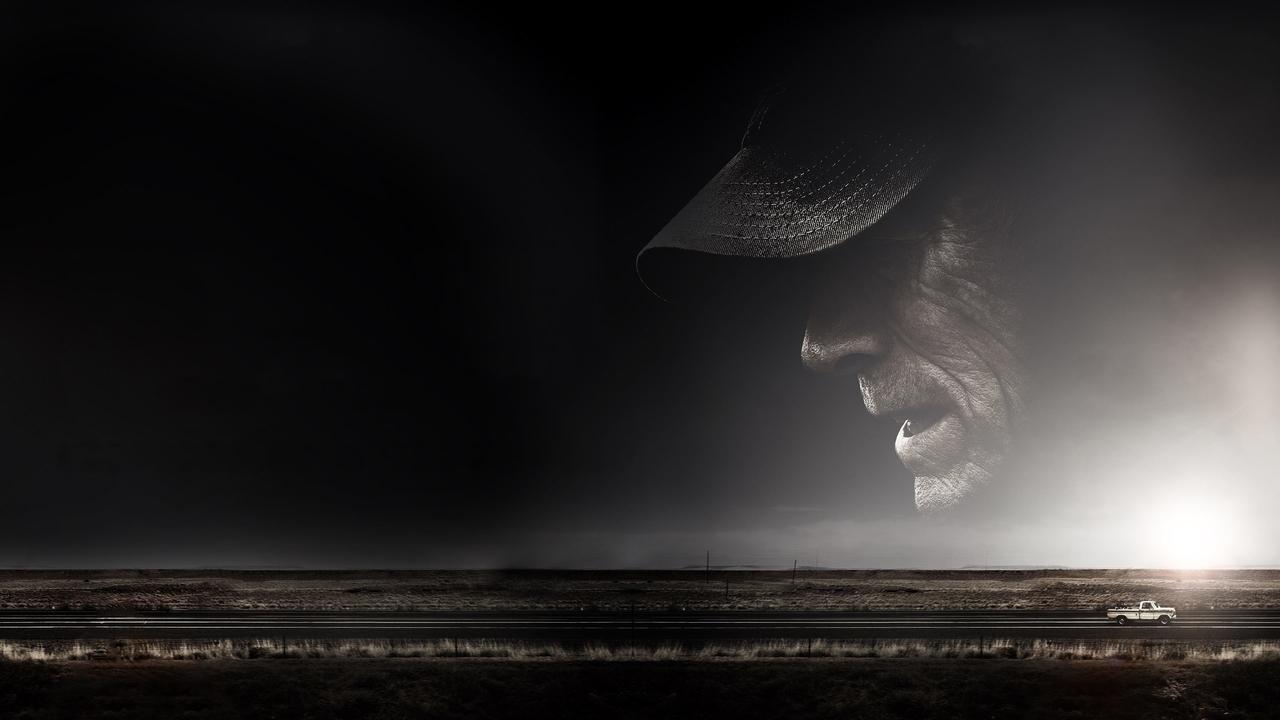
I watched this film on a Tuesday evening while my neighbor was apparently trying to set a world record for "longest time spent leaf-blowing a single driveway," and the rhythmic drone outside my window weirdly complemented the low-hum energy of Earl’s long hauls across the Midwest. It’s a "road movie" in the most literal sense, but it’s also a fascinating artifact of contemporary cinema: a mid-budget, star-driven drama that managed to pull in $174 million at the box office in the same year Thanos was snapping his fingers.
The Last of the Analog Outlaws
Earl Stone is not a "good" man, but he is a charming one. He’s a Korean War veteran who spent his life winning awards for his daylilies while systematically failing at being a father and husband. When the internet finally kills his brick-and-mortar flower business, he’s left with nothing but a rusted truck and a pristine driving record. This makes him the perfect "mule" for a Mexican cartel. They want someone who doesn't look like a criminal; they want the guy who stops to help a stranded family and offers them advice on their radiator.
The brilliance of the performance is that Clint Eastwood isn't trying to reclaim his Dirty Harry youth. He leans into the frailty. He shuffles. He sings along to Dean Martin on the radio. It’s basically 'Breaking Bad' if Walter White had a collection of Bing Crosby records and a chronic inability to use a smartphone. This lack of digital literacy is Earl’s superpower. The DEA, led by a sharp but overworked Bradley Cooper as Agent Colin Bates, is busy tracking encrypted pings and burner phones, while Earl is just a grandpa in a Ford F-150 who knows a great place for pulled pork.
A Different Kind of Legacy Sequel
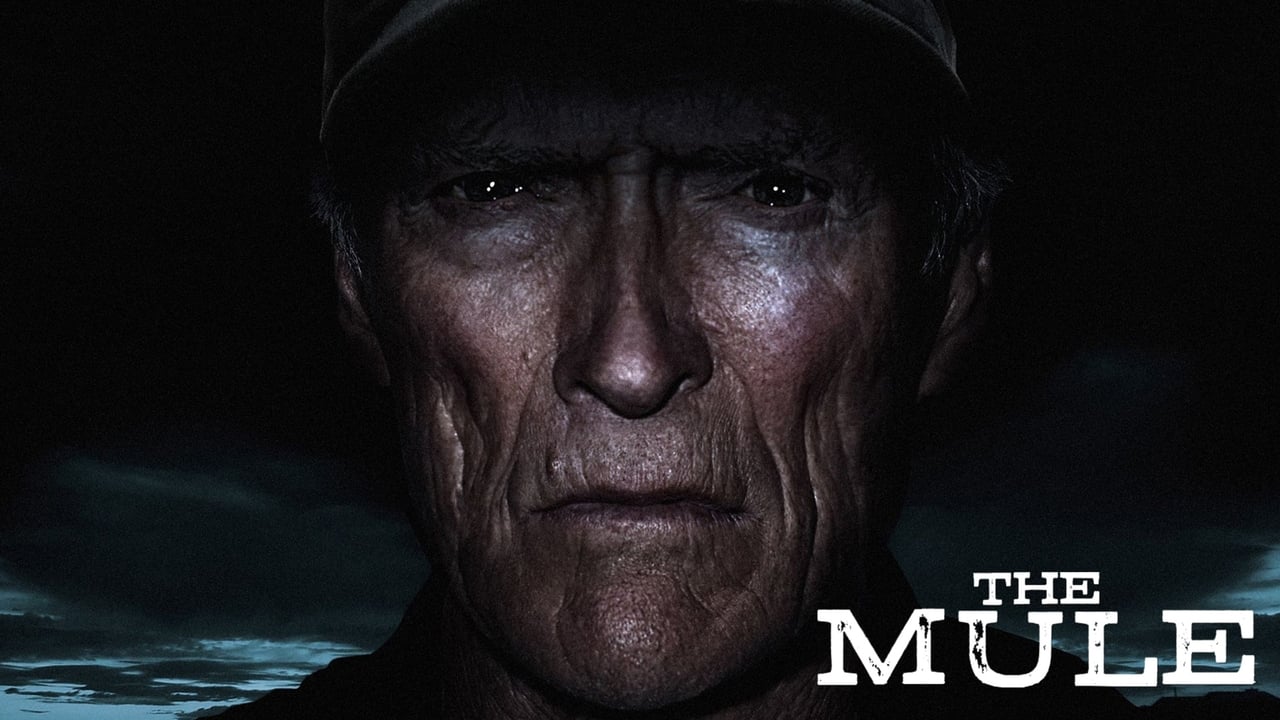
In the current landscape of "legacy sequels"—where we return to iconic characters decades later to see how they’ve aged—The Mule feels like a spiritual legacy sequel to Eastwood’s entire career. He’s exploring the wreckage of a life spent in the spotlight (or on the road) at the expense of home. Dianne Wiest delivers a heartbreaking performance as his ex-wife, Mary, providing the emotional gravity that prevents the film from becoming a breezy crime caper. When she tells him, "You didn't have to be successful for us to love you," you can feel the weight of every movie set Eastwood ever lived on instead of being at home.
Directorially, the film is "classic" to the point of being stubborn. There are no frantic cuts or shaky cams. Clint Eastwood (the director) lets Clint Eastwood (the actor) breathe. He captures the vast, lonely stretches of American highway with a clarity that feels increasingly rare in a world of green-screen "Volumes." It’s a film that trusts its audience to sit with a character’s regret.
The $174 Million Anomaly
What fascinates me most about The Mule’s place in 2018 is its massive commercial success. At a time when everyone was predicting the death of adult-oriented theatrical dramas, this movie proved that there is a massive, often ignored audience that just wants to see a story about people. It’s a blockbuster built on character beats rather than set pieces.
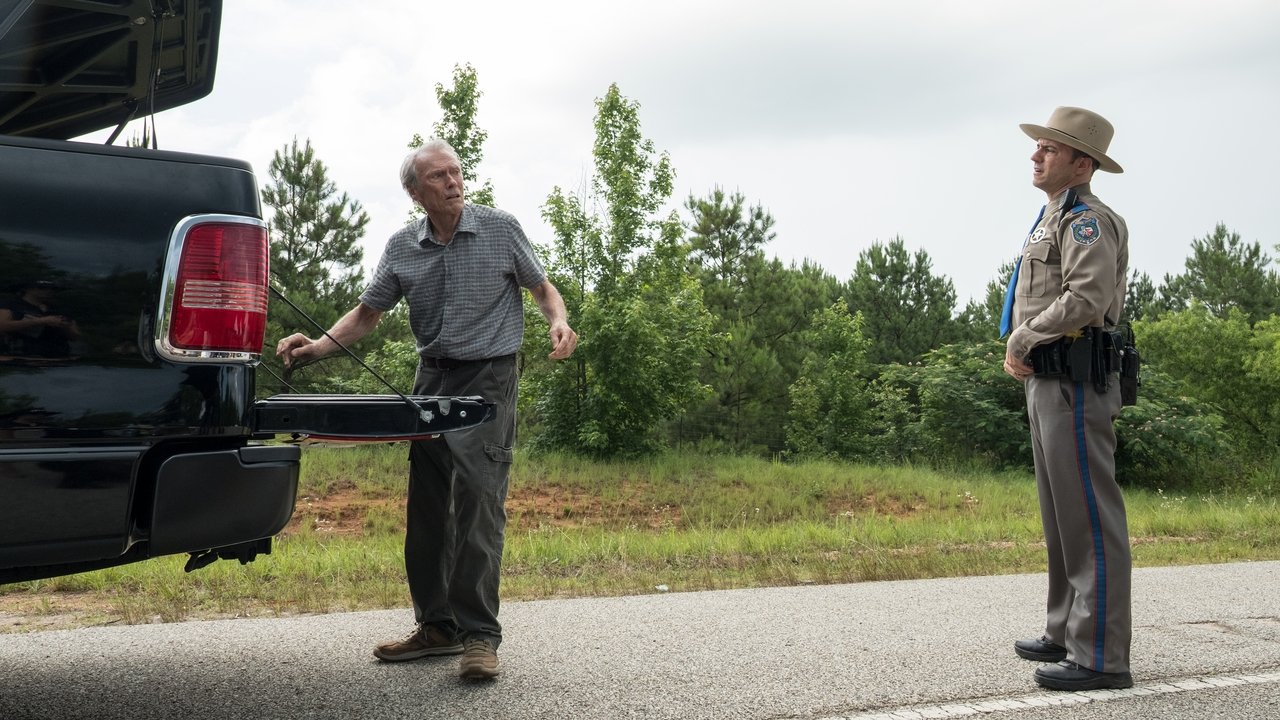
The supporting cast is overqualified in the best way. Laurence Fishburne and Michael Peña bring a procedural weight to the DEA side of the story, though their roles are admittedly thinner than the cartel side. Andy Garcia shows up as a cartel boss who seems more interested in Earl’s golf swing than his drug shipments, adding a touch of surrealism to the danger.
However, the film doesn't shy away from Earl’s flaws, including his casual, generational racism and sexism. Some critics found these scenes cringeworthy, but I'd argue they’re necessary. Earl isn't a saint being redeemed; he’s a relic trying to find a way to pay for his granddaughter’s wedding before he dies. The movie doesn't ask us to agree with him, but it does ask us to look at him.
Ultimately, The Mule works because it knows exactly what it is. It’s a lean, efficient drama about the high cost of being "somewhere else." While it might lack the gut-punch intensity of Unforgiven or the stylistic flair of Gran Torino, it offers a rare, meditative look at aging in a world that has moved on. It’s a film that understands that sometimes, the most dangerous thing you can do is simply keep driving.
The ending doesn't offer a Hollywood miracle, and thank God for that. Instead, it gives us a final image of a man finally staying in one place, tending to the flowers he once put before his family. It’s a quiet, somber conclusion to a film that successfully reminded us that there's still a place for the "old school" at the multiplex. It’s a journey worth taking, even if you’re just in it for the scenery and the singing.
Keep Exploring...
-

Cry Macho
2021
-
Sully
2016
-
Absolute Power
1997
-
Mystic River
2003
-
Murder on the Orient Express
2017
-
A Perfect World
1993
-
The Accountant
2016
-
Hustlers
2019
-
Richard Jewell
2019
-
War Dogs
2016
-
Sudden Impact
1983
-
I Care a Lot
2021
-
Wrath of Man
2021
-

Changeling
2008
-
Black Mass
2015
-

The Martian
2015
-
Jack Reacher: Never Go Back
2016
-
Live by Night
2016
-
American Made
2017
-
John Wick: Chapter 3 - Parabellum
2019