The Nun
"A gothic nightmare where the shadows have teeth."
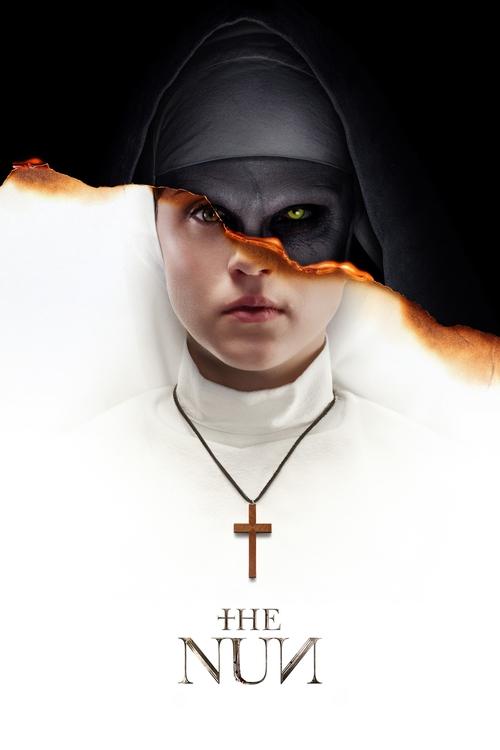
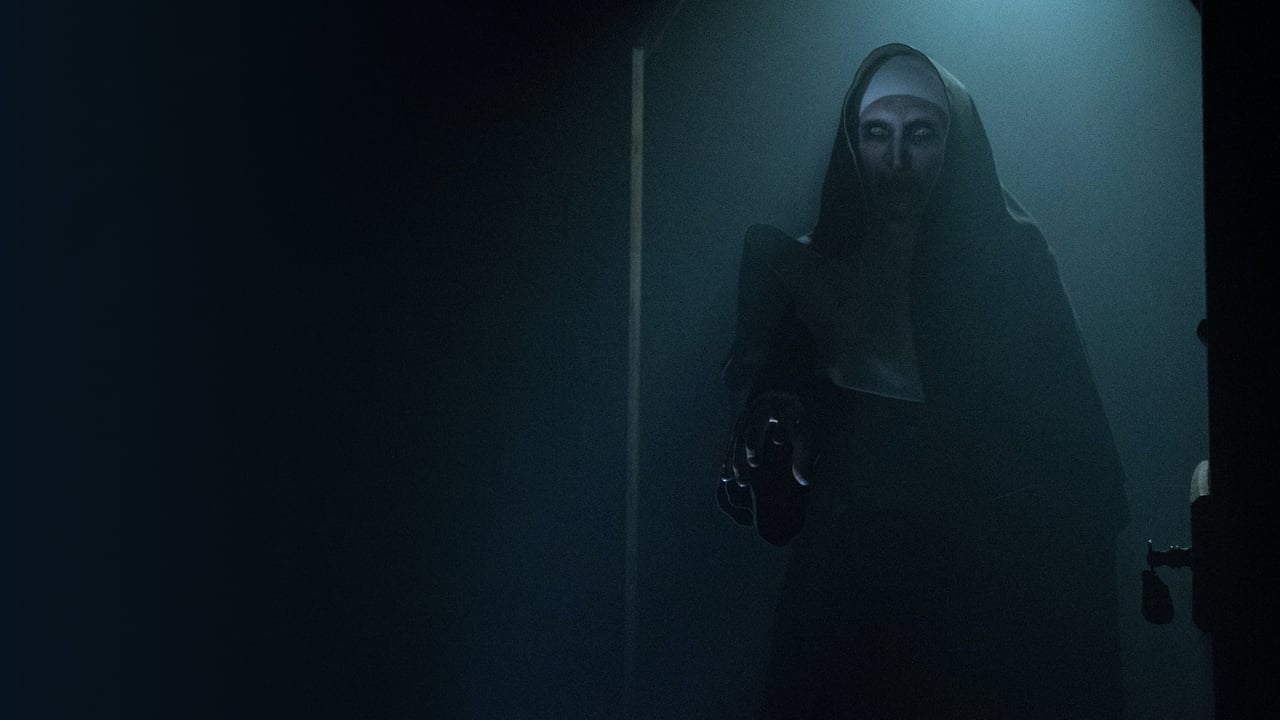
There is something inherently wrong with a face that looks like a chalkboard doodle gone sentient and malicious. That pale, elongated visage of Valak first peeked out from the shadows of The Conjuring 2 and immediately cemented itself as the new heavyweight champion of slumber party nightmares. By the time 2018 rolled around, the "Conjuring-verse"—the MCU of creaky floorboards and Catholic guilt—was in full swing, and James Wan (the architect behind Saw and Insidious) knew exactly what we wanted: a solo outing for the world’s least approachable sister of the cloth.
I’ll be honest: I saw this in a theater where the air conditioning was cranked so high I actually started shivering, and I was wearing an old wool sweater that was so itchy I spent most of the runtime scratching my arms. Between the freezing air and the frantic scratching, I was probably the most unsettled person in the front three rows, which, in a weird way, did a lot of the heavy lifting for the movie's atmosphere.
The Gospel According to Box Office
In the landscape of late 2010s cinema, The Nun is a fascinating beast. It arrived at the peak of franchise dominance, a moment where every minor character needed a three-film origin story. But while other franchises were crumbling under their own weight, Corin Hardy (who directed the wonderfully creepy The Hallow) delivered a $22 million gothic throwback that raked in over $360 million. Let that sink in. It’s a financial powerhouse that proves audiences still have an insatiable thirst for religious dread, especially when it's wrapped in a package this aesthetically pleasing.
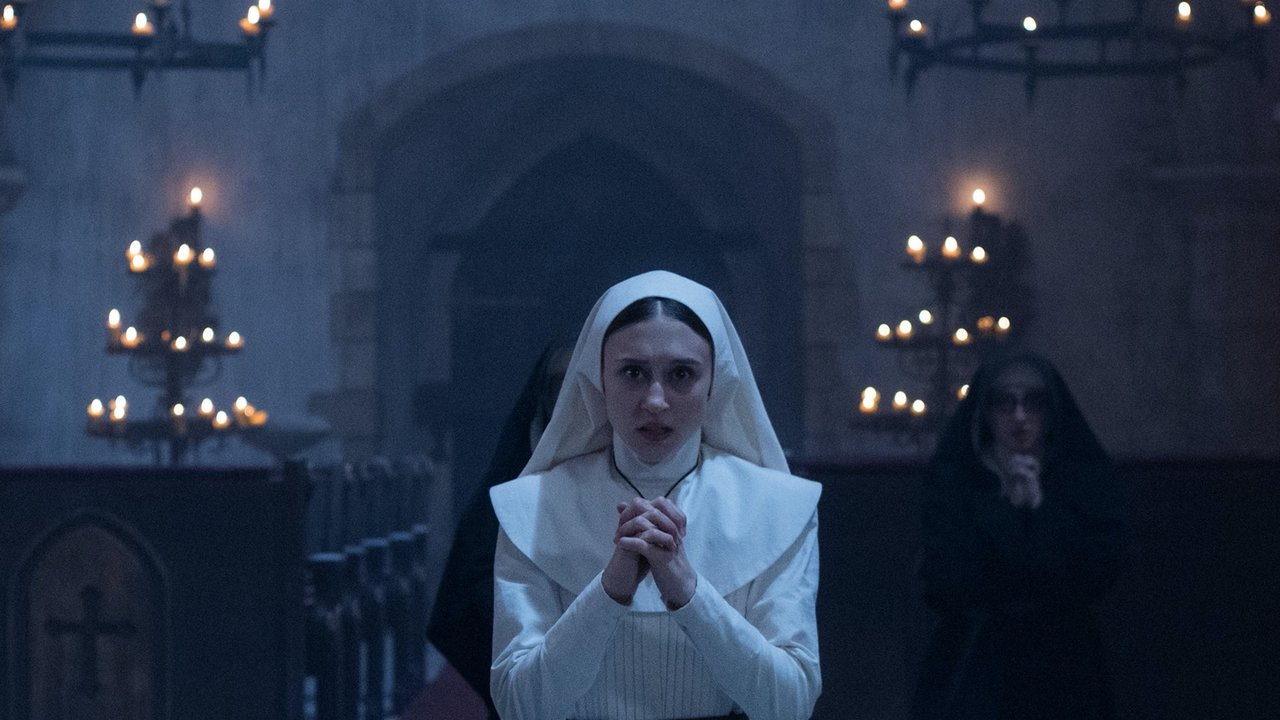
The plot is meat-and-potatoes horror: the Vatican sends a "miracle hunter" priest and a novice who hasn't taken her final vows to a crumbling Romanian abbey to investigate a suicide. Demián Bichir brings a weary, grizzled weight to Father Burke, while Taissa Farmiga—sister of the franchise’s matriarch, Vera Farmiga—plays Sister Irene with a wide-eyed sincerity that makes you genuinely worried she’s about to be eaten by a hallway. The casting of Taissa is a masterstroke of meta-textual DNA; she looks so much like her sister that the film feels tethered to the main Conjuring timeline through sheer genetics.
Fog, Stone, and Habitual Terror
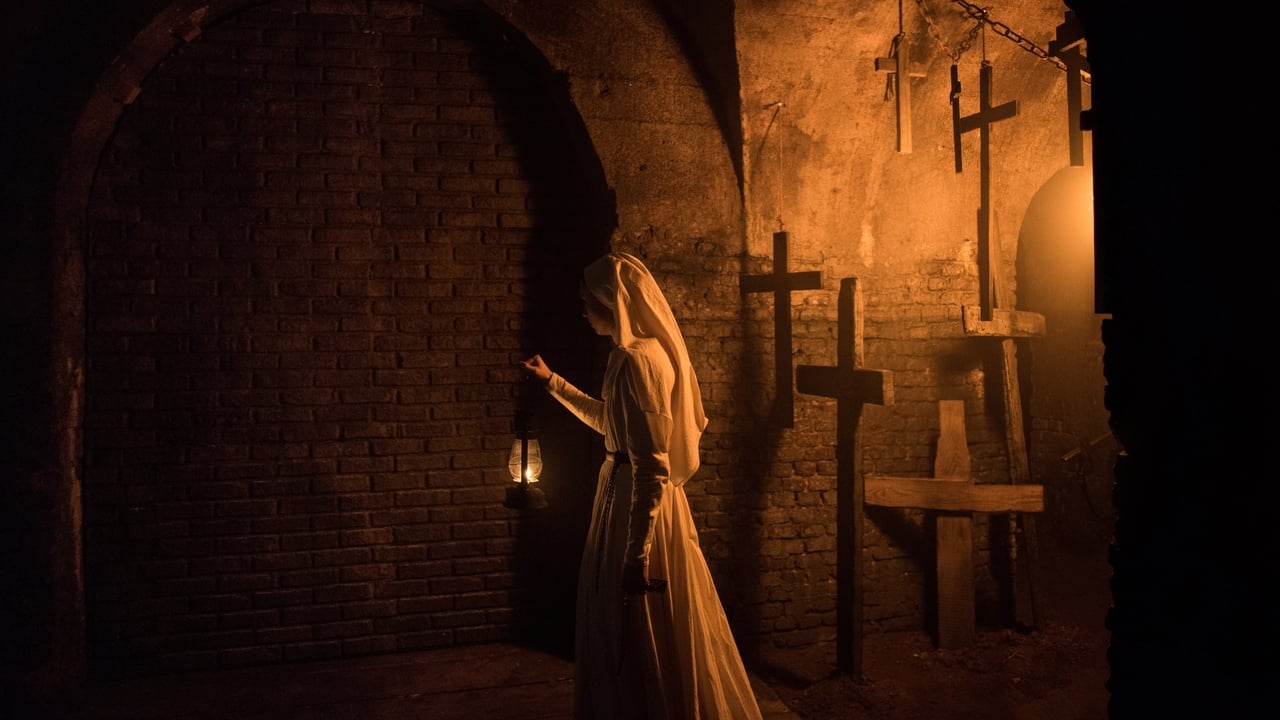
Visually, this film is a feast for anyone who misses the old Hammer Horror days. We’re talking about Maxime Alexandre’s cinematography, which treats the Romanian locations like a character itself. There is fog here that seems to have a personality—thick, soupy, and suspiciously convenient for hiding demons. The production design at the Castel Film Studios in Romania is top-tier; the abbey feels heavy, damp, and ancient. It’s the kind of place where you just know the plumbing is cursed.
However, we need to talk about the "fear mechanics." The Nun is essentially a 96-minute jump-scare delivery system, and while some of them are expertly timed, others feel like the movie is just screaming "BOO!" in your ear because it forgot to write a punchline. It leans heavily into the "thing standing silently behind someone" trope. It’s effective the first three times, but by the tenth time a shadow moves in the background, you start wishing Valak would just file her taxes or do something other than loiter.
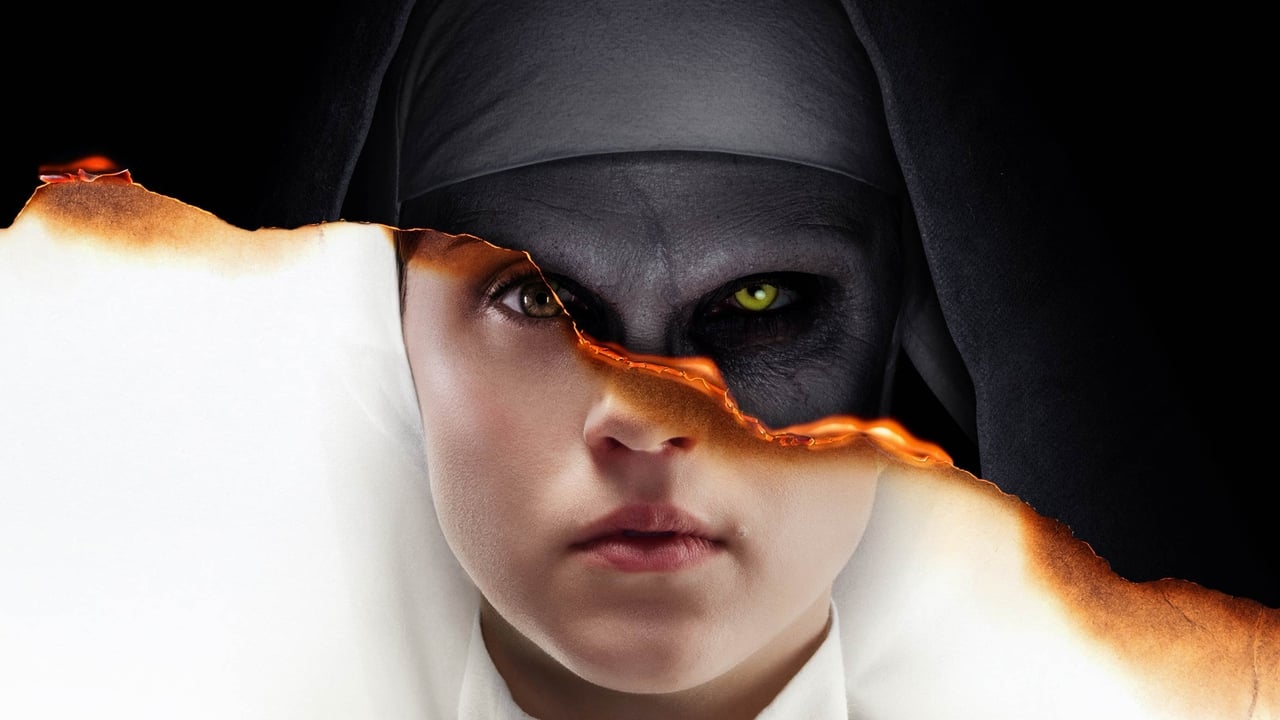
That said, Bonnie Aarons is a godsend—or perhaps a gift from the other place—as Valak. Her physical performance is terrifying without her even having to move. The makeup, which reportedly took two hours every day to apply, transforms her into something that taps into a very primal, lizard-brain fear of the uncanny. The movie works best when it stops trying to explain its own lore and just lets Aarons loom in a doorway like the world’s worst roommate.
A Ghost Story for the Viral Age
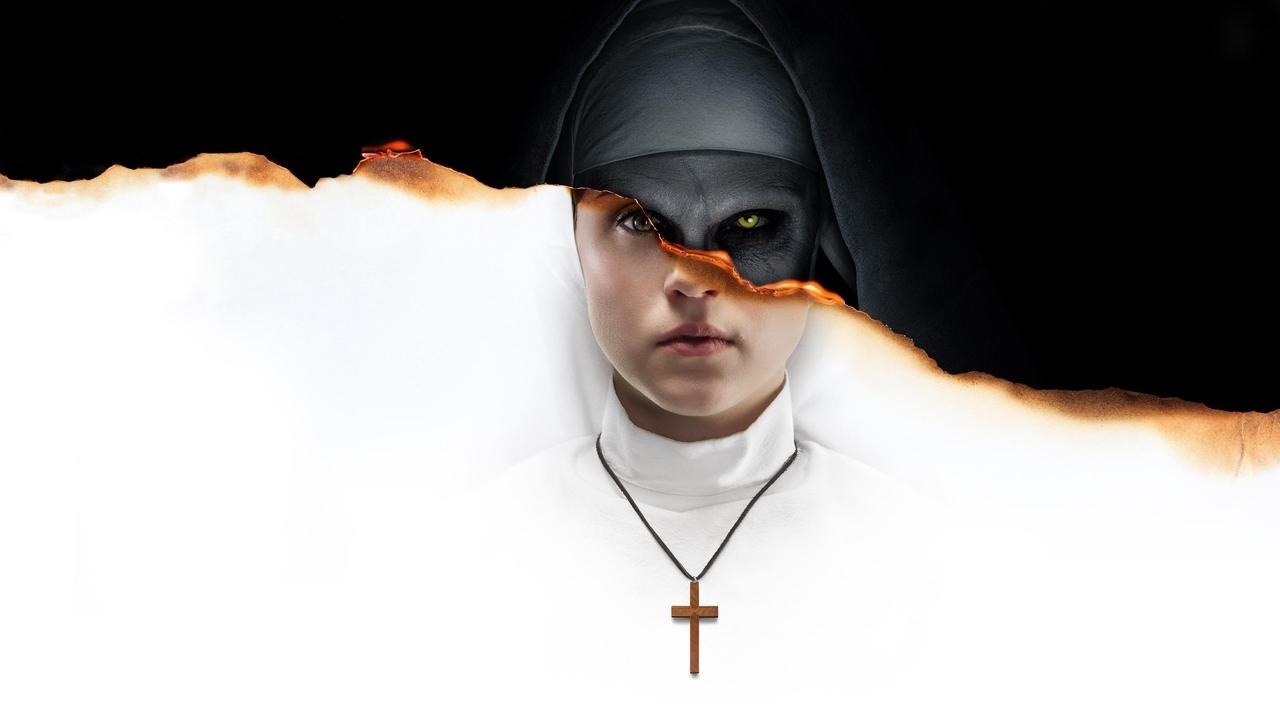
The marketing for The Nun was arguably as famous as the movie itself. Remember the six-second YouTube ad that got banned because it was just a volume-boosted jump scare? That’s the era this film belongs to—the era of "viral horror." It’s designed to be talked about, clipped, and reacted to on social media. It doesn't have the psychological depth of Hereditary (released the same year), but it doesn’t want to. It wants to be a fun-house ride.
One of my favorite "is this real life?" trivia bits is that Corin Hardy actually believes he encountered real ghosts while filming in a Romanic fortress. He claims he saw two men in a dark room, assumed they were crew members, and after he finished a shot, he turned around and they were gone. Whether it was spirits or just two very bored grips, it adds a layer of "on-set spookiness" that fits the film's brand perfectly. Also, the "Blood of Christ" plot point—which involves an ancient vial of literal holy blood—is so campy and over-the-top that it almost tips the movie into Indiana Jones territory. It’s a movie where a priest gets buried alive and has to be saved by a guy named "Frenchie" (Jonas Bloquet), and if you can't get on board with that, you're probably overthinking it.
The Nun isn't trying to reinvent the wheel; it’s just trying to make the wheel look like it’s haunted by a demonic entity. It’s a gorgeous, atmosphere-heavy romp through gothic tropes that occasionally sacrifices logic for a good "Gotcha!" moment. While it doesn't reach the emotional heights of the core Conjuring films, it remains a pillar of the modern horror boom. It’s the cinematic equivalent of a haunted house at a local fair: you know exactly where the scares are coming from, but you’re still going to jump when the air horn goes off.
Keep Exploring...
-
The Nun II
2023
-
Annabelle Comes Home
2019
-
Annabelle: Creation
2017
-
It Chapter Two
2019
-
Insidious: The Red Door
2023
-
Insidious: Chapter 3
2015
-

Resident Evil: The Final Chapter
2016
-
The Purge: Election Year
2016
-
The Shallows
2016
-

Jigsaw
2017
-

Halloween
2018
-

Insidious: The Last Key
2018
-

The First Purge
2018
-
Escape Room
2019
-
Pet Sematary
2019
-
The Curse of La Llorona
2019
-
Halloween Kills
2021
-
Halloween Ends
2022
-
Scream
2022
-
Smile
2022