Truth or Dare
"The game is real. The smile is permanent."
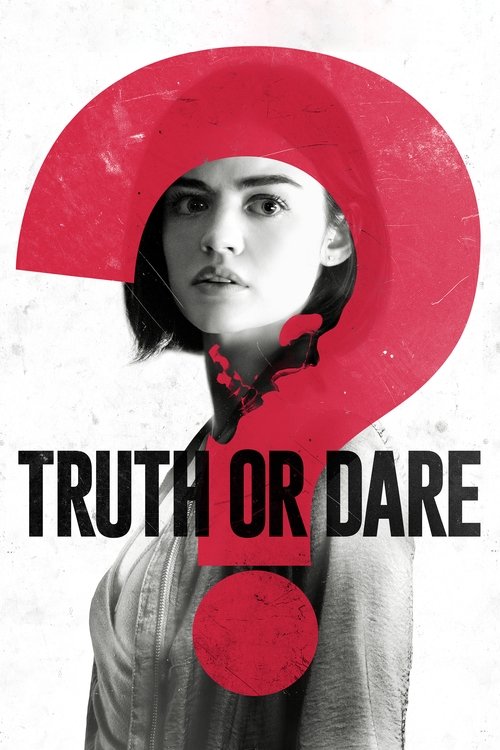
If you’ve ever wondered what it would look like if a demon spent its weekend binge-watching TikTok filters while possessing a group of mid-20s actors playing teenagers, Truth or Dare is your oddly specific answer. I remember seeing the first trailer for this back in 2018 and thinking that the warped, "Joker-lite" smiles on the characters’ faces looked like a glitch in the Matrix. It’s a visual choice that is either deeply unsettling or unintentionally hilarious, depending on how much wine you’ve had. I watched this most recently on a Tuesday evening while my neighbor was testing a new leaf blower for three hours straight, and honestly, the rhythmic drone of the landscaping equipment added a layer of industrial dread that the score didn't quite reach.
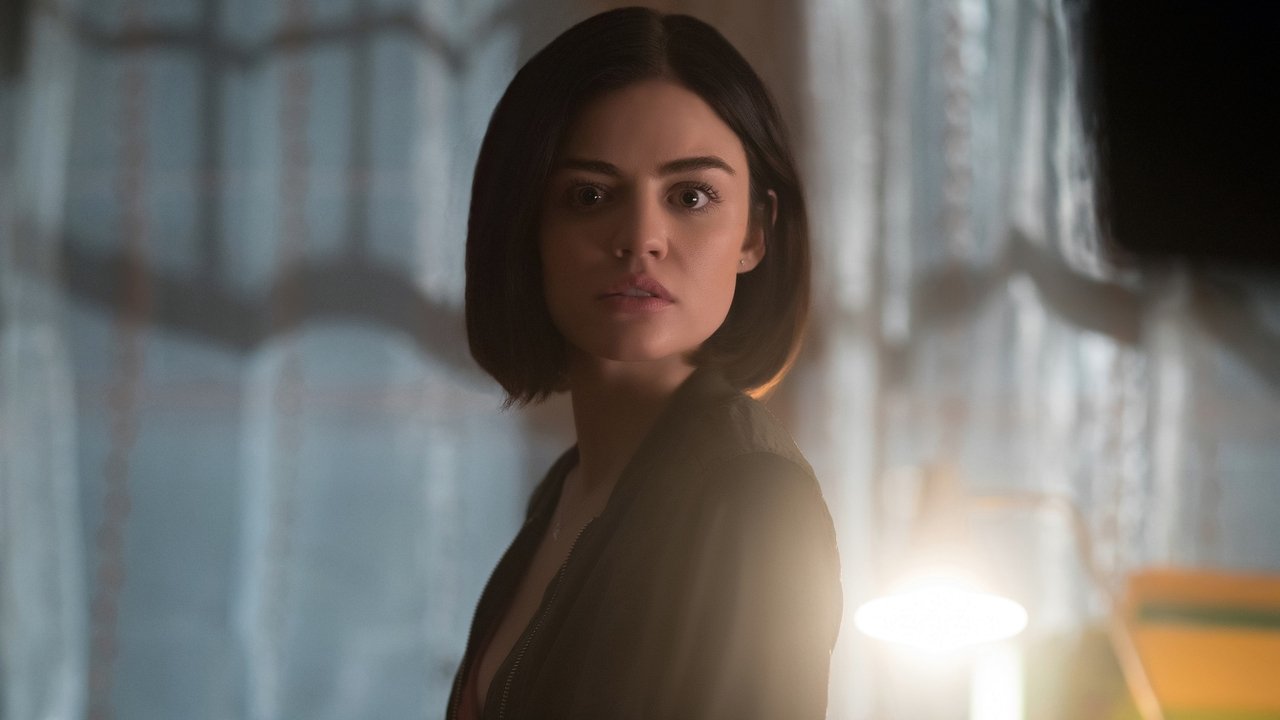
The Face That Launched a Thousand Memes
Let’s talk about "The Smile." Directed by Jeff Wadlow (who also gave us the hyper-violent Kick-Ass 2), the film centers on a group of college friends who head to Mexico for one last spring break hurrah. They meet a mysterious stranger, follow him to a creepy ruined church (Rule #1 of horror: never follow a stranger to a ruin), and engage in a game of Truth or Dare. The twist? The game follows them home, and if you don't play—or if you lie or chicken out on a dare—you die.
The manifestation of the game’s presence is that distorted grin. Apparently, the "Wadlow Smile" wasn't even in the original plan. Wadlow began doodling creepy faces on photos of the cast, and the production team realized they could achieve the look with some clever post-production "liquify" tools. It’s a classic example of contemporary horror: it’s essentially a Snapchat filter that went to private school and became a bully. While some critics loathed it, I think it works as a branding masterstroke. In an era where a movie needs to be "memeable" to survive the Friday opening night social media gauntlet, that face was pure marketing gold.
Blumhouse’s Micro-Budget Mastery
From a production standpoint, Truth or Dare is a fascinating case study in the Blumhouse Productions machine. Produced by Jason Blum, the film was made for a measly $3.5 million. To put that in perspective, that’s about the catering budget for a single week on a Marvel set. Yet, it raked in over $95 million. This is the "Indie-plus" model that has defined the last decade of horror: keep the overhead low, use a cast of rising stars from popular TV shows, and focus on a high-concept "hook" that can be explained in a single sentence.
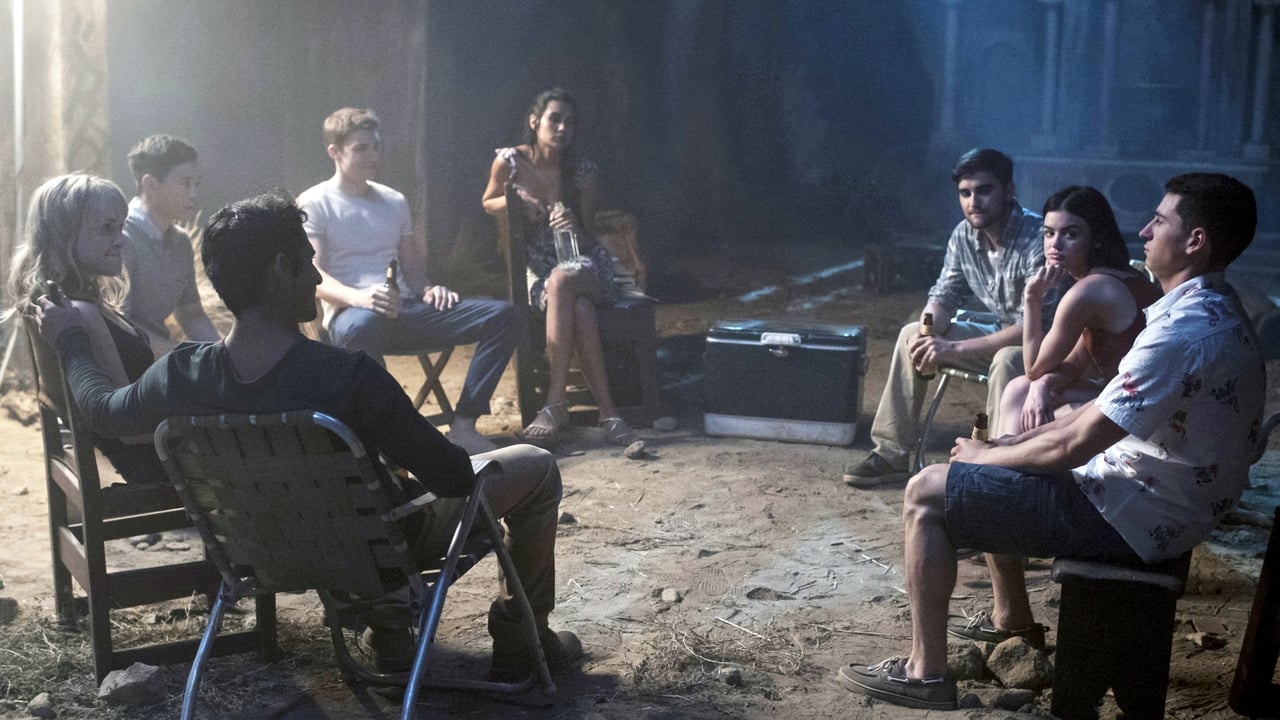
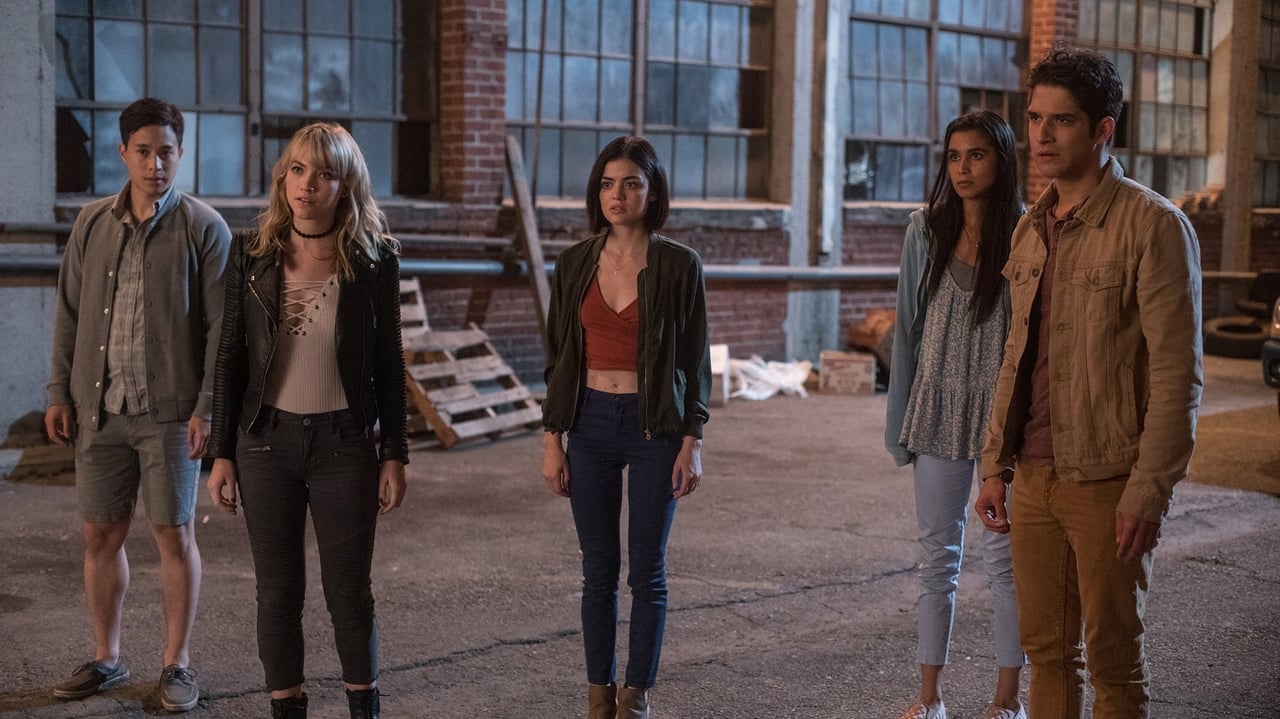
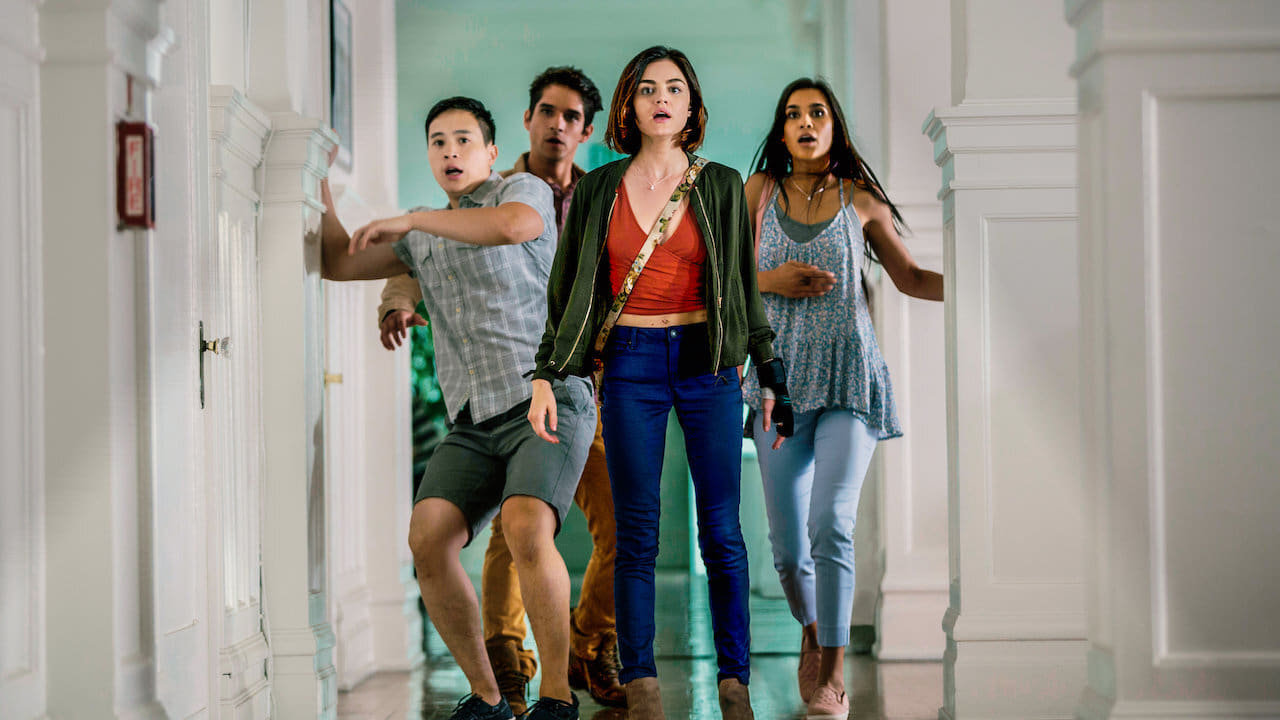
The cast is a "Who's Who" of 2010s television royalty. You’ve got Lucy Hale from Pretty Little Liars, Tyler Posey from Teen Wolf, and Violett Beane from The Flash. They bring a polished, professional energy to the screen that keeps the movie from feeling like a basement-budget amateur hour. Lucy Hale, in particular, sells the absolute hell out of the increasingly absurd stakes. She plays Olivia, the "moral center" of the group, with a sincerity that almost makes you forget she’s being haunted by a demonic board game.
The real standout for me, however, was Hayden Szeto as Brad. In a film that often feels like it's coasting on jump scares, Brad’s subplot—being forced by the game to come out to his authoritarian father—actually carries some genuine emotional weight. It’s a rare moment where the "Truth" part of the game feels more dangerous than the "Dare."
High Stakes and Demonic Logic
The internal logic of the film is where things get a bit... flexible. As the bodies start piling up, the characters realize the demon (named Calux, because every demon needs a name that sounds like a brand of luxury flooring) is playing for keeps. The sequences are inventive enough—Nolan Gerard Funk’s character Tyson has a particularly "medical" encounter with a dare that will make anyone who dislikes needles squirm.
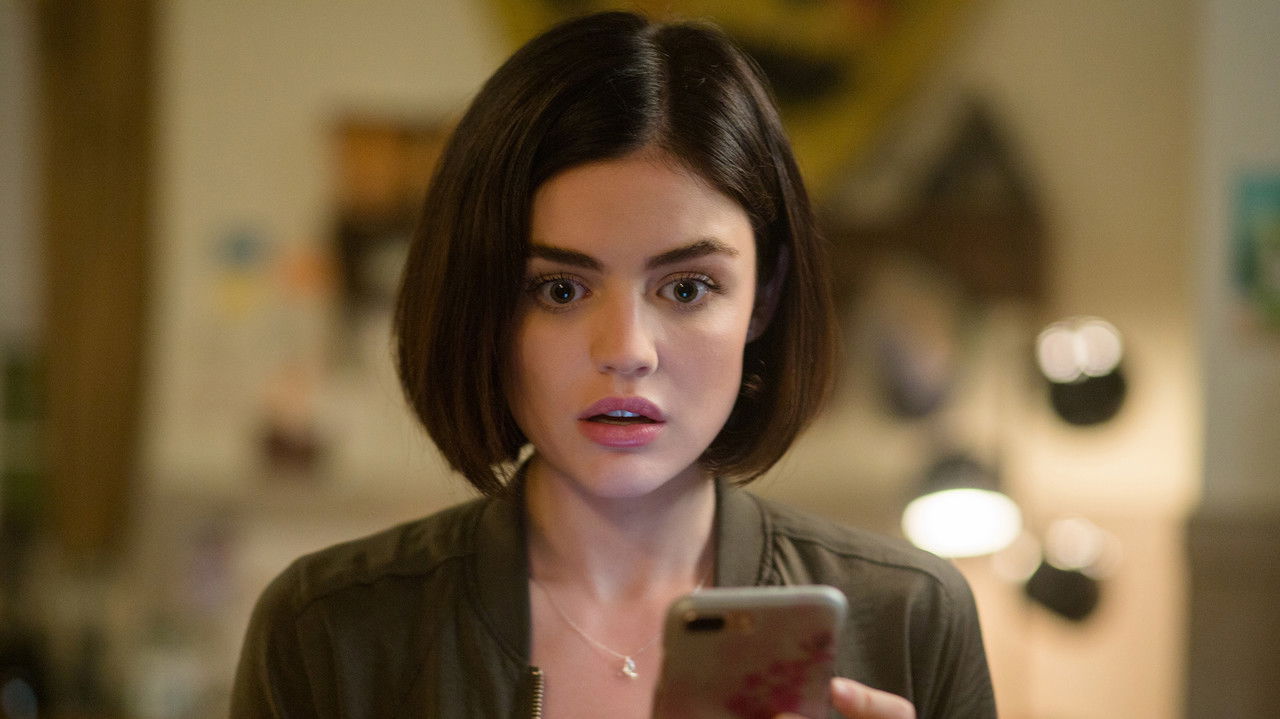
What makes Truth or Dare feel so "now" is the way it treats the viral nature of the curse. Without spoiling the ending, the film takes a hard turn into the ethics of the social media age. It asks: how much of the world are you willing to burn just to keep yourself and your best friend alive? It’s a cynical, bleak conclusion that feels very much in line with the "post-optimism" of the late 2010s. It’s basically a cosmic HR department with a lethal severance package, and the only way to win is to break the system entirely.
The cinematography by Jacques Jouffret (who shot The Purge) keeps things looking slick despite the limited budget. There are no groundbreaking visual metaphors here, but the lighting is moody, the kills are cleanly choreographed, and the pacing is relentless. It’s a 101-minute sprint that never stops to ask if its premise is silly—it just assumes you’re strapped in for the ride.
Truth or Dare isn't trying to be Hereditary or Get Out. It doesn't want to redefine the genre; it wants to give you a jump, a laugh, and a reason to talk to your friends about what you'd do in that situation. It’s a polished, efficiently engineered piece of entertainment that showcases how a small budget and a weird visual hook can conquer the box office. If you can lean into the "CW-horror" aesthetic and ignore the occasional lapse in character IQ, it’s a perfectly fun way to kill an evening. Just maybe stay away from ruined churches in Mexico for a while.
Keep Exploring...
-

Fantasy Island
2020
-
Circle
2015
-

Leatherface
2017
-

Terrifier
2018
-
Unsane
2018
-
The Rental
2020
-
Winchester
2018
-
Vivarium
2019
-

Subservience
2024
-
Hush
2016
-
The Invitation
2016
-
The Endless
2017
-
Barbarian
2022
-
Terrifier 2
2022
-
X
2022
-
Hidden
2015
-
I Spit on Your Grave III: Vengeance Is Mine
2015
-
Insidious: Chapter 3
2015
-
Regression
2015
-
The Visit
2015