Unsane
"The institution is the real monster."
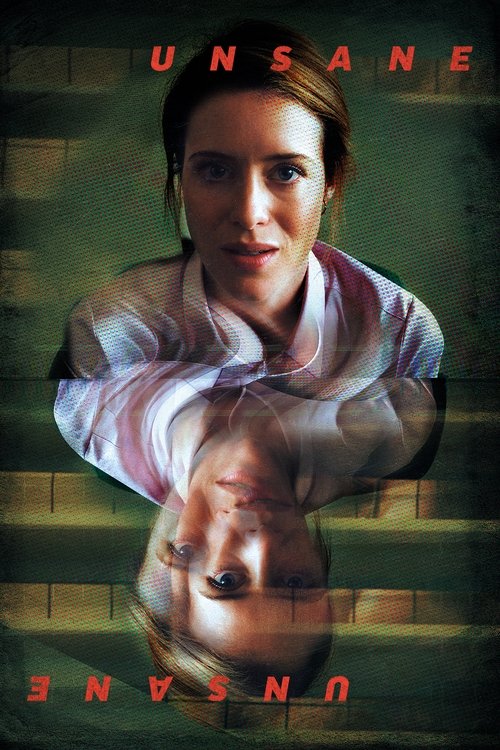
If you gave most A-list directors an iPhone 7 Plus and a few weeks of vacation time, they’d probably spend it taking blurry photos of their pasta in Tuscany. Steven Soderbergh, however, is not most directors. He’s the cinematic equivalent of a restless tinkerer who can’t stop taking the toaster apart just to see if he can make it brown the bread faster. In 2018, he decided to take the smartphone in his pocket and turn it into a high-tension psychological meat grinder.
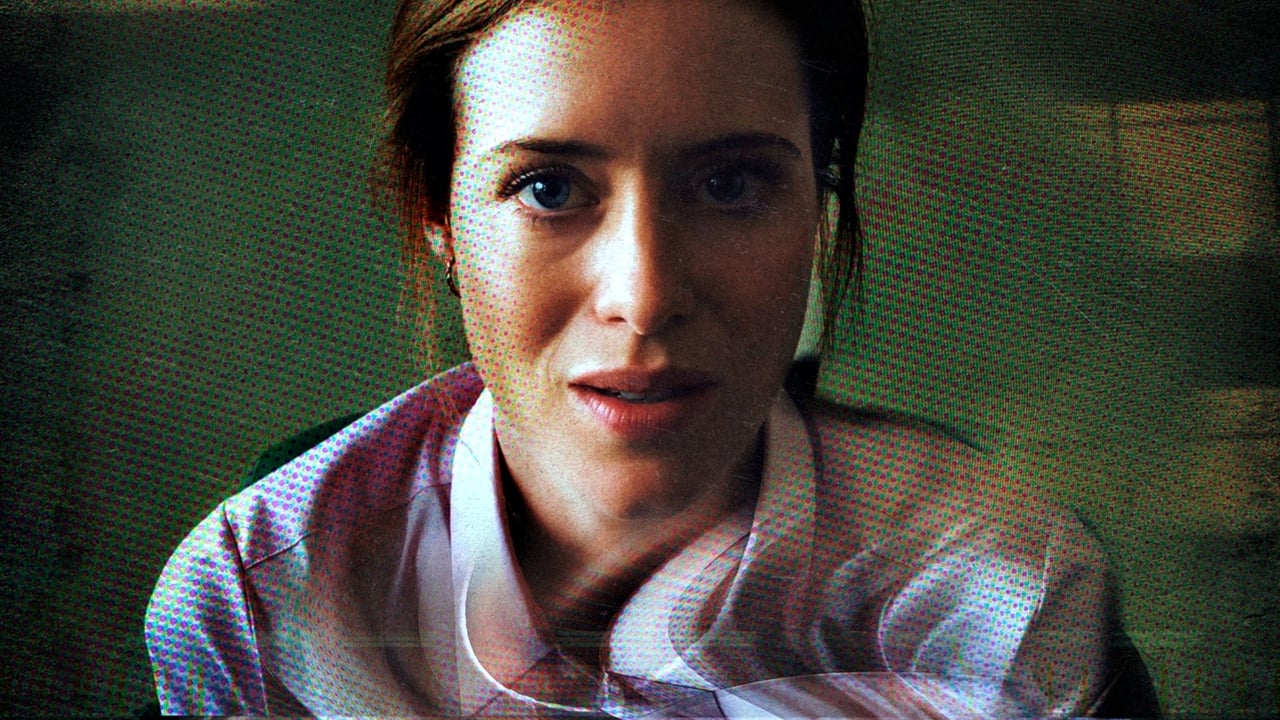
I watched this while wearing a wool sweater that was just a bit too itchy around the neck, and honestly, the physical discomfort of the fabric perfectly synchronized with the aesthetic nausea Soderbergh was pumping onto the screen. It’s a film that feels purposely "off," using the technological limitations of 2018 to its absolute advantage.
The iPhone Aesthetic as a Weapon
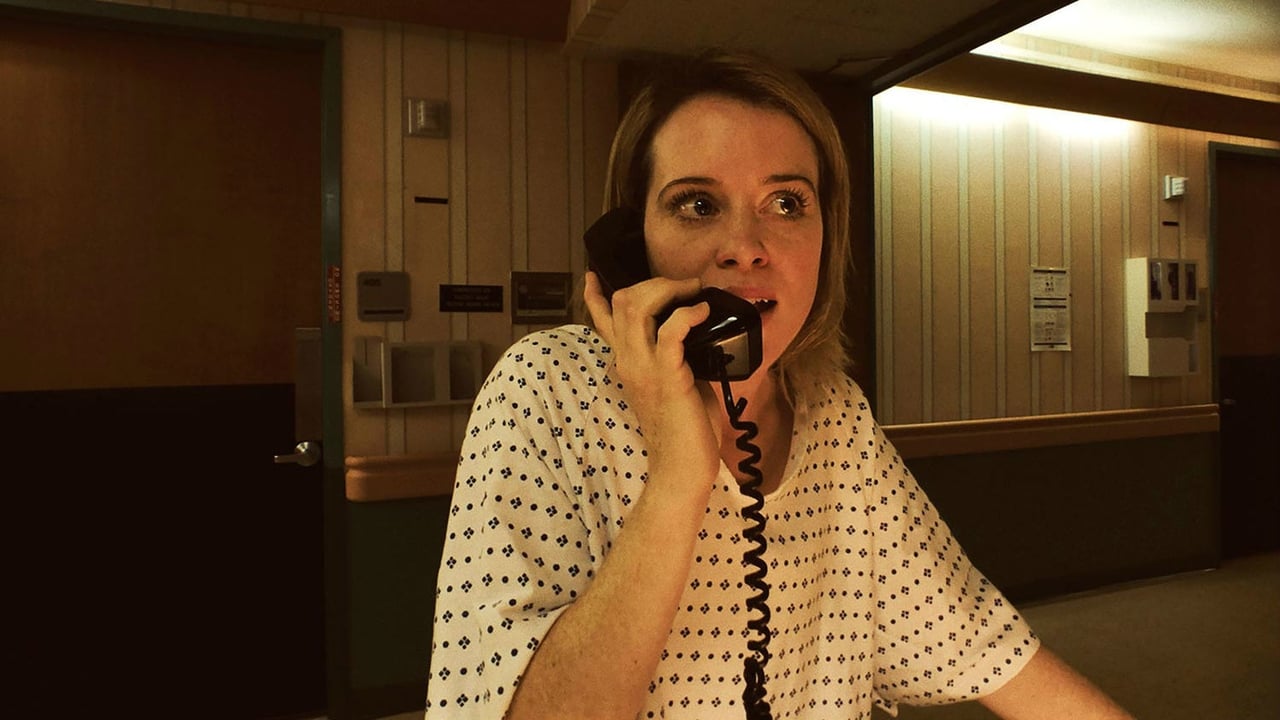
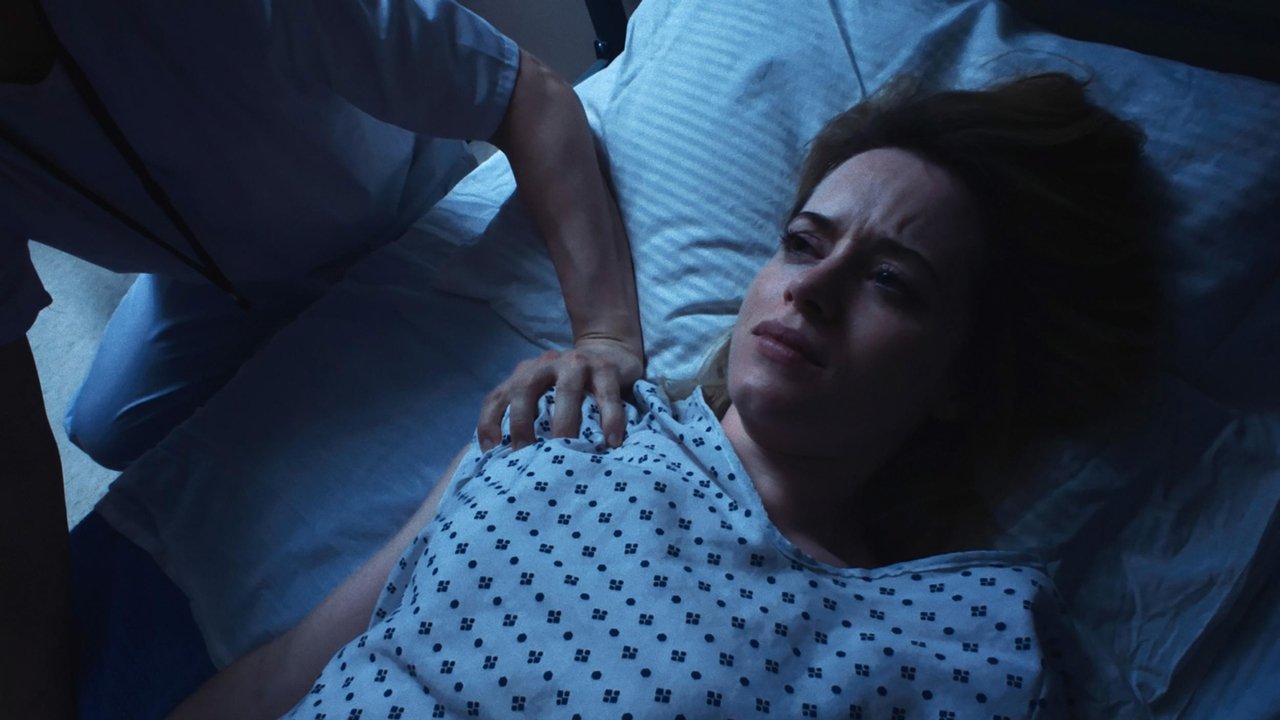
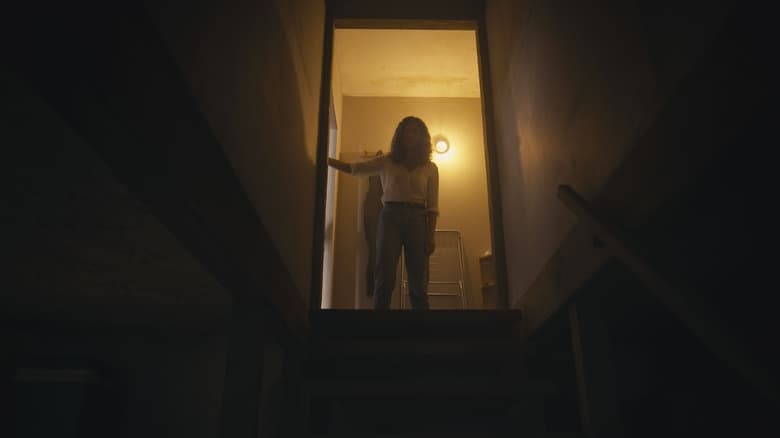
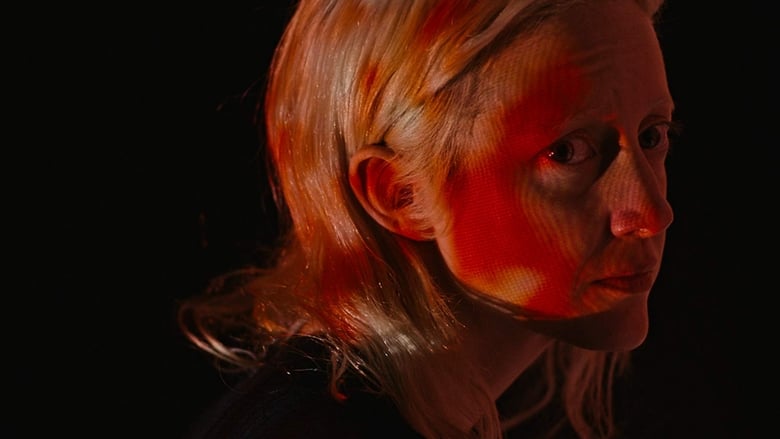
The first thing you notice about Unsane is that it looks weird. Not "bad," necessarily, but distinct. Because it was shot entirely on an iPhone using the FiLMiC Pro app, the depth of field is flattened, and the wide-angle lenses create this subtle, fish-eye distortion. In a standard blockbuster, this would be a distraction. In a story about a woman being gaslit by a predatory healthcare system, it’s a masterstroke. It makes the hallways of the mental institution feel like they’re shrinking in on you.
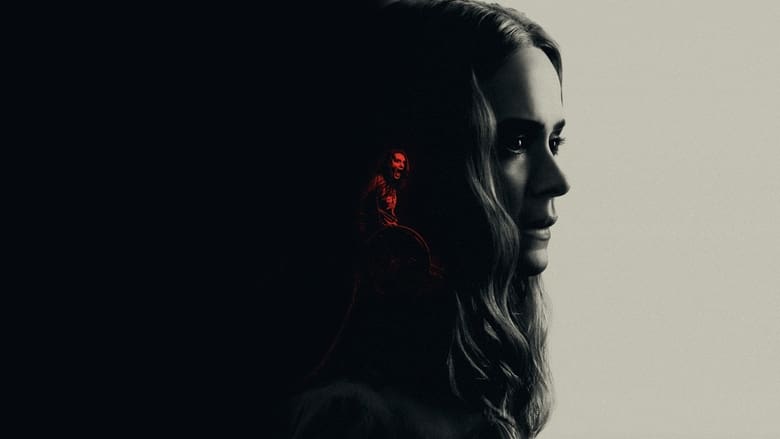
We often talk about the "democratization of film" in this era—how anyone with a phone can be a creator—but Soderbergh proves that professional craft still matters. He uses the small form factor of the phone to put the camera in places a massive Arri Alexa could never go. We’re right in the face of Sawyer Valentini, played with a serrated, desperate edge by Claire Foy. Coming off her regal turn in The Crown, seeing her here as a paranoid, prickly, and deeply traumatized data analyst is a total 180. She isn’t playing a "perfect victim," and that’s why I liked her. She’s angry, she’s rude, and she’s survival-focused.
A Masterclass in Bureaucratic Horror
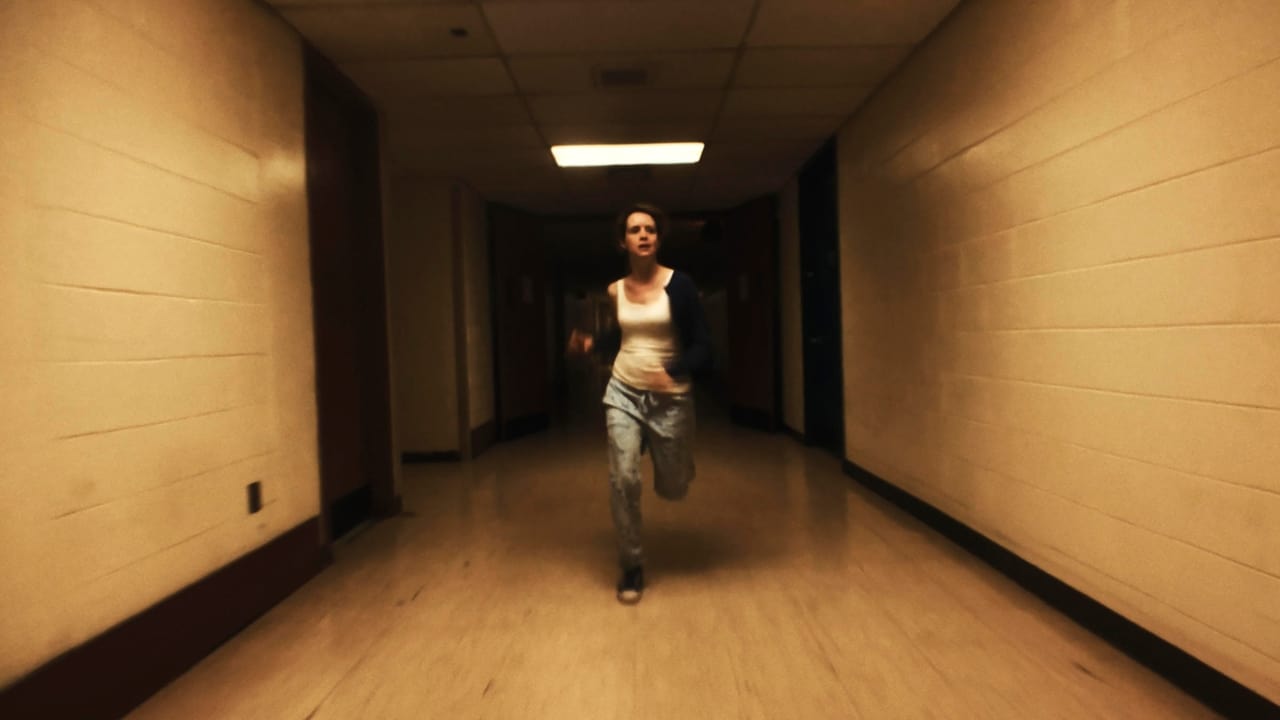
The plot kicks off when Sawyer, trying to process the trauma of a long-term stalker, visits a therapist. She signs a few forms without reading them—something I’ve done a thousand times at the doctor’s office—and suddenly finds herself involuntarily committed to a 24-hour observation period. Then 24 hours becomes seven days. Then she looks across the room and sees her stalker, David Strine (Joshua Leonard), working as an orderly.
Is she actually seeing him? Or has her trauma finally fractured her reality? The original tagline asked "Is she or isn't she?" but the movie is much smarter than a simple "it was all a dream" trope. Joshua Leonard, who most of us remember from the grainy woods of The Blair Witch Project, is terrifyingly mundane here. He’s not a supernatural force; he’s just a man who has weaponized the "nice guy" persona to infiltrate the one place Sawyer should be safe.
The supporting cast adds layers to this nightmare. Jay Pharoah is fantastic as Nate, a fellow patient who knows the "system" and acts as Sawyer’s underground guide. He brings a much-needed groundedness to the frantic pacing. Then you have Juno Temple as Violet, a truly chaotic patient who looks like she wandered off the set of a mid-90s grunge music video. Together, they illustrate the horror of being trapped in a facility that cares more about insurance payouts than actual recovery. It’s basically a Lifetime movie directed by a mad scientist, and I mean that as a high compliment.
Guerilla Filmmaking in the Streaming Age
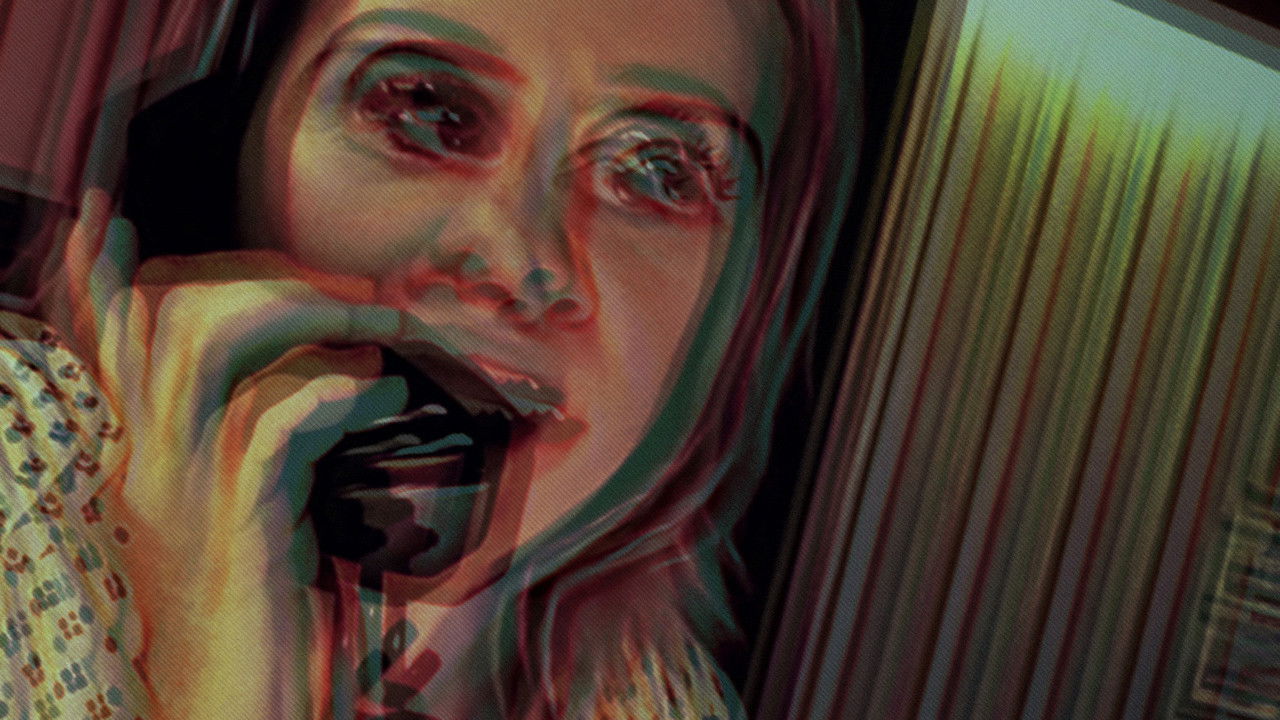
What fascinates me about Unsane is the "how" behind the "what." Soderbergh shot this in secret over just ten days. In an era where Disney spends $300 million on a movie that looks like beige soup, Unsane cost a measly $1.5 million and has ten times the visual personality. It’s a "Fingerprint Releasing" project, meaning Soderbergh was trying to bypass the traditional studio gatekeepers to get the film directly to theaters and then streaming.
There’s a specific kind of low-budget ingenuity here that feels like a throwback to the 70s. For instance, notice the lighting. It’s often harsh and clinical, utilizing the actual fluorescent lights of the decommissioned hospital where they filmed. It creates a sickly green-and-yellow palette that makes everyone look like they’re recovering from a bad flu. Even the casting of Amy Irving (who played Sue Snell in Carrie) feels like a tip of the hat to the psychological thrillers of the past, connecting this high-tech experiment to the DNA of classic horror.
While the third act leans a bit more into traditional "slasher" territory than the tense psychological setup might suggest, it never loses that grime. It’s a film that understands the modern anxiety of being tracked—not just by people, but by data, by forms, and by institutions that don't listen.
Unsane is a lean, mean, and slightly ugly thriller that works because it refuses to blink. It’s a reminder that you don’t need a massive crew and a fleet of trucks to tell a story that makes an audience want to crawl out of their own skin. If you’re tired of over-polished franchise films, this is the palate cleanser you need—just maybe don't watch it right before your next doctor's appointment.