Vice
"The shadows have never looked this powerful."
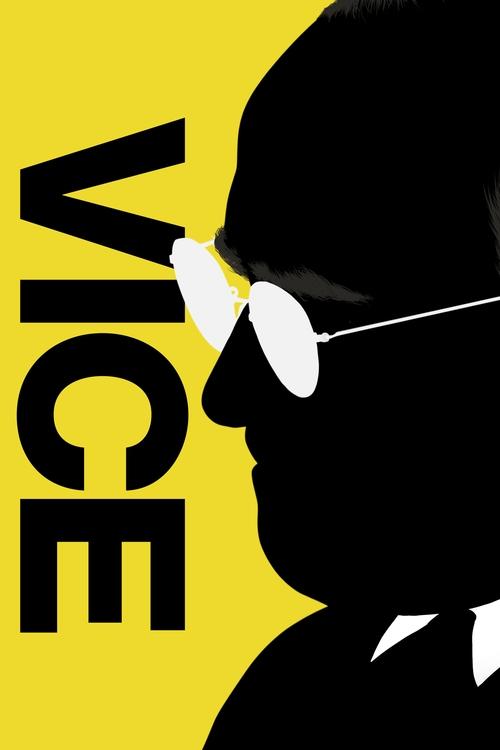
I watched Vice for the third time while trying to assemble a particularly stubborn IKEA nightstand, and honestly, the bureaucratic frustration of those wordless instructions paired perfectly with the film’s exploration of the Unitary Executive Theory. There is something deeply satisfying about watching Christian Bale maneuver through the gears of the American government while you’re struggling with an Allen wrench and a piece of particle board.

When Vice first hit theaters in 2018, it felt like a grenade tossed into a dinner party. Adam McKay, the man who once gave us the high-octane buffoonery of Talladega Nights and Anchorman, had already proven he could make subprime mortgages fascinating with The Big Short. But with Vice, he went for the throat of modern American history. It’s a film that refuses to be a "prestige biopic" in the traditional, stuffy sense. Instead, it’s a jagged, hilarious, and occasionally terrifying look at how a quiet man from Wyoming became the most powerful Vice President in history.
The Man Who Wasn't There
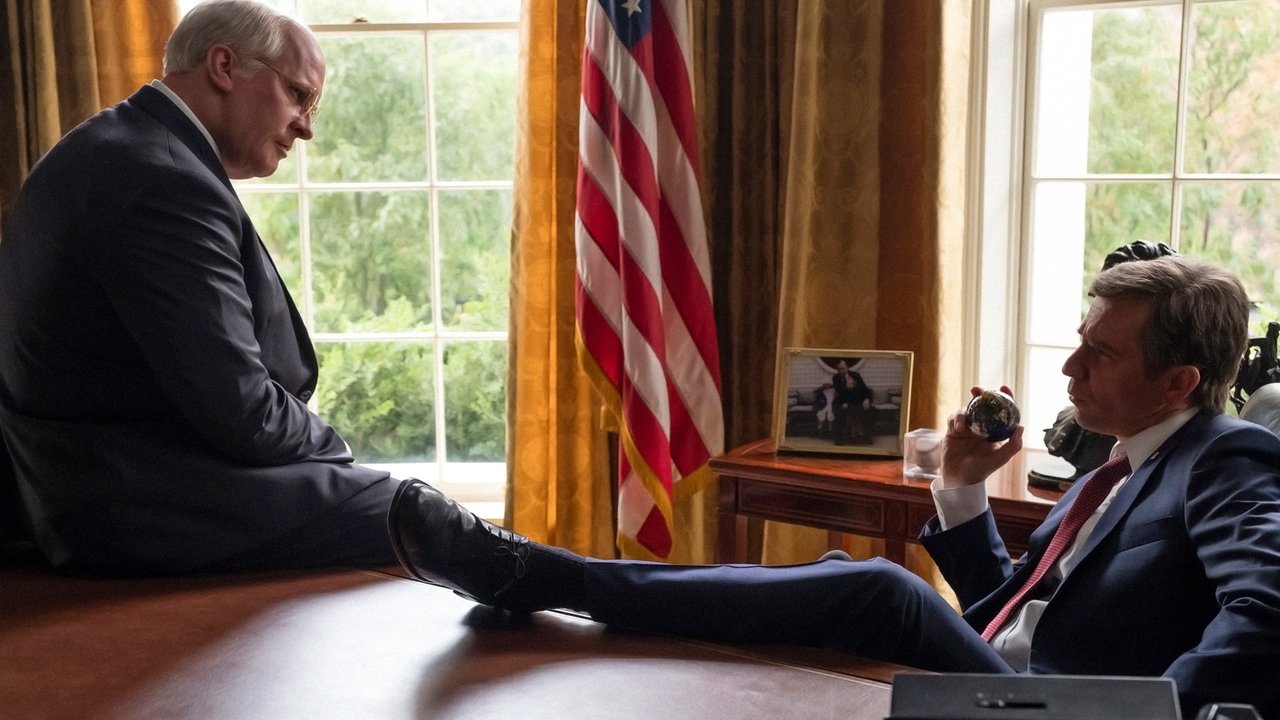
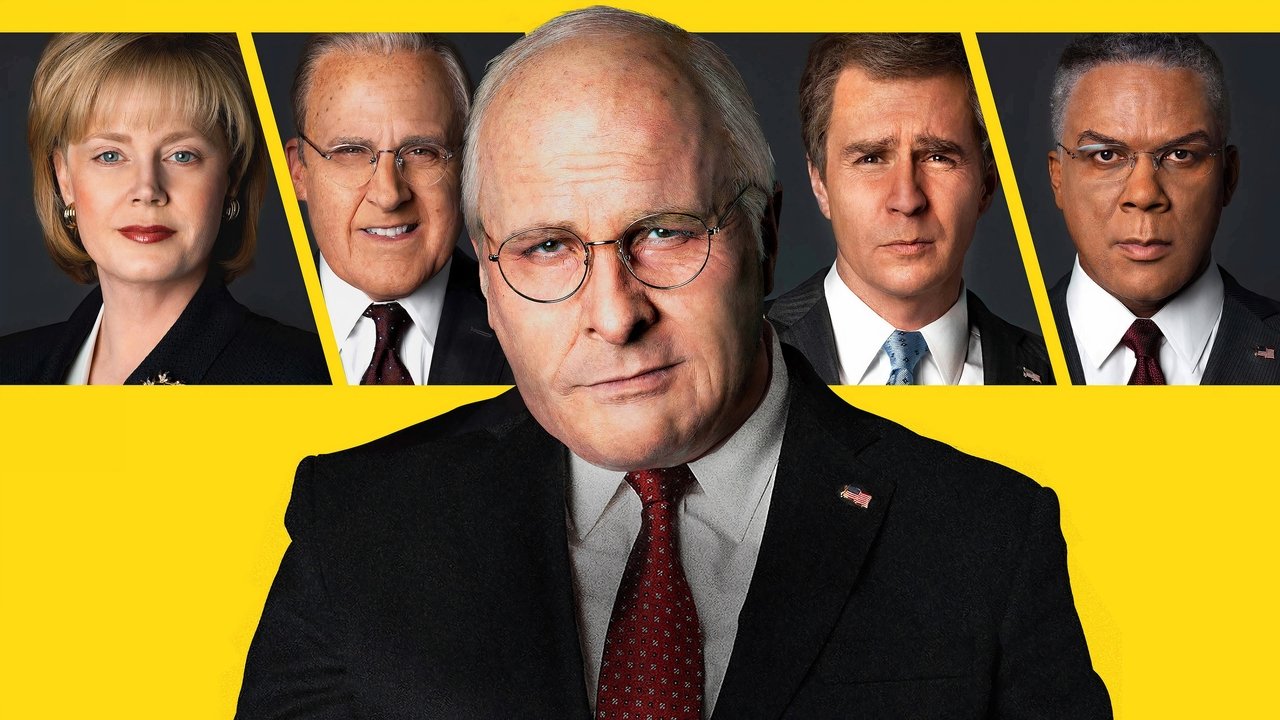
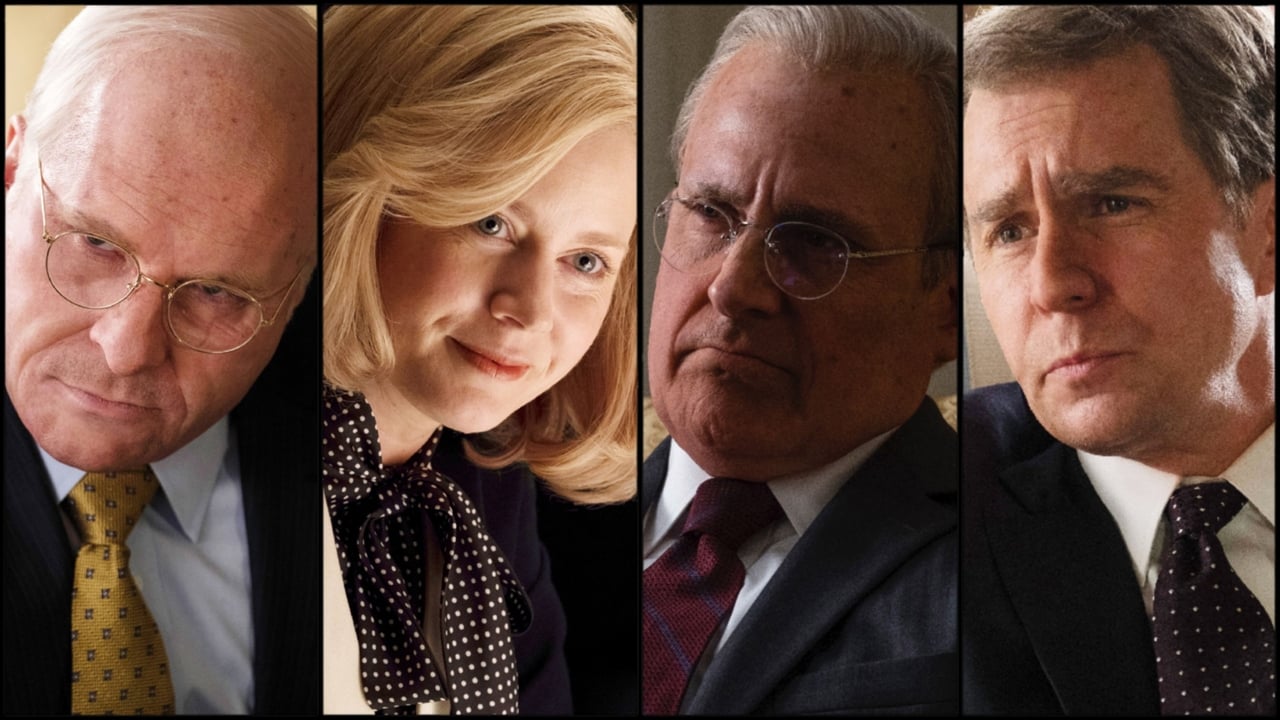
The first thing you have to talk about—and the thing that still floors me—is the physical metamorphosis of Christian Bale. We’ve seen him go skeletal for The Machinist and bulk up for The Dark Knight, but his Dick Cheney is something else entirely. He doesn't just put on a prosthetic chin; he adopts a specific kind of stillness. He moves like a glacier—slow, heavy, and seemingly unstoppable.
Bale captures that gravelly, monochromatic voice that sounds like a secret being whispered through a handful of buckshot. It’s a performance of incredible restraint, which is ironic given that the movie around him is loud, colorful, and prone to breaking into Shakespearean soliloquies or fake mid-movie credit rolls.
Beside him, Amy Adams as Lynne Cheney is the film's secret engine. If Dick is the quiet power, Lynne is the sharp edge. Amy Adams plays her with a fierce, Lady Macbeth-esque ambition that reminds you these weren't just politicians; they were a partnership. There’s a scene where they speak in iambic pentameter while in bed together that shouldn't work—it’s the kind of high-wire act that usually ends in a cinematic splat—but they sell it with such conviction that it becomes one of the most memorable moments in recent drama.
Breaking the Fourth Wall with a Sledgehammer
Adam McKay’s style is an acquired taste, and I’ve found that it’s what makes Vice a burgeoning cult classic. This movie is basically a two-hour Wikipedia rabbit hole directed by a man who has had eight shots of espresso. He uses a narrator (Jesse Plemons, who is always a delight) to guide us through the dense thicket of D.C. jargon, but the narrator’s identity is a twist I won't spoil if you haven't seen it.
The film is packed with "wait, what?" moments. There’s a fake ending about forty-five minutes in where the credits roll, suggesting that if Cheney had just retired and raised golden retrievers, the world would have been a much simpler place. It’s a cheeky, abrasive bit of filmmaking that reminds me why I love the Popcornizer ethos: we should celebrate movies that take big, weird swings.
The supporting cast is equally inspired. Steve Carell (reuniting with McKay after The Big Short) plays Donald Rumsfeld as a man who treats geopolitics like a locker room prank, and Sam Rockwell gives us a George W. Bush that is less of a caricature and more of a tragicomic figure—a man just looking for his father's approval and a good taco.
Stuff You Didn't Notice
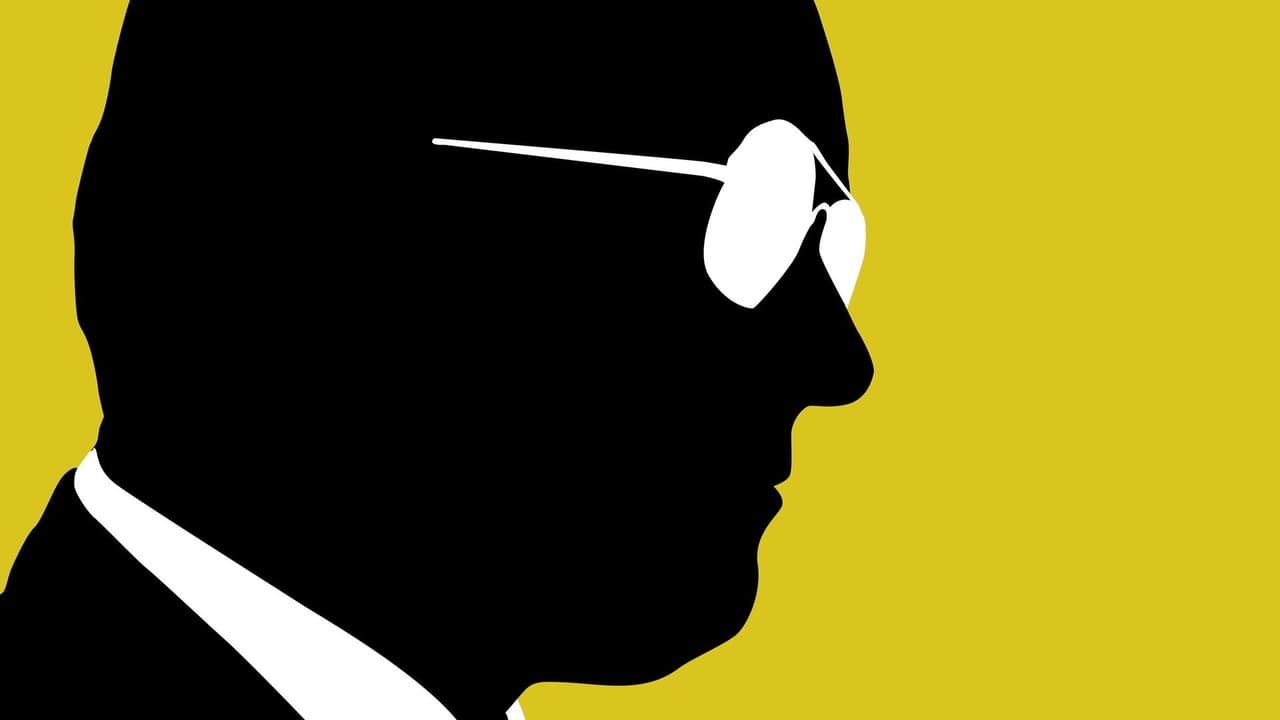
One of the things that makes Vice so rewatchable is the sheer volume of "did you know?" trivia packed into the production. Apparently, Christian Bale didn't just gain weight; he actually did specific exercises to thicken his neck so he would better resemble Cheney’s silhouette. When he won the Golden Globe for the role, he famously thanked Satan for the inspiration, which is exactly the kind of energy this movie radiates.
There’s also the matter of the focus group scene near the end. It’s a meta-commentary on our current polarized culture, where a guy in a focus group starts a fistfight over whether the movie is too biased. It’s an uncomfortable, hilariously pointed moment that felt prophetic in 2018 and feels like a documentary in the 2020s. McKay even had a musical number filmed—a big, choreographed dance sequence about the bureaucracy—that he ultimately cut because it broke the tension too much. I’d give a lot to see the "Snyder Cut" of the Cheney musical.
Ultimately, Vice works because it isn't afraid to be disliked. It’s a drama that uses comedy as a weapon, and it’s a comedy that leaves you feeling a bit sick to your stomach. Whether you find McKay’s style brilliant or "too much," there’s no denying the craft on display. From Greig Fraser’s somber, shadowed cinematography to Nicholas Britell’s sweeping, regal score (which sounds like the theme song for an empire that doesn't realize it’s crumbling), it’s a massive achievement. It captures a very specific era of contemporary cinema where we started using movies to process our collective political trauma in real-time. If you missed it during its theatrical run because the discourse felt too heavy, give it a shot now. It’s a wild, cynical, and deeply human ride.
Keep Exploring...
-
Don't Look Up
2021
-

The Big Short
2015
-
American Made
2017
-
Amsterdam
2022
-
Joy
2015
-
Cars 3
2017
-
Babylon
2022
-
Irrational Man
2015
-
Me and Earl and the Dying Girl
2015
-
I, Tonya
2017
-
Lady Bird
2017
-
BlacKkKlansman
2018
-
The Ballad of Buster Scruggs
2018
-
The Favourite
2018
-
I Care a Lot
2021
-
Licorice Pizza
2021
-
The French Dispatch of the Liberty, Kansas Evening Sun
2021
-

To All the Boys: Always and Forever
2021
-
Hustle
2022
-

We Are Your Friends
2015