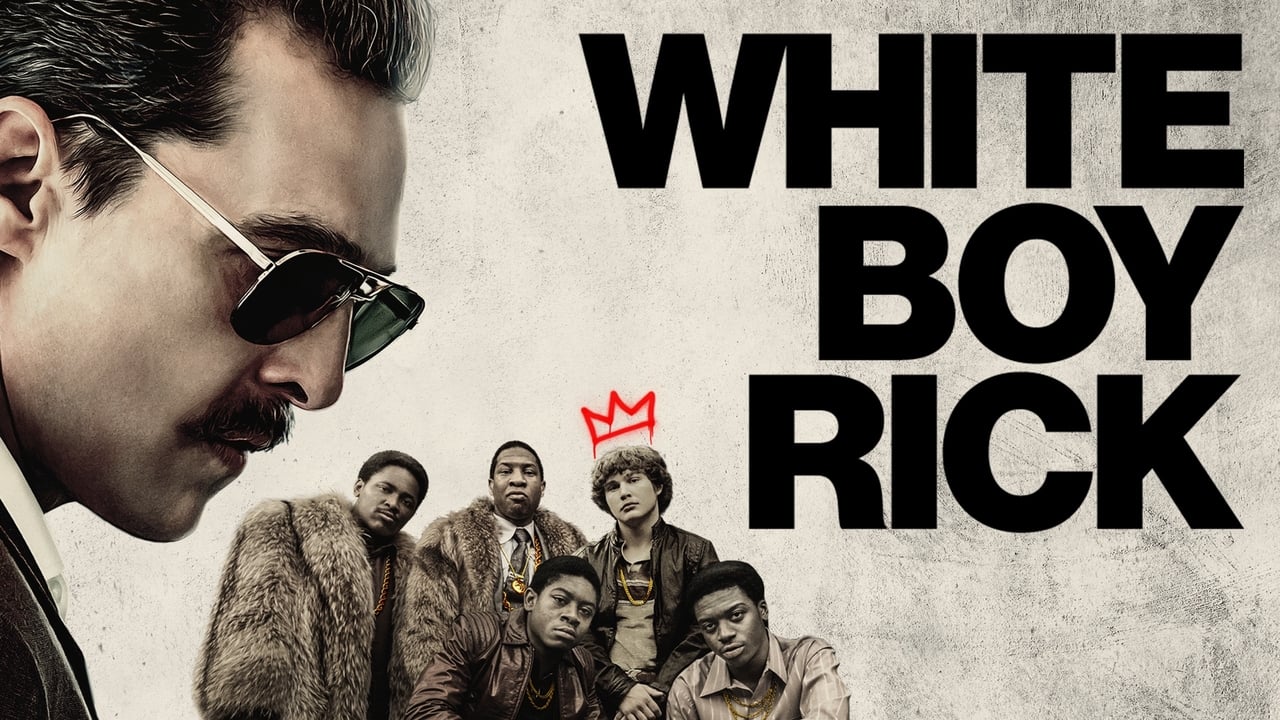
White Boy Rick
"The FBI's youngest informant was their biggest mistake."
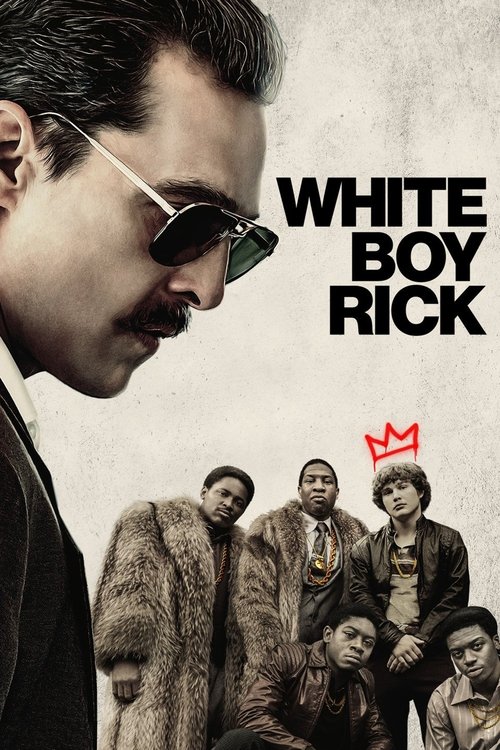
There is a specific brand of 1980s Detroit grime that smells like industrial runoff and cold grease, and Yann Demange captures it so effectively you practically want to shower after the credits roll. I watched White Boy Rick on a Tuesday evening while my neighbor was loudly practicing the recorder in the apartment next door; somehow, the screeching notes of "Hot Cross Buns" provided a fittingly dissonant soundtrack to a film about a kid whose life was being played like a cheap instrument by everyone around him.
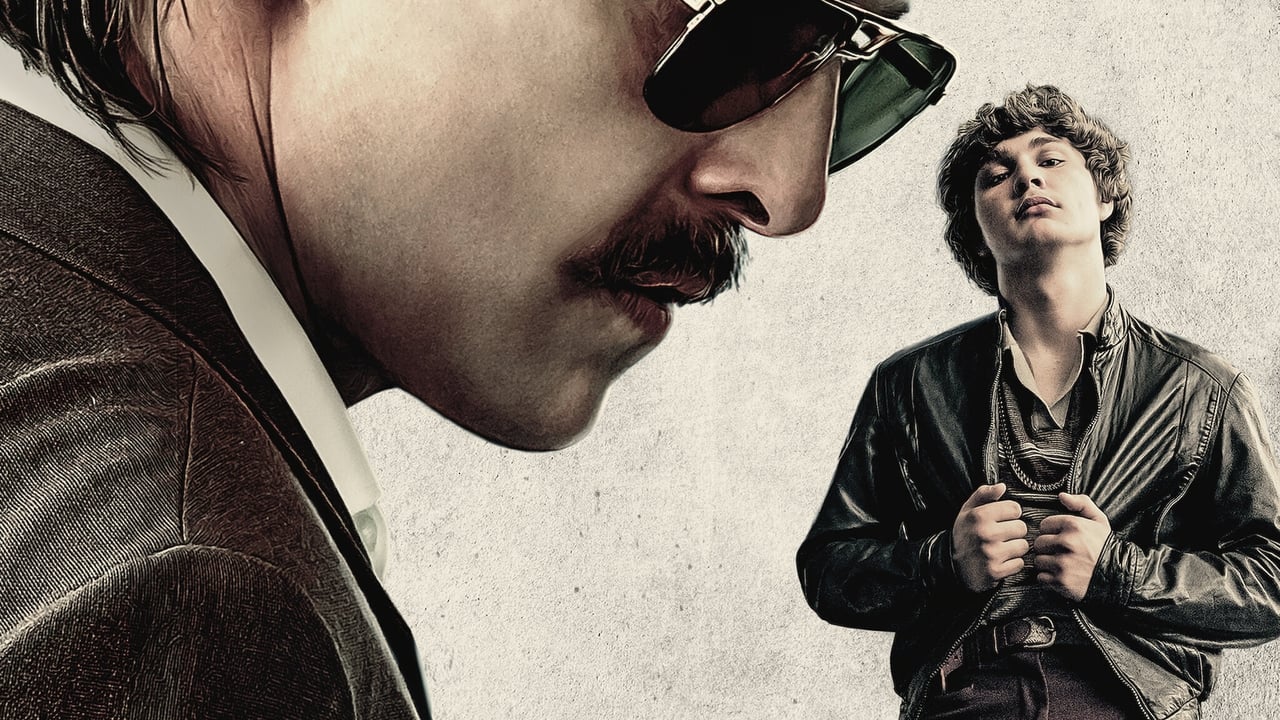
The film arrived in 2018, a year dominated by the neon spectacle of Black Panther and the existential dread of Hereditary. In that landscape, a mid-budget, gritty crime drama based on a "too weird to be true" story should have been a slam dunk. Instead, it did a disappearing act at the box office, grossing less than its $29 million budget and sliding into that "Oh yeah, I think I saw that on the plane" category of cinema. It’s a shame, because while it’s a messy piece of storytelling, it’s a fascinating artifact of how the "American Dream" looks when it’s being sold out of the back of a rusted-out Chevy.
The Mullet and the Prodigy
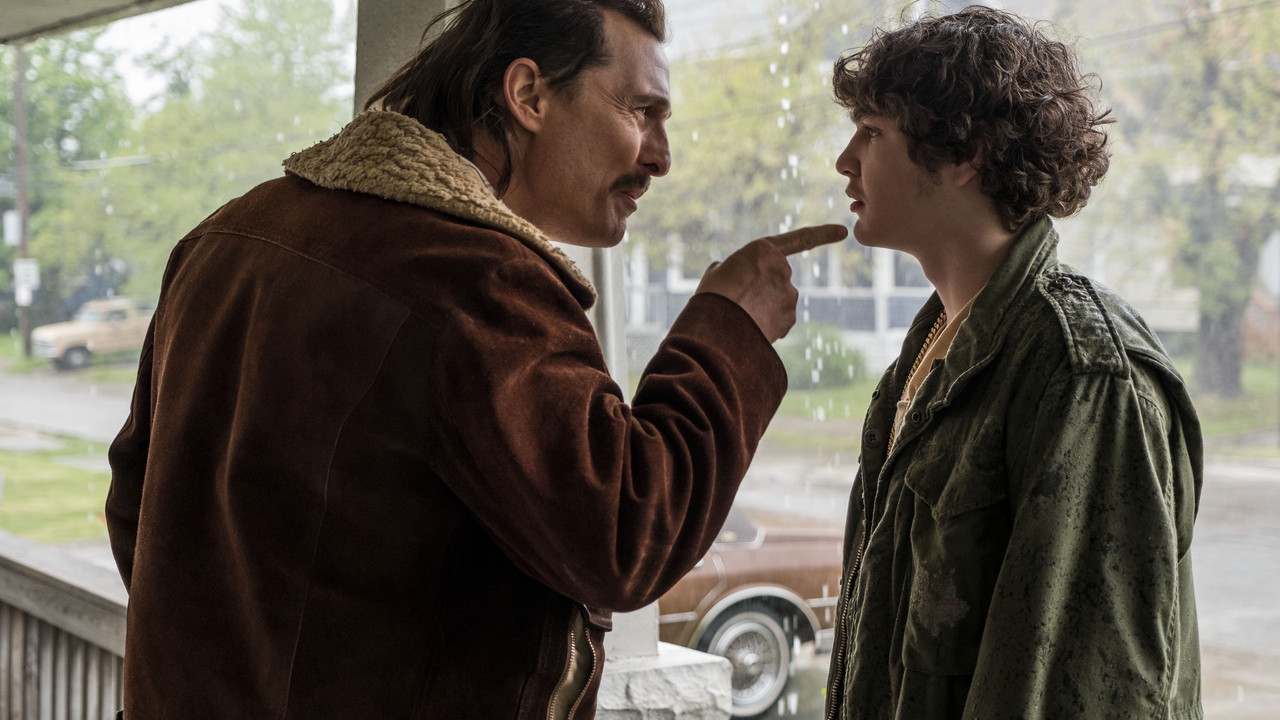
The biggest draw here—and the reason I suspect most people clicked "play"—is Matthew McConaughey. We are firmly in the post-McConaissance era here, where he’s no longer proving he can act, but rather seeing how much "character" he can layer onto his natural charisma. As Richard Wershe Sr., he’s sporting a mullet that deserves its own SAG award and a restraining order. He plays a low-level gun hustler who dreams of opening a video store chain, a man who loves his kids but possesses the long-term planning skills of a goldfish.
Opposite him is newcomer Richie Merritt, who was famously discovered in a high school hallway with no prior acting experience. It was a gamble that mostly pays off. Richie Merritt plays Rick Jr. with a flat, laconic "what-ever" attitude that feels entirely authentic to a 14-year-old in over his head. He doesn't give us the "actorly" moments of emotional breakdown; he just looks tired, which is exactly how a kid being squeezed by the FBI and local drug lords would probably look.
The chemistry between them isn't the warm, fuzzy father-son bond we usually see in cinema. It’s a desperate, co-dependent friction. They are two guys drowning in the same pool, occasionally pushing each other’s heads under just to get a breath of air. Bel Powley, playing Rick’s sister Dawn, turns in a devastating performance as a girl lost to the crack epidemic, providing the film's most grounded emotional stakes.
The FBI Has the Moral Compass of a Hungry Seagull
Where White Boy Rick really bites is in its portrayal of the "system." We’ve seen plenty of movies about undercover informants, but we rarely see one where the informant is literally a child being fed to the wolves by federal agents. Jennifer Jason Leigh and Rory Cochrane play the handlers with a chilling, bureaucratic coldness. They don't see a kid; they see a loophole.
The screenplay—penned by Noah Miller, Logan Miller, and Andy Weiss—struggles to condense a decade of Rick’s life into 111 minutes. The transition from Ricky being an FBI pawn to him becoming a legitimate "kingpin" (a title the real-life Wershe Jr. still disputes) feels rushed. One minute he’s buying a golden toilet, the next he’s the target of a hit. It lacks the operatic sweep of Goodfellas or the tight focus of Donnie Brasco, choosing instead to sit in a middle ground of "uncomfortable reality."
Apparently, the real Richard Wershe Jr. was still behind bars when the film was being shot—he served over 30 years for a non-violent drug offense committed as a minor—which adds a layer of genuine anger to the film's final act. It’s a contemporary drama that feels like a 70s character study, refusing to give the audience the cathartic "win" that modern studio notes usually demand.
Why It Got Lost in the Shuffle
Released in an era of franchise saturation, White Boy Rick is the kind of movie that feels "small" despite its pedigree. In 2018, if you weren't a superhero or a high-concept horror flick, you were fighting for scraps. The film's marketing tried to sell it as a high-octane crime thriller—the tagline literally calls him a "kingpin"—but the movie itself is much more interested in the tragedy of a family that never stood a chance.
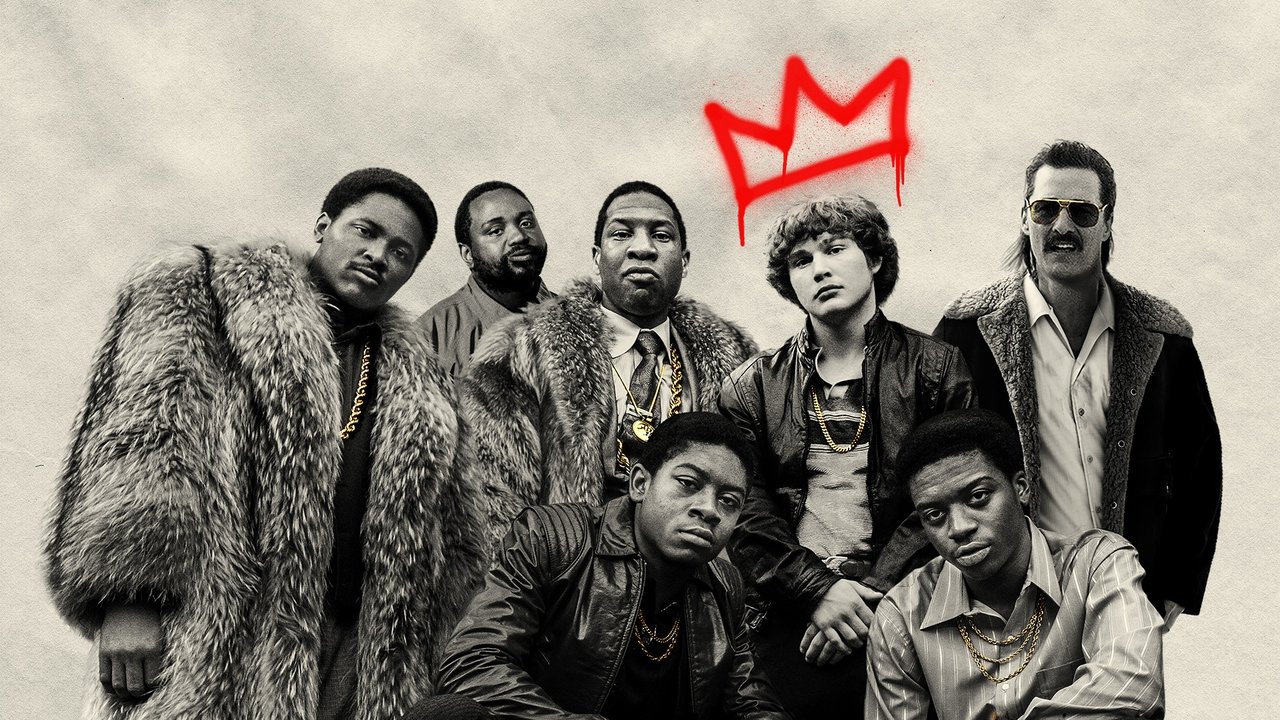
The production design is top-tier; the 1980s Detroit here isn't the "Stranger Things" version of the decade. There are no bright leggings or fun synth-pop. It’s all brown polyester, wood-paneled walls, and the grey slush of a Midwestern winter. Yann Demange (who also directed the excellent '71) uses a handheld aesthetic that makes you feel like an uninvited guest in the Wershe household.
Ultimately, the film suffers from a bit of an identity crisis. It wants to be a sprawling crime epic, but it’s actually a small, heartbreaking story about a dad who wasn't good enough and a son who was too good at surviving. It’s not a masterpiece, but it’s a solid, gritty watch that captures the feeling of being trapped by your own zip code.
It's a bumpy ride, and the pacing often feels like it's tripping over its own feet, but the central performances keep it afloat. Matthew McConaughey delivers a masterclass in playing a man who is "almost" a success, and the film’s refusal to sugarcoat the FBI’s exploitation of a minor makes it worth the watch. If you’re looking for a crime flick that prioritizes atmosphere over action, this one deserves a spot in your queue—even if it doesn't quite reach the heights of the classics it’s trying to emulate.

Keep Exploring...
-

Dope
2015
-
Mr. Holmes
2015
-
The Infiltrator
2016
-
Roman J. Israel, Esq.
2017
-
Suburbicon
2017
-
The Old Man & the Gun
2018
-

Under the Silver Lake
2018
-
Black and Blue
2019
-
Cherry
2021
-
Stillwater
2021
-
The Outfit
2022
-
Gold
2016
-
Batman vs. Robin
2015
-

Dark Places
2015
-
Heist
2015
-
Suburra
2015
-
The Gunman
2015
-
Batman: The Killing Joke
2016
-
Imperium
2016
-
Live by Night
2016