Winchester
"Architecture is the ultimate weapon."

I have a very specific memory of visiting the real Winchester Mystery House in San Jose when I was a teenager. I remember two things vividly: the "stairway to nowhere" that literally ends at a ceiling, and the fact that I had a truly mediocre ham sandwich in the gift shop afterward. There is something inherently cinematic about Sarah Winchester’s labyrinthine obsession—a widow so crippled by guilt and grief that she spent thirty-eight years building a wooden madness to outrun the ghosts of those killed by the "Gun that Won the West." When I heard the Spierig Brothers were tackling this, I expected a gothic masterpiece. What I got was a movie that feels like a very expensive, very loud escape room.
A Masterpiece of Scaffolding
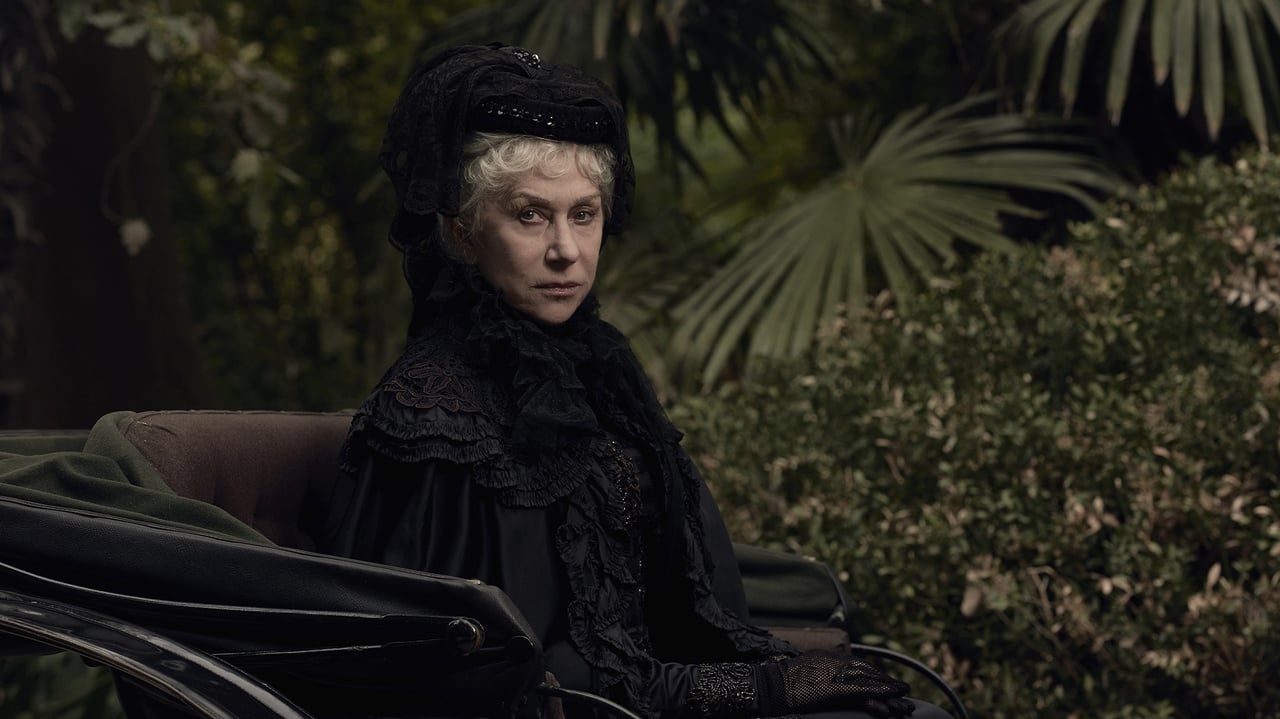
The film introduces us to Dr. Eric Price, played by Jason Clarke (Zero Dark Thirty, Dawn of the Planet of the Apes), a man who spends more time with laudanum than patients. He’s hired by the Winchester company to declare the heiress, played by the incomparable Helen Mirren (The Queen, Gosford Park), legally insane. It’s a classic setup: the skeptic enters the lion’s den—or in this case, a house with 161 rooms and doors that open into forty-foot drops.
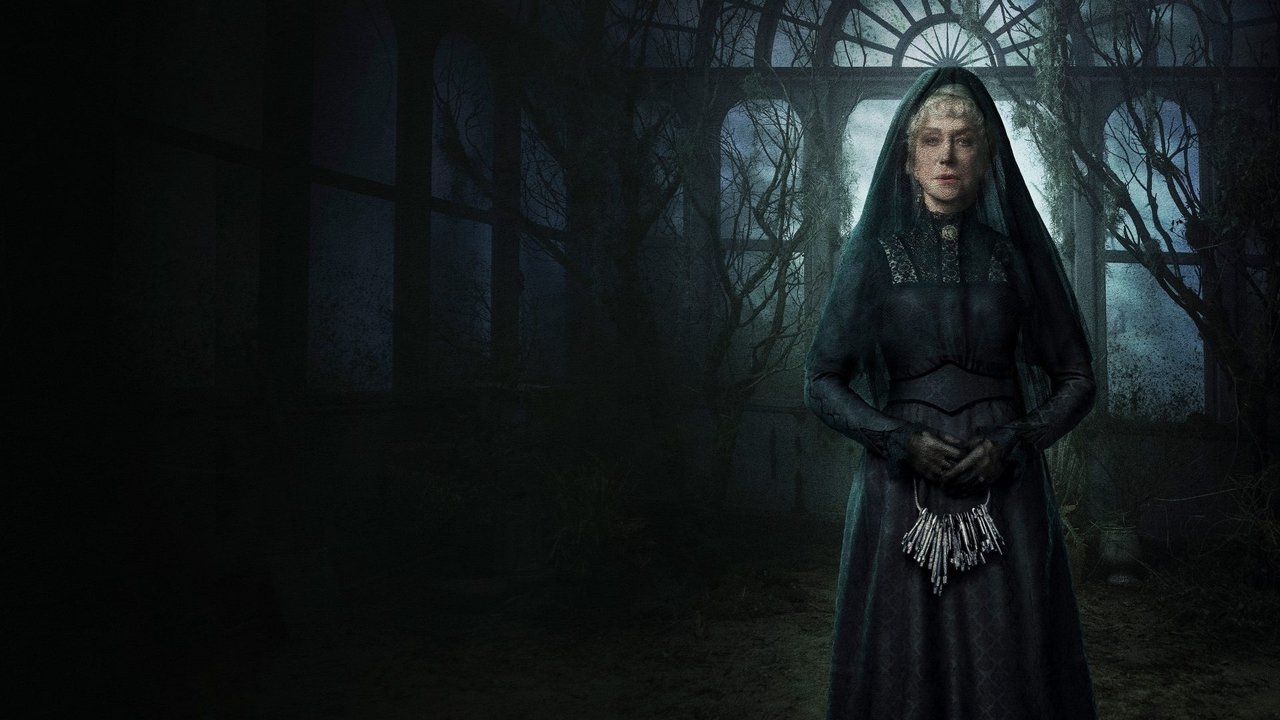
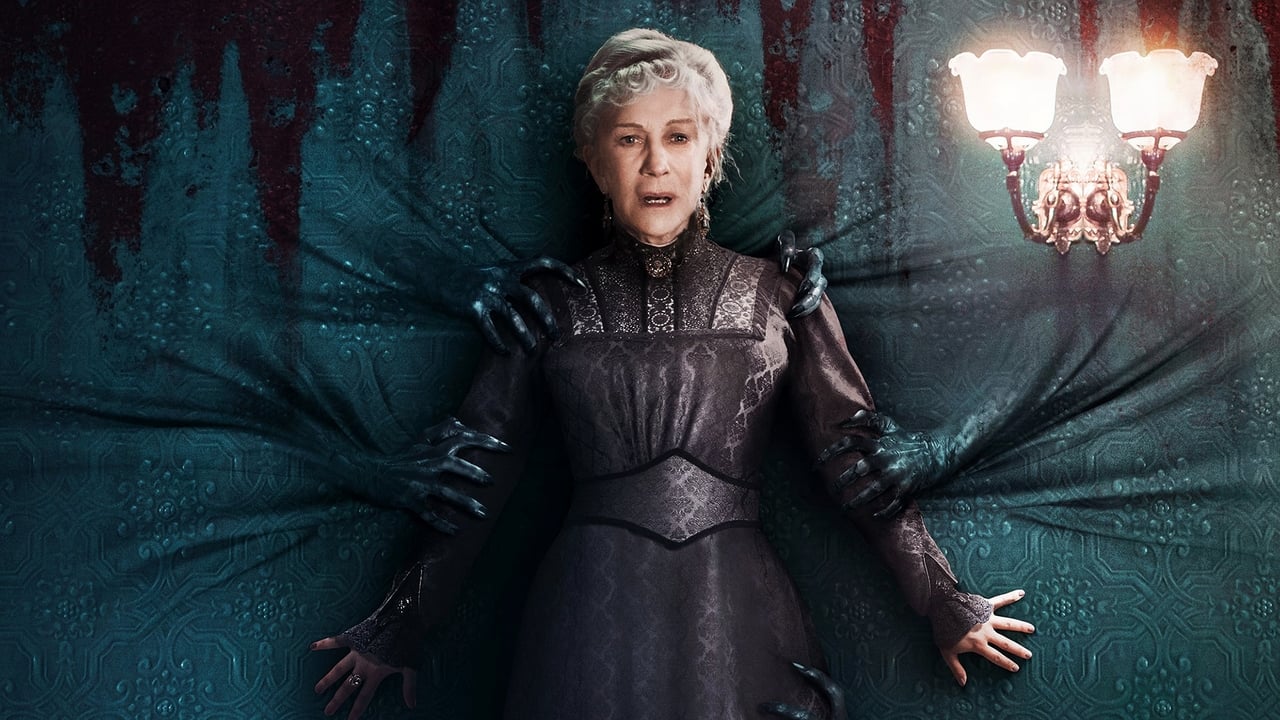
Visually, the film is a triumph of production design. It’s hard to believe this was made on a reported budget of only $3.5 million. I’ve seen student films spend more on catering, yet the Spierig Brothers manage to make the screen drip with Victorian atmosphere. The way the camera glides through the endless construction, capturing the rhythmic hammering that Sarah believes keeps the spirits at bay, is genuinely hypnotic. Helen Mirren is, as expected, the anchor. She plays Sarah not as a kook, but as a woman burdened by a profound moral debt. She treats the ghosts like unruly tenants who just need a specific room to find peace. It’s a grounded, regal performance that almost convinces you the movie is deeper than it actually is.
The Jump-Scare Factory
Here is my main gripe, and I’ll put it bluntly: turning the world's most psychologically fascinating house into a glorified haunted hayride is a cinematic felony. In an era where "elevated horror" like Hereditary or The Babadook was teaching us that the scariest things are our own traumas, Winchester decides to rely on the "loud noise and a face in the mirror" routine.
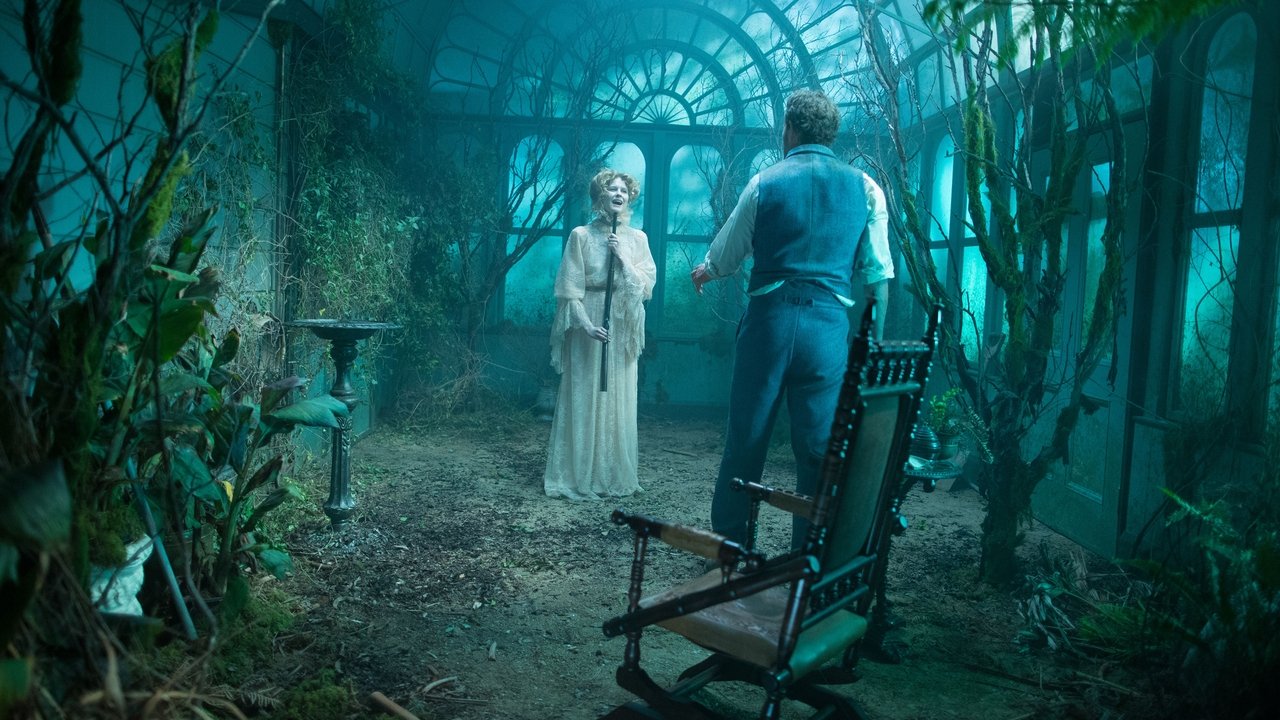
I watched this film on a Tuesday evening while wearing mismatched socks—one wool, one cotton—and that physical imbalance perfectly mirrored my viewing experience. Every time the movie builds a genuine sense of dread through its weird architecture, it ruins it with a cheap jump scare. There’s a ghost in a locker, a ghost in a floorboard, a ghost in the peripheral vision. It’s relentless in a way that eventually becomes numbing. By the third act, when the 1906 earthquake hits, the film shifts from a gothic ghost story into a chaotic supernatural action flick, losing the thread of what made the premise interesting in the first place.
Indie Hustle and Haunted History
What fascinates me most about Winchester isn't the ghosts, but the production itself. This is a quintessential "Indie Hustle" film. Despite being set in the heart of Northern California, the vast majority of the movie was shot in Melbourne, Australia. The filmmakers used a mix of incredibly detailed sets and a short shooting window at the actual San Jose house to blend the two worlds.
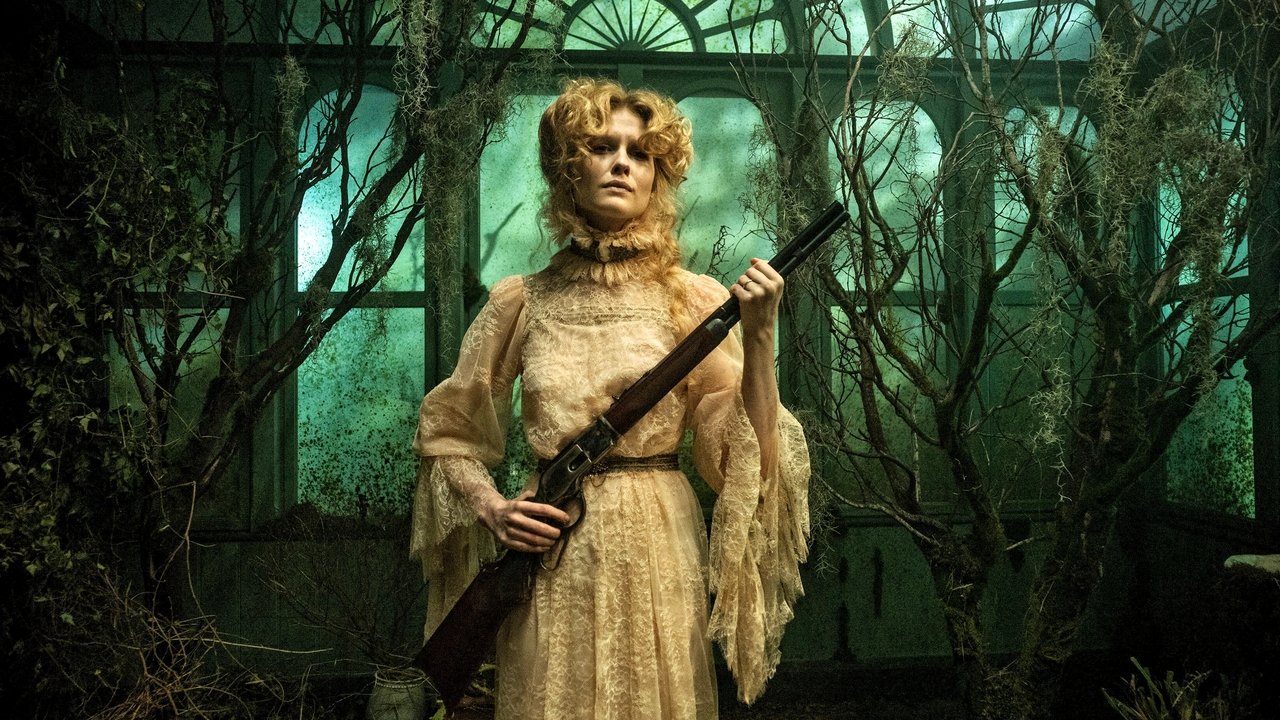
The Spierig Brothers—Michael and Peter—are known for their high-concept sci-fi like Predestination, and you can see their fingerprints in the way they try to map out the house's logic. They actually spent nights in the real Winchester House to soak up the vibe, which makes it even more baffling that the film feels so much like a studio-mandated product rather than a personal passion project. They managed to land Sarah Snook right before she became a household name in Succession, and she does what she can with the "worried niece" role, but the script gives her very little to do besides look concerned in high-collared lace.
There’s a missed opportunity here to really talk about the Winchester legacy—the blood money of the arms industry. The film touches on it, suggesting that the "ghosts" are the victims of the rifles, but it uses this as a plot device rather than a point of reflection. In 2018, against a backdrop of increasing conversations about gun violence and corporate responsibility, Winchester could have been a stinging social commentary. Instead, it’s content to be a spooky house movie where things go "bump" exactly when the score tells you they will.
Winchester is a frustrating watch because the ingredients for a 10/10 horror classic are all sitting on the counter. You have the legendary Helen Mirren, a top-tier cinematographer in Ben Nott, and the most interesting piece of real estate in American history. While it succeeds as a lush, atmospheric piece of period eye candy, it fails to trust its audience's attention span. It’s worth a look if you’re a fan of Victorian aesthetics or want to see Jason Clarke look perpetually confused, but don't expect it to haunt you once the credits roll. It’s a house with a beautiful facade and not enough furniture inside.
Keep Exploring...
-
Circle
2015
-

Leatherface
2017
-

Terrifier
2018
-

Truth or Dare
2018
-
Unsane
2018
-
Vivarium
2019
-
The Rental
2020
-

Jigsaw
2017
-

Subservience
2024
-
Insidious: Chapter 3
2015
-

Insidious: The Last Key
2018
-
Hush
2016
-
The Invitation
2016
-
The Endless
2017
-

Revenge
2018
-
Possessor
2020
-
Barbarian
2022
-
Speak No Evil
2022
-
Terrifier 2
2022
-

X
2022