1917
"Two men. One message. No looking back."
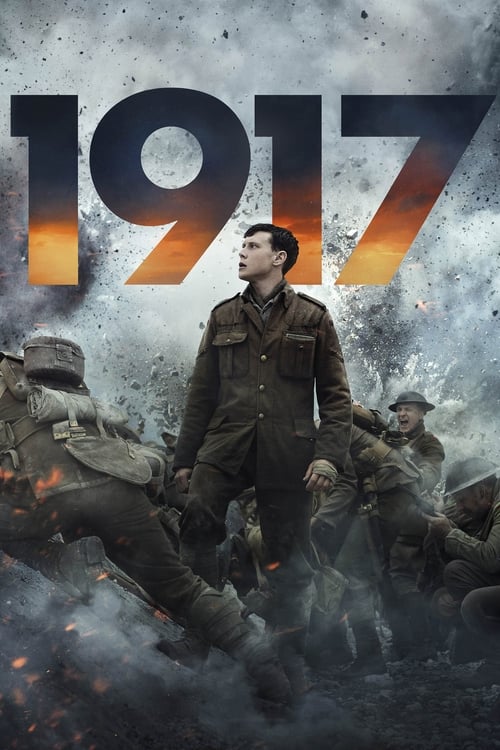
The camera in 1917 is an uninvited ghost. It doesn't just observe the carnage of the Great War; it haunts the protagonists, hovering over their shoulders, refusing to blink or cut away when the mud gets too deep or the blood gets too bright. When I first sat down to watch this in a crowded theater back in late 2019, I brought a large bucket of popcorn that I didn't touch once. My hands were too busy gripping the armrests, and I saw this at a matinee where the guy three seats down had a nervous cough that perfectly timed itself to the silent moments of tension, making the whole experience feel like a shared trial by fire.
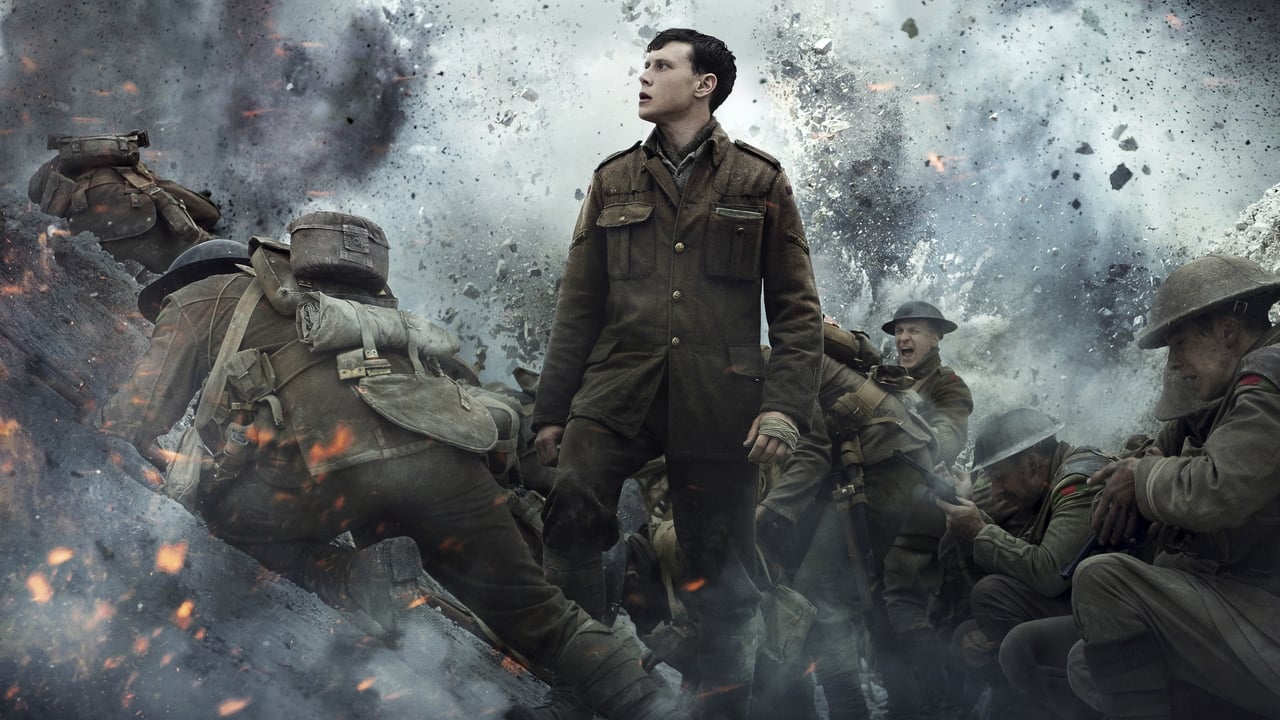
Directed by Sam Mendes, fresh off his tenure with Bond in Skyfall and Spectre, 1917 arrived at a specific crossroads in contemporary cinema. We were deep into the "streaming vs. theatrical" debate, and this film felt like a thunderous argument for why the big screen still matters. It wasn’t just a movie; it was a technical stunt of the highest order, designed to look like one continuous, unbroken shot.
The Deakins Masterclass
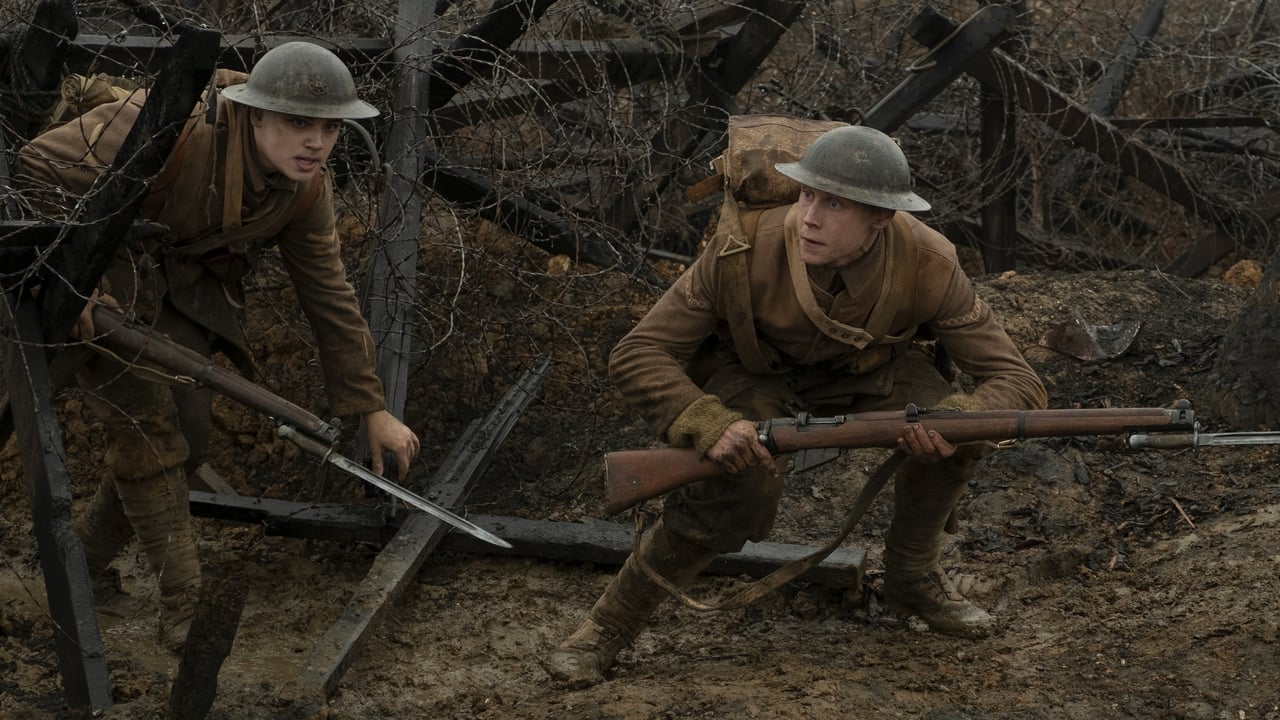
You can’t talk about this film without bowing at the altar of Roger Deakins. The legendary cinematographer (who finally got his flowers for Blade Runner 2049) turned the French countryside into a hellish, moving landscape. The "one-shot" gimmick could have easily felt like a cheap trick, but here it serves a narrative purpose: it strips away the safety of a traditional edit. In most war movies, a cut allows the audience to breathe. Here, there is no breath. You are trapped in the trench with George MacKay and Dean-Charles Chapman.
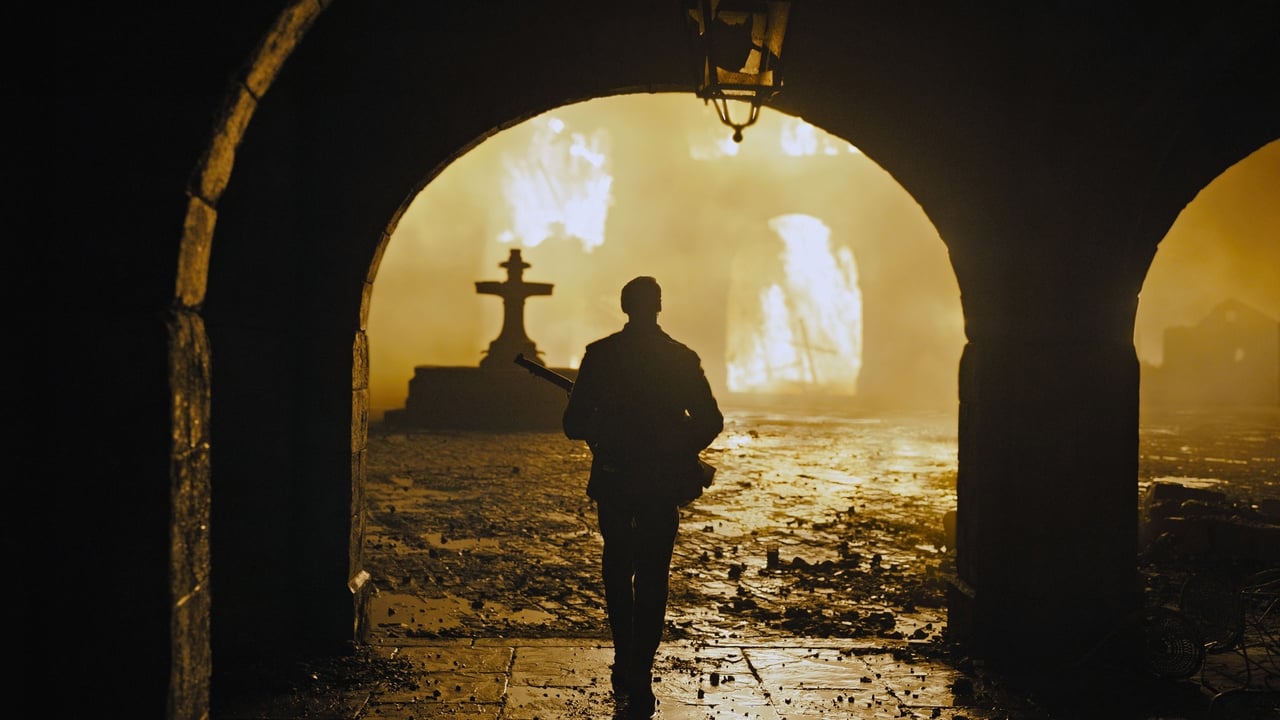
The technical logistics are mind-boggling. Because they couldn't use traditional artificial lighting for many outdoor scenes (the camera was moving 360 degrees), the crew had to wait for specific cloud cover to film. They’d sit around for hours, and then as soon as a cloud blocked the sun, they’d sprint through five minutes of intense choreography. Frankly, this level of practical dedication makes 90% of modern, green-screen-slathered blockbusters look like low-effort weekend projects. The sequence where George MacKay runs through the ruins of Écoust under the light of falling flares isn't just "good cinematography"—it’s arguably the most hauntingly beautiful sequence of the last decade.
A Sprint Through the Meat Grinder
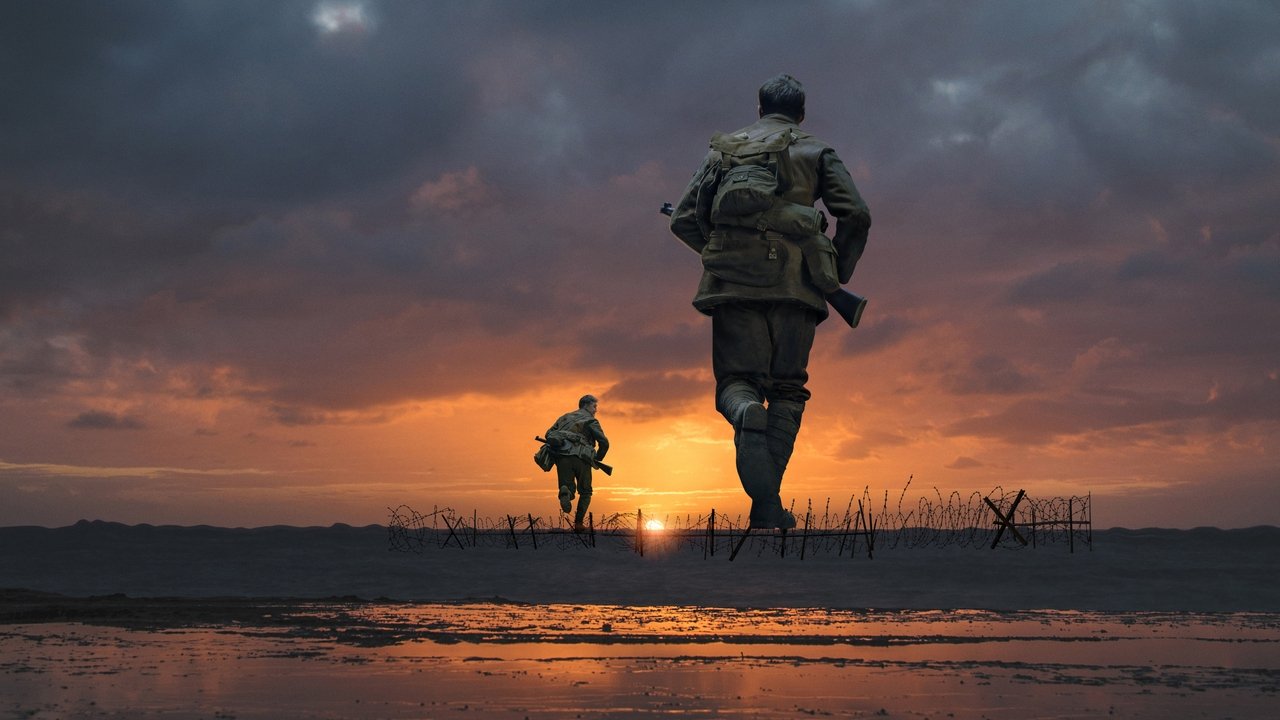
The plot is deceptively simple: two young corporals must deliver a message to stop a battalion of 1,600 men from walking into a trap. Among those men is the brother of Dean-Charles Chapman’s character. This simplicity allows the film to focus entirely on the physical reality of the journey. There’s no grand political posturing here, just the sound of boots squelching in rotting earth and the terrifying hum of a stray plane.
George MacKay is a revelation as Schofield. He has a face built for silent cinema—expressive, weary, and increasingly hollowed out as the day progresses. While the film features heavy hitters in brief cameos—Mark Strong, Benedict Cumberbatch, and a brilliantly cynical Andrew Scott—it’s MacKay who carries the emotional weight. His final sprint across a battlefield while landmines erupt and soldiers charge perpendicularly to him wasn't actually supposed to be that chaotic. MacKay accidentally collided with several extras during the take, but he kept running. Sam Mendes kept the cameras rolling, and that raw, unscripted clumsiness became the defining image of the movie.
Prestige, Politics, and the "Long Take"
1917 was a massive "awards season" heavyweight, eventually racking up ten Oscar nominations. It felt like the inevitable Best Picture winner until Parasite staged its historic upset. Looking back from the vantage point of today, the "one-shot" approach is still debated. Some critics argued it turned the war into a video game level, but I find that take a bit cynical. To me, the lack of cuts mirrors the psychological state of a soldier; when you’re in the thick of it, you don't get to "edit" your reality. You just have to survive the next ten seconds.
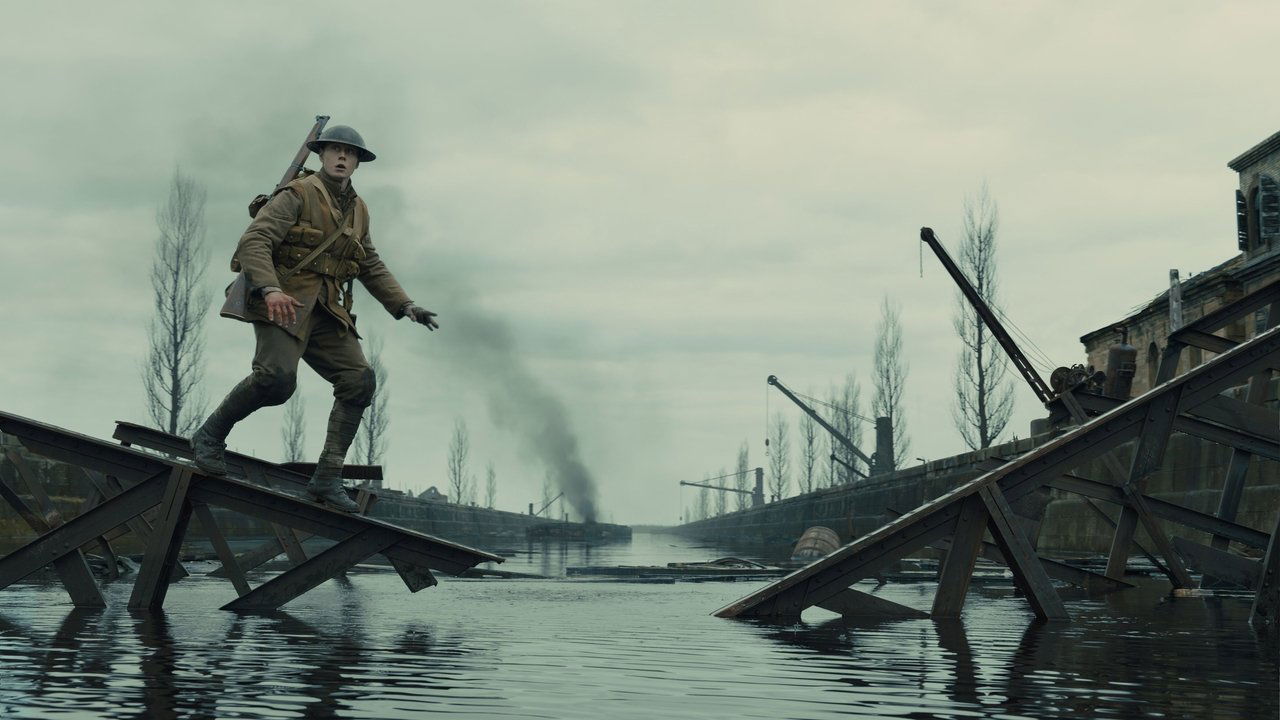
The film also avoids the trap of "franchise thinking" that plagues so many modern releases. It’s a self-contained, high-stakes Odyssey. It’s also surprisingly quiet for an action-heavy war film. Thomas Newman’s score is doing a lot of the heavy lifting here, shifting from industrial, mechanical dread to the soaring, ethereal "Night Window" track. It’s a score that feels like a heartbeat, speeding up and slowing down with Schofield’s pulse.
Stuff You Didn't Notice
- The production had to build over a mile of trenches specifically designed to accommodate the camera rigs and the actors' walking pace. - Sam Mendes based the story on anecdotes told to him by his grandfather, Alfred Mendes, who served as a messenger in WWI. - Because of the "one-shot" nature, the actors had to rehearse for six months before a single frame was shot. If someone tripped in the eighth minute of a nine-minute take, the whole thing was scrapped. - The "dead horses" and "corpses" in the fields were so realistic that the production had to put up signs warning local hikers that they weren't looking at a real crime scene.
1917 is a rare breed: a technical marvel that doesn't lose its soul in the machinery. It’s an intense, often grueling experience that demands your full attention, rewarding you with some of the most striking imagery ever put to film. It captures the sheer scale of the First World War by narrowing its focus down to two pairs of boots and a single piece of paper. If you haven’t seen it since its theatrical run—or worse, if you’ve only seen it on a phone—do yourself a favor. Turn off the lights, put away your own phone, and let the clock start ticking.
Keep Exploring...
-
13 Hours: The Secret Soldiers of Benghazi
2016
-
Т-34
2018
-
Hacksaw Ridge
2016
-

Braveheart
1995
-
Dunkirk
2017
-
Ford v Ferrari
2019
-
The King
2019
-
Patriots Day
2016
-
The Zookeeper's Wife
2017
-
Hotel Mumbai
2019
-
Midway
2019
-
Greyhound
2020
-
The Zone of Interest
2023
-

The Imitation Game
2014
-

Land of Mine
2015
-
All Quiet on the Western Front
2022
-
Jojo Rabbit
2019
-
The Patriot
2000
-
Kingdom of Heaven
2005
-
The Last Duel
2021