47 Meters Down: Uncaged
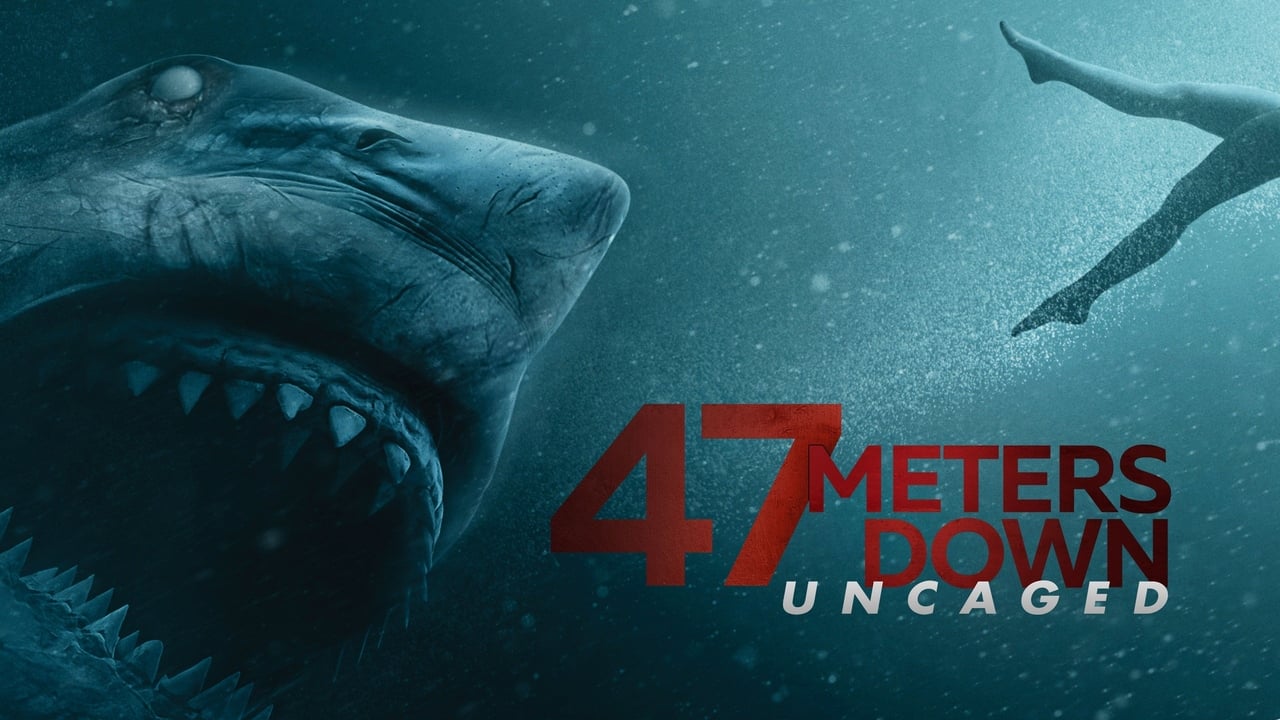
"Blind hunger in a sunken city."
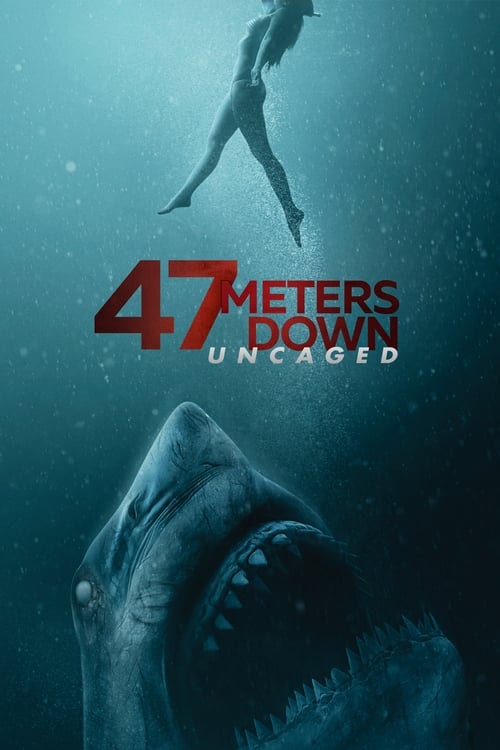
There is a specific, primal flavor of panic that only kicks in when you realize the exit you just used is no longer there. It’s that "room-shrinking" sensation, and Johannes Roberts—a director who seems to have a career-long obsession with trapping people in small, wet spaces—understands it better than most. While the first 47 Meters Down gave us the nightmare of a snapped winch and a long drop into the blue, its 2019 sequel, Uncaged, decides that the open ocean is far too spacious. Instead, it shoves us into a literal tomb.
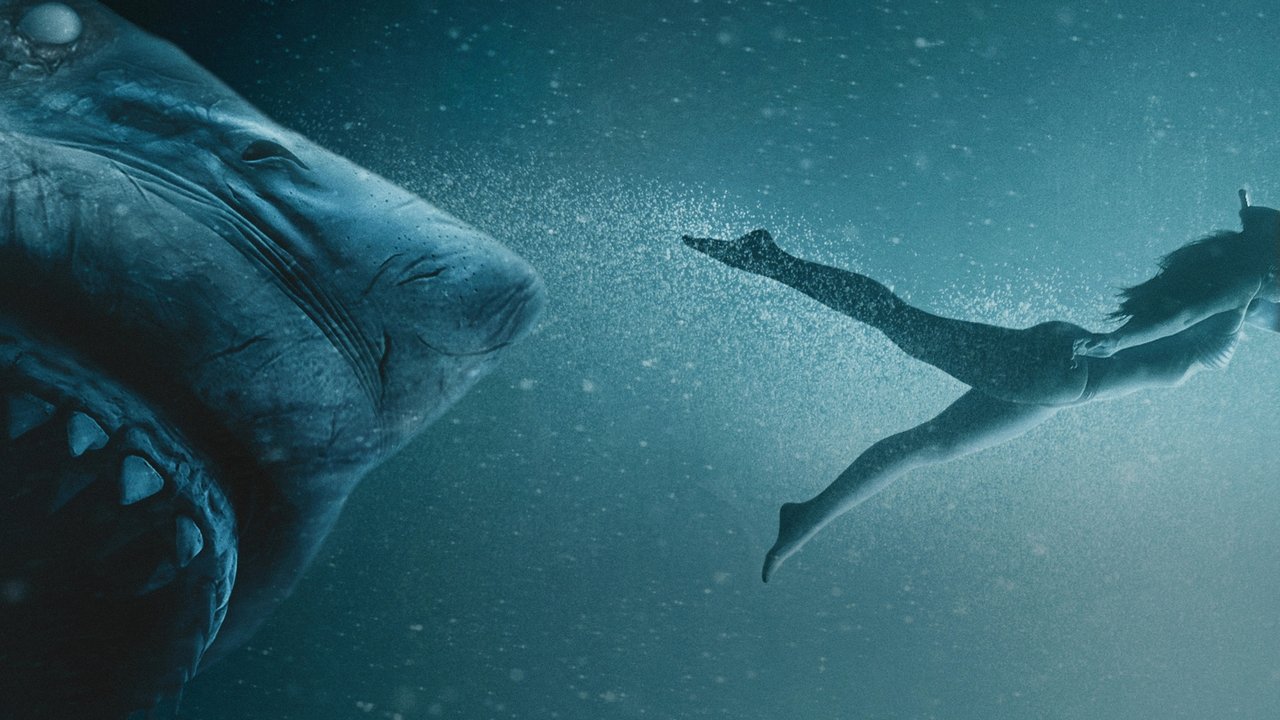
I watched this while wearing a slightly too-tight, over-washed hoodie that felt about two sizes too small by the forty-minute mark, and I’m pretty sure that accidental self-strangulation added a layer of sensory terror the filmmakers didn't officially charge for. It’s a film that thrives on that "no-air" anxiety.
The Descent into the Mayan Abyss
The setup is classic "teenagers making questionable choices" territory. We meet Mia (Sophie Nélisse), a social outcast being bullied at her new international school in Mexico, and her stepsister Sasha (Corinne Foxx), who is struggling to bridge the gap between them. Their father, Grant (John Corbett), is a diver working on excavating a submerged Mayan city—a literal "Xibalba" or place of fear.
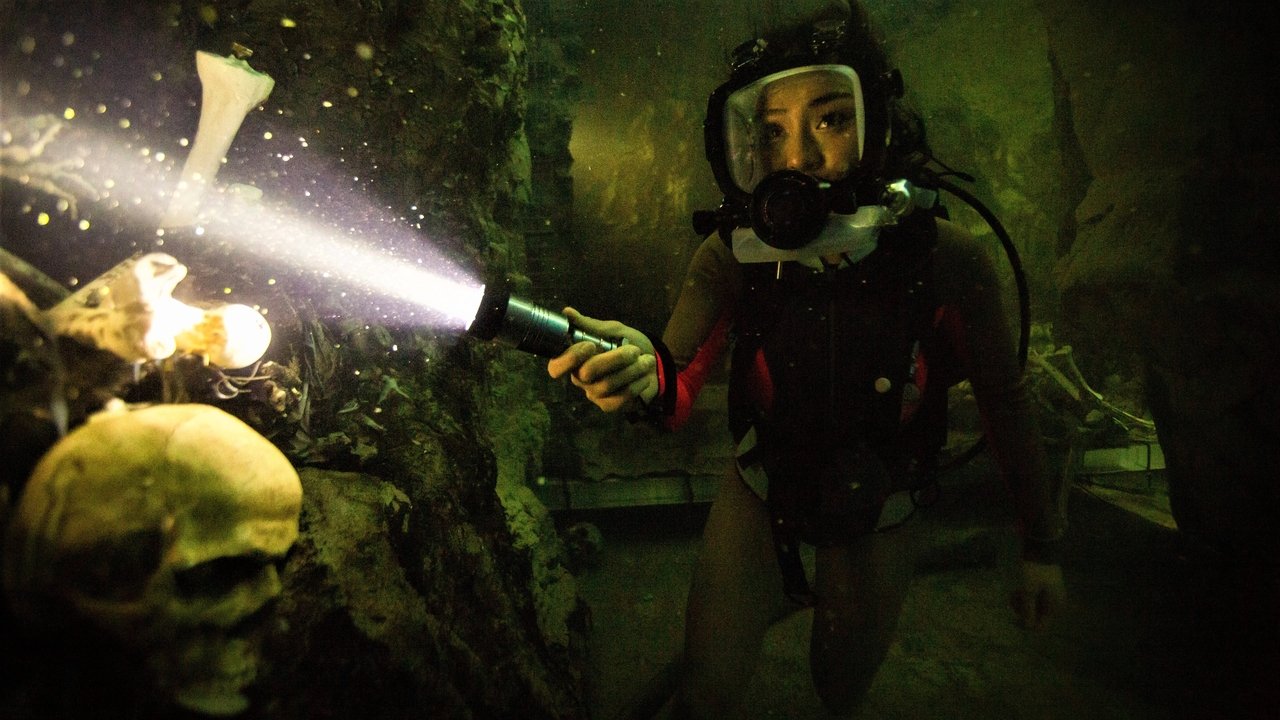
Naturally, instead of going on a safe, boring glass-bottom boat tour with their classmates, the girls and two friends (Brianne Tju and Sistine Rose Stallone) decide to sneak off to a secret lagoon that serves as an entrance to the sunken ruins. It’s a gorgeous, turquoise-tinted setup that quickly turns into basically The Descent with more fins and significantly less lighting budget.
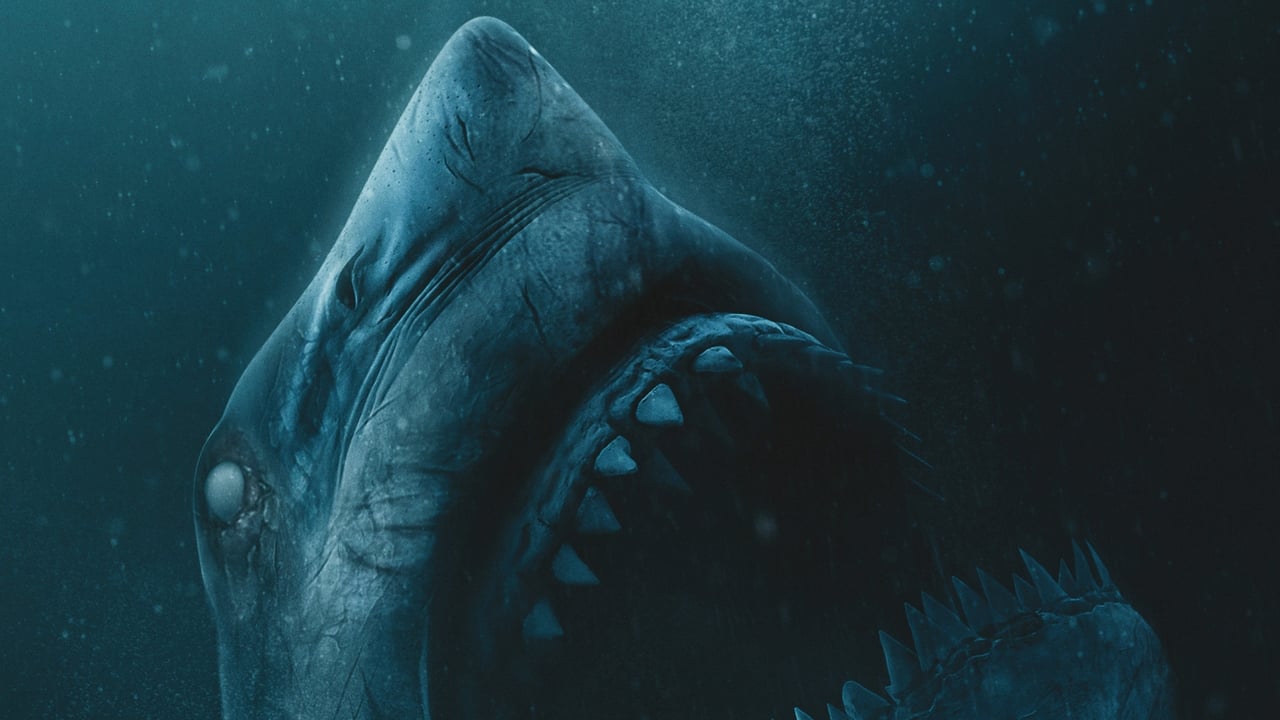
Once they’re deep inside the labyrinthine stone tunnels, a silt-disturbing accident causes a cave-in. The water turns from crystal clear to a murky, suffocating gray, and then the real stars of the show arrive: Great White sharks that have evolved in total darkness. They are pale, scarred, and completely blind, relying on sound and vibration to find their lunch.
A Masterclass in Cheap Thrills and Red Flares
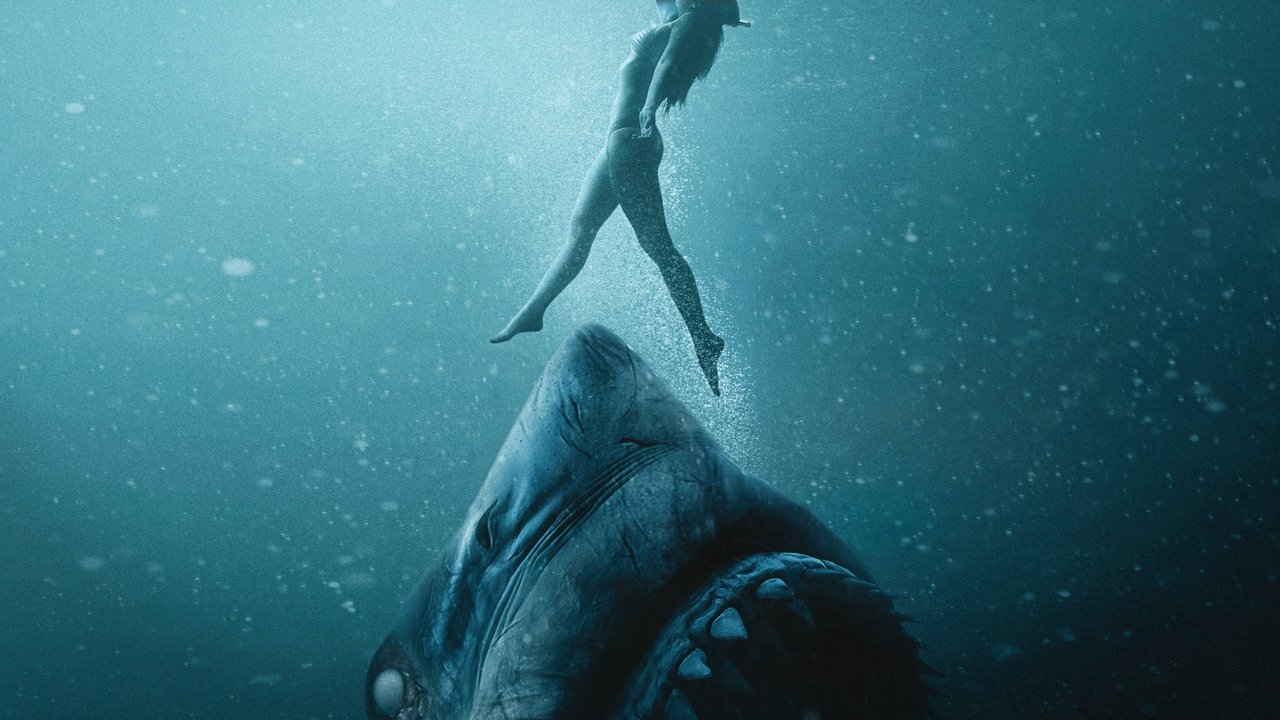
What I appreciate about Uncaged is that it doesn't pretend to be anything other than a high-octane B-movie. In our current era of "elevated horror" where every monster has to be a metaphor for generational trauma, there’s something refreshing about a movie where the shark is just a shark that wants to eat you. It’s an exercise in pure mechanical tension.
Johannes Roberts and his cinematographer, Mark Silk, use the claustrophobia of the caves to hide the sharks in plain sight. There’s a sequence involving a red emergency flare that is arguably the highlight of the film. The rhythmic pulsing of the light—red, then black, then red—creates a stroboscopic nightmare where the shark appears closer with every flash. It’s an old trick, but it works because the sound design by tomandandy fills the silence with the heavy, rhythmic rasp of scuba regulators and the low-frequency thrum of moving water.
The "blind shark" gimmick is actually a clever way to bypass the "why didn't they see it coming?" logic problem. In the silt-choked tunnels, the girls are just as blind as the predators. It turns the film into a game of underwater "Marco Polo" where the stakes are losing a limb. Brianne Tju stands out here, bringing a frantic, high-energy survival instinct to Alexa that makes her feel like more than just shark bait.
The Nepo-Baby Diving Club
Interestingly, the film gained some social media traction for its "daughter of" casting. You’ve got Sistine Rose Stallone (daughter of Sylvester) and Corinne Foxx (daughter of Jamie) making their marks in the genre. While the internet loves to sharpen its knives for "nepo-babies," both of them actually put in the work here. Acting underwater is notoriously difficult—you’re stripped of your voice and half your facial expressions—yet they manage to convey a convincing sense of escalating hysteria.
Behind the scenes, the production was a logistical beast. Most of the film was shot in large water tanks in Basildon, England, and the Dominican Republic. Apparently, the actors spent months in dive training, which shows in how they handle their gear. There’s a scene involving an underwater whirlpool that looks genuinely miserable to film, and that physical discomfort translates well to the screen.
The film also avoids the "sequel bloat" that plagues modern franchises. At a lean 90 minutes, it knows exactly when to quit. It’s a product of the late-2010s theatrical landscape—a mid-budget thriller that found its true calling on streaming services, where "shark movies" are a permanent sub-genre of their own. It doesn't need to reinvent the wheel; it just needs to make you hold your breath.
47 Meters Down: Uncaged is a nasty, brutish, and short exercise in genre filmmaking that understands exactly what it is. It’s a GoPro commercial directed by a nihilist, trading the psychological weight of the first film’s ending for a more traditional, "Final Girl" action finale that goes absolutely off the rails in the best way possible. You aren't coming for the character arcs or the logic of shark biology; you’re here for the red flares and the sudden, snapping jaws. It’s a solid Friday-night-on-the-couch pick that delivers exactly the kind of wet, dark misery the poster promises.
Keep Exploring...
-

47 Meters Down
2017
-
The Other Side of the Door
2016
-
The Strangers: Prey at Night
2018
-
Resident Evil: Welcome to Raccoon City
2021
-
Men
2022
-

Polaroid
2019
-
The Silence
2019
-
Regression
2015
-
Friend Request
2016
-

Morgan
2016
-

Cult of Chucky
2017
-

The Bar
2017
-

Wish Upon
2017
-

Assassination Nation
2018
-
Hell Fest
2018
-
Haunt
2019
-
The Prodigy
2019
-
Brahms: The Boy II
2020
-
Color Out of Space
2020
-
Gretel & Hansel
2020