A Beautiful Day in the Neighborhood
"Kindness is a radical act."
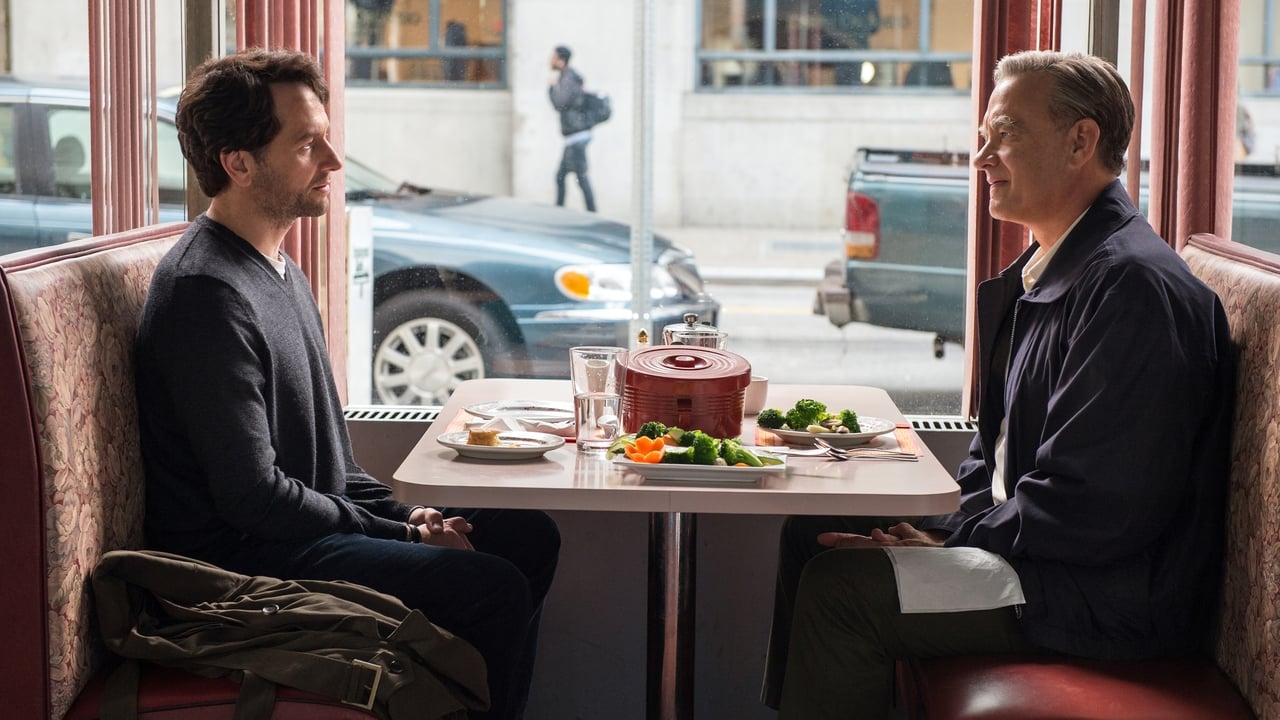
There is a sequence in the middle of A Beautiful Day in the Neighborhood where the world just... stops. Fred Rogers asks a cynical journalist to take one minute to think about all the people who "loved him into being." For sixty literal seconds of screentime, the movie goes quiet. It is the kind of daring, confident silence you almost never see in contemporary cinema, which usually feels like it’s vibrating with the need to keep you from looking at your phone. I watched this on a Tuesday night while wearing a pair of socks with a hole in the big toe, which kept distracting me until that minute of silence forced me to actually sit with my own thoughts. By the time the minute was up, I wasn't thinking about my toe; I was wondering why I don’t call my dad more often.
The Anti-Biopic Approach
We are currently living through a glut of "greatest hits" biopics—films that feel like a Wikipedia page set to a licensed soundtrack. Director Marielle Heller (who previously crushed it with Can You Ever Forgive Me?) wisely avoids that trap. This isn’t actually a movie about Fred Rogers. Instead, it’s a character study of Lloyd Vogel, a journalist played with a permanent scowl by Matthew Rhys.
Lloyd is based on real-life writer Tom Junod, and his arc is a classic "damaged man" trope: he’s an investigative shark who hates his father (Chris Cooper) and carries his trauma like a shield. When his editor assigns him a 400-word puff piece on the host of Mister Rogers' Neighborhood, Lloyd approaches it like he’s trying to expose a Watergate-level scandal. He wants to find the "real" Fred Rogers, convinced that the soft-spoken man on TV is a mask. What he finds instead is a man who treats emotional health like a job that requires overtime.
The Cardigan-Clad Titan
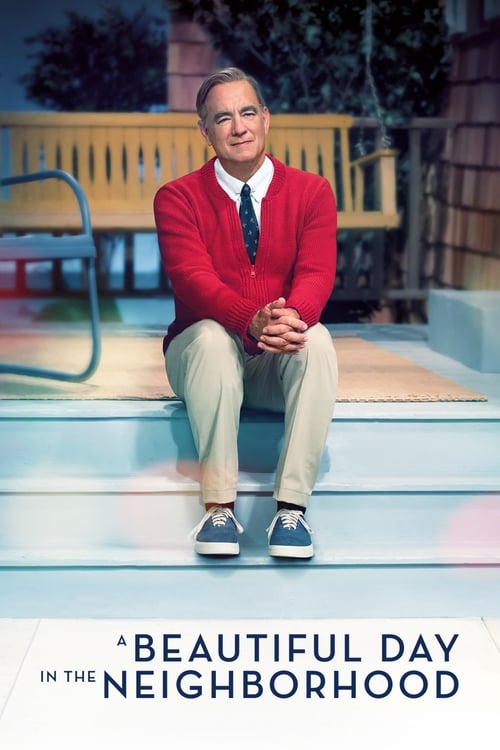
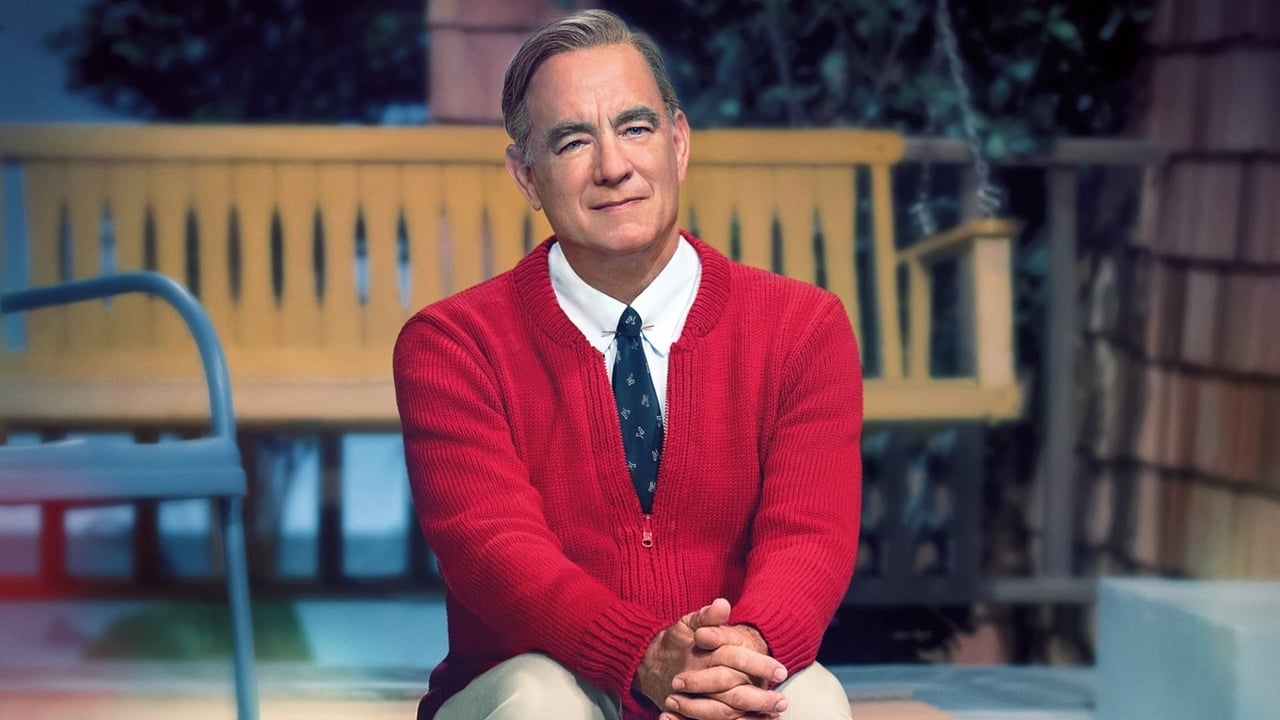
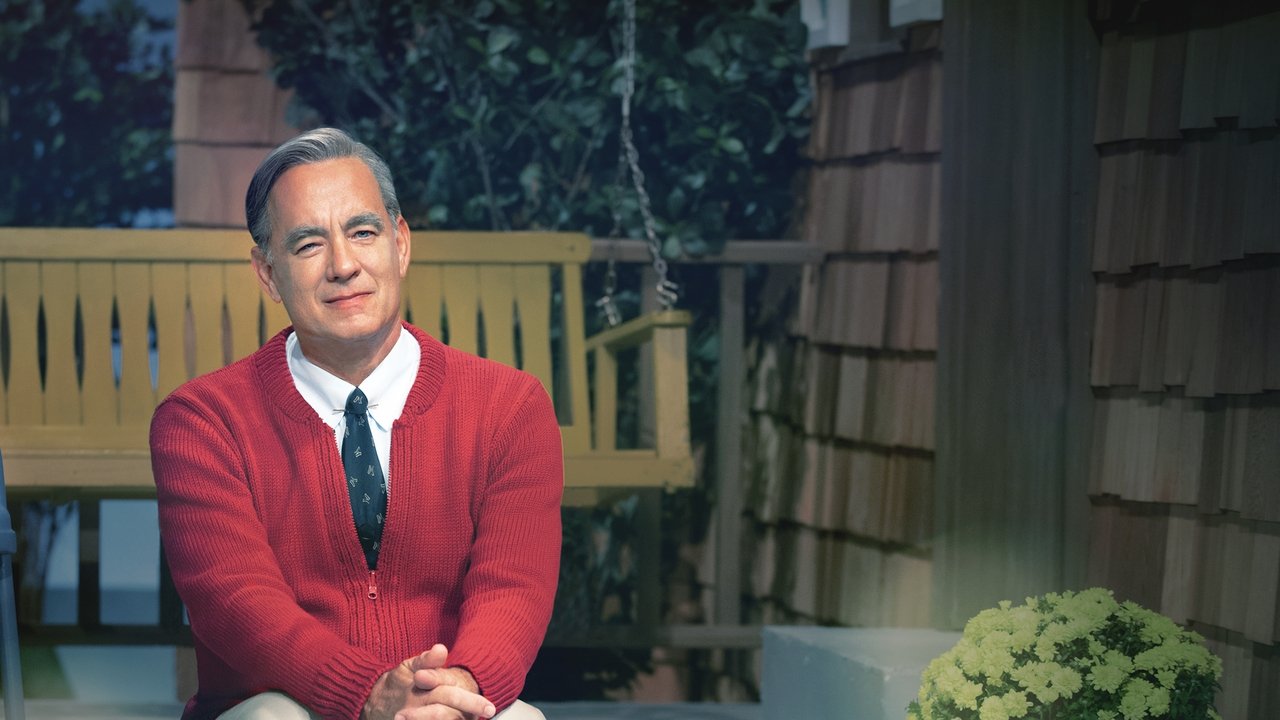
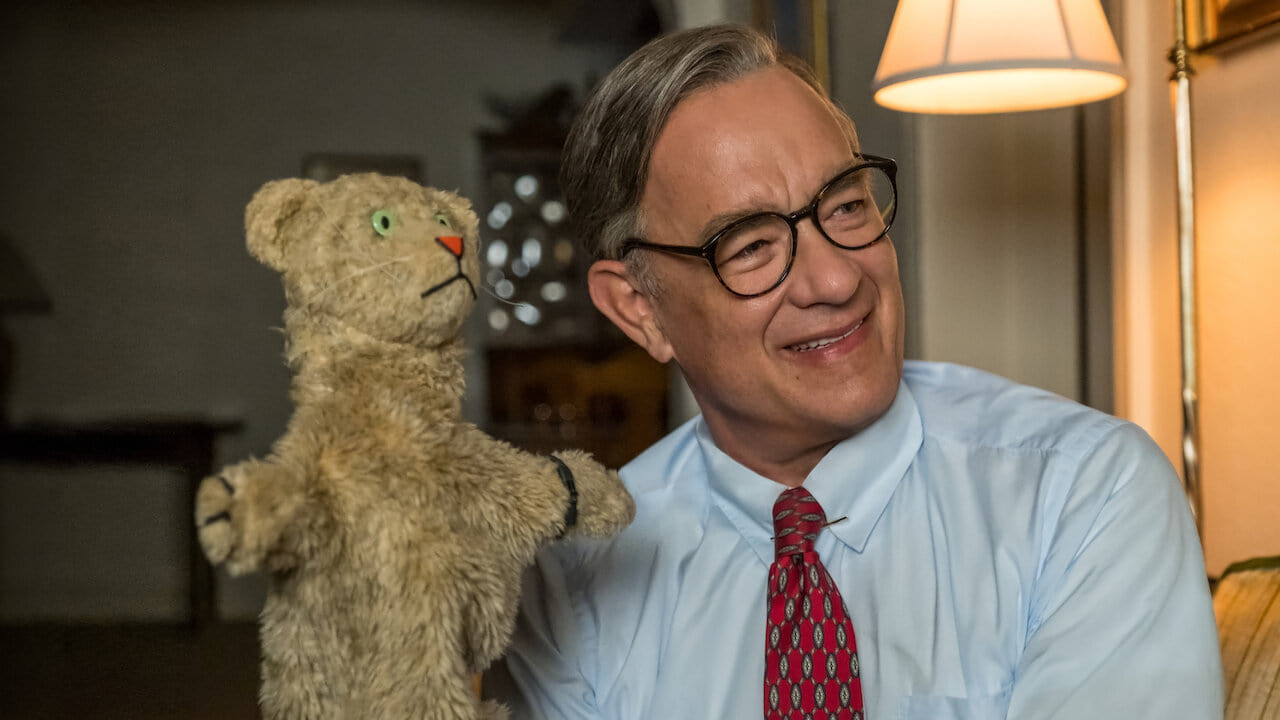
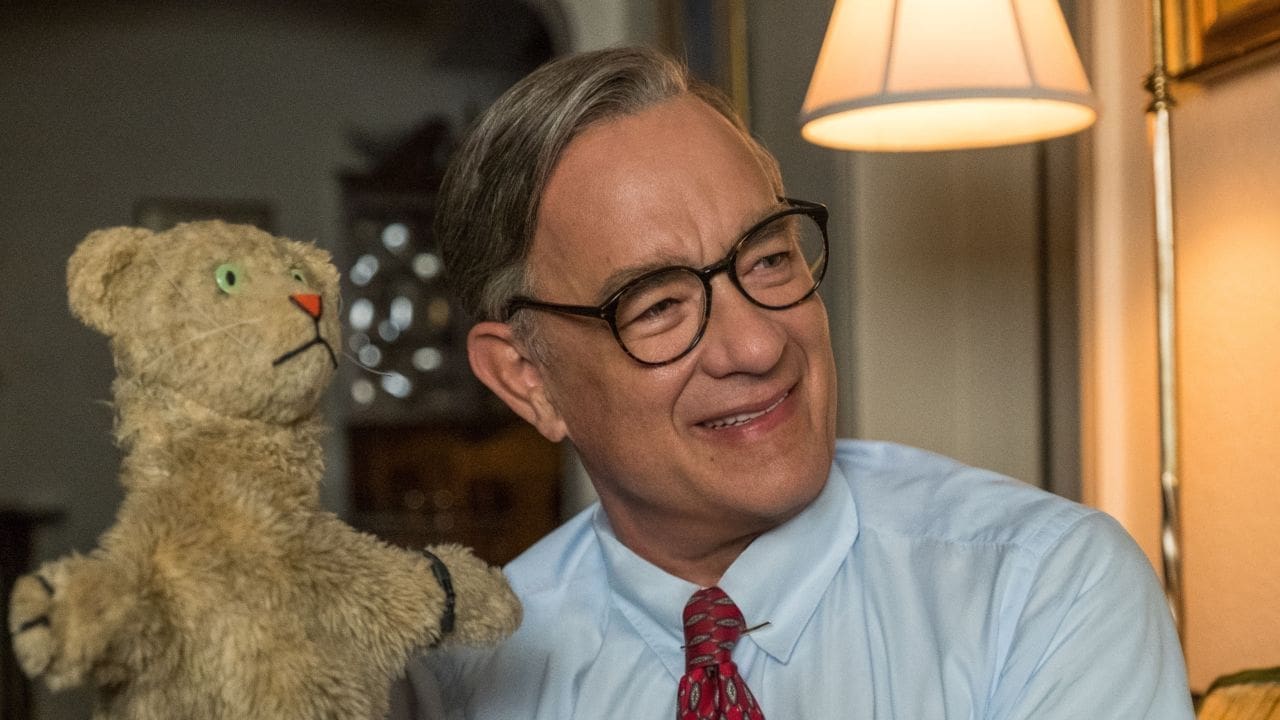
Tom Hanks playing Fred Rogers felt like a casting decision made by an algorithm for "Nicest Human Alive," but he subverts expectations. He doesn't do a Saturday Night Live-style impression. He captures the deliberateness of Rogers. Hanks plays Fred as if he’s a benevolent Jedi who has mastered the high ground of empathy. He moves slowly, speaks with intention, and—most importantly—listens.
The chemistry between Matthew Rhys and Tom Hanks is what makes the drama feel earned rather than manipulative. Rhys is spectacular at showing us the gears grinding in his head as his cynicism slowly melts. He’s supported by Susan Kelechi Watson (known for This Is Us), who plays his wife, Andrea. She serves as the audience surrogate, reminding Lloyd—and us—that Rogers isn't a saint to be worshipped, but a human who chooses to be kind every single day.
Interestingly, Hanks and the real Fred Rogers were actually sixth cousins. I’m not sure if that helped with the performance, but it certainly adds a layer of "meant to be" to the whole production. The film was even shot at the original WQED studios in Pittsburgh where the show was filmed, using some of the original cameras and equipment. You can feel that authenticity in the texture of the "show" segments.
A Model World
What I love most about Marielle Heller’s direction is the visual language. Instead of standard establishing shots of New York or Pittsburgh, the film uses miniatures designed to look exactly like the toy town from the Neighborhood intro. It’s a brilliant way to suggest that the entire world is under Fred’s care, or perhaps that we are all just children playing in a very complicated sandbox.
In an era defined by franchise dominance and social media vitriol, this film feels like a necessary corrective. It doesn't shy away from the darker side of the human condition—anger, abandonment, and death are all on the table here. But it handles them with the same gentleness Rogers used to explain a divorce to a five-year-old. It’s basically a horror movie for people who are terrified of their own feelings.
The score by Nate Heller (the director's brother) leans into the whimsical jazz of the original show without becoming a parody. It underscores the film's central thesis: that being a "good" person isn't a destination you reach, but a practice you maintain. It’s not about being perfect; it’s about what you do with the "mad that you feel."
This isn't a film that’s going to reinvent the wheel of cinematography, but it might actually make you a slightly better person for a few hours. It’s a beautifully acted, surprisingly sharp drama that understands the difference between sentimentality and genuine emotion. It takes the legacy of a television icon and turns it into a mirror, asking us if we’re actually being the neighbors we claim to be. If you’ve got two hours and a heart that’s feeling a little calloused by the modern world, put on your favorite sweater and let this one in. It’s exactly the kind of grown-up storytelling we need more of.
Keep Exploring...
-
Can You Ever Forgive Me?
2018
-
The Man Who Invented Christmas
2017
-
Goodbye Christopher Robin
2017
-
Colonia
2015
-

Max
2015
-
Mr. Holmes
2015
-
Miracles from Heaven
2016
-

Risen
2016
-
Battle of the Sexes
2017
-

Detroit
2017
-
The Zookeeper's Wife
2017
-
Victoria & Abdul
2017
-
Mary Queen of Scots
2018
-

On the Basis of Sex
2018
-
Operation Finale
2018
-
The Current War
2018
-
Harriet
2019
-

Hotel Mumbai
2019
-
Mank
2020
-

The Outpost
2020