A Dog's Way Home
"Love is a four-legged homing missile."

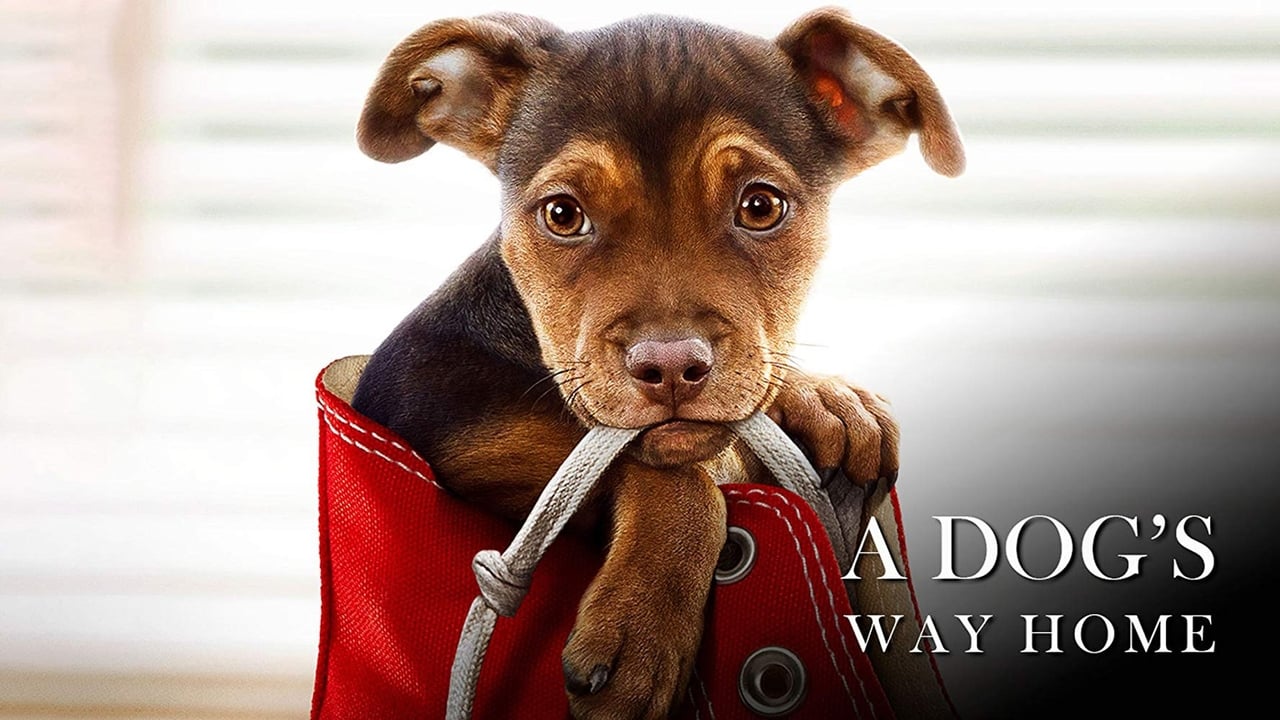
I watched A Dog's Way Home while my own rescue mutt, Barnaby, was snoring so loudly against my shin that I actually had to turn the volume up. There is a specific kind of guilt that comes with watching a movie about a dog traveling 400 miles through the Colorado wilderness to find her person while your own dog won’t even go outside if it’s drizzling. But that’s the magic trick these movies pull, isn't it? They weaponize our domestic connections to turn a relatively straightforward adventure into an emotional gauntlet.

Released in early 2019, just before the world decided to stay indoors for two years, A Dog's Way Home arrived during a strange, hyper-specific boom of "Dog POV" cinema. We had A Dog's Purpose, A Dog's Journey, and The Art of Racing in the Rain all vying for our tears within a three-year window. Based on the novel by W. Bruce Cameron (the undisputed king of the canine-tears industry), this film trades in reincarnation for a more traditional "Incredible Journey" setup, but with a sharp, contemporary bite regarding animal welfare laws.
The Bureaucracy of Heartbreak
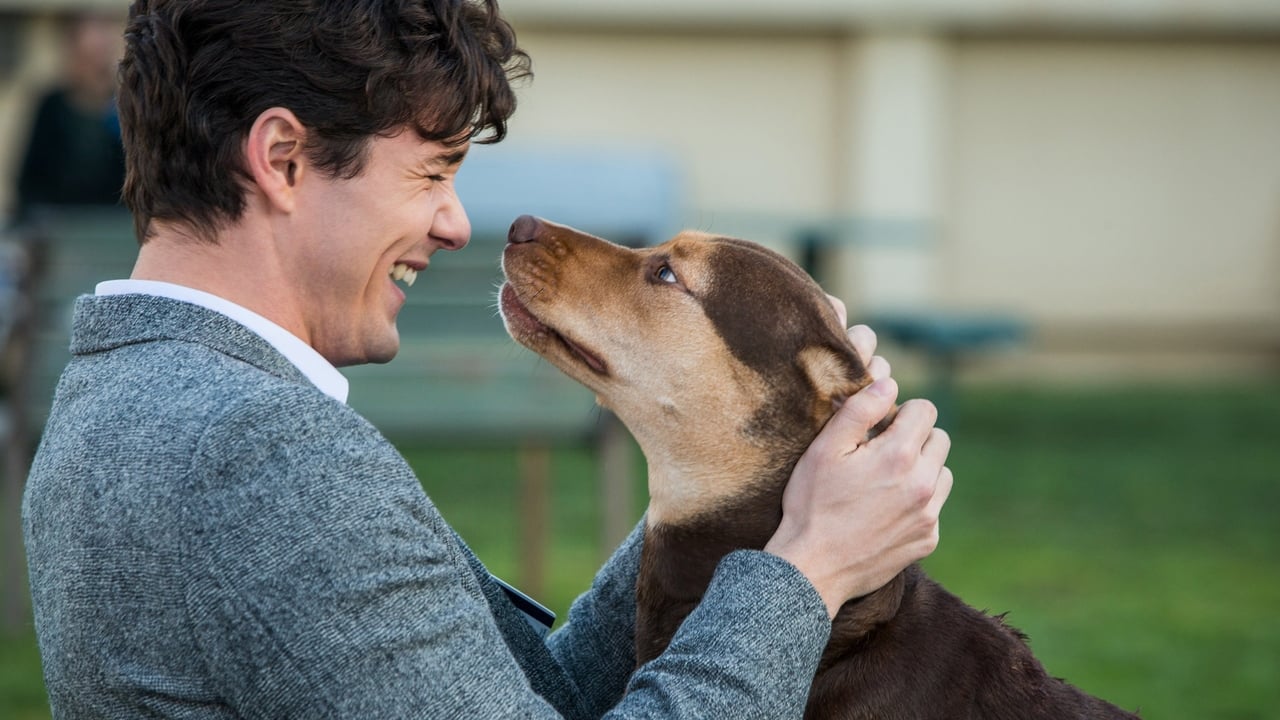
The story kicks off in Denver, where we meet Bella, voiced with a relentless, wide-eyed optimism by Bryce Dallas Howard. Bella is a "pitbull mix," a label that carries heavy weight in the film’s version of Denver due to Breed-Specific Legislation (BSL). When Jonah Hauer-King (who you’ll recognize as Prince Eric from the live-action Little Mermaid) takes her in as Lucas, he isn’t just adopting a pet; he’s entering a legal minefield.
I found the film’s focus on the "illegal" status of certain breeds to be its most grounded and heartbreaking element. It’s a very modern drama—less about a dog getting lost and more about a dog being systematically removed by a rigid municipal system. When Bella is declared a "pitbull" by a disgruntled animal control officer, the stakes aren't just "stay inside"; the stake is a death sentence. This forced separation is what triggers Bella’s 400-mile "Go Home" command, and frankly, the animal control officer is a more effective villain than most Marvel antagonists.
A Digital Wilderness

Once Bella hits the road, the film shifts from a social drama into a survival adventure. This is where the 2019 of it all really starts to show. Director Charles Martin Smith—who famously directed the much more tactile Air Bud—struggles to balance the "real dog" performance of Shelby (the actual rescue dog who plays Bella) with the film's heavy reliance on CGI.
Bella eventually "adopts" an orphaned cougar cub she calls "Big Cat." This subplot is clearly intended to mirror Bella’s own rescue story, but the CGI cougar looks like it escaped from a 2005 PlayStation cinematic. In an era where we expect seamless digital effects, seeing a real, expressive dog interact with a floaty, weightless digital cat pulls you right out of the emotional reality. It’s a symptom of that late-2010s mid-budget crunch where the ambition of the script outpaced the visual effects budget. I wanted to feel the danger of the wilderness, but often I just felt the glow of a green screen.
The Human Side of the Leash
Despite the digital distractions, the human ensemble brings a surprising amount of weight to what could have been a fluff piece. Ashley Judd is reliably excellent as Lucas’s mother, a veteran dealing with PTSD. The film touches on the role of service animals in the veteran community with a sincerity that felt earned, rather than like a checklist of "important topics."

Edward James Olmos and Wes Studi pop up in smaller roles, reminding us that even a "dog movie" can benefit from some veteran gravitas. But the film truly lives or dies on Bryce Dallas Howard’s narration. Her performance is sugary—maybe a little too sweet for some—but she captures that frantic, single-minded devotion we imagine our dogs have. She doesn't just narrate; she translates the world through a filter of "Cheese," "Lucas," and "Invisible Barriers."
A Dog's Way Home hasn't quite stuck in the cultural craw like Old Yeller or Homeward Bound, likely because it was lost in that 2019 shuffle of similar titles. It’s a film that exists in the weird space between a theatrical epic and a high-end streaming original. It’s a "nice" movie, a "Friday night with the kids" movie, but it’s also a fascinating look at how we projected our anxieties about rules and belonging onto our pets during the late 2010s.
While it leans a bit too heavily on subpar digital effects and a soundtrack that practically demands you start crying on cue, A Dog's Way Home succeeds because it understands the core "person-dog" contract. It highlights real-world issues like BSL and veteran support while delivering the requisite scenes of a dog running across beautiful landscapes. It’s not a masterpiece of animal cinema, but if you’ve ever looked at your dog and wondered if they’d walk across a mountain range for you (and you're willing to ignore a very fake-looking cougar), it’s a journey worth taking. Just make sure your own dog is nearby for a post-movie ear scratch.
Keep Exploring...
-
A Dog's Journey
2019
-
Max
2015
-
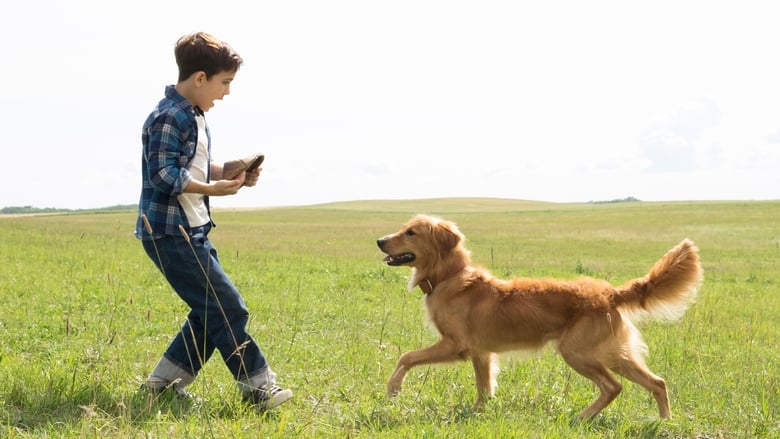
A Dog's Purpose
2017
-

Mia and the White Lion
2018
-

The Boy and the Beast
2015
-

Miss Peregrine's Home for Peculiar Children
2016
-

Cars 3
2017
-

The Lion King
2019
-
The Call of the Wild
2020
-

A Street Cat Named Bob
2016
-

Gold
2016
-
Miracles from Heaven
2016
-

Attraction
2017
-
Asterix: The Secret of the Magic Potion
2018
-

Descendants 3
2019
-

Dora and the Lost City of Gold
2019
-
Pinocchio
2019
-

Red Shoes and the Seven Dwarfs
2019
-

The Aeronauts
2019
-
News of the World
2020