After
"First love, leather jackets, and a thousand red flags."
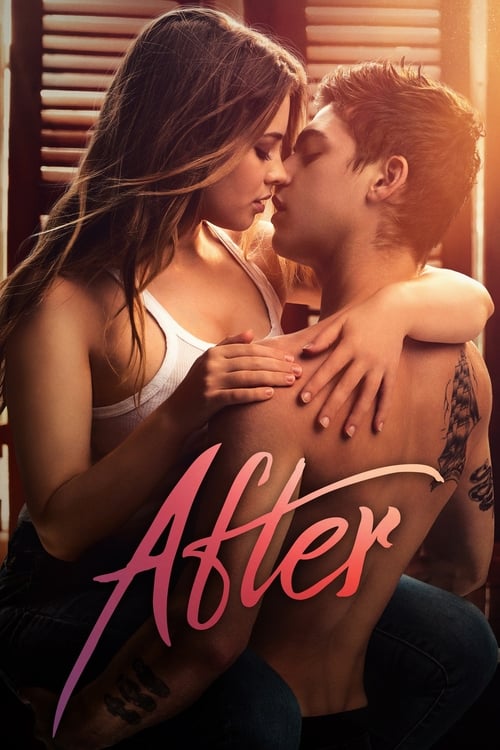
I distinctly remember the first time I heard about After. It wasn’t through a trailer or a film festival announcement; it was through the frantic, capitalized digital whispers of a million teenagers on Wattpad. Watching this film in 2019 felt like witnessing a weird collision between the secret, fan-fiction-fueled corners of the internet and the polished machinery of Hollywood. While I was watching this on my laptop, my neighbor decided to start mowing his lawn, and the low, monotonous hum of his Briggs & Stratton engine actually provided a strangely fitting rhythmic drone for the suburban boredom Tessa Young is trying so desperately to escape.
The Wattpad-to-Screen Pipeline
To understand After, you have to understand the era of the "algorithm-to-theatre" pipeline. We are living in a moment where intellectual property isn't just a comic book or a classic novel anymore—it’s a data-driven phenomenon born on smartphones. Originally a Harry Styles fan-fiction penned by Anna Todd, the film had to scrub the "Harry" out of its lead character to avoid a lawsuit, giving us Hardin Scott. It’s a fascinating look at how contemporary cinema mines digital subcultures for guaranteed box office returns.
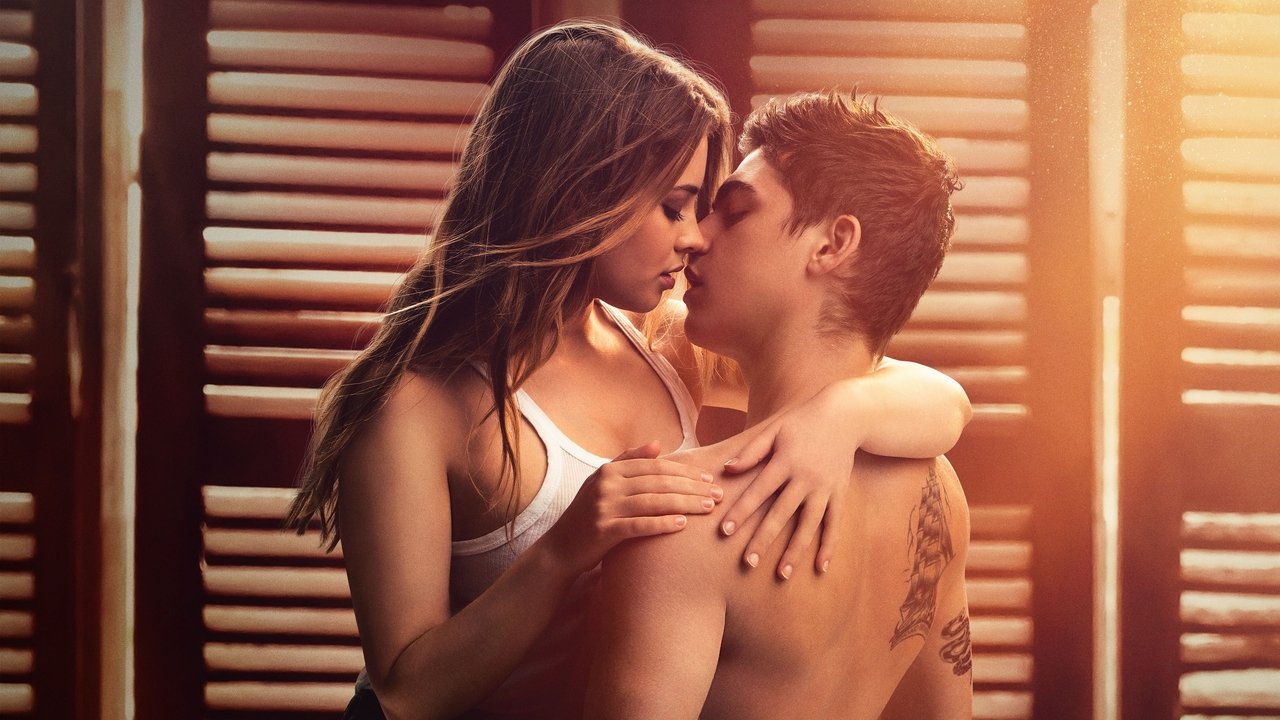
Director Jenny Gage, who came from a background in documentary and photography (All This Panic), gives the movie a surprisingly high-end aesthetic. It doesn’t look like a cheap teen flick; it has a soft, hazy, prestige-indie glow that almost tricks you into thinking you’re watching a Greta Gerwig film. But then the dialogue kicks in. The screenplay, co-written by Susan McMartin and Tamara Chestna, is packed with the kind of intense, breathless declarations that only sound natural if you’re fifteen and currently crying into a pillow. "Hardin Scott is essentially a walking, talking Pinterest board of 'I can fix him' energy," and the film leans into that trope with the subtlety of a sledgehammer.
A Chemistry Experiment
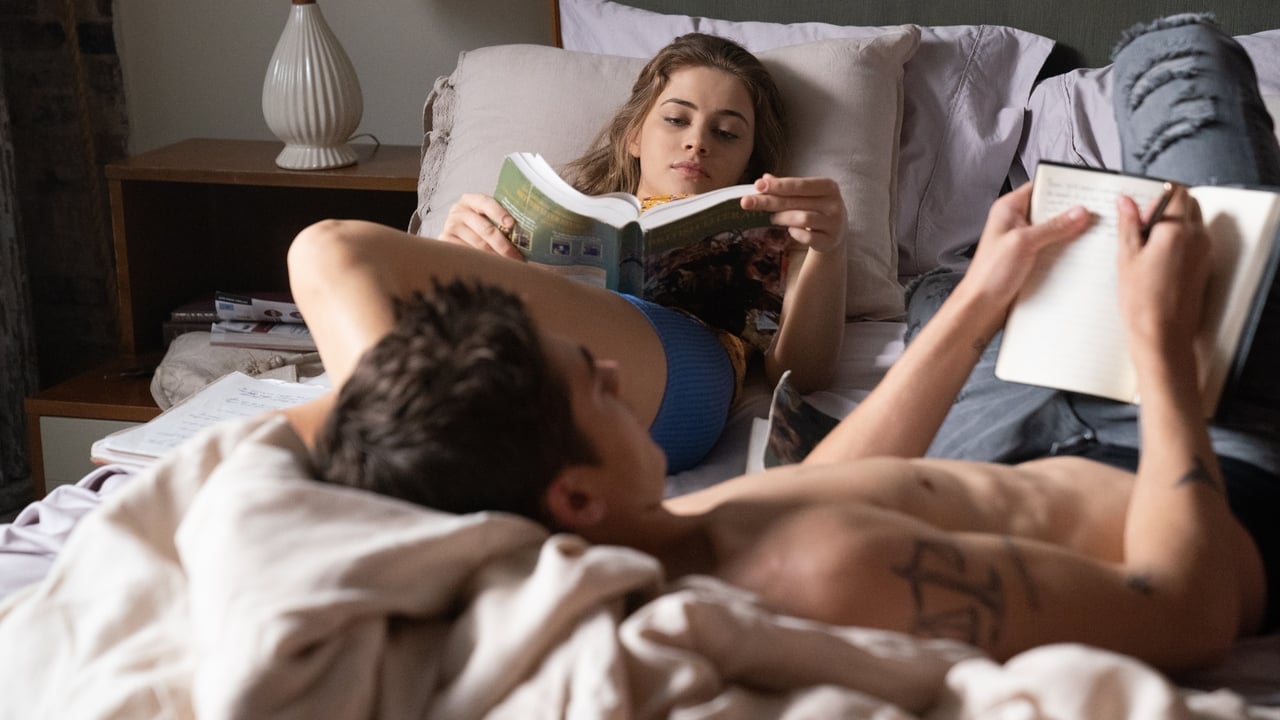
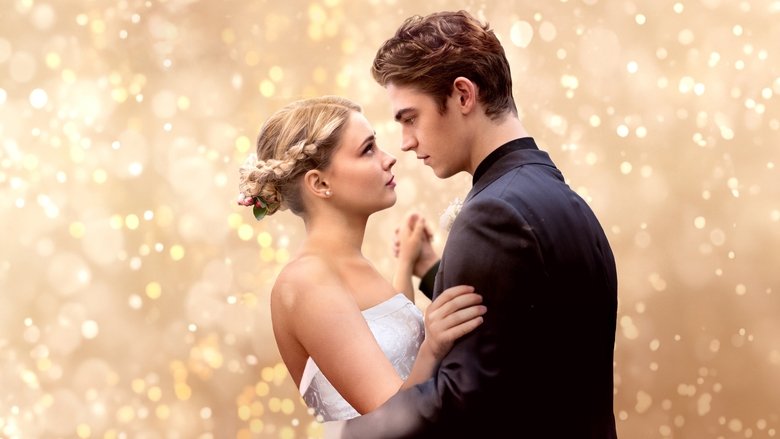
The weight of the entire movie rests on the shoulders of Josephine Langford (sister of Katherine Langford from 13 Reasons Why) and Hero Fiennes Tiffin (the nephew of Ralph and Joseph Fiennes). I have to give Josephine Langford credit—she manages to ground Tessa with a level of sincerity that the script doesn't necessarily deserve. She captures that specific brand of "good girl" naivety without making the character feel like a total doormat.
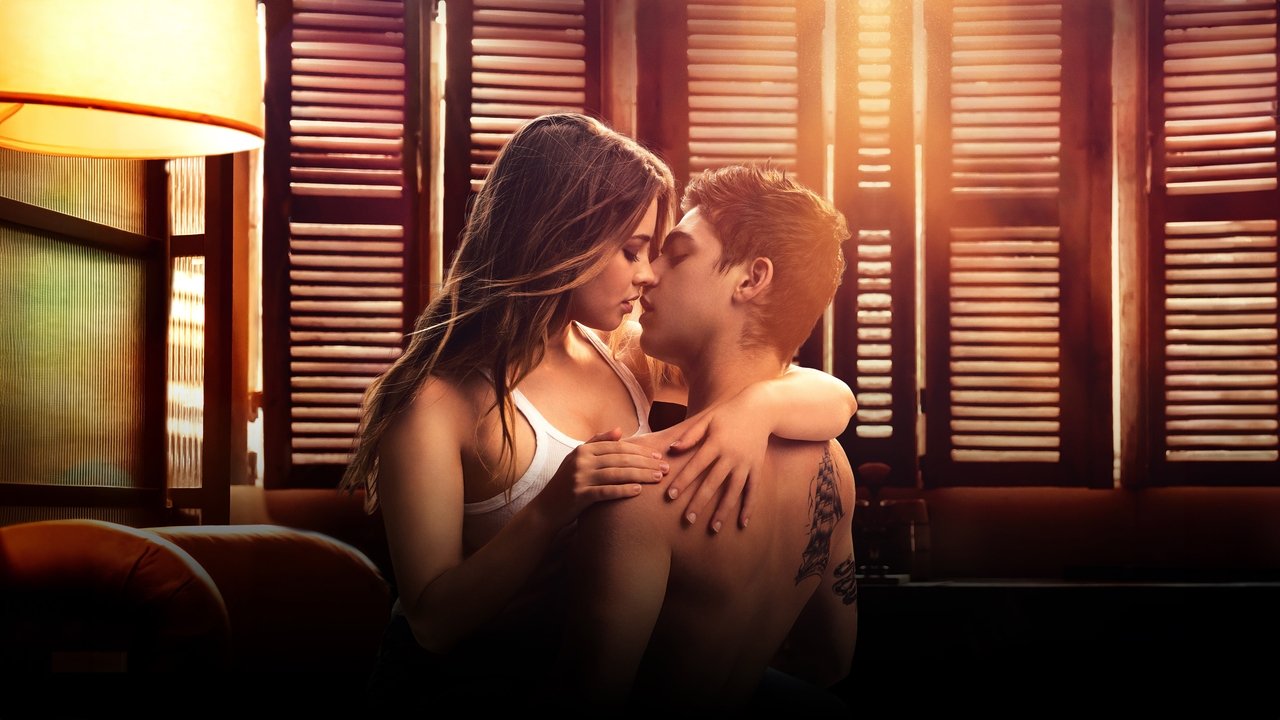
Then there’s Hero Fiennes Tiffin. He’s got the brooding, moody rebel look down to a science. His Hardin is a swirl of tattoos, leather jackets, and "don’t touch my soul" glares. While the chemistry between the two is palpable, it often feels like they are acting in two different movies: she’s in a coming-of-age drama, and he’s in a perfume commercial. Supporting players like Shane Paul McGhie and Samuel Larsen do their best with limited screen time, but they are mostly there to react to the central pair's constant emotional turbulence. It was also a trip to see Dylan Arnold as the "safe" boyfriend, Noah; he’s a solid actor who would later go on to much more explosive things in Christopher Nolan's Oppenheimer.
The Cult of the Afternators
Despite critical drubbing, the film was a massive financial success, spawning a franchise that seems to have no end in sight. Why? Because it understands its audience perfectly. It targets the "Afternators"—a fanbase so dedicated that they used to flood Anna Todd’s social media with fan-casting suggestions (interestingly, fans originally campaigned heavily for Indiana Evans to play Tessa).
Turns out, the production was quite the family affair; Anna Todd herself has a cameo as the woman Tessa passes in the publishing house hallway. There’s a certain charm in how the film embraces its soap-opera DNA. It’s not trying to be Citizen Kane; it’s trying to be the cinematic equivalent of a vanilla latte with four extra pumps of syrup. Even the trivia is peak contemporary era: the film was shot as a PG-13 to capture the teen market, but it famously had its "R-rated" moments cut, leading to a vocal fan movement demanding "The Hardin Cut"—a digital age echo of the Snyder Cut phenomenon.

The film handles its themes of consent and toxic dynamics with... well, let's say "variable" success. In the context of 2019, right in the thick of conversations about representation and healthy relationships, After feels like a throwback to the problematic "bad boy" tropes of the early 2000s, just with better lighting and more modern smartphones.
Ultimately, After is a glossy, occasionally baffling, but undeniably watchable artifact of our current "content" era. It’s a film that exists because of the internet, for the internet, and its flaws are just part of the package for its dedicated followers. If you can turn off the part of your brain that demands logical character motivations and just enjoy the aesthetic of two very attractive people being miserable in scenic locations, you might actually find yourself hitting "play" on the next three sequels. It’s the kind of movie that makes you roll your eyes while simultaneously checking to see if there's any popcorn left in the bowl.
Keep Exploring...
-
After We Collided
2020
-
After We Fell
2021
-
After Ever Happy
2022
-
After Everything
2023
-
The Longest Ride
2015
-
Collateral Beauty
2016
-
Everything, Everything
2017
-
The Mountain Between Us
2017
-
The Space Between Us
2017
-

We Are Your Friends
2015
-
Passengers
2016
-
Sierra Burgess Is a Loser
2018
-
Purple Hearts
2022
-
Beautiful Disaster
2023
-
365 Days
2020
-
Through My Window
2022
-
Carol
2015
-
Paper Towns
2015
-
The Age of Adaline
2015
-
Café Society
2016