Aladdin
"New Magic, Same Lamp, Way More Will Smith."
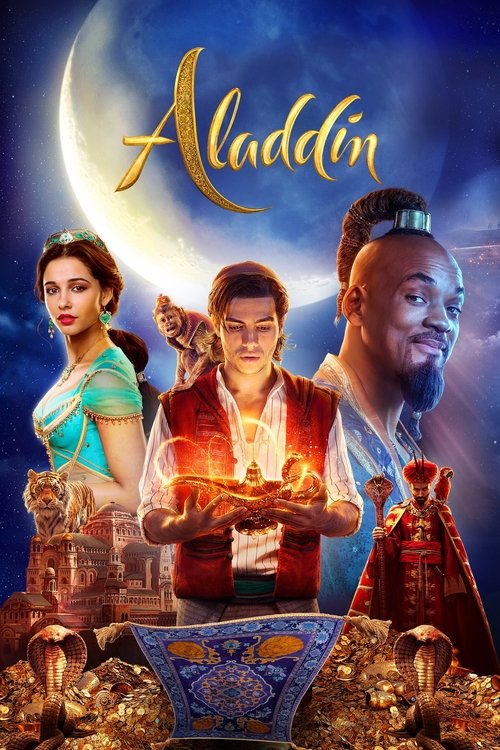
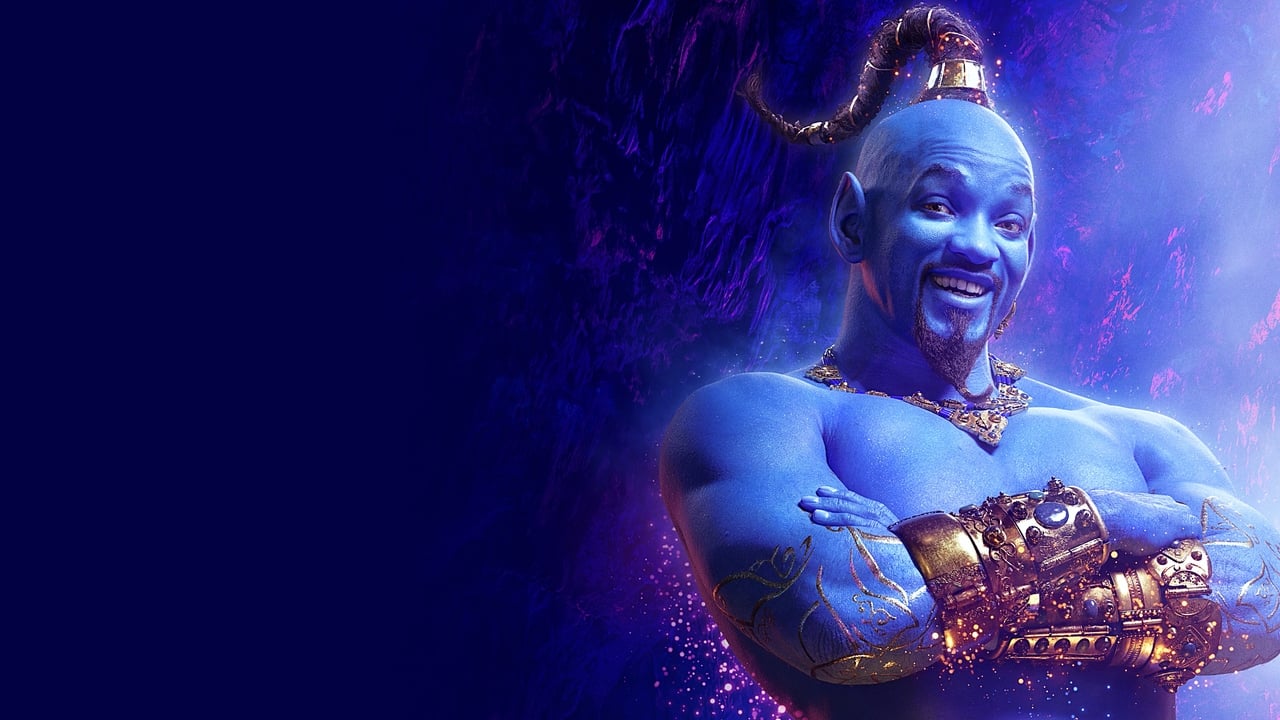
There is an inherent weirdness to watching a movie that exists primarily because a computer algorithm and a board of directors decided your childhood memories were worth exactly one billion dollars. Walking into a live-action Disney remake feels like going to a high school reunion for people you actually liked—there’s a 50/50 chance it’ll be a nostalgic blast or deeply uncomfortable. When the first trailers for 2019’s Aladdin dropped, featuring a CGI Will Smith looking like a bottle of blue Gatorade had gained sentience, the internet collectively braced for a disaster.
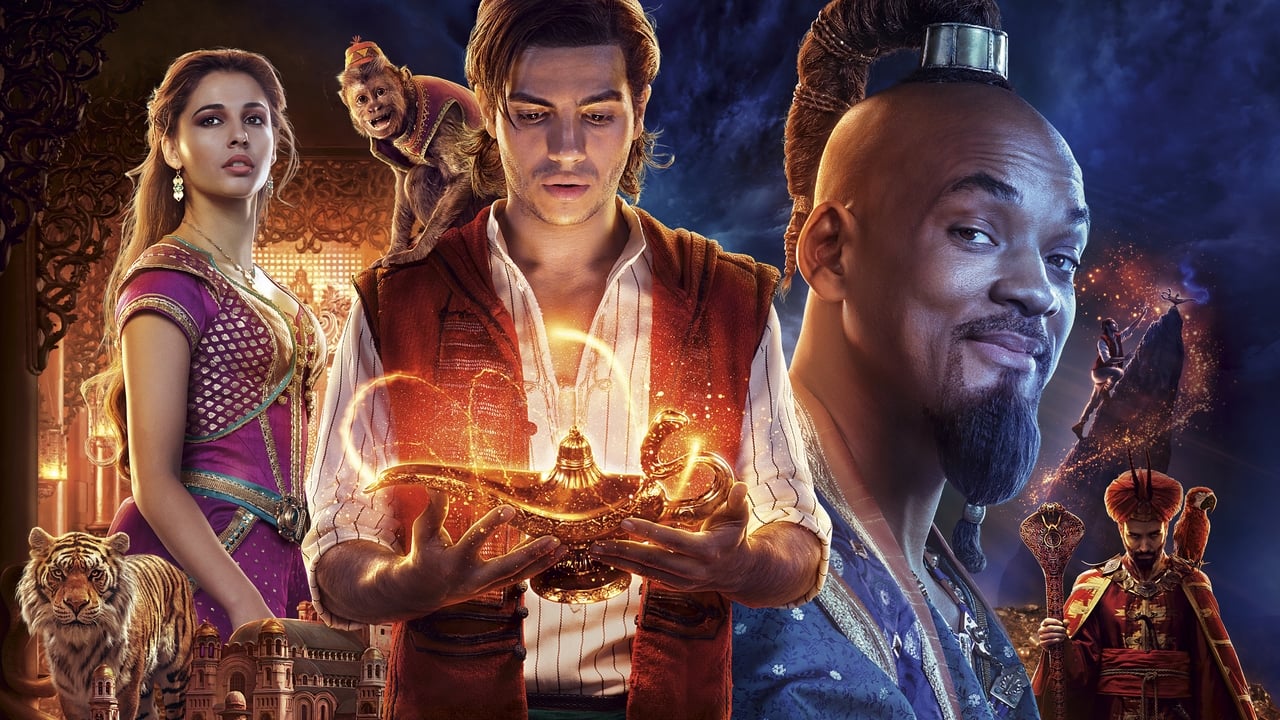
I watched this film on a Tuesday evening while nursing a slightly chipped tooth from a particularly aggressive piece of sourdough toast, and honestly, the physical distraction helped me realize something: Aladdin is much better than the memes suggested. It’s a loud, vibrant, occasionally clumsy, but ultimately charming adventure that manages to find its own pulse despite living in the shadow of a 1992 masterpiece.
The Blue Elephant in the Room
Let’s talk about Will Smith. Taking over for the late, legendary Robin Williams is a task so thankless it’s practically a cinematic suicide mission. But Smith—who previously charmed us in Hitch and Men in Black—does the only thing he could do to survive: he stops trying to be a cartoon and starts being Will Smith. He leans into his "Fresh Prince" persona, bringing a swaggering, Big-Brother energy to the role that works surprisingly well once you get past the uncanny valley of the blue skin.
Opposite him, Mena Massoud carries the title role with a genuine, "gee-shucks" charisma that is harder to pull off than it looks. He actually feels like a kid who has spent his life jumping across rooftops, and his chemistry with Naomi Scott’s Jasmine is the film's secret weapon. I once wore a purple vest similar to Aladdin's to a middle school dance and nobody asked me to dance, which might explain why I spent the first twenty minutes of this movie feeling irrationally jealous of Massoud’s effortless charm.
Agrabah Through a Guy Ritchie Lens
It was an inspired, if baffling, choice to hire Guy Ritchie—the man behind gritty British gangster flicks like Snatch and Lock, Stock and Two Smoking Barrels—to direct a Disney musical. You can see his fingerprints in the early "One Jump Ahead" sequence. The camera zips and zooms, utilizing the kind of high-speed/low-speed temporal shifts he perfected in Sherlock Holmes. It gives the chase scenes a frantic, parkour-inspired energy that separates this version from the animated original.

However, the transition isn't always seamless. Some of the larger musical numbers, like "Prince Ali," feel a bit crowded and claustrophobic, as if Ritchie wasn't quite sure how to stage a Broadway-style parade in a 3D space. While the production design is undeniably lush, there are moments where the sets feel a bit too much like "Disney World Pavilion" and not enough like a living, breathing desert city.
The biggest stumble, however, is the villain. Marwan Kenzari is a talented actor, but his Jafar has the menacing presence of a disappointed barista rather than a world-ending sorcerer. He’s missing that flamboyant, theatrical evil that made the original Jafar so iconic. Without a truly terrifying antagonist, the stakes feel a little lower, even when the sand starts flying.
A Princess with a Playlist
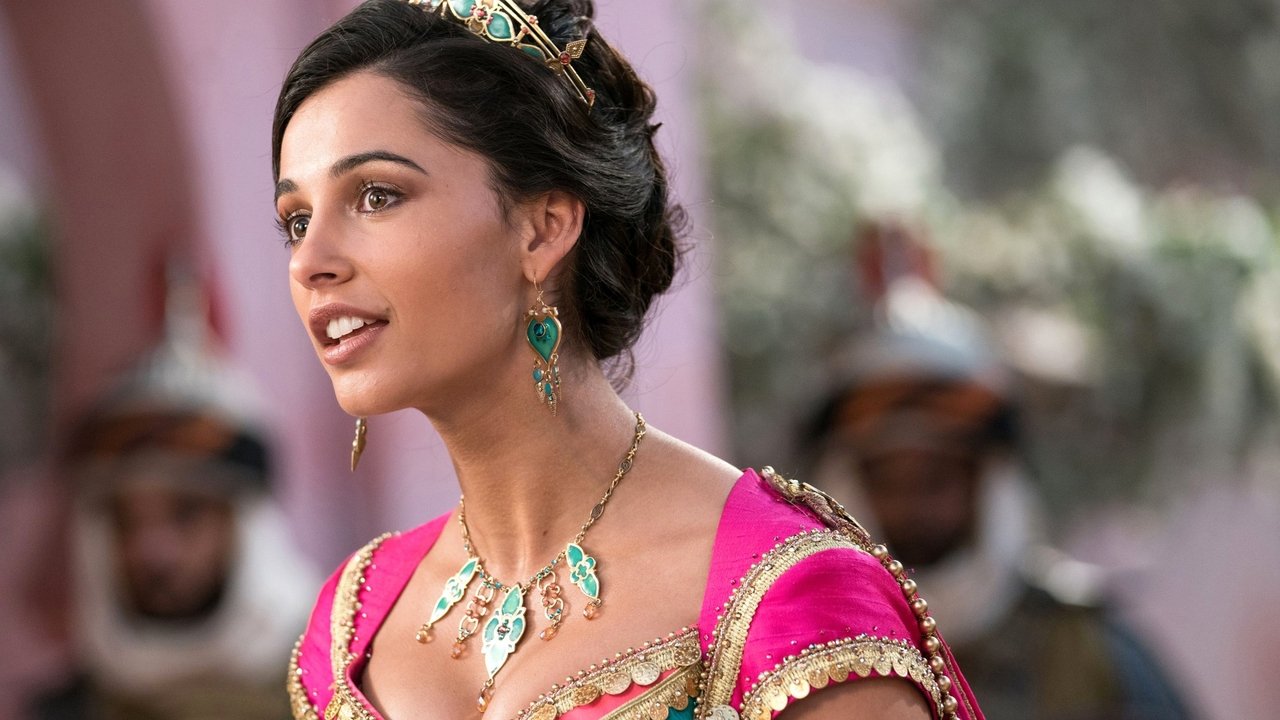
In the context of the late 2010s, Disney was clearly looking to update their "Princess" tropes, and Naomi Scott benefits most from this shift. This Jasmine isn't just looking for love; she’s looking for a seat at the table. The addition of the new song "Speechless," written by Alan Menken (the original composer) along with the team behind The Greatest Showman, serves as a power ballad for the #MeToo era. It’s a bit jarring—it sounds much more like a modern pop hit than the rest of the 1990s-style score—but Scott belts it with enough conviction to make it land.
Behind the scenes, the scale of this thing was massive. With a budget of $183 million, the production took over Longcross Studios in the UK and used the stunning landscapes of Wadi Rum, Jordan, for the desert exteriors. It’s a quintessential example of "Modern Blockbuster" filmmaking: a mix of breathtaking practical locations and thousands of hours of digital effects. Interestingly, the film was a colossal hit, crossing the billion-dollar mark, proving that "franchise fatigue" doesn't apply when you have a magic carpet and a nostalgic audience.
Some fun details you might have missed:
- The production crew spent 15 weeks building the massive Agrabah set, which was the size of two football fields. - Will Smith's Genie outfit in the "Prince Ali" sequence features over 2,000 hand-sewn Swarovski crystals. - Mena Massoud beat out over 2,000 other actors during an international casting search that lasted months. - The film’s "Cave of Wonders" was actually a massive practical set, though the piles of gold were mostly CGI (unfortunately for the crew).
Ultimately, Aladdin (2019) is a film that understands its assignment. It’s not here to reinvent the wheel; it’s here to make the wheel bigger, shinier, and more inclusive for a contemporary audience. While it lacks the lightning-in-a-bottle magic of the animated classic, it succeeds as a high-energy adventure that proves Will Smith is still one of our most reliable movie stars. It’s a colorful, foot-stomping way to spend two hours, even if you’re distracted by a chipped tooth.
Keep Exploring...
-
The Little Mermaid
2023
-
Cinderella
2015
-
The SpongeBob Movie: Sponge Out of Water
2015
-
The Jungle Book
2016
-
Beauty and the Beast
2017
-
Frozen II
2019
-
The Croods: A New Age
2020
-

Minions: The Rise of Gru
2022
-
The Super Mario Bros. Movie
2023
-
Kung Fu Panda 4
2024
-
Moana 2
2024
-
Red Shoes and the Seven Dwarfs
2019
-
Maleficent
2014
-

A Dog's Purpose
2017
-
The Boy and the Heron
2023
-

King Arthur: Legend of the Sword
2017
-
A Minecraft Movie
2025
-

How to Train Your Dragon
2025
-

The Man from U.N.C.L.E.
2015
-
Shrek 2
2004