Anna
"The Russian doll with a gun inside."
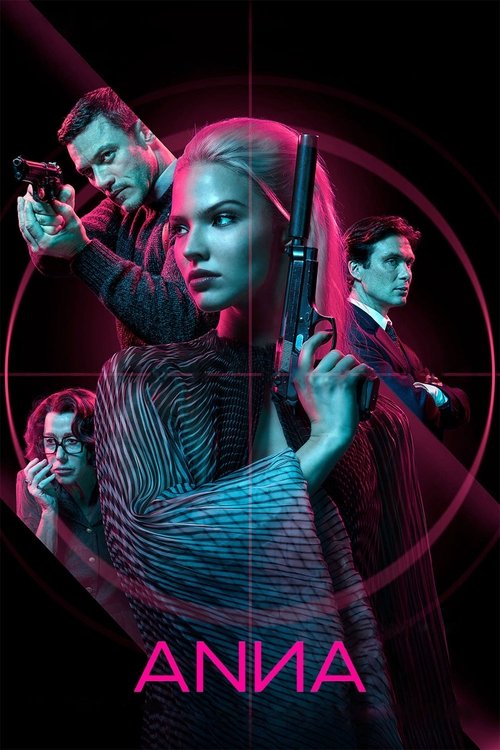
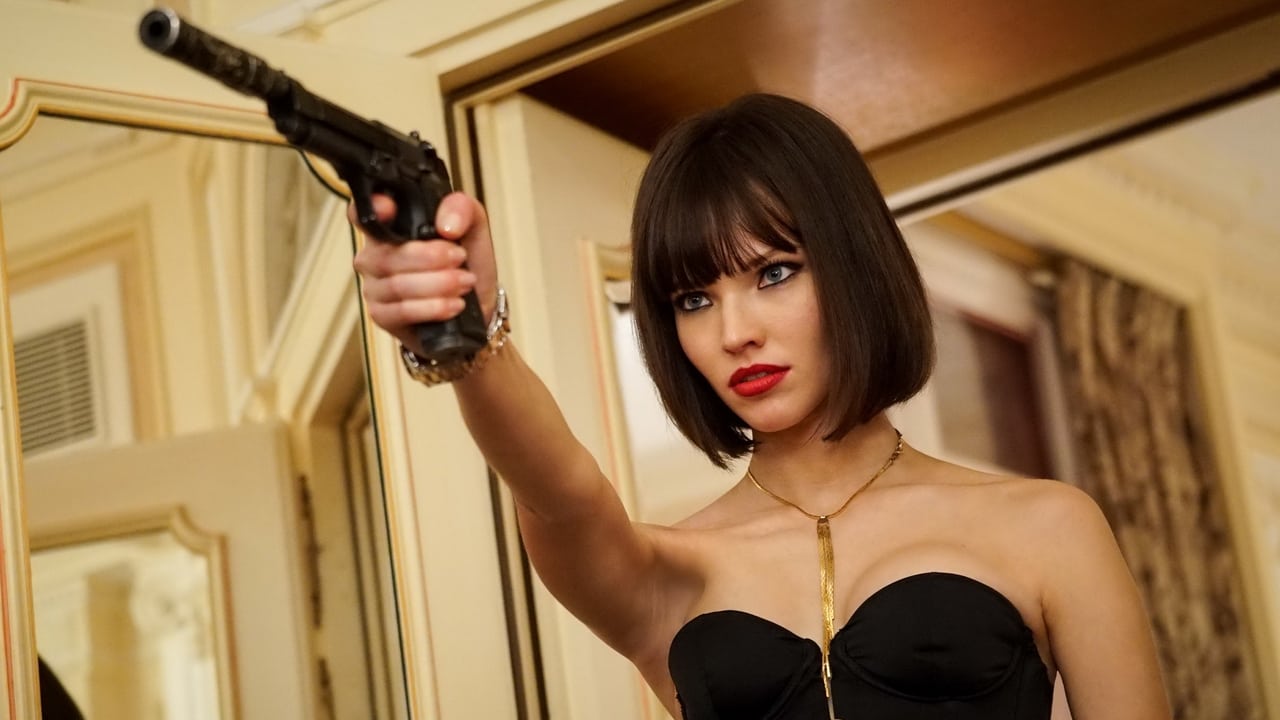
The restaurant floor is a chaotic mosaic of shattered porcelain and leaking Russian mobsters, and right in the center of the carnage stands Sasha Luss, clutching a dinner fork like it’s a tactical combat knife. It’s the kind of high-octane, stylishly ridiculous sequence that Luc Besson—the man who gave us the neon-drenched thrills of Léon: The Professional and the manic energy of The Fifth Element—has built his entire career on. While I watched this, my neighbor was loudly power-washing his driveway, and the constant, aggressive hum of high-pressure water actually provided a surprisingly fitting industrial soundtrack to the shootout scenes.
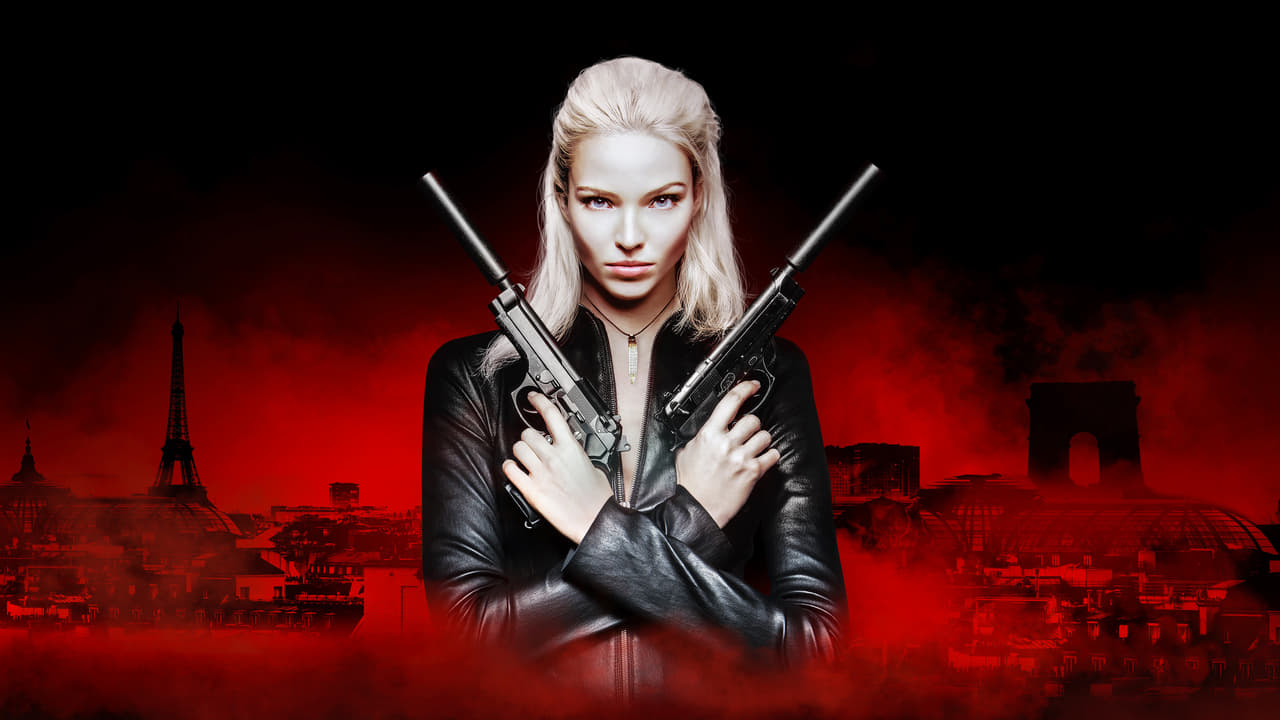
Anna arrived in 2019 to a chorus of "haven't we seen this before?" and a box office performance that was more of a whimper than a bang. In an era dominated by the John Wick "gun-fu" revolution and the cold-war aesthetic of Atomic Blonde, a story about a Russian model-turned-assassin felt like a B-side track. But looking back at it now, through the lens of our current streaming-heavy landscape, Anna reveals itself as a lean, mean, and delightfully twisty spy thriller that deserves a spot in the cult-favorite pantheon.
The Matryoshka Doll Structure
The most distinctive thing about Anna isn't the gunplay—it’s the editing. Luc Besson (who also handled the screenplay) structures the movie like one of those Russian nesting dolls the title character sells in a Moscow market. We see a scene play out, usually ending in a shocking twist, and then the screen flashes a title card: "Five Months Earlier" or "Three Years Later." It’s a rhythmic, back-and-forth dance that keeps the audience off-balance. I found myself trying to stay one step ahead of the timeline, only for the film to pivot again. It’s a movie that treats historical accuracy like a suggestion rather than a rule, but that’s part of the fun.
Set in the early 90s, the film is hilariously cavalier about technology. You’ll see Sasha Luss using a laptop that looks suspiciously like a 2015 MacBook and plugging in USB sticks that shouldn't exist for another decade. Apparently, Luc Besson wrote the script in just a few weeks and didn't let things like "the invention of the internet" get in the way of a good plot device. This disregard for reality is a hallmark of Besson’s EuropaCorp production house—it’s about the vibe, not the Wikipedia entry.
A Cast of Heavy Hitters
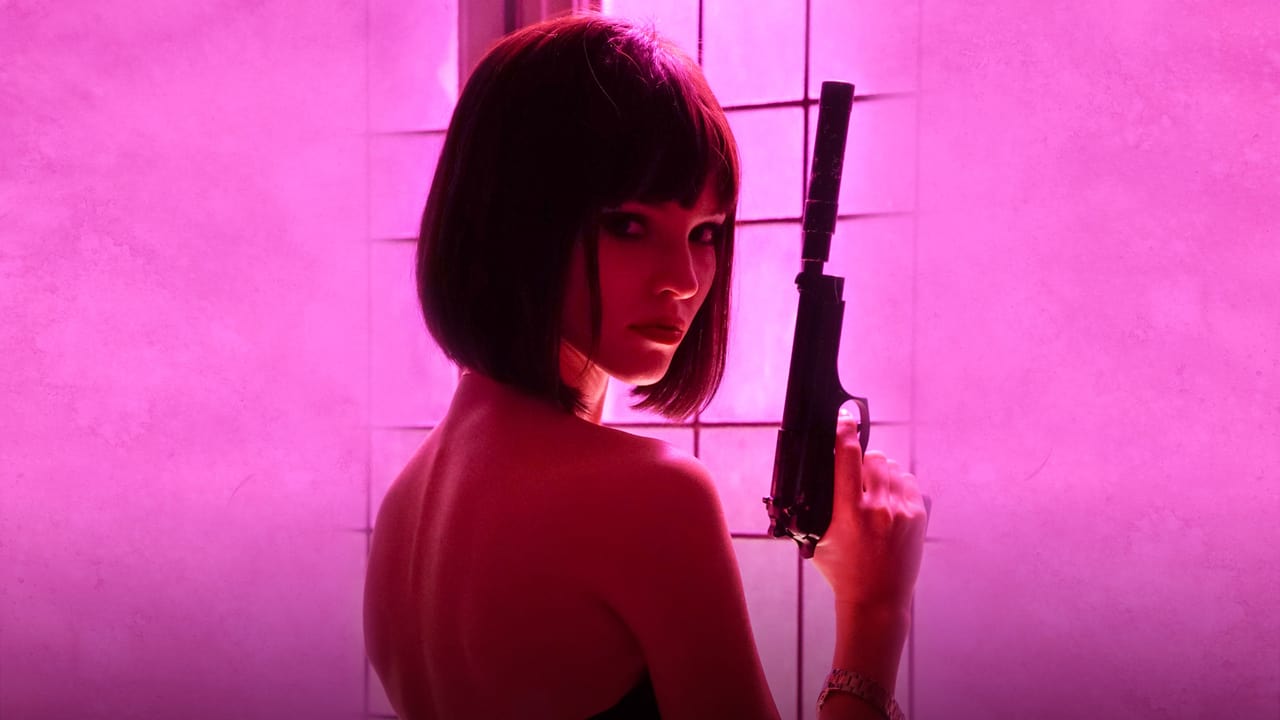
While Sasha Luss (a real-world supermodel) carries the physical weight of the film with a stoic, feline grace, the supporting cast is where the real scenery-chewing happens. Helen Mirren is the MVP here as Olga, a cynical, chain-smoking KGB handler who looks like she spent the last twenty years living in a filing cabinet. Helen Mirren looks like she’s cosplaying an angry librarian, and I’ve never been more intimidated. She delivers every line with a dry rasp that makes you want to apologize for things you haven't even done.
Opposing her are the "spy boyfriends": Luke Evans as the suave, slightly unhinged KGB recruiter Alex Tchenkov, and Cillian Murphy (long before he was winning Oscars for Oppenheimer) as Lenny Miller, a CIA agent who looks perpetually tired of everyone’s nonsense. The chemistry between Luss and her handlers is what grounds the cartoonish action. You actually care about whether Anna will ever get her freedom, even when the plot turns into a dizzying game of "who’s betraying who this week?"
Choreography and Cult Appeal
The centerpiece of the film is undoubtedly the restaurant fight. Choreographed with a frantic, desperate energy, it highlights the physical training Sasha Luss underwent. She spent months working with stunt teams to ensure that her tall, slender frame looked capable of taking down men twice her size. Unlike the superhero films of the current moment that rely on CGI capes and energy beams, the action in Anna feels tactile. When she hits someone with a plate, the plate breaks, and you feel the impact. The cinematography by Thierry Arbogast keeps the camera close but the cuts clean, avoiding the "shaky-cam" mess that plagues so many modern thrillers.
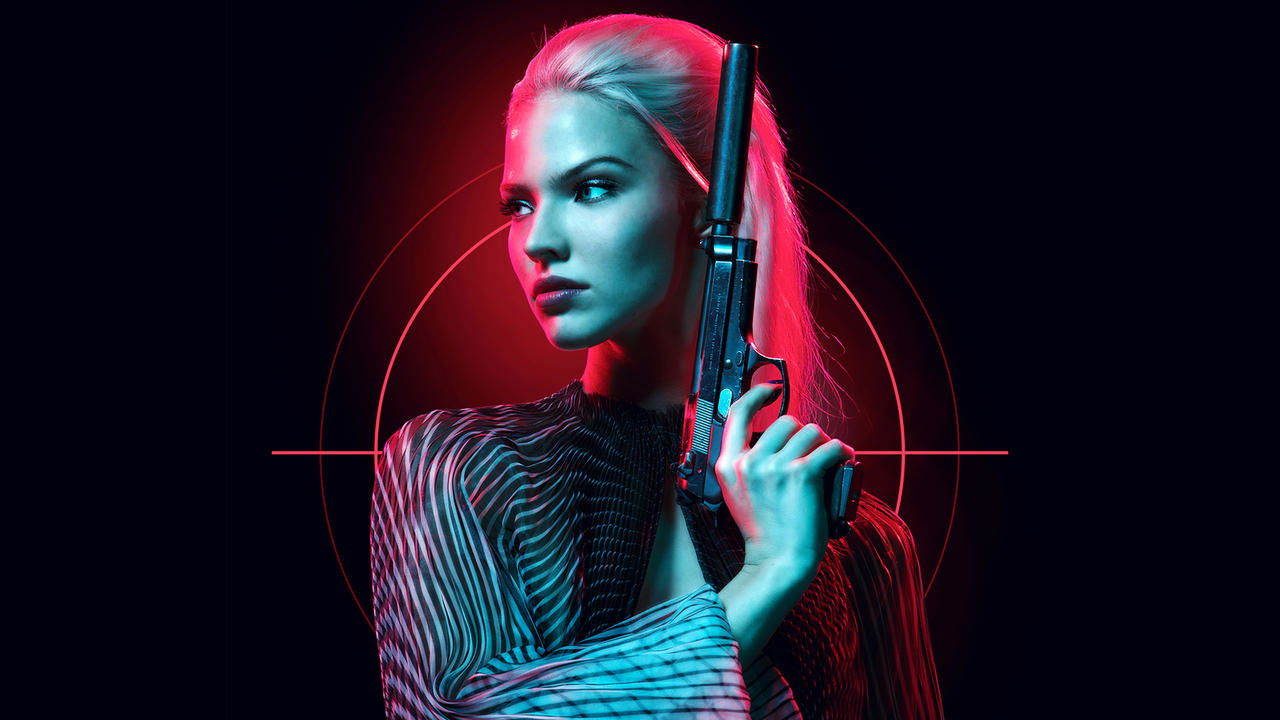
The film's cult status stems largely from its "hidden gem" nature. It was released during a period of personal controversy for Luc Besson, which led to a muted marketing campaign and a quick exit from theaters. However, it has found a second life on digital platforms where fans of "Euro-trash" action can appreciate its sleekness. Interestingly, the film is essentially a spiritual remake of Besson’s own La Femme Nikita, but updated with a more cynical, post-modern edge. It’s also worth noting the score by Éric Serra, whose industrial, pulsing electronic beats have been a staple of Besson’s films for decades, providing the perfect pulse for a high-fashion assassination.
Ultimately, Anna doesn't reinvent the wheel, but it polishes it until you can see your own startled reflection in the chrome. It’s a film that knows exactly what it is: a stylish, slightly ridiculous, and immensely watchable actioner that favors "cool" over "logic" every single time. If you’re looking for a spy thriller that moves like a caffeine-addicted fashion editor and features Helen Mirren being a total boss, this is the one to cue up. It’s a reminder that even in an era of franchise fatigue, there’s still room for a standalone, high-gloss romp that just wants to entertain you for two hours.

Keep Exploring...
-
Valerian and the City of a Thousand Planets
2017
-

In the Heart of the Sea
2015
-

Triple 9
2016
-
American Assassin
2017
-
Hunter Killer
2018
-
Greenland
2020
-
Point Break
2015
-
Terminator Genisys
2015
-
Train to Busan
2016
-
Skyscraper
2018
-
Gemini Man
2019
-
Terminator: Dark Fate
2019
-
The Wolf's Call
2019
-
Triple Frontier
2019
-
Peninsula
2020
-
The King's Man
2021
-
Mission: Impossible - Dead Reckoning Part One
2023
-

Plane
2023
-
Kraven the Hunter
2024
-
Nikita
1990