Annabelle Comes Home
"Lock the door. Hide the keys. Don't touch anything."
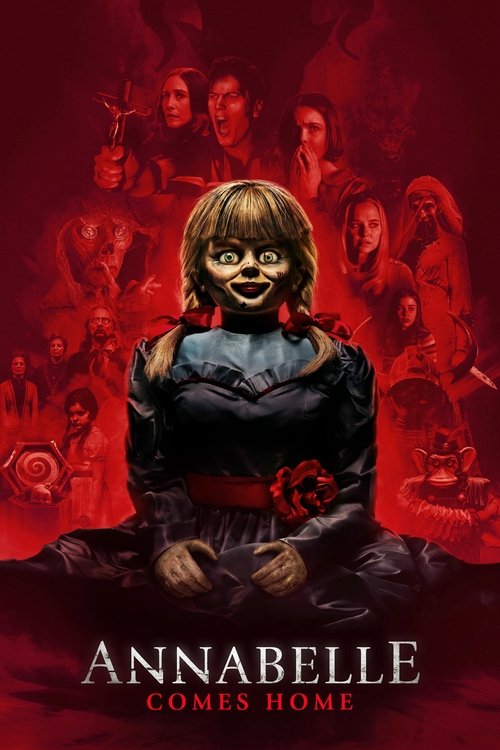
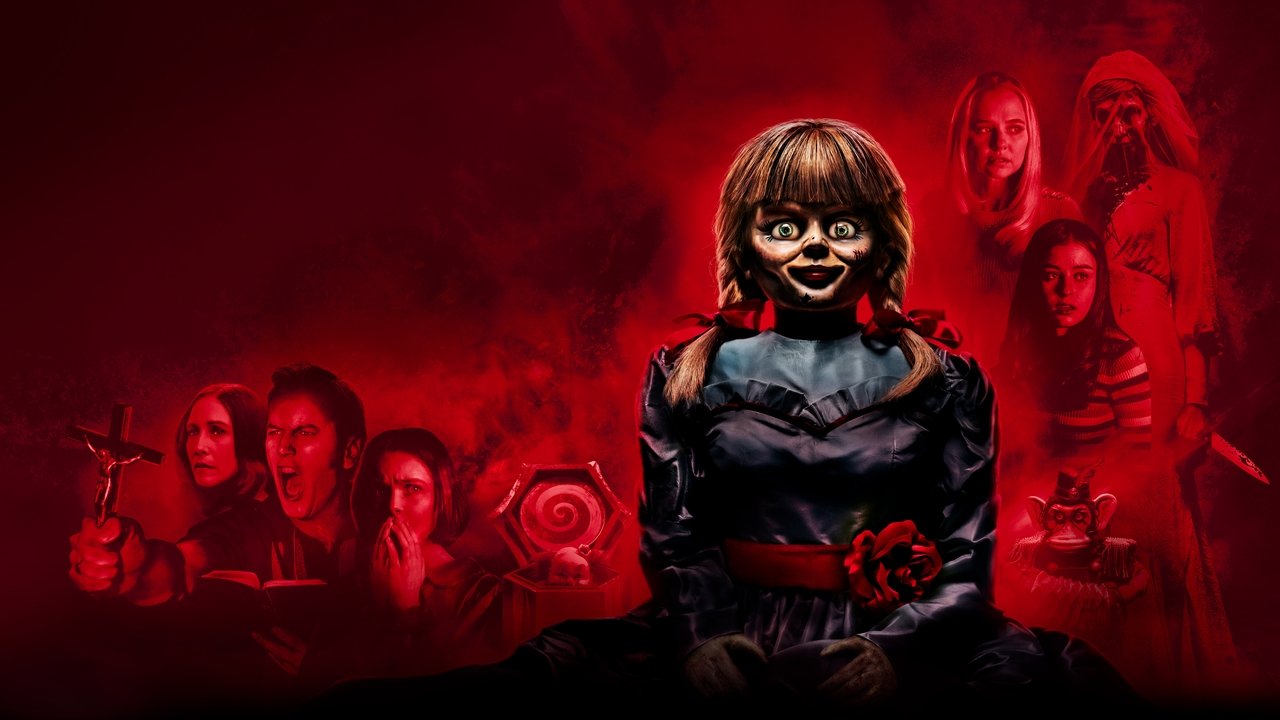
I’ve always found it a bit hilarious that the real-life Annabelle doll is just a chubby-cheeked Raggedy Ann with a button nose, yet Hollywood decided she needed to look like a porcelain nightmare that’s been smoking four packs a day since the Great Depression. By the time Annabelle Comes Home (2019) rolled around, I felt like I knew this doll better than some of my extended family. This third entry in her solo trilogy—and the seventh in the sprawling Conjuring Universe—could have easily been a cynical cash grab. Instead, it’s basically Goosebumps for people who grew up and got mortgages, and I mean that as a high compliment.

I watched this flick on a rainy Tuesday while wearing mismatched socks—one with llamas and one with stripes—and I’m convinced the llamas were the only thing keeping my heart rate under control during the basement scenes.
A Haunted House Party with No Adults
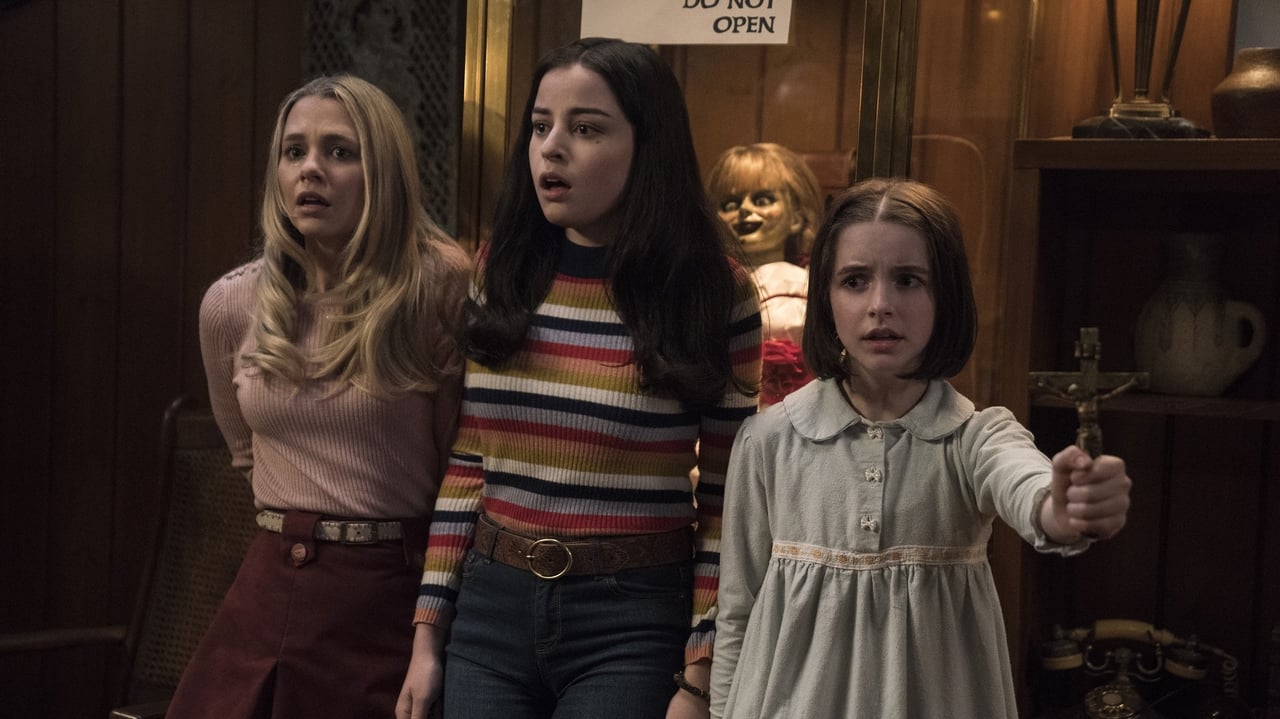
The genius of this installment is its simplicity. After the period-piece origins of the previous films, writer-director Gary Dauberman (making his directorial debut here after penning It and The Nun) brings the action back to the Warren household. We get a cozy, 1970s-drenched prologue with Vera Farmiga and Patrick Wilson doing their usual "Competent Paranormal Investigators" routine, but they’re quickly ushered off-screen for a conference. This leaves their daughter, Judy (Mckenna Grace), and her babysitter, Mary Ellen (Madison Iseman), alone in a house that is essentially a demonic IKEA showroom.
Enter Daniela (Katie Sarife), the "troubled friend" whose curiosity isn't just a plot device—it’s fueled by grief. She sneaks into the forbidden artifact room, hoping to contact her late father, and inadvertently gives Annabelle the keys to the kingdom. What follows isn't a complex narrative; it’s a high-tension tour through a supernatural funhouse. Because Annabelle doesn't just haunt; she’s a "beacon" for other spirits. This allows Dauberman to pivot away from the singular threat of the doll and introduce a roster of new ghoulies that feel like they were pulled straight from a 1970s pulp horror novel.
The Artifact Room: A Buffet of Nightmares
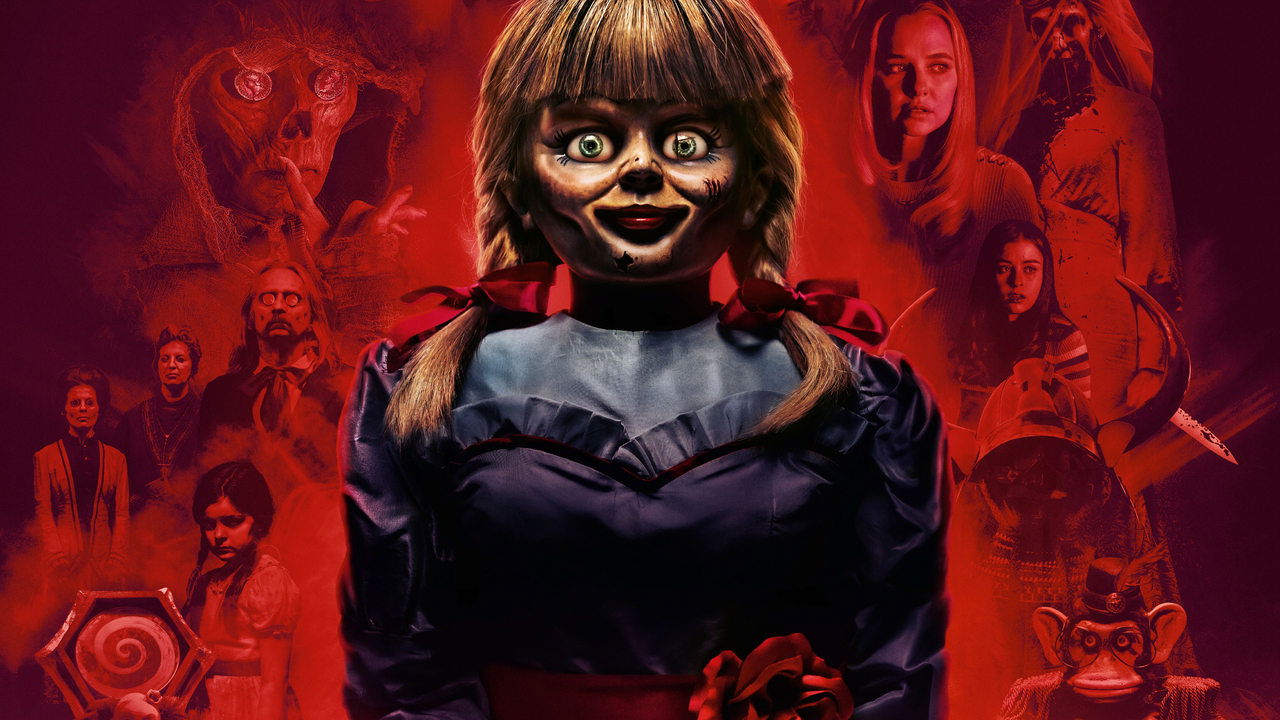
In an era where every horror movie feels pressured to be a "elevated" metaphor for trauma, Annabelle Comes Home is refreshingly honest about being a monster movie. The fear mechanics here are top-tier. We get the Ferryman, who places coins over the eyes of his victims; the Black Shuck, a werewolf-like omen prowling the backyard fog; and a haunted bride that is pure nightmare fuel.
The sound design is the MVP here. Joseph Bishara’s score doesn't just rely on loud bangs; it uses silence and the rhythmic "clack-clack-clack" of a typewriter or the spinning of a color-wheel lamp to build dread. There’s a specific sequence involving a "Feeley Meeley" board game that had me clutching my llama socks. It’s a masterclass in spatial storytelling—using the layout of the Warrens’ house to make every hallway feel like a gauntlet.
While the CGI is present (especially with the hellhound), the film shines when it leans into the tactile. The Ferryman’s coins and the shimmering, ghostly figures feel grounded in the physical space. It’s a testament to the production design that the artifact room feels like a living, breathing character. Apparently, the set was even blessed by a priest before filming—a classic Conjuring marketing trope—but Mckenna Grace reportedly still had a series of unexplained nosebleeds on set. Honestly, if I had to stare at that doll for twelve hours a day, my body would probably rebel too.
Box Office Magic and Franchise Logic
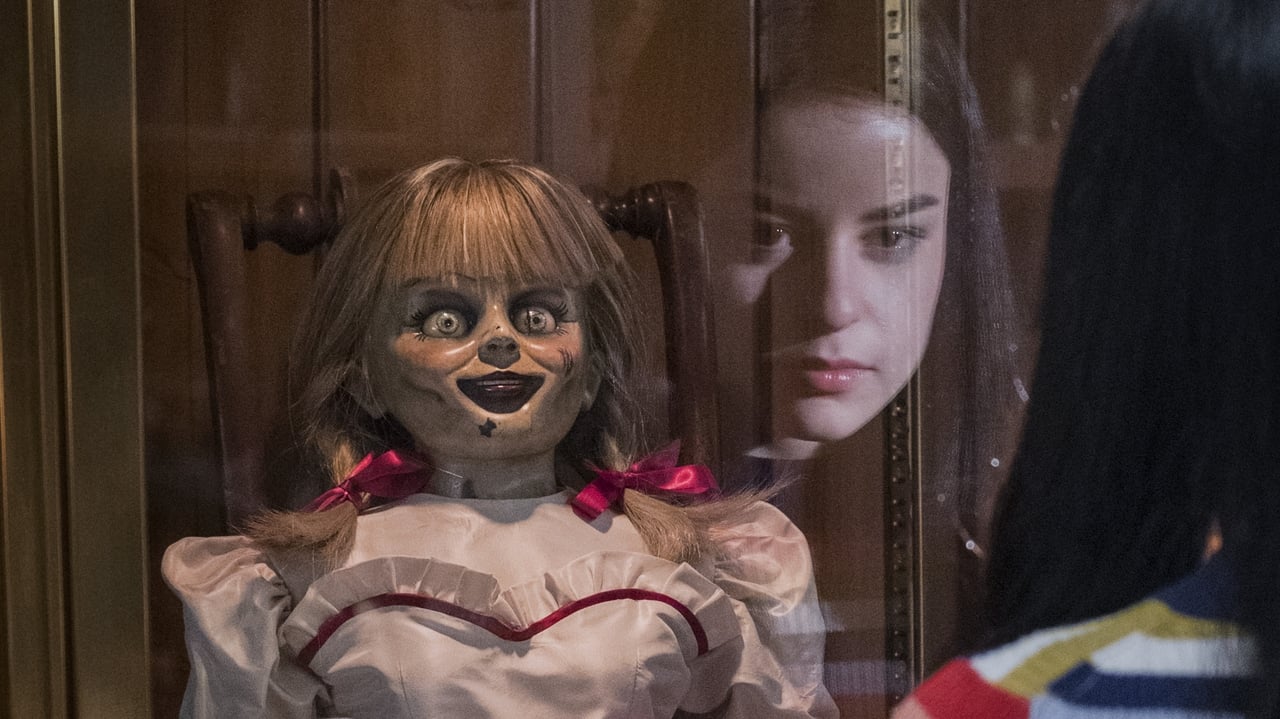
Looking at this through a contemporary lens, Annabelle Comes Home is a fascinating case study in franchise sustainability. Produced on a relatively modest $27 million budget, it raked in over $231 million worldwide. In the age of the "cinematic universe," this film is the perfect middle-tier entry. It doesn't move the overall "Warren Saga" forward in a massive way, but it expands the lore and tests the waters for potential spin-offs.
It’s also surprisingly sweet. The bond between Mckenna Grace, Madison Iseman, and Katie Sarife feels genuine. Judy Warren isn't just a victim; she’s a kid who’s been bullied for her parents’ eccentricities, and seeing her step up to use her mother’s "gifts" is genuinely satisfying. Even Michael Cimino (of Love, Victor fame) provides some much-needed levity as "Bob’s Got Balls" Palmeri, the neighbor boy who just wants to serenade the babysitter while a werewolf stalks the bushes.
The film avoids the "franchise fatigue" trap by lowering the stakes. We aren't saving the world; we’re just trying to get three girls through the night in a house full of cursed junk. It’s intimate, it’s spooky, and it knows exactly when to go for the throat and when to give the audience a breather.
Ultimately, Annabelle Comes Home is the cinematic equivalent of a really good haunted house attraction at a local fair. You know where the jumps are coming from, you know you’re going to be safe in the end, but the craftsmanship is high enough that you still scream when the lights go out. It captures that specific brand of "sleepover horror" that made the genre so fun when we were younger, proving that sometimes, you don't need a deep philosophical message—you just need a creepy doll and a room full of haunted artifacts to have a bloody good time.
Keep Exploring...
-
Annabelle: Creation
2017
-
Annabelle
2014
-
The Nun
2018
-
It
2017
-
It Chapter Two
2019
-

The Conjuring 2
2016
-
The Conjuring: The Devil Made Me Do It
2021
-
Insidious: The Red Door
2023
-
Insidious: Chapter 3
2015
-
10 Cloverfield Lane
2016
-
Don't Breathe
2016
-
Resident Evil: The Final Chapter
2016
-
The Purge: Election Year
2016
-

The Shallows
2016
-

Jigsaw
2017
-
Split
2017
-
A Quiet Place
2018
-

Halloween
2018
-

Insidious: The Last Key
2018
-
The First Purge
2018