Avengers: Endgame
"The three-hour funeral that somehow turned into the world’s loudest birthday party."

I remember the theater being so quiet during that opening scene with Clint Barton’s family that I could hear my neighbor three rows down struggling with a stubborn Milk Dud. It was an uncomfortable, heavy silence—not what you usually get from a Disney-backed superhero extravaganza. That’s because Avengers: Endgame wasn't just a movie; it was a multi-million dollar gamble on our collective emotional investment. It asked us to sit in the grief of the "Snap" for a full hour before anyone even thought about throwing a punch.
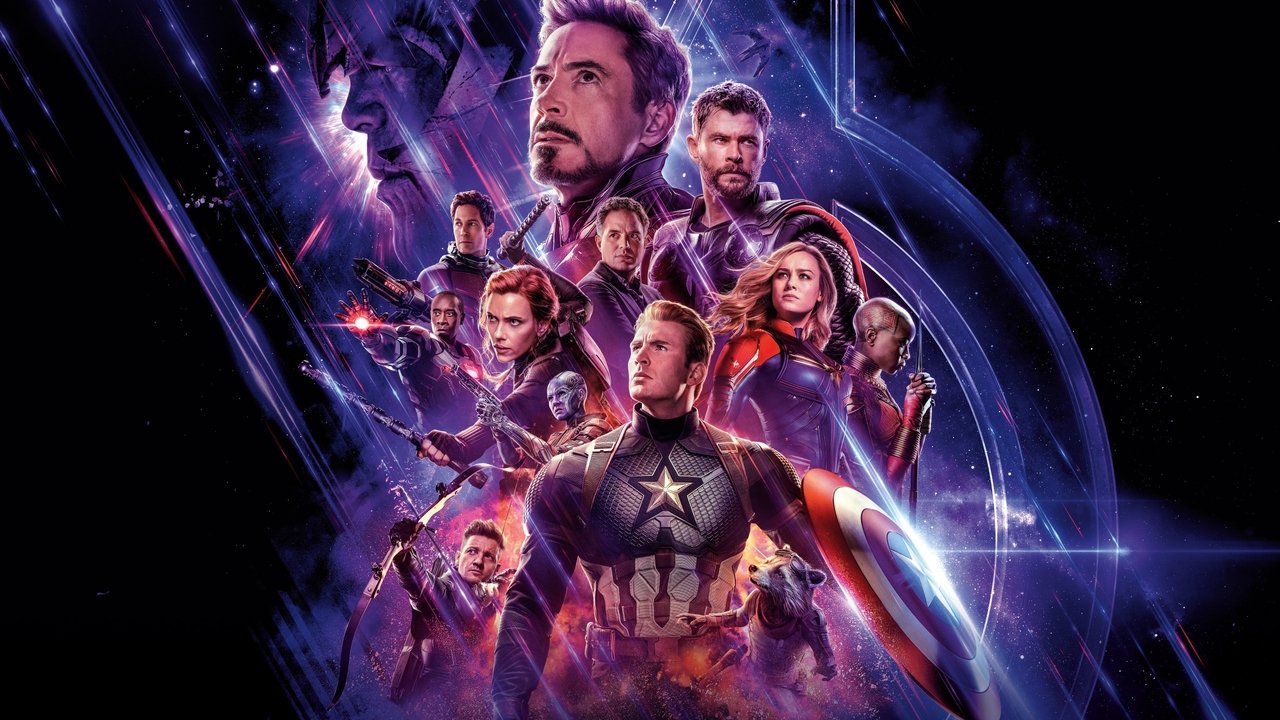
Looking back from our current vantage point—an era where franchise fatigue is a very real diagnosis and the MCU feels more like a homework assignment than a hobby—Endgame feels like the last time we all agreed to be obsessed with the same thing at the same time. It was the peak of the theatrical monoculture before the pandemic sent us all to our separate streaming corners.
The Art of the Slow Burn
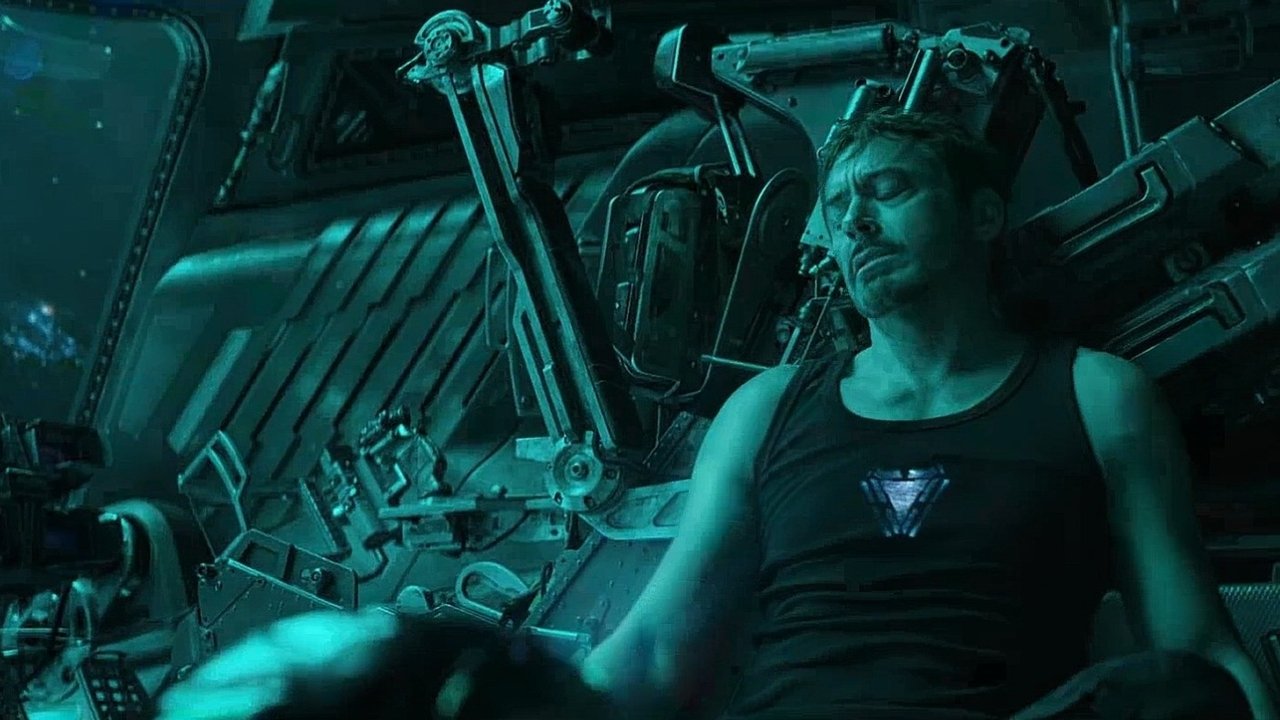
Directors Joe Russo and Anthony Russo made a daring choice here: they made a blockbuster that is, for its first third, a somber character study about depression. We see Robert Downey Jr.’s Tony Stark looking like a skeletal ghost of himself, and Chris Evans’ Steve Rogers trying to lead a support group that he clearly needs more than the participants do. It’s the most "human" these gods have ever been.
Then, of course, the plot kicks in. The "Time Heist" is a brilliant structural conceit because it allows the film to become a retrospective of its own history. It’s a victory lap that revisits the highlights of the previous twenty-two films without feeling like a clip show. Seeing Mark Ruffalo’s "Smart Hulk" feel embarrassed by his 2012 self is a meta-commentary on how much the tone of these films has evolved. However, let’s be honest: the time-travel logic is basically just sparkly magic for people who pretend to care about physics. It doesn't actually make sense if you think about it for more than ten seconds, but the film moves with such confidence that you just stop asking questions.
Choreographing the Chaos
When the action finally erupts in the third act, it’s a masterclass in scale. Action movies often fall into the trap of "CGI sludge"—where two digital armies clash in a brown field until the audience's eyes glaze over. The Russos avoid this by anchoring the chaos to specific character beats. When Chris Hemsworth’s Thor (rocking the controversial but emotionally resonant "Big Lebowski" look) finally stands alongside Cap and Iron Man against Josh Brolin’s Thanos, it feels earned.
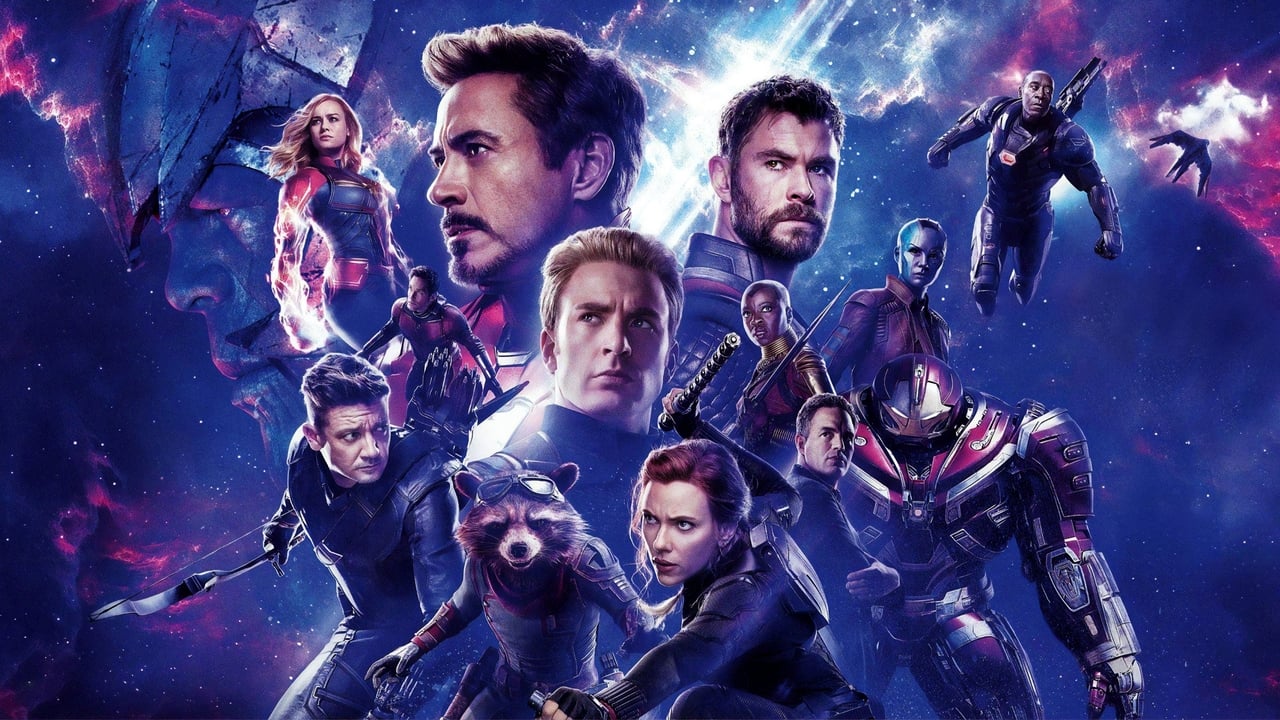
The "Portals" sequence remains one of the most effective uses of a crescendo in modern cinema. I’ve seen it a dozen times, and the swelling of Alan Silvestri’s score still makes the hair on my arms stand up. It’s pure fan service, yes, but it’s fan service delivered with the precision of a Swiss watch. The action isn't just about who hits whom; it’s about the culmination of a decade’s worth of stunt coordination and visual effects evolution.
The Big Business of Big Feelings
The numbers behind this thing are frankly terrifying. Marvel Studios spent roughly $356 million to make it, which is the kind of money that could probably fund a small nation's space program. It paid off to the tune of $2.79 billion, briefly becoming the highest-grossing film of all time. But the real "stuff you didn't notice" lies in the production's insane secrecy.
To prevent spoilers, the actors were often given fake scripts or only the pages relevant to their scenes. Tom Holland famously didn't even know who he was fighting half the time. Robert Downey Jr. was the only actor who got to read the entire script. Speaking of Downey, that "I love you 3,000" line wasn't in the original screenplay—it was something his own children actually said to him, which he brought to the set. It’s those small, unscripted human touches that keep the movie from being crushed under the weight of its own spectacle.
Does It Still Hit?
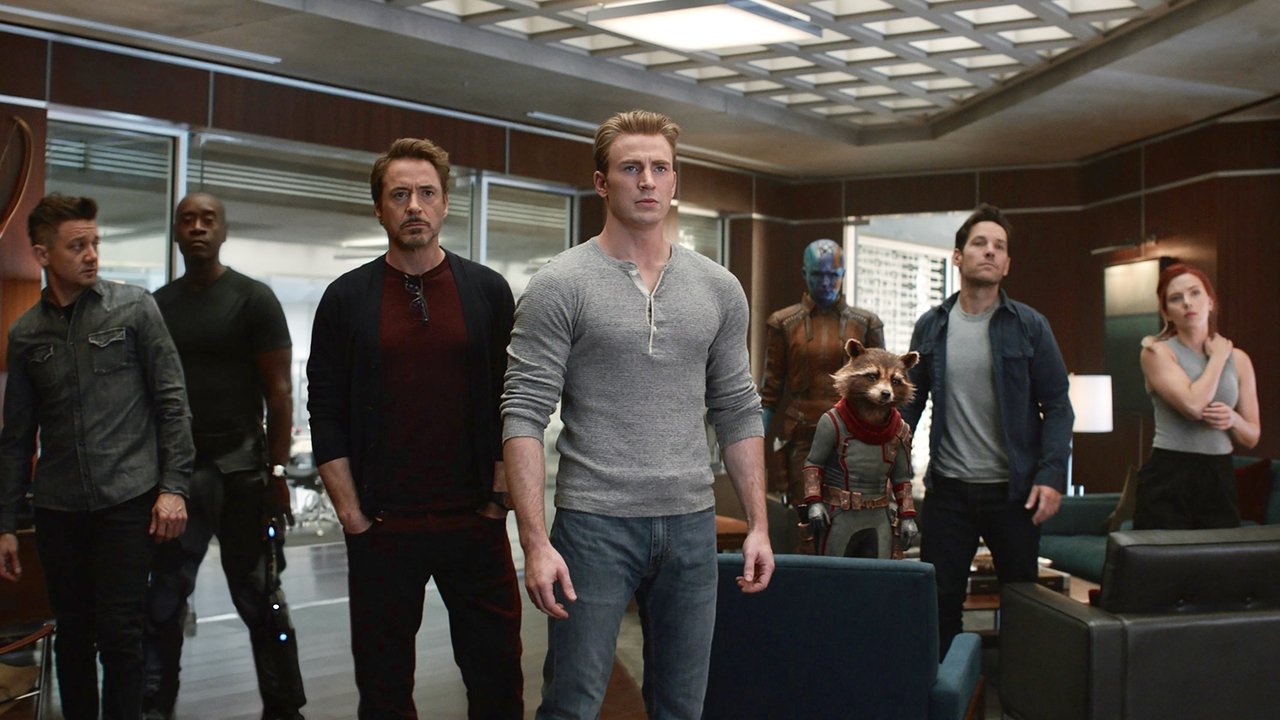
In the years since 2019, the "connected universe" model has started to show its age. We’ve seen a deluge of Disney+ shows and sequels that have diluted the stakes. Watching Endgame now feels like watching a champion athlete's retirement game. It represents a moment where "Seamless CGI" was used not just to create monsters, but to de-age actors and create entire virtual environments (like the LED "Volume" technology that was beginning to take root here) in service of a definitive ending.
There are valid criticisms, of course. The "A-Force" moment where all the female heroes happen to land in the same square inch of a battlefield feels a bit like a corporate board meeting's idea of progress. And Scarlett Johansson’s Black Widow arguably deserved a more central farewell than being a footnote to the boys’ grief.
But when Robert Downey Jr. utters his final four words, the artifice disappears. Endgame succeeded because it understood that while we came for the explosions, we stayed because we grew up with these people. It’s a three-hour celebration of the fact that, for a little while, a bunch of guys in spandex made us feel like the world could actually be saved.
The film stands as a monumental achievement in franchise management, proving that you can actually stick a landing if you care enough about the characters. It balances the impossible demands of a dozen different sub-franchises while maintaining a core of genuine heart. Even if the current superhero bubble eventually bursts, this remains a high-water mark for what blockbuster cinema can achieve when it’s firing on every single cylinder.
Keep Exploring...
-
Avengers: Infinity War
2018
-
Avengers: Age of Ultron
2015
-
Captain America: Civil War
2016
-

The Avengers
2012
-
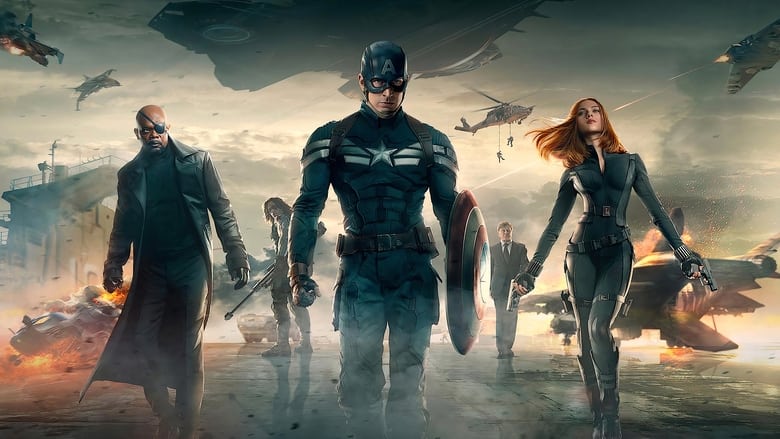
Captain America: The Winter Soldier
2014
-
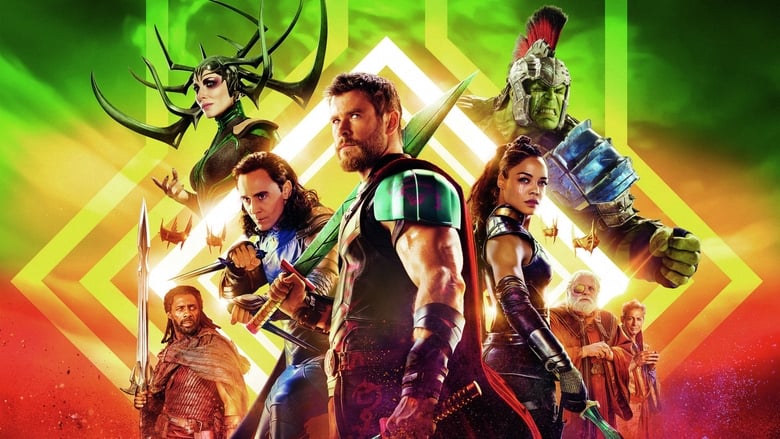
Thor: Ragnarok
2017
-
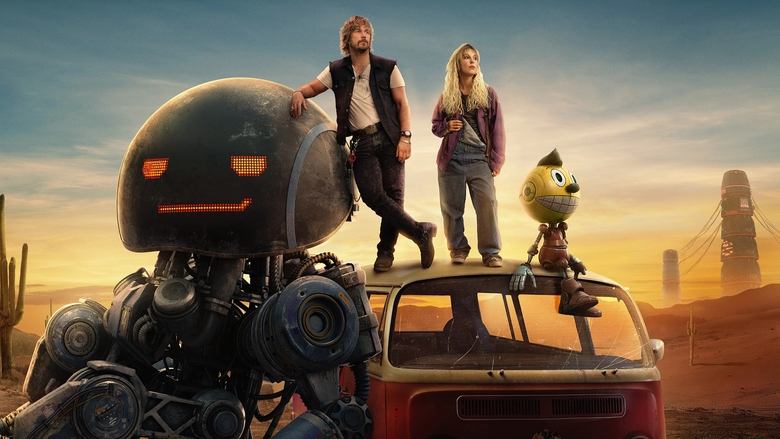
The Electric State
2025
-
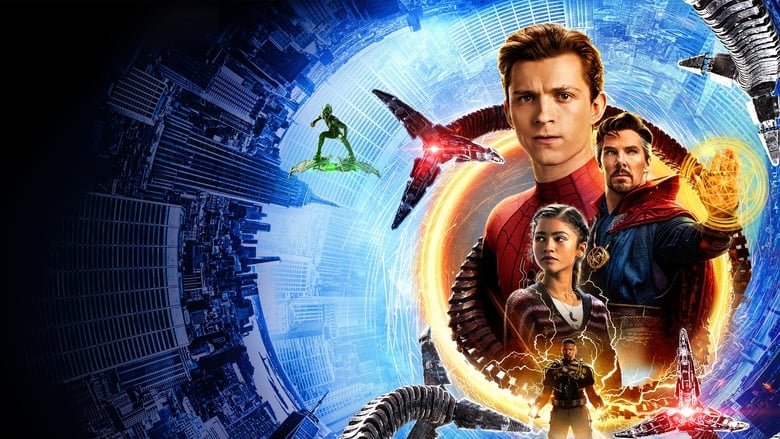
Spider-Man: No Way Home
2021
-

Star Wars: The Force Awakens
2015
-
Rogue One: A Star Wars Story
2016
-
Guardians of the Galaxy Vol. 2
2017
-
Spider-Man: Homecoming
2017
-

Black Panther
2018
-
Ready Player One
2018
-
Spider-Man: Into the Spider-Verse
2018
-

Spider-Man: Far From Home
2019
-

Avatar: The Way of Water
2022
-

Guardians of the Galaxy Vol. 3
2023
-

Spider-Man: Across the Spider-Verse
2023
-

Everything Everywhere All at Once
2022