Bacurau
"In the sertão, the prey bites back."
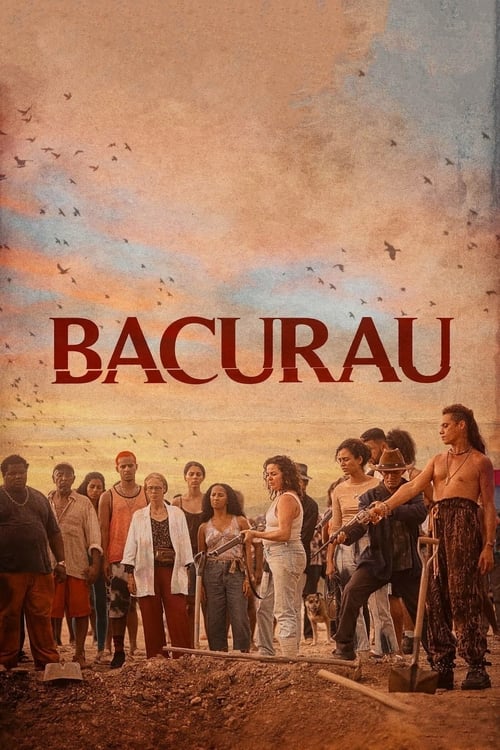
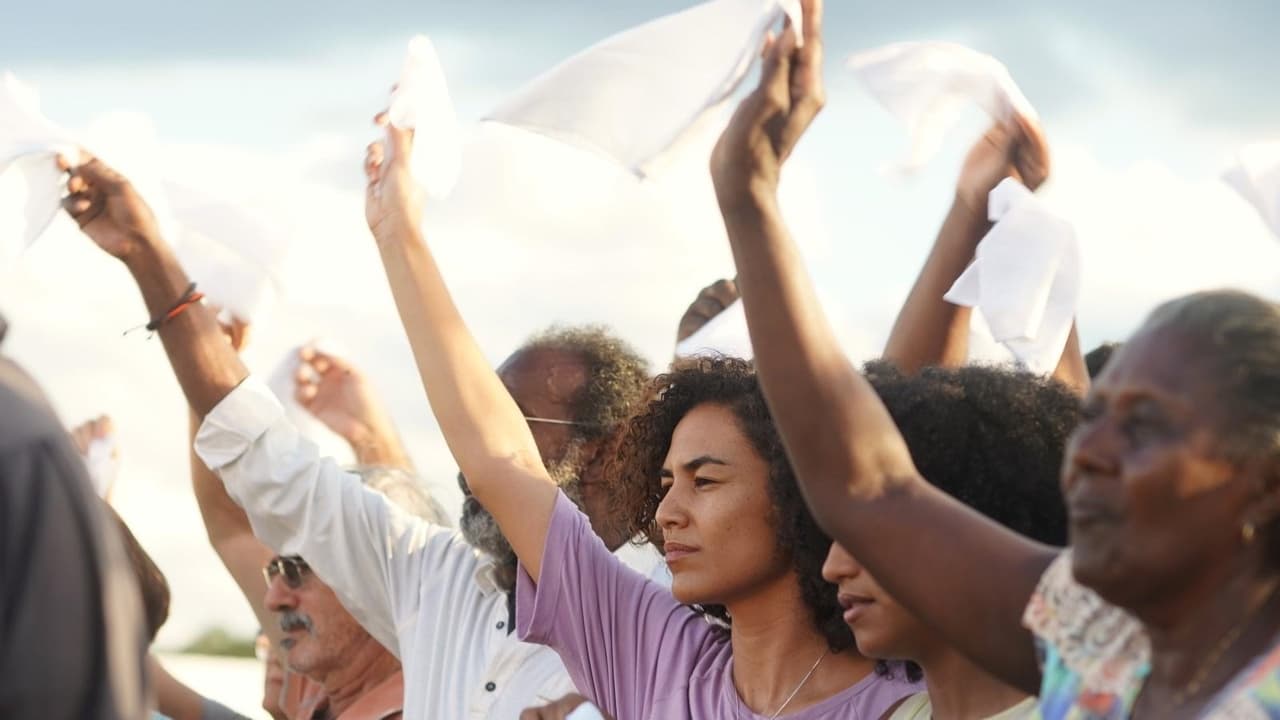
There is a specific, itchy kind of dread that sets in when you realize the world has simply decided you no longer exist. In the opening minutes of Bacurau, this isn't a metaphorical erasure; it’s digital. The titular town, a dusty, close-knit community in the Brazilian sertão, literally vanishes from Google Maps. It’s a quiet, tech-savvy omen that signals the end of the world as the locals know it—or perhaps just the beginning of a very bloody reclamation.
I watched this film on a Tuesday night while my neighbor was loudly assembling IKEA furniture through the wall, the rhythmic thud-thud-thud of a rubber mallet weirdly syncing up with the percussive tension of the town's mounting isolation. It felt appropriate. Bacurau is a movie about people who refuse to be put together or taken apart by outside hands.
A Genre in Revolt
Directors Kleber Mendonça Filho and Juliano Dornelles (who previously collaborated on the excellent Neighboring Sounds) have crafted something that defies easy categorization. On the surface, it’s a Western. You have the parched landscape, the lone water truck, and the impending arrival of "the outlaws." But the film quickly mutates into a paranoid thriller and, eventually, a cathartic "siege" movie.
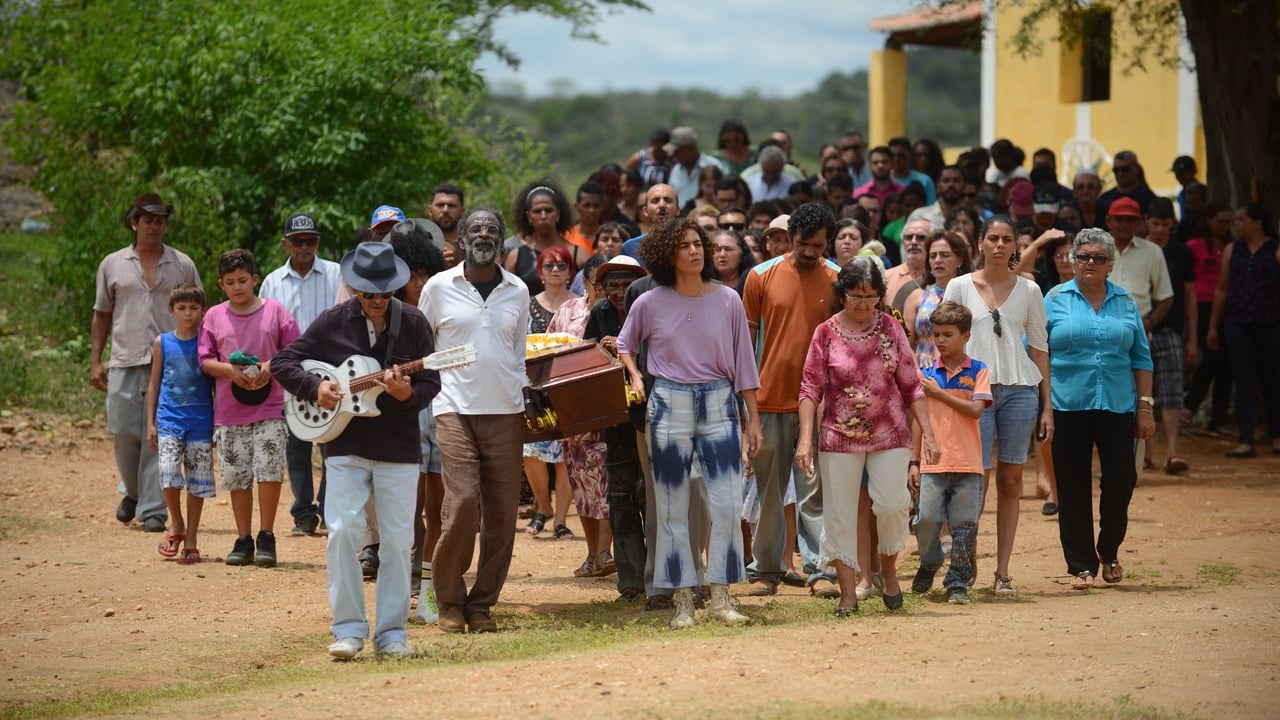
The story kicks off with Teresa (Bárbara Colen) returning to Bacurau for the funeral of her grandmother, Carmelita. The mourning is collective and deep, but the grief is soon interrupted by strange occurrences: a UFO-shaped drone hovering over the scrubland, the sudden cut-off of the cell signal, and the discovery of a bullet-riddled truck nearby.
What makes Bacurau so potent for our current moment is its unflinching look at the "safari" mentality of the Global North. The antagonists here aren't just generic bad guys; they are a group of affluent, bored tourists who have paid for the privilege of hunting human beings. It’s a sharp, jagged critique of how marginalized communities are viewed as NPCs in someone else's game. Bacurau is what happens when Seven Samurai gets high on psychotropic seeds and decides to eat the rich.
Faces of the Sertão
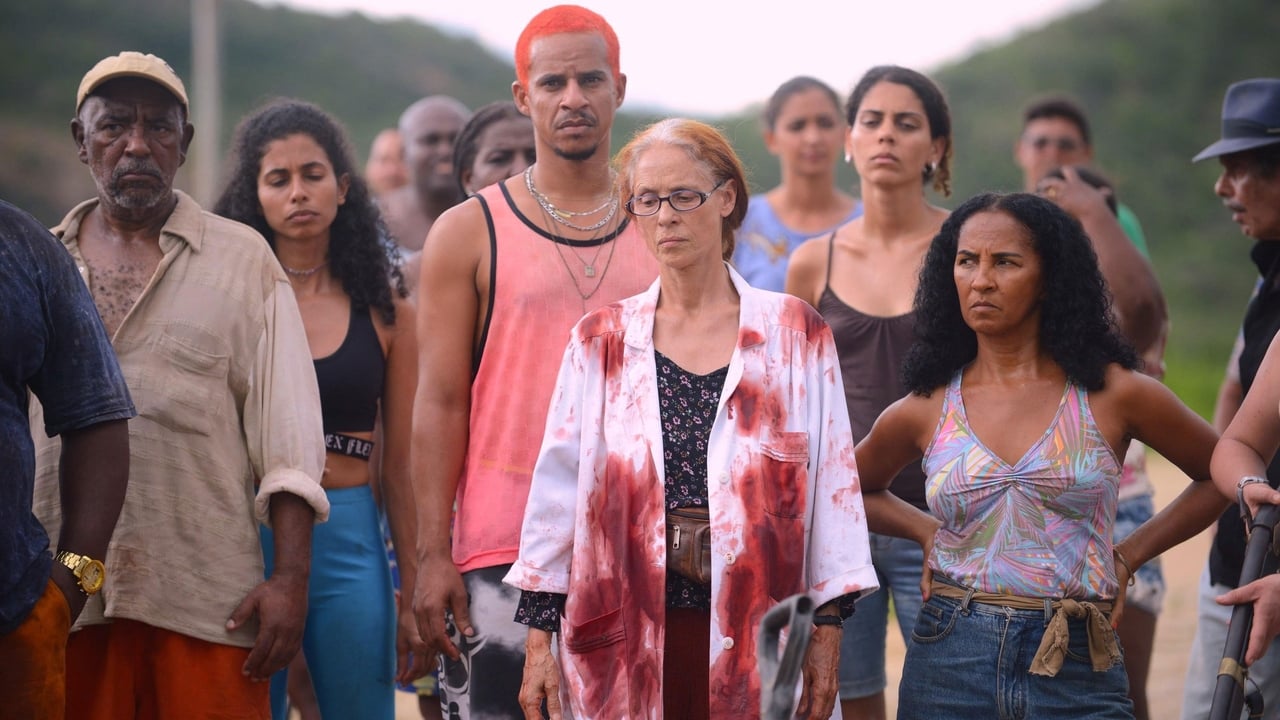
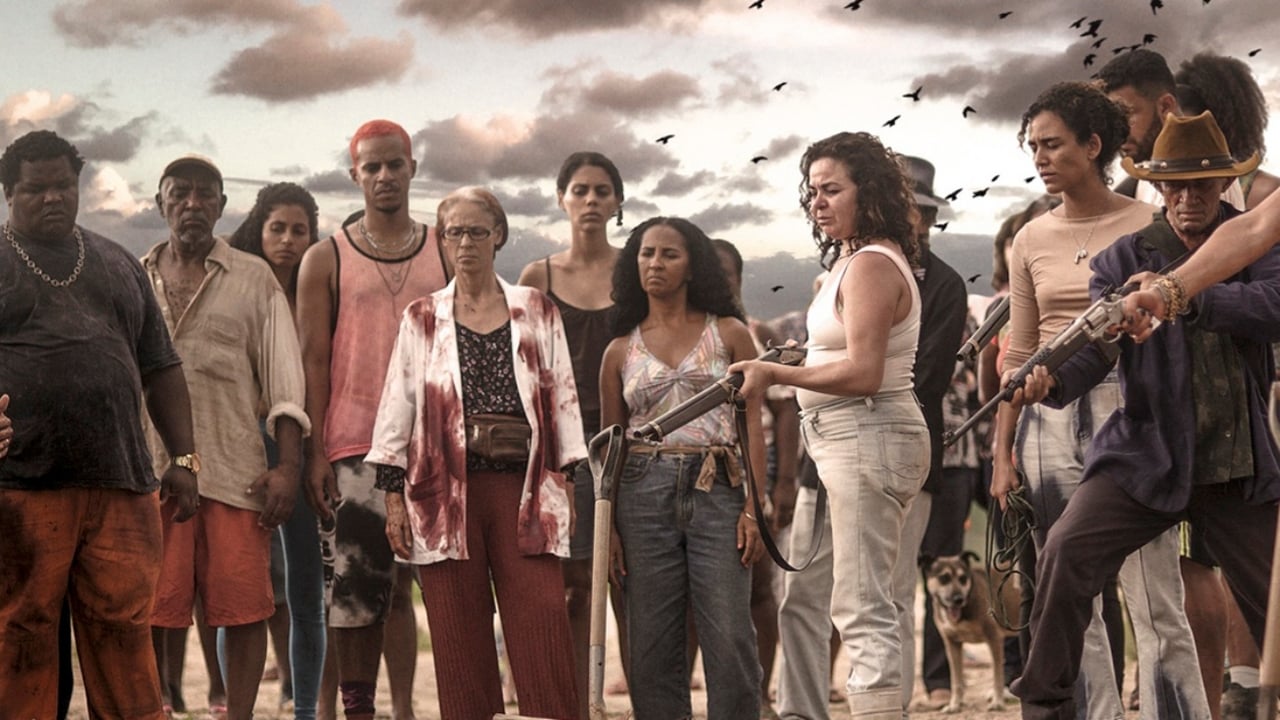
The film thrives on its ensemble. This isn't a "hero’s journey" in the traditional sense; the town itself is the protagonist. However, a few figures burn through the screen. Sônia Braga is magnificent as Domingas, the town’s alcoholic, fierce-tempered doctor. She brings a weathered dignity to the role that anchors the more fantastical elements of the plot. Then there’s Pacote (Thomás Aquino), a man with a violent past he’s trying to keep in the rearview, and Lunga (Silvero Pereira), a queer outlaw who lives in exile and looks like a heavy metal version of a revolutionary.
When the conflict finally boils over, the shift in tone is jarring but earned. The "hunters," led by a chillingly detached Udo Kier (who seems to have been born to play elegant villains in cult classics like Suspiria or Brawl in Cell Block 99), vastly underestimate the people they’re hunting. The film shifts from a slow-burn mystery into a gritty, high-stakes confrontation where the violence feels heavy and consequential rather than cinematic and light. The directors don't shy away from the brutality, but they never treat the townspeople’s suffering as a spectacle for our entertainment.
The Art of the Indie Hustle
For a film with a budget of just $1.4 million, the production value is staggering. This is a masterclass in using limited resources to create an expansive, lived-in world. The crew took over the village of Barra in the Seridó region, and the sense of place is absolute. You can practically feel the grit in your teeth and the heat of the sun on the back of your neck.
The trivia behind the scenes reflects the "all hands on deck" nature of the production. The local villagers weren't just background noise; many were cast in significant roles, and the town’s museum—a central plot point—was actually built by the production and remains there today. This wasn't a film crew dropping in to exploit a location; it was a collaborative effort to tell a story about community resilience.
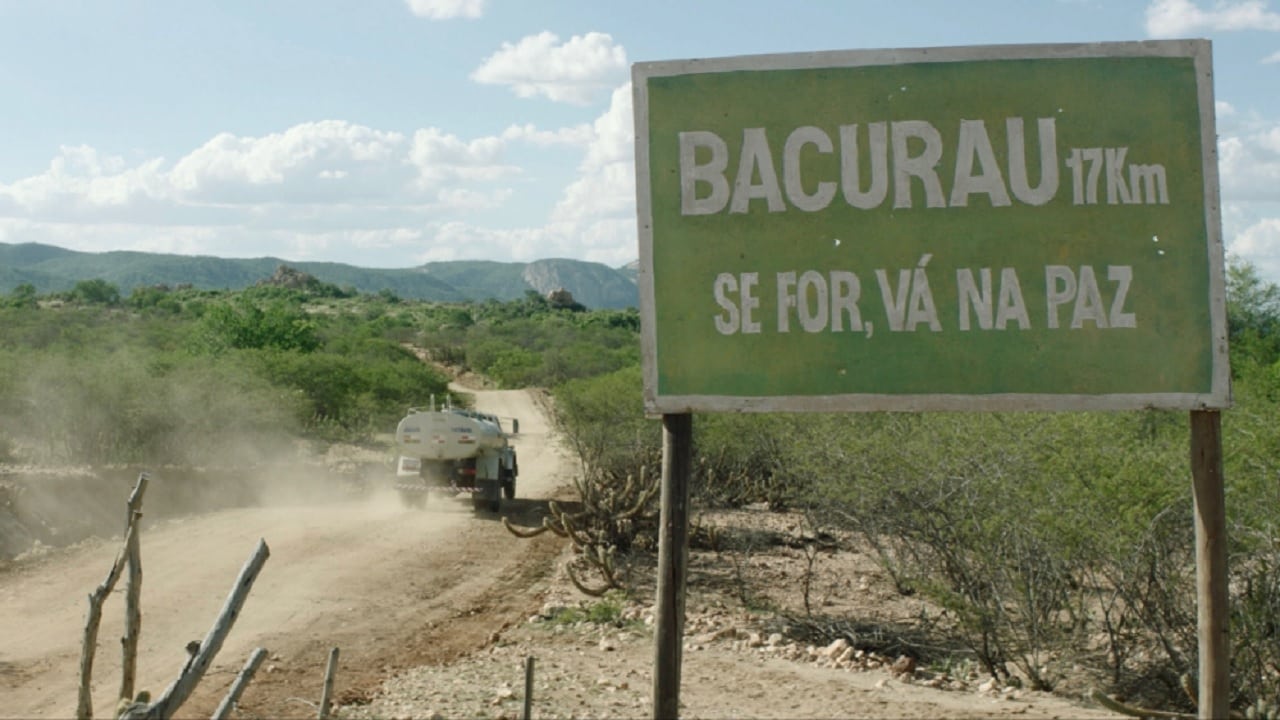
Cinematographer Pedro Sotero uses anamorphic lenses to give the sertão a panoramic, mythic scale, utilizing the kind of wide-screen wipes and zooms you’d expect from a 1970s John Carpenter flick. It’s a beautiful marriage of "Old Cinema" aesthetics and "New Cinema" politics. The score by Tomaz Alves de Souza and Mateus Alves further cements this, blending synthesizers with traditional Brazilian sounds to create a vibe that is both timeless and deeply uncomfortable.
The film concludes with a sequence that feels like a long-overdue exhale. It’s a messy, righteous, and deeply strange ending that refuses to offer the easy comfort of a Hollywood resolution. It acknowledges that while a battle might be won, the forces that sought to erase Bacurau from the map aren't going away—they’re just recalibrating.
By the time the credits rolled, my neighbor had finished his IKEA project, and the silence in my apartment felt heavy. Bacurau is a film that lingers in that silence. It’s a fierce, brilliantly acted, and visually arresting piece of contemporary cinema that reminds us that the most dangerous thing you can do to a community is assume they have nothing left to lose.
Stuff You Didn't Notice
The "UFO" drone was actually a modified drone made to look like a vintage 1950s sci-fi saucer, a clever nod to the town's confusion between local folklore and high-tech surveillance. The film’s title, Bacurau, is the name of a nocturnal bird found in the Brazilian countryside, known for being a master of camouflage—a perfect metaphor for the town’s hidden lethality. * The psychotropic seeds the villagers take before the final confrontation are a real-world reference to the "damiana" or similar indigenous plants used in the region for medicinal and ritualistic purposes.
Keep Exploring...
-

The Killing of a Sacred Deer
2017
-

Searching
2018
-
Get Out
2017
-

The Invisible Guest
2017
-
Slow West
2015
-
I See You
2019
-

Brimstone
2016
-

Sherlock: The Abominable Bride
2016
-

Forgotten
2017
-
Marrowbone
2017
-
What Happened to Monday
2017
-

Burning
2018
-

Ghostland
2018
-
Hereditary
2018
-
Mirage
2018
-

The Professor and the Madman
2019
-
The Call
2020
-

Black Box
2021
-
Decision to Leave
2022
-
The Batman
2022