Black and Blue
"The lens sees what the city won't."
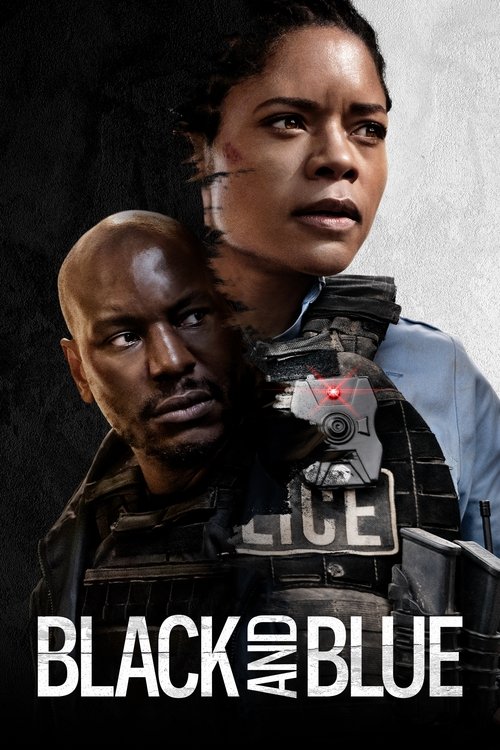
I watched Black and Blue on a rainy Tuesday night while eating a bowl of slightly burnt popcorn that I refused to throw away because I’m stubborn. There’s something about the smell of scorched kernels that oddly suited the grimy, humid, and desperate atmosphere of this New Orleans thriller. It’s a film that arrived in 2019, perched right on the edge of a massive cultural shift regarding how we talk about policing, and then—somewhat unfairly—slid into that "seen it on a plane" or "found it on a streaming thumbnail" category. But looking at it now, away from the immediate noise of its release, there is a lot to appreciate in this high-velocity chase movie.
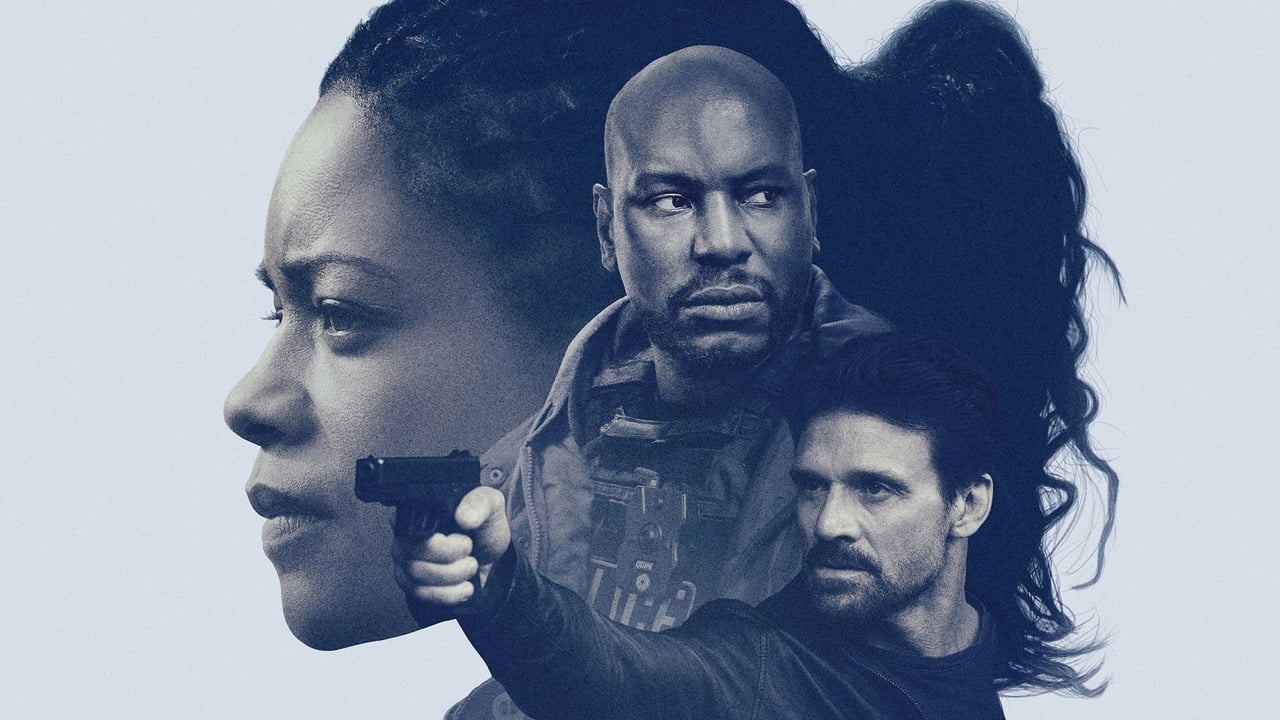
The Digital Eye in the Ninth Ward
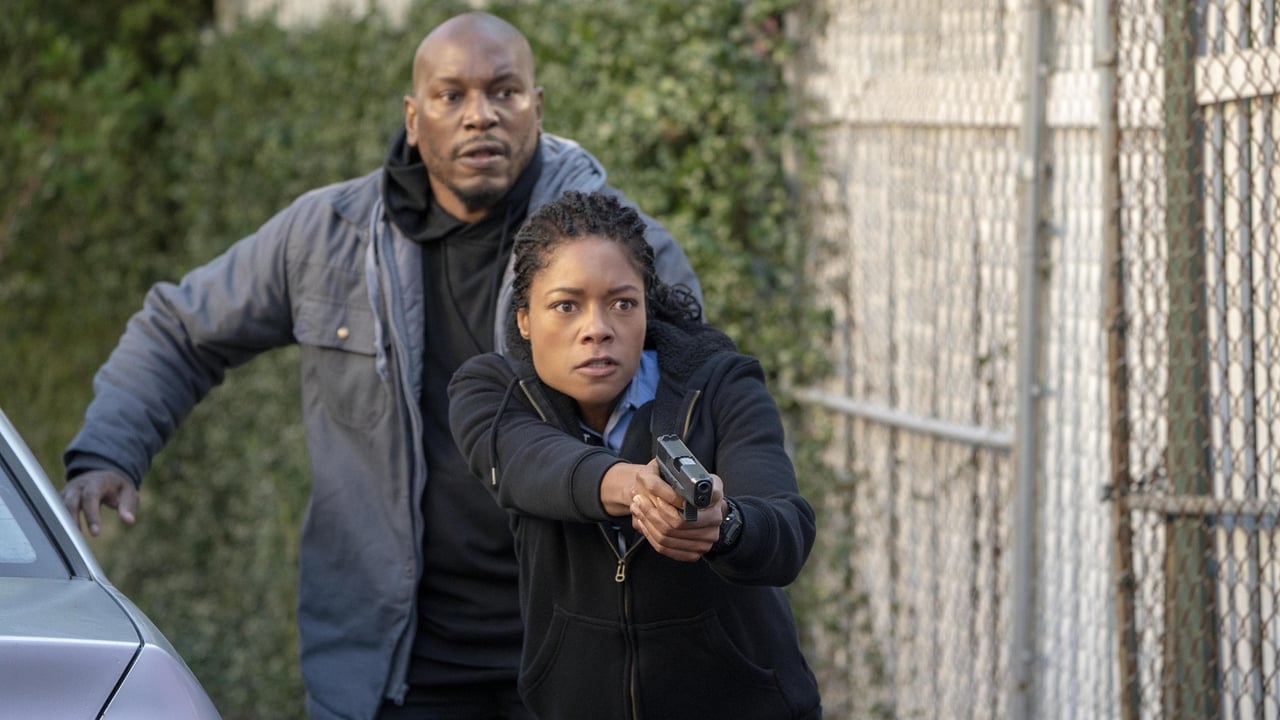
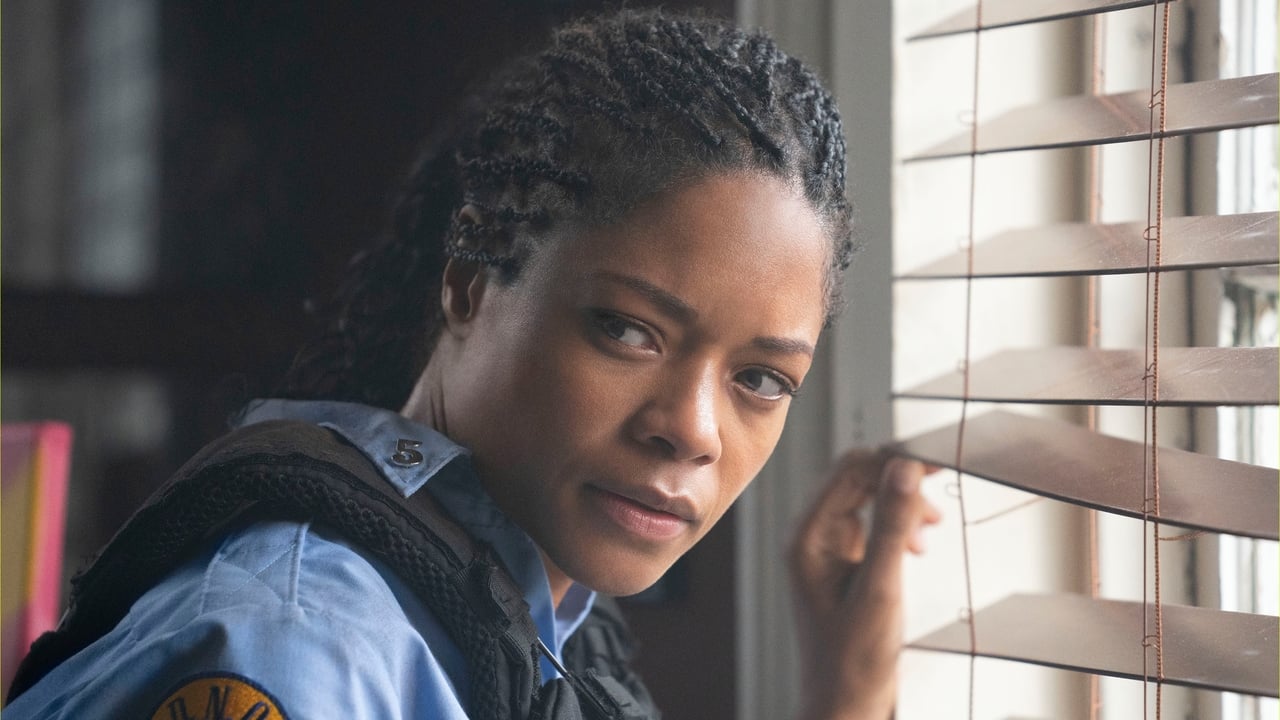
The premise is as lean as a marathon runner. Alicia West, played by the consistently excellent Naomie Harris (Moonlight, Skyfall), is a rookie cop and Army vet who returns to her hometown of New Orleans. She’s caught between two worlds: the community that views her as a traitor for wearing the badge, and a police force that doesn't quite trust her yet. During a double-shift, she inadvertently records a group of narcotics officers—led by a delightfully sleazy Frank Grillo (The Purge: Anarchy)—executing a young drug dealer.
From that moment on, the movie is a relentless sprint. Alicia is hunted by both the crooked cops desperate to destroy her body cam and the local gang members who believe she’s the one who pulled the trigger. Director Deon Taylor (The Intruder) leans heavily into the "run-and-gun" nature of the script. It’s a modern western set in the decaying urban landscape of the Ninth Ward, where the "Blue Wall of Silence" is reinforced with lead. I found the use of the body cam as the central MacGuffin to be particularly sharp; it’s the ultimate "eye of God" in contemporary cinema, a digital soul that everyone wants to own or erase.
A Cast Doing the Heavy Lifting
What elevates Black and Blue from a standard B-movie to something more resonant is the cast. Naomie Harris is frankly overqualified for a standard actioner, but she brings a physical vulnerability and a moral steel that makes you actually care if she makes it to the next block. She doesn’t feel like an invincible superhero; she feels like someone who is genuinely terrified but has nowhere left to go.
Then there’s Tyrese Gibson (Fast & Furious). Look, I’ve seen Tyrese jump cars between skyscrapers, but here he plays Milo "Mouse" Jackson, a neighborhood store clerk who is just tired of everything. It is, without a doubt, some of the most grounded and nuanced work Tyrese has ever put on film, and I found myself wishing he’d step away from the blockbusters more often to do character pieces like this. His chemistry with Harris provides the film’s only breathing room, a necessary bridge between the police world and the neighborhood.
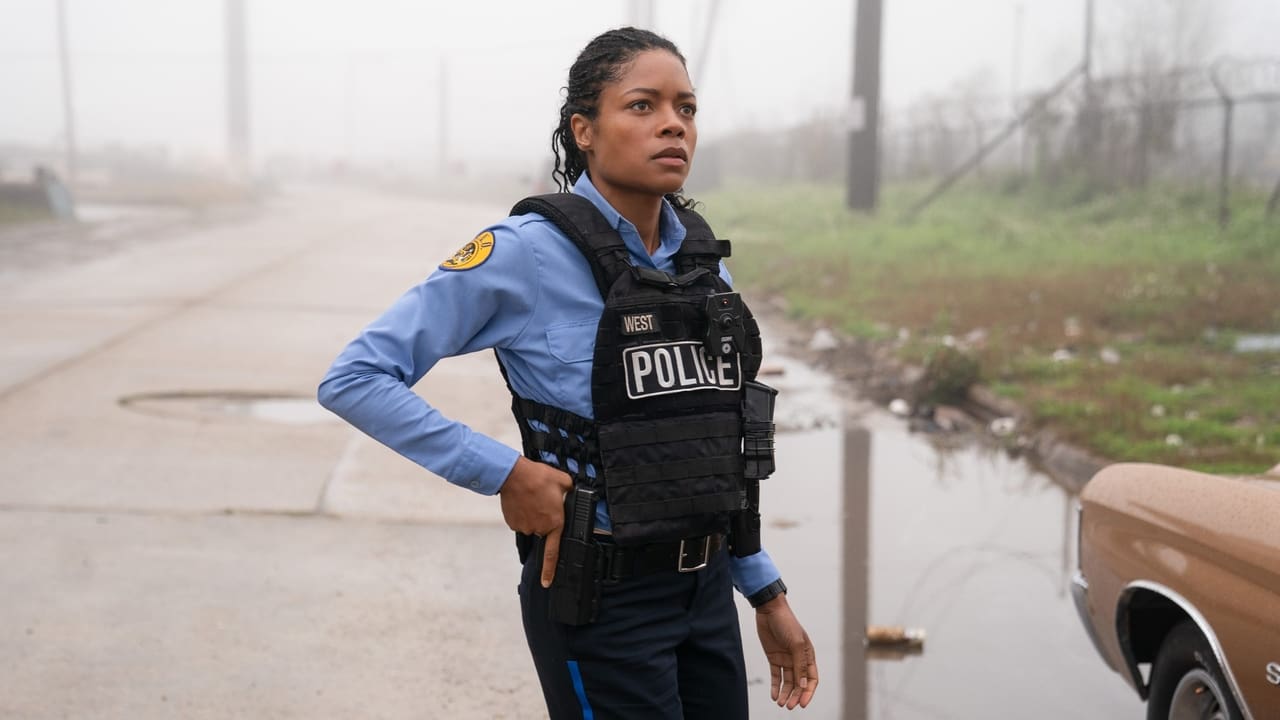
On the villain side, Frank Grillo is doing what he does best: being a charismatic, vein-popping threat. He’s joined by Beau Knapp (The Nice Guys) and Mike Colter (Luke Cage), who plays a local kingpin caught in the crossfire. The performances keep the engine humming even when the script occasionally dips into predictable "crooked cop" tropes.
Cinematography and the Sweat of New Orleans
One of the biggest surprises for me was the cinematography. I didn't realize until the credits that the legendary Dante Spinotti—the man who shot Heat and L.A. Confidential—was behind the camera. It explains why the film looks so much better than your average mid-budget thriller. New Orleans isn't just a backdrop here; it feels heavy, wet, and claustrophobic. Spinotti captures the neon-soaked rain and the crumbling infrastructure with a grit that makes the action feel physical.
The action choreography isn't about "John Wick" style precision; it’s about survival. It’s messy, loud, and frantic. There’s a particular sequence in an apartment complex that feels like a desperate game of hide-and-seek where the stakes are life and death. The sound design really punches through here—the way a gunshot echoes in a concrete stairwell is enough to make you spill your (burnt) popcorn.
Why Did This One Slip Away?
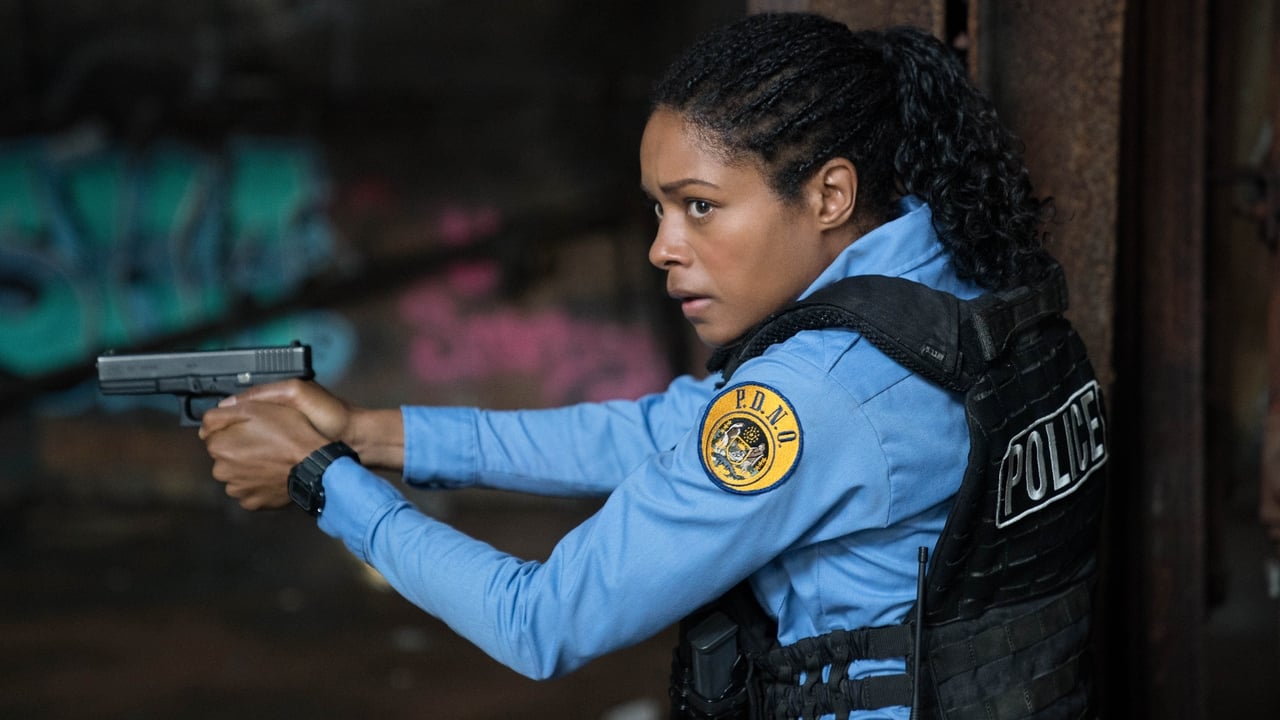
Black and Blue made its money back, but it hasn't maintained a massive footprint in the cultural conversation. Part of that is the era it was born into. Released in late 2019, it was quickly overshadowed by the prestige awards season and then swallowed whole by the pandemic. In a world dominated by $200 million franchise sequels, a $12 million original thriller about a woman with a camera and a gun is a hard sell for longevity.
It also suffers slightly from being "too soon" for some and "too late" for others. It deals with systemic corruption in a way that felt like a preview for the conversations the world would have in 2020, but it packages them in a genre film that some critics found too conventional. It’s basically 'Training Day' meets 'The Warriors' but with better Wi-Fi, and while it doesn't reinvent the wheel, it spins it with a lot of heart and high-octane energy. If you’re looking for a tight, 100-minute adrenaline shot that actually has something to say about the digital age of accountability, you could do a lot worse than this hidden gem.
Ultimately, Black and Blue succeeds because it understands exactly what it is: a gritty, well-acted chase movie with a conscience. It’s the kind of mid-budget adult thriller that the big studios don't make as often as they used to, and that alone makes it worth the find. While it might not be a "masterpiece" of the decade, it’s a rock-solid piece of genre filmmaking that gives Naomie Harris a well-deserved spotlight. Turn the lights down, ignore the burnt smell from your microwave, and give this one a chance.
Keep Exploring...
-
Batman vs. Robin
2015
-
Heist
2015
-
Death Wish
2018
-
Lost Bullet
2020
-
Patriots Day
2016
-
Copshop
2021
-
Ambulance
2022
-
Havoc
2025
-
Jack Reacher: Never Go Back
2016
-
Extinction
2018
-
The Infiltrator
2016
-
Brawl in Cell Block 99
2017
-
Roman J. Israel, Esq.
2017
-
Security
2017
-
Sleepless
2017
-
Suburbicon
2017
-
The Girl in the Spider's Web
2018
-
Hotel Mumbai
2019
-

Gunpowder Milkshake
2021
-
Stillwater
2021