Breakthrough
"When logic ends, belief begins."
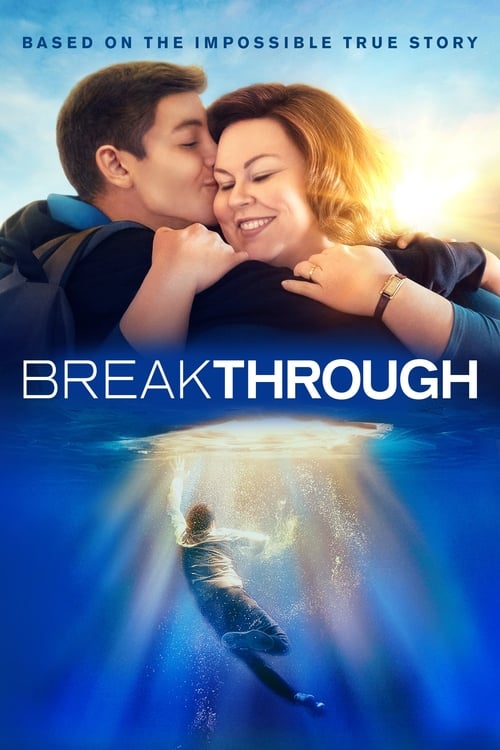
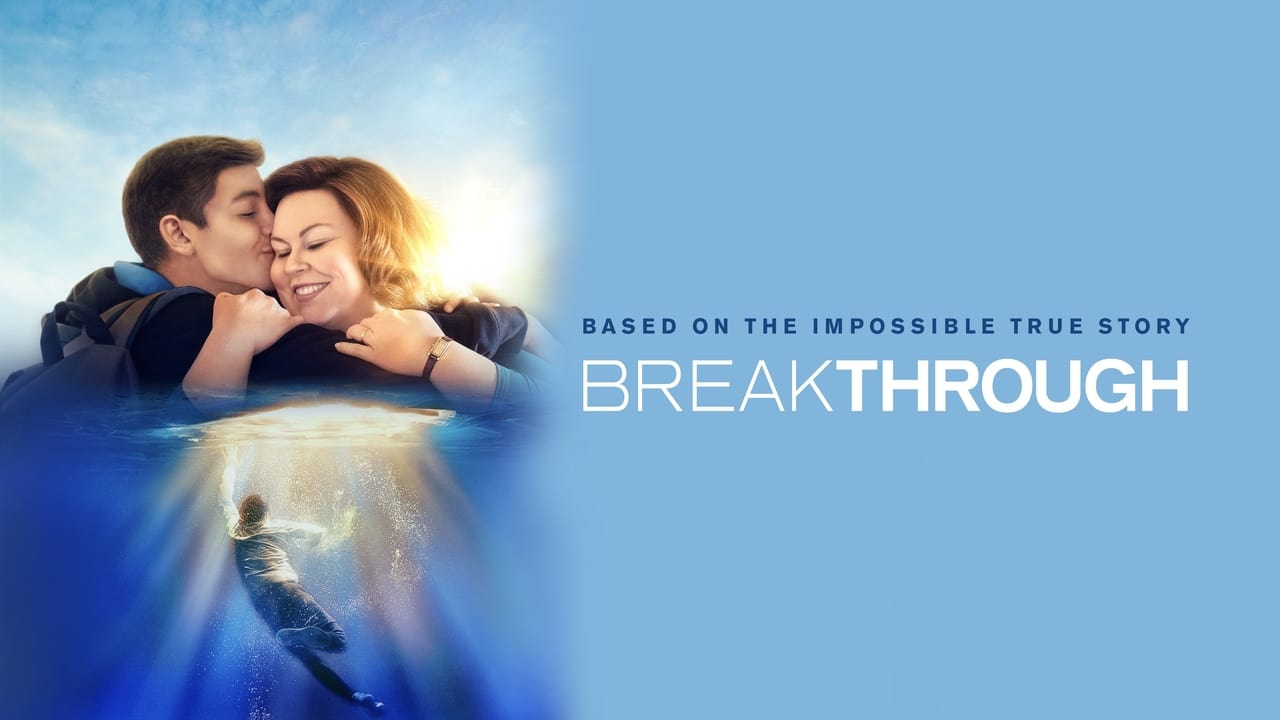
The math of the human body is usually non-negotiable. Submerge a fourteen-year-old in a freezing lake for fifteen minutes, and biology dictates a very specific, tragic outcome. Add another forty-five minutes of flatline resuscitation efforts, and you aren’t looking for a survivor; you’re looking for a casket. Yet, Breakthrough centers its entire 116-minute runtime on the moment those numbers stop making sense. I watched this on a Tuesday night while my apartment’s ancient radiator clanked and hissed like a dying steam engine, a fittingly cold backdrop for a story that hinges entirely on the desperate need for warmth—both literal and spiritual.
Released in 2019, Breakthrough arrived during a fascinating pivot point for "faith-based" cinema. For years, this sub-genre was defined by shoestring budgets and "preaching to the choir" scripts that felt more like Sunday school lessons than movies. But as the streaming wars heated up and traditional studios looked for "undiscovered" audiences, these films started getting real polish. Directed by Roxann Dawson (whom I’ll always fondly associate with her time as B'Elanna Torres on Star Trek: Voyager), this isn't a grainy, low-rent production. It’s a slick, well-acted studio drama from the now-defunct Fox 2000 label that treats its miraculous premise with the same procedural intensity as an episode of ER.
The Anchor of the Impossible
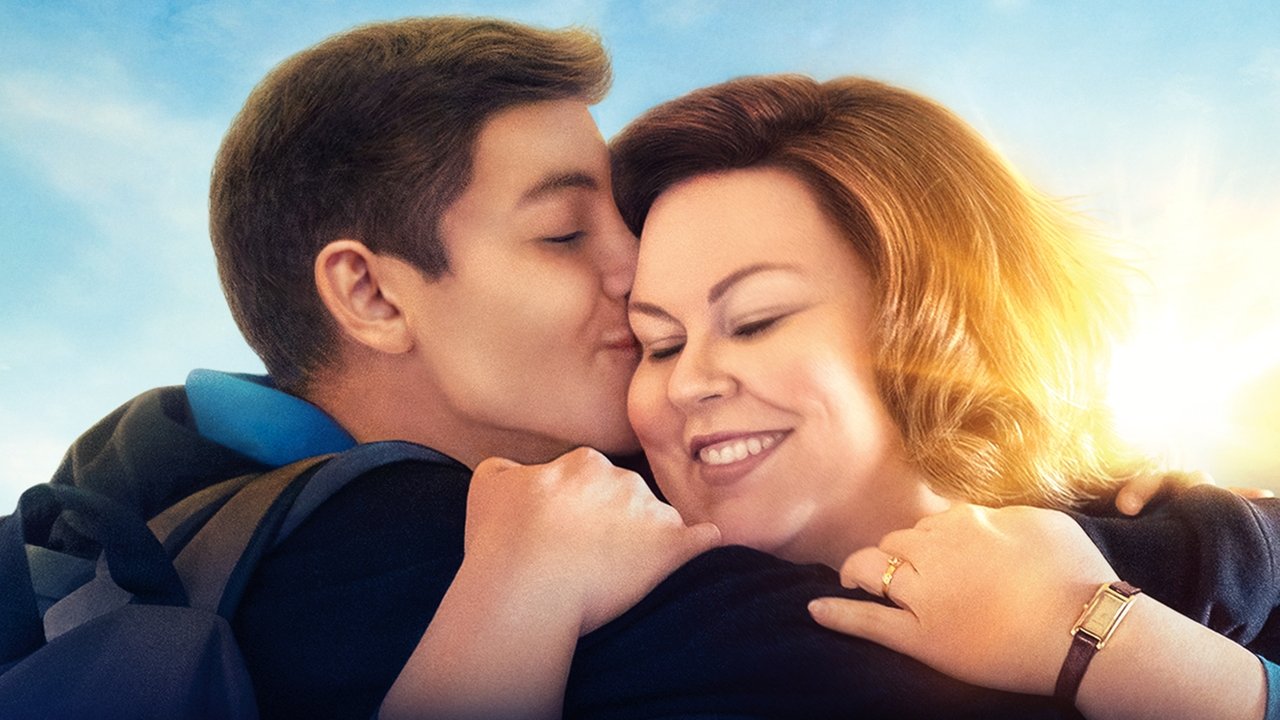
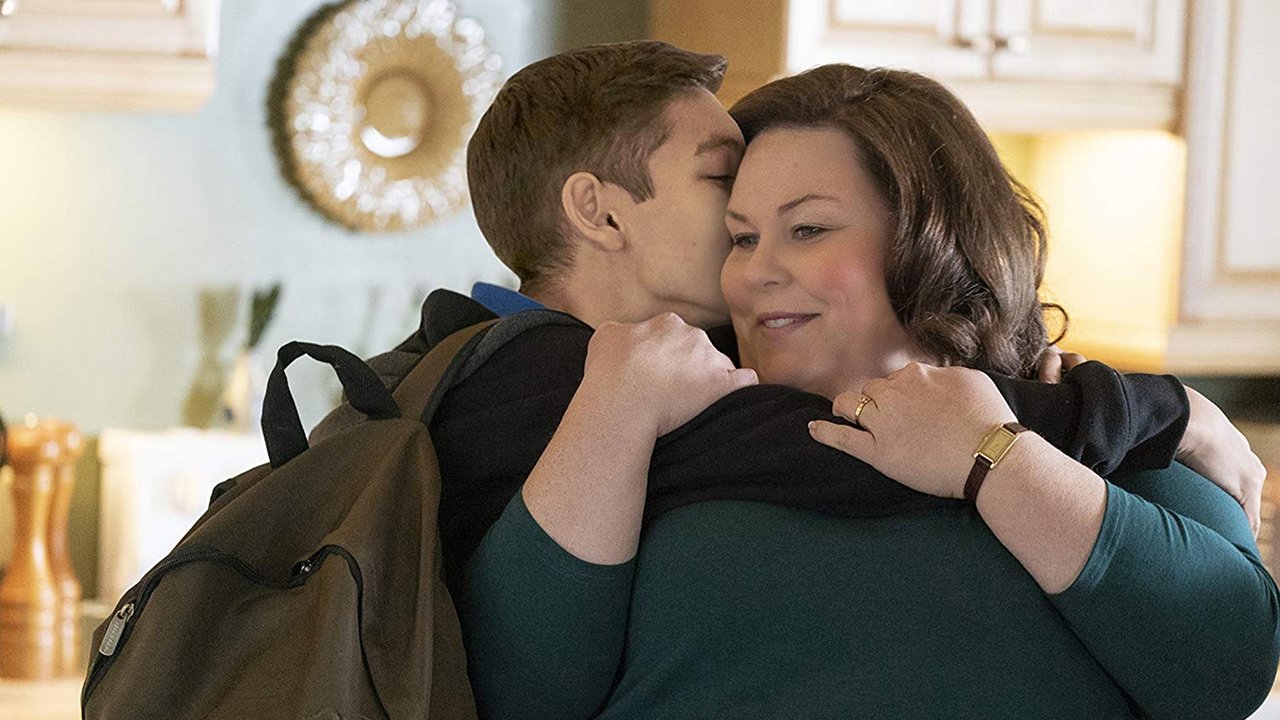
The film belongs entirely to Chrissy Metz, playing Joyce Smith. Fresh off the massive success of This Is Us, Metz brings that same "weaponized empathy" to the screen. When her son, John (Marcel Ruiz), crashes through the ice, Joyce doesn't just pray; she demands an audience with the divine. It’s a performance of ferocious, sometimes suffocating maternal will. I found myself fascinated by her portrayal of Joyce as a "difficult" woman—someone whose faith makes her prickly, stubborn, and occasionally alienating to the medical staff trying to manage her expectations.
Josh Lucas plays the father, Brian, providing a much-needed grounded counterpoint. While Joyce is the fire, Brian is the ash—numb, terrified, and unable to step into the hospital room. Their chemistry feels lived-in, capturing that specific strain a crisis puts on a marriage. Then there’s Topher Grace as Pastor Jason Noble. Topher Grace’s haircut in this film is the most aggressive ‘cool pastor’ statement in cinematic history, complete with a wardrobe that screams "I listen to Hillsong on my morning jog." It’s easy to poke fun at the trope, but the film actually uses the friction between the traditional Joyce and the modern Pastor Jason to explore how communities bridge generational gaps during a tragedy.
A Philosophical Chill
What elevated Breakthrough for me beyond the standard "miracle of the week" was its unexpected willingness to poke at the "Why?" of it all. The screenplay by Grant Nieporte doesn’t just celebrate John’s survival; it acknowledges the awkward, painful fallout of a specific miracle. There is a hauntingly quiet scene where John returns to school and encounters a classmate whose own loved one didn’t make it. It raises the uncomfortable, cerebral question: If one boy gets a pass from the reaper, why does the reaper get to keep the rest?
The film doesn't provide a tidy answer, and I respected that. It lingers on the survivor’s guilt of both the boy and the community. Even Mike Colter (who many of us know as Luke Cage) shows up as Tommy Shine, the first responder who pulled John from the water. His character arc isn’t about a sudden blinding light; it’s about a man who did his job and can’t intellectually reconcile the fact that he heard a voice telling him where to look. It’s a meditation on the intersection of professional duty and inexplicable intuition.
Procedural Faith
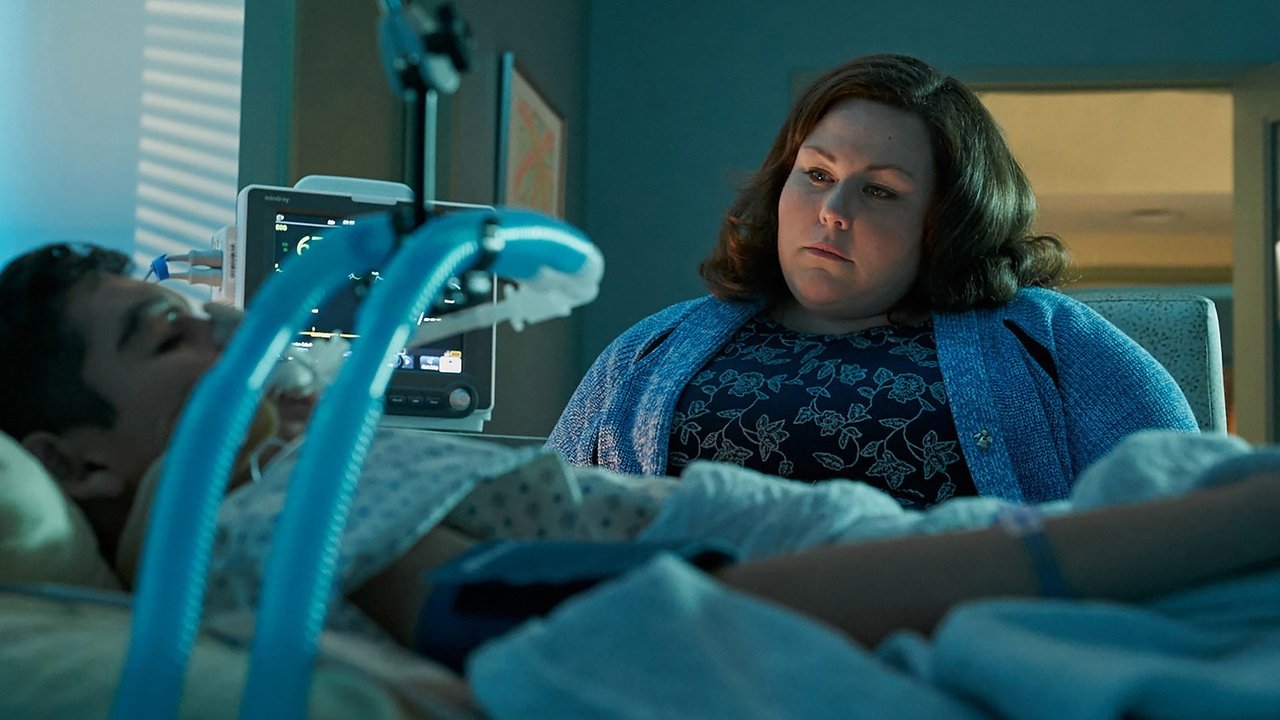
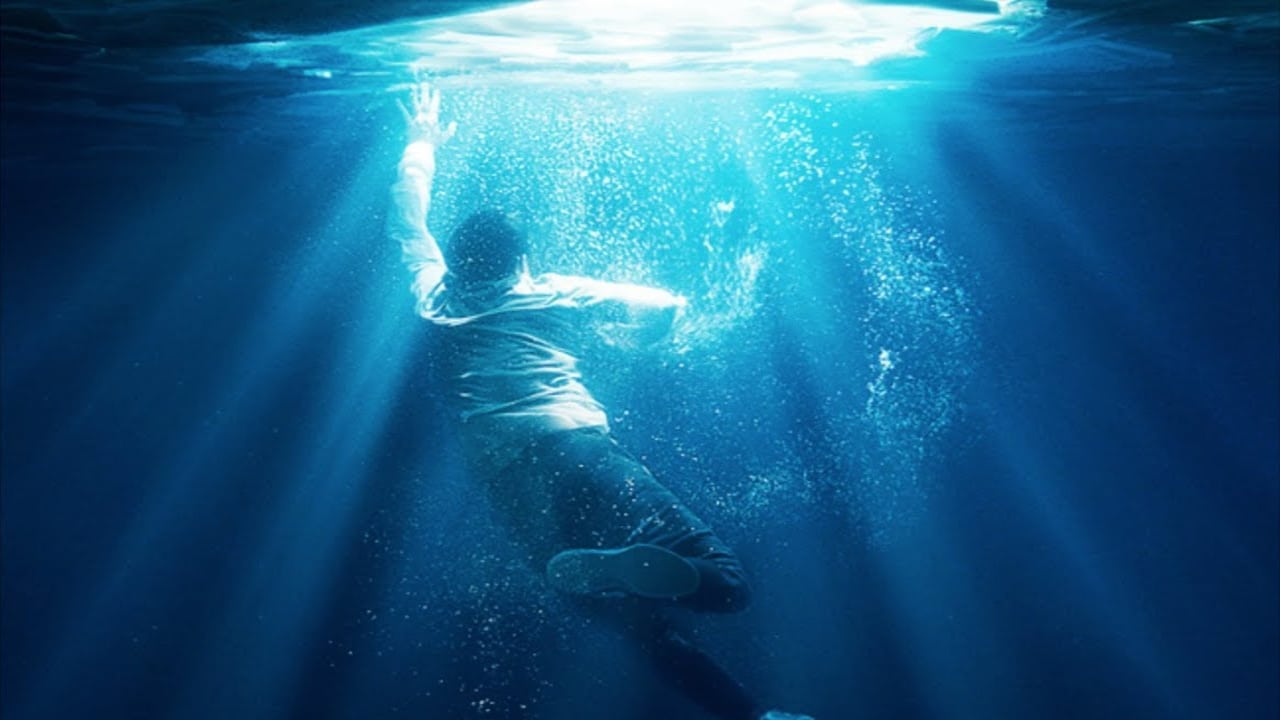
Visually, Dawson and cinematographer Zoran Popović avoid the hazy, golden-hour glow that usually plagues this genre. The hospital is sterile, fluorescent, and claustrophobic. The underwater sequences are murky and terrifying, avoiding the temptation to make the "accident" look cinematic. Instead, it looks like a nightmare. Marcelo Zarvos’s score is doing a lot of heavy lifting to ensure you’re reaching for the tissues, but the medical realism provided by Sam Trammell as the skeptical Dr. Sutterer keeps the film from floating off into pure sentimentality.
Behind the scenes, the film was a significant marker for producer DeVon Franklin, who has become the go-to architect for bringing these "impossible true stories" to the mainstream. It was one of the last films released by 20th Century Fox before the Disney merger was finalized, making it a bit of a time capsule from the final days of the traditional "mid-budget studio drama"—a species that is now almost exclusively found on streaming platforms like Netflix or Hulu.
Breakthrough is a film that knows exactly what it wants to do and executes it with professional precision. While it occasionally leans into the melodrama with the subtlety of a sledgehammer, the central performances—particularly Chrissy Metz’s raw, uncompromising mother—give it a heartbeat. It’s a contemporary drama that asks you to sit with the "unexplained" without necessarily demanding you check your brain at the door. If you can move past the "cool pastor" tropes, there’s a genuinely moving story about the terrifying, beautiful weight of a second chance.
Keep Exploring...
-

A Dog's Journey
2019
-

The Art of Racing in the Rain
2019
-

I Still Believe
2020
-
The Iron Claw
2023
-

Arthur the King
2024
-
A Street Cat Named Bob
2016
-

Clouds
2020
-
Gabriel's Inferno: Part II
2020
-
Gabriel's Inferno: Part III
2020
-
Life in a Year
2020
-

The Banker
2020
-
Palmer
2021
-
The Hand of God
2021
-
A Man Called Ove
2015
-
The Boy and the Beast
2015
-
Italian Race
2016
-

I Want to Eat Your Pancreas
2018
-
Black and Blue
2019
-
The Boy Who Harnessed the Wind
2019
-
The Specials
2019