Brightburn
"Not every miracle is a blessing."
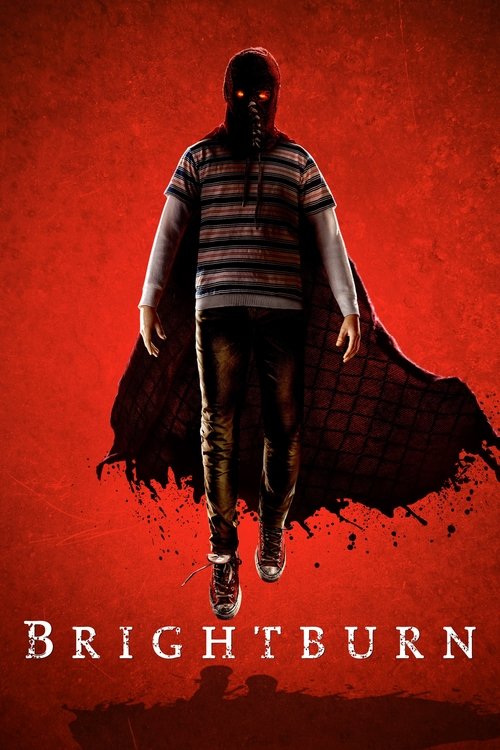
The Kansas farm, the red-caped boy, the loving parents—we know this story by heart, which is exactly why the sight of a lawnmower being tossed through a diner window feels like a cold bucket of water to the face. In 2019, superhero saturation had reached its absolute zenith. Avengers: Endgame was busy rewriting box office history, and the prevailing cinematic mood was one of earnest, universe-saving heroics. Then along came James Gunn (acting as producer) and director David Yarovesky, who looked at the most optimistic archetype in fiction and asked, "What if that baby in the pod was a complete nightmare?"
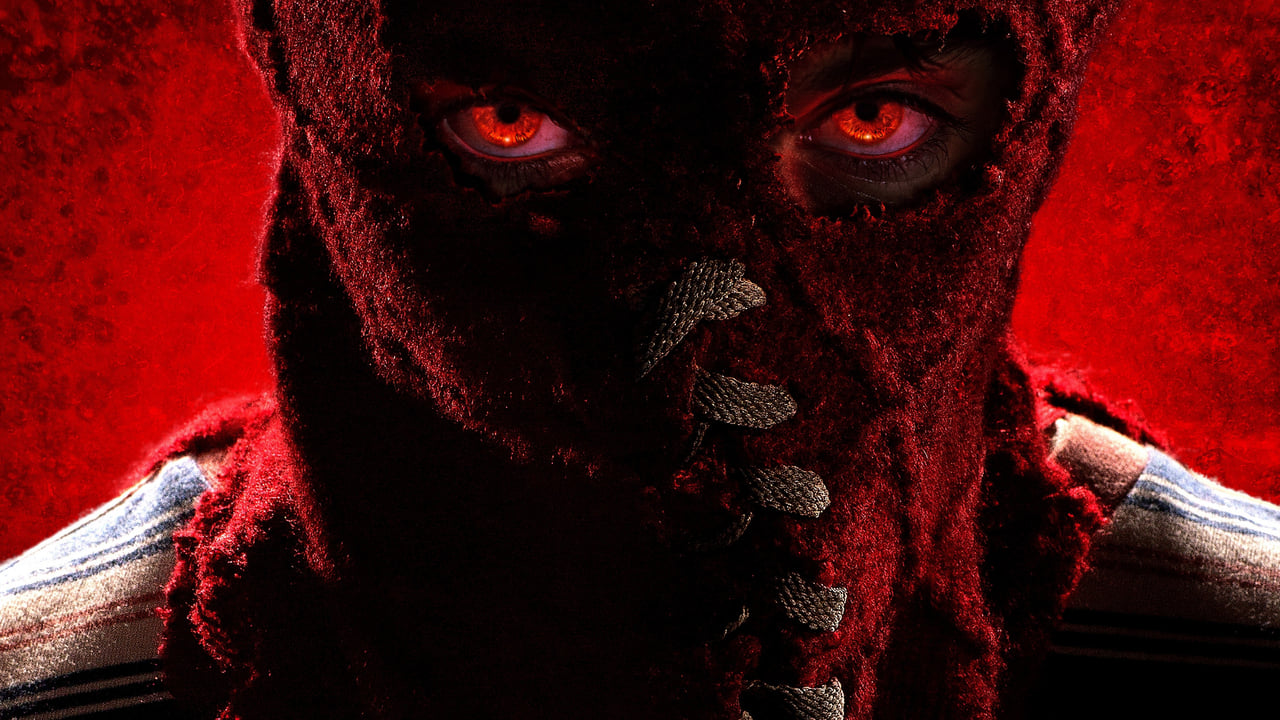
I watched this on my laptop while a very confused moth kept hitting the screen, and I honestly think the moth was trying to warn me about the eye scene. If you’ve seen it, you know exactly which one I mean. Brightburn doesn’t just deconstruct the Superman myth; it douses it in gasoline and lights a match. It’s the most satisfying middle finger to the ‘chosen one’ trope I’ve seen in years, precisely because it refuses to give the audience a moral out.
A Super-Sized Slasher
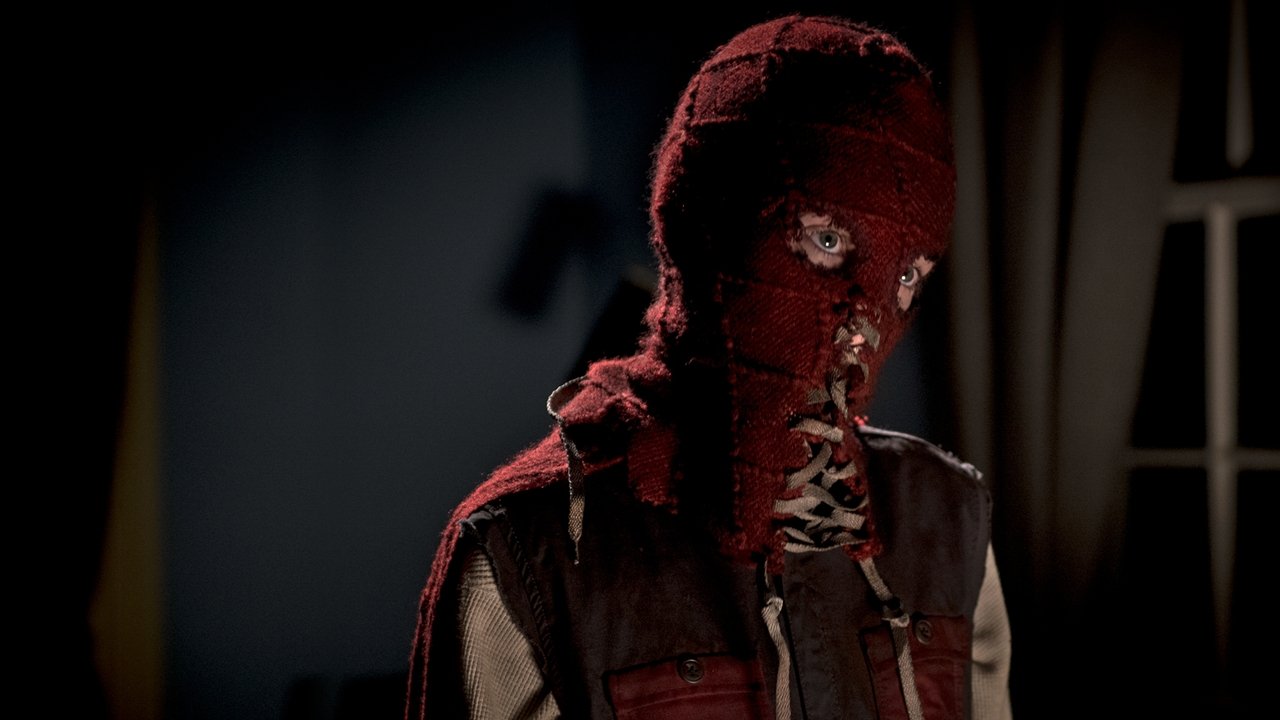
At its core, Brightburn isn't a superhero movie; it's a slasher film where the killer has a god-tier cheat code. Jackson A. Dunn plays Brandon Breyer with a chilling, vacant intensity that perfectly captures the "uncanny valley" of a child who has stopped trying to pass as human. There’s no slow slide into villainy here. Instead, Brandon’s transition into a monster is framed as a dark version of puberty—biological, inevitable, and terrifyingly violent. When he realizes he’s "special," he doesn't decide to save a cat from a tree; he decides that everyone else is an ant.
The horror mechanics are relentlessly effective. David Yarovesky leans heavily into the spatial dread of the Breyer farmhouse. You’d think a kid who can move at supersonic speeds would make for a flashy, high-octane film, but the director keeps things claustrophobic. The sound design is the real MVP here—the heavy, metallic thrumming when Brandon is near, the silence that precedes a sonic boom, and the crunch of bone that feels uncomfortably loud. It’s a film that understands that a threat you can't outrun is the purest form of terror.
The Heart vs. The Horror
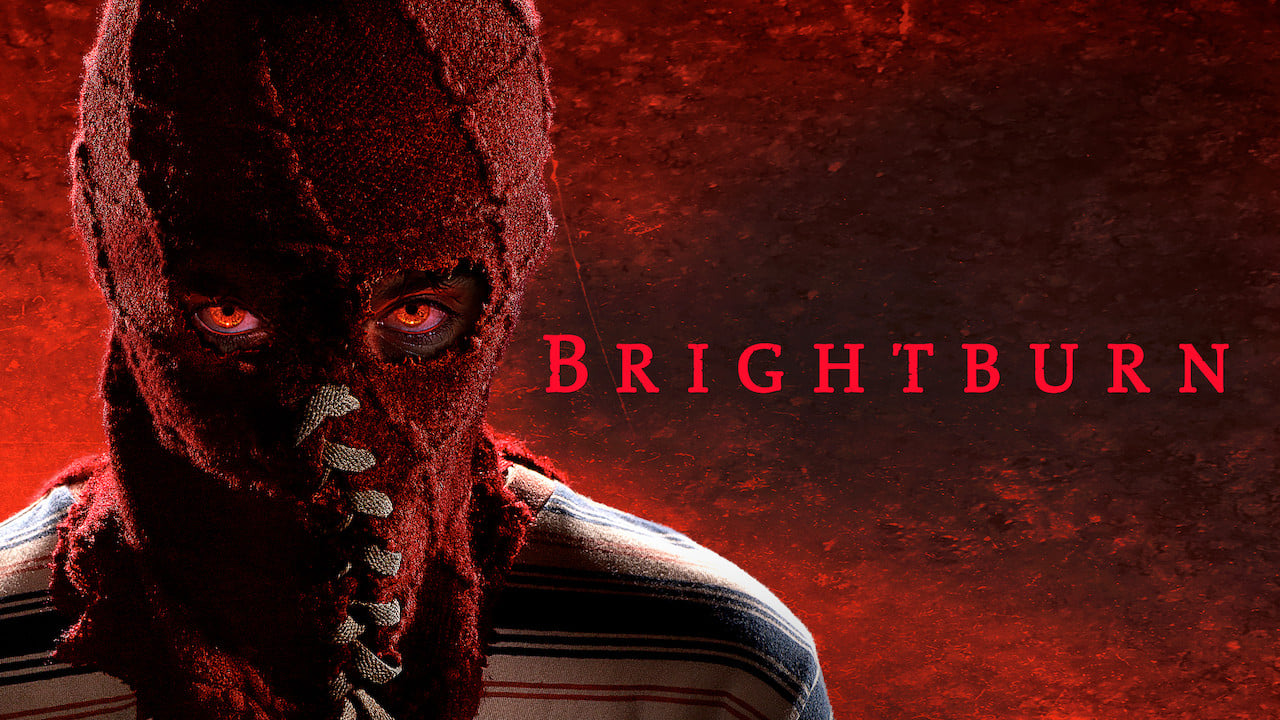
What keeps the movie grounded is the chemistry between Elizabeth Banks and David Denman. Banks, who previously worked with James Gunn on the cult-favorite Slither (2006), is fantastic as Tori Breyer. She portrays the "mother’s intuition" in reverse; she spends the first two acts desperately trying to ignore what her gut is telling her. It’s heartbreaking to watch her cling to the idea of her sweet boy while he’s literally etching alien runes into his notebook.
David Denman, whom I’ll always affectionately remember as Roy from The Office, provides the perfect foil as Kyle. He’s the first to realize that something is fundamentally "off" with his son. The tension between the parents—one shielding, one suspicious—adds a layer of domestic tragedy that makes the inevitable carnage feel earned rather than gratuitous. It’s a contemporary spin on the classic "bad seed" subgenre, but with the added anxiety of the modern superhero landscape.
A Cult Future in the Making
While Brightburn didn't shatter the box office, it has steadily grown into a cult favorite for those of us who like our genre mashups with a side of mean-spiritedness. It arrived just as audiences were starting to crave "evil superhero" content, pre-dating the mainstream explosion of The Boys or the animated gore of Invincible. It’s a lean, 91-minute exercise in "what if," and it doesn't overstay its welcome.
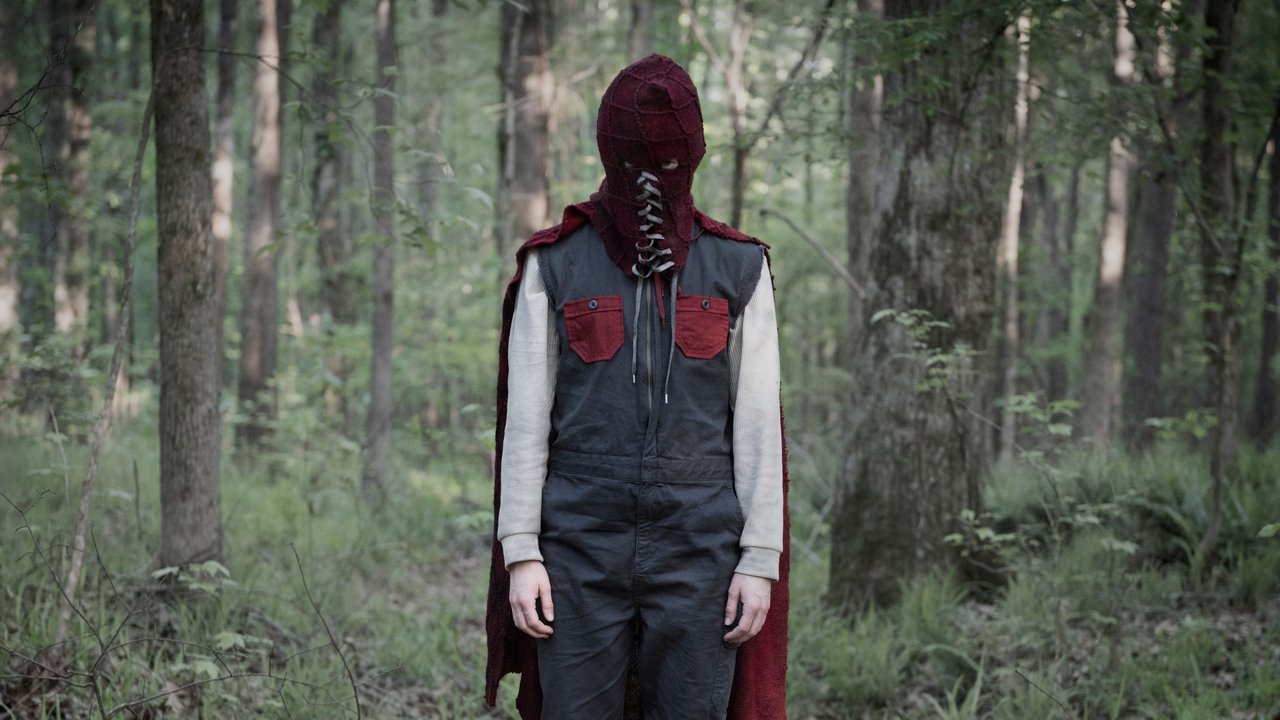
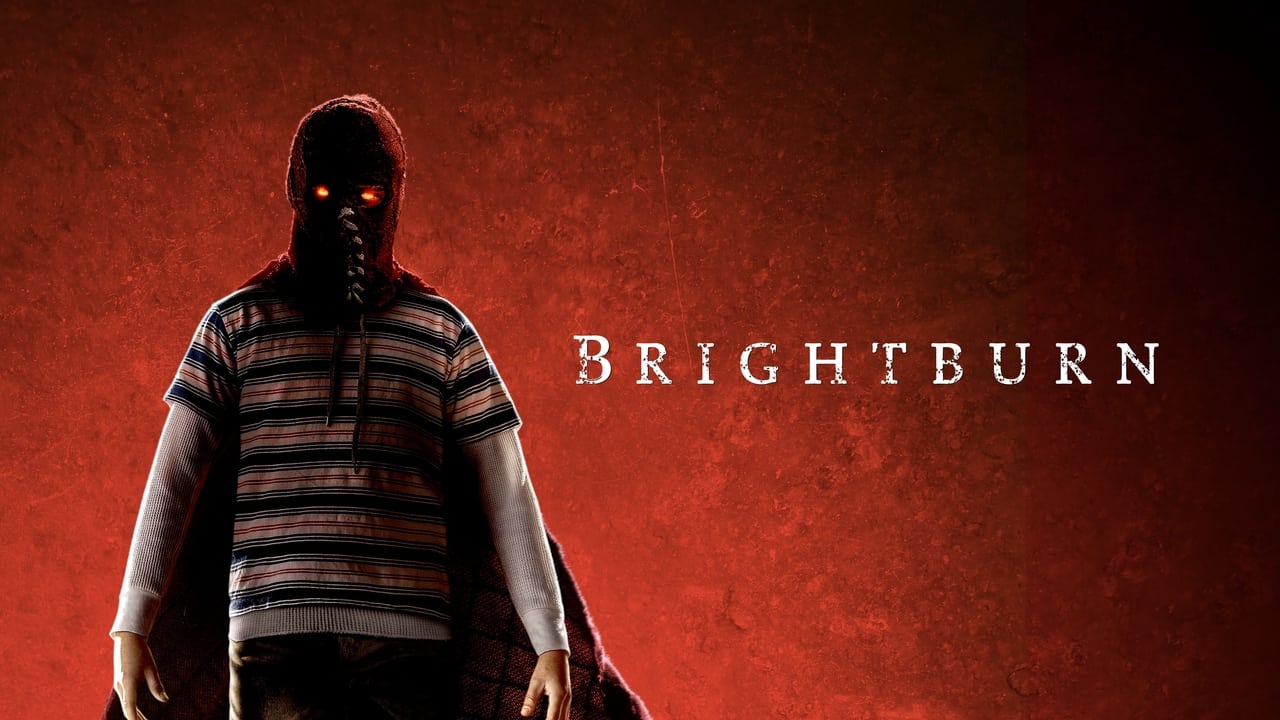
The behind-the-scenes DNA of the film is a family affair, written by Brian Gunn and Mark Gunn (James’s brother and cousin). Their script is peppered with the kind of dark humor and practical effects appreciation that has defined the Gunn brand since his Troma days. Apparently, the iconic stitched mask was designed to look like something a kid could actually make from burlap and twine, yet it manages to be more terrifying than any multi-million dollar CGI helmet.
Turns out, the film was originally teased as "The Untitled James Gunn Horror Project" during his brief hiatus from Disney, and that rebellious energy is felt in every frame. It also features a great mid-credits cameo by Michael Rooker as a frantic conspiracy theorist, hinting at a wider "evil" universe that fans are still clamoring to see expanded. Other fun details include the fact that the movie was shot in Georgia doubling for Kansas, and the production had to move at a breakneck pace on a modest $6 million budget—basically a slasher movie where the killer has a cheat code and the production team had to be just as inventive.
Brightburn is a nasty, efficient little engine of dread. It doesn't try to be a grand philosophical treatise on power; it just wants to show you how terrifying a super-powered sociopath would actually be. If you’re tired of the "with great power comes great responsibility" mantra, this is the perfect antidote. It’s a film that leans into its own cruelty with a grin, and for horror fans, that’s exactly what makes it a keeper. Just maybe keep the lights on if you live near a farm.
Keep Exploring...
-

Underworld: Blood Wars
2016
-
A Cure for Wellness
2017
-
Annihilation
2018
-
Overlord
2018
-
The Cloverfield Paradox
2018
-
Happy Death Day 2U
2019
-

The Girl with All the Gifts
2016
-
Alien: Covenant
2017
-
Life
2017
-
The New Mutants
2020
-
Underwater
2020
-
Resident Evil: Welcome to Raccoon City
2021
-
Nope
2022
-
Companion
2025
-
Black Mirror: Bandersnatch
2018
-
Power Rangers
2017
-
10 Cloverfield Lane
2016
-
Morgan
2016
-
Resident Evil: The Final Chapter
2016
-
Color Out of Space
2020