Captain Marvel
"A cosmic mystery wrapped in a flannel shirt."
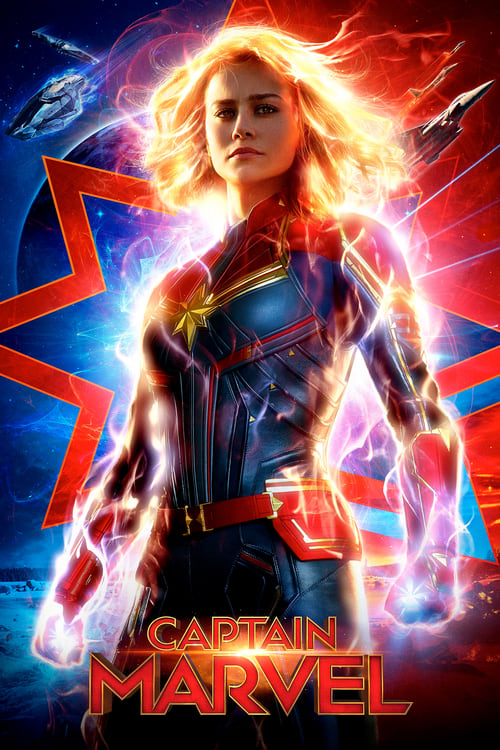
The sight of a cosmic warrior crashing through the roof of a 1995 Blockbuster Video—specifically landing right in the middle of the "New Releases" section—is about as subtle as a photon blast to the face. It’s a loud, neon-soaked declaration that Captain Marvel isn’t just another cog in the Marvel Cinematic Universe machine; it’s a time capsule with a very specific, grunge-era axe to grind. I watched this most recently while wearing one mismatched neon-green sock because I couldn't find its partner in the laundry basket, and honestly, that slightly off-kilter energy felt like the perfect way to sync up with Carol Danvers’ headspace.
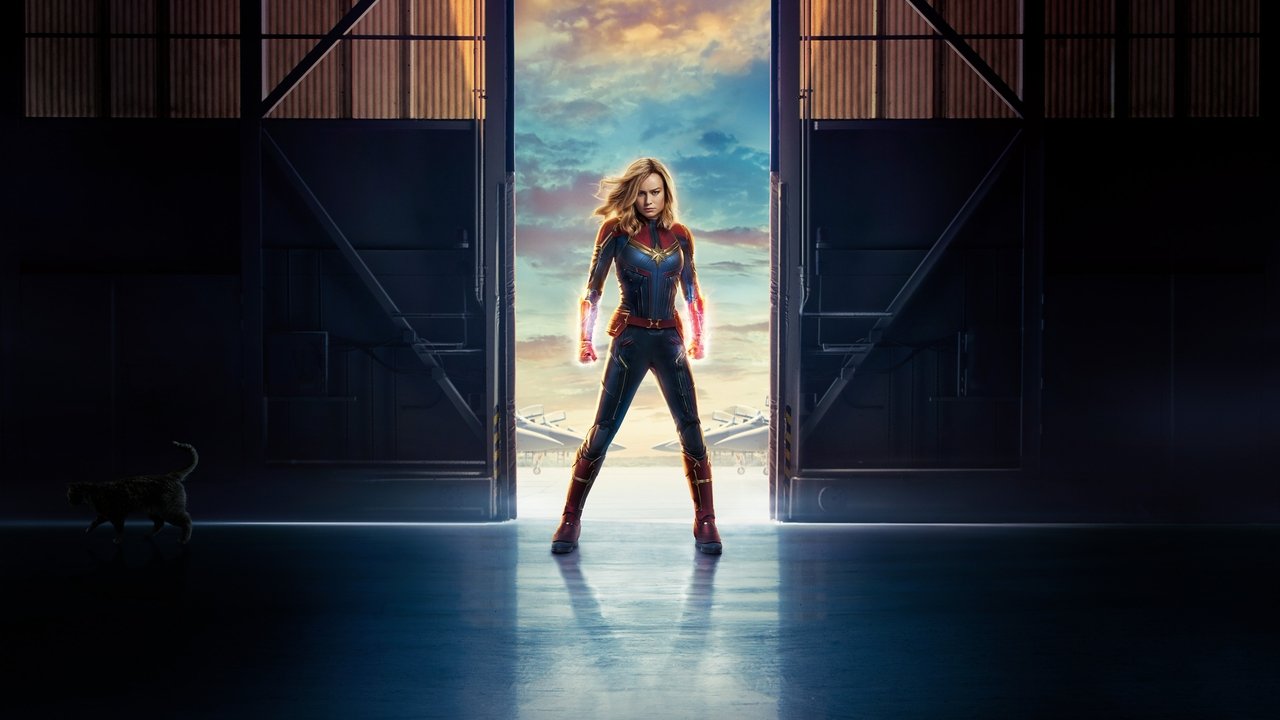
Coming out just months before the world-shattering finale of Avengers: Endgame, this film carried an impossible amount of baggage. It had to introduce the most powerful hero in the franchise, explain where she’d been for twenty years, and satisfy a massive audience hungry for the first female-led solo outing in the MCU. That’s a lot of weight for a movie that just wants to hang out at a dive bar with a younger, two-eyed Nick Fury.
Digital Youth and Grunge-Era Grit
The standout technical achievement here isn't the glowing fists or the space battles; it’s the face of Samuel L. Jackson. We’ve seen de-aging tech before, but the work done here to shave twenty-five years off Jackson’s Nick Fury is bordering on sorcery. Unlike the slightly uncanny valley versions seen in other franchise films, Fury feels tactile and lived-in. He isn’t the cynical architect of the Avengers yet; he’s a mid-level bureaucrat who’s surprisingly good with cats and still capable of wonder. His chemistry with Brie Larson is the actual engine of the movie.
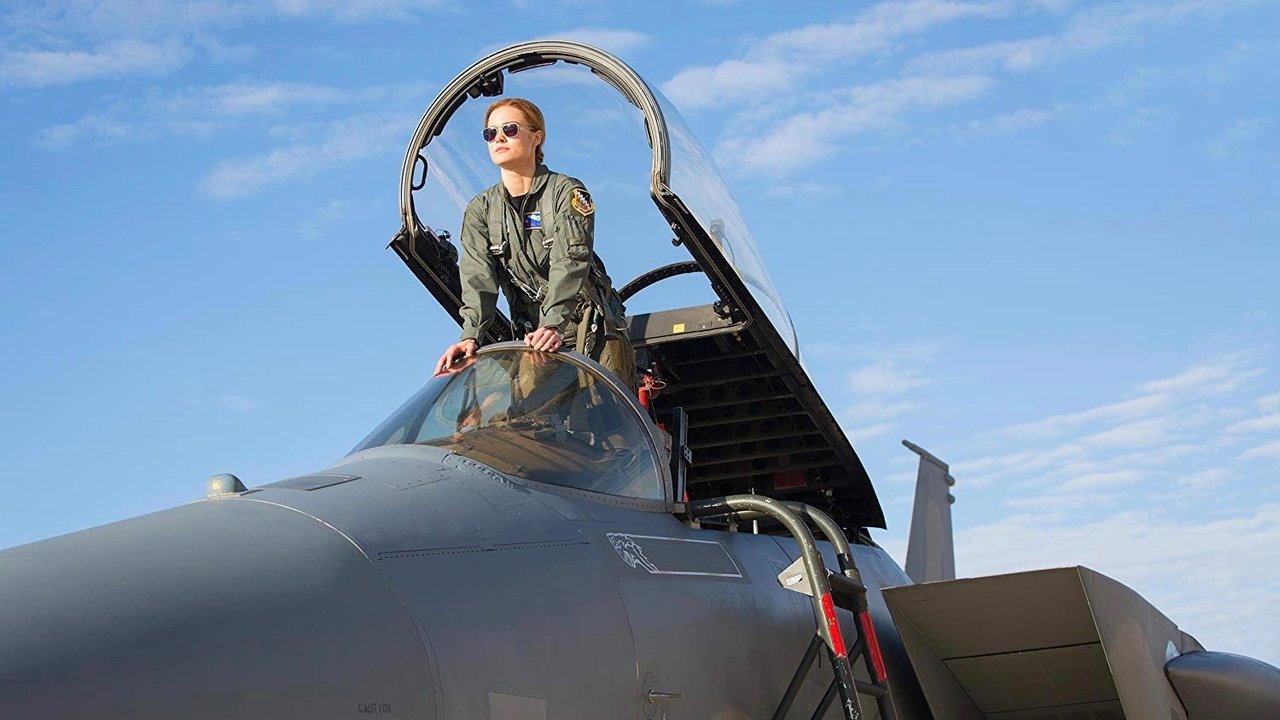
While some critics at the time found Brie Larson’s performance a bit stiff, I’d argue that Carol Danvers is essentially playing a character who has been gaslit by her own memories. She’s a soldier who has been told to suppress her emotions for years. The moments where her personality cracks through—that smirk when she steals a motorcycle or her confusion over slow-loading CD-ROMs—are where the film finds its pulse. It’s a "fish out of water" story where the fish doesn't even realize she’s originally from the pond she just landed in.
Subverting the Galactic War
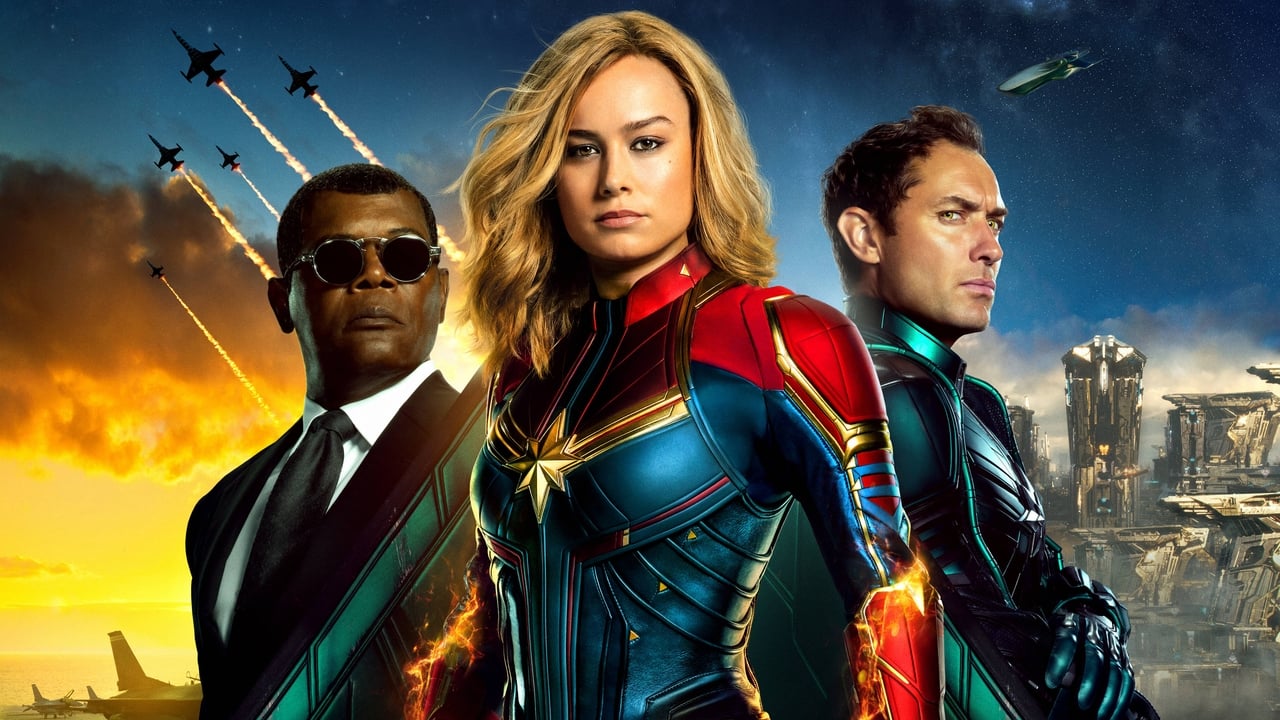
Action-wise, directors Anna Boden and Ryan Fleck—who usually play in the sandbox of gritty indie dramas like Half Nelson (2006)—bring a grounded, almost shaky-cam intensity to the early chase sequences. The choreography is solid, particularly a train-top brawl involving a shape-shifting Skrull disguised as a grandmother. However, the film really finds its footing when it stops being a standard "stop the alien invasion" flick and becomes something more subversive.
The introduction of Ben Mendelsohn as Talos is arguably the best casting choice in the entire third phase of the MCU. Mendelsohn manages to be hilarious and heartbreaking through three inches of green prosthetic makeup. By flipping the script on the Kree-Skrull war, the screenplay (co-written by Geneva Robertson-Dworet) engages with some surprisingly modern themes about displacement and the demonization of refugees. In an era where blockbuster cinema is often accused of playing it safe, making the "scary green monsters" the sympathetic victims was a bold narrative pivot that elevated the stakes beyond just "punching the bad guy."
The Billion-Dollar Ceiling Smash
The cultural footprint of Captain Marvel is massive, largely because it proved that the "female superhero fatigue" narrative was total nonsense. It raked in over $1.1 billion at the global box office, proving that audiences were more than ready for this shift. It was a massive marketing win for Kevin Feige and Marvel Studios, positioning Carol as the future of the franchise at a moment when the original anchors (Iron Man and Captain Cap) were preparing to exit.
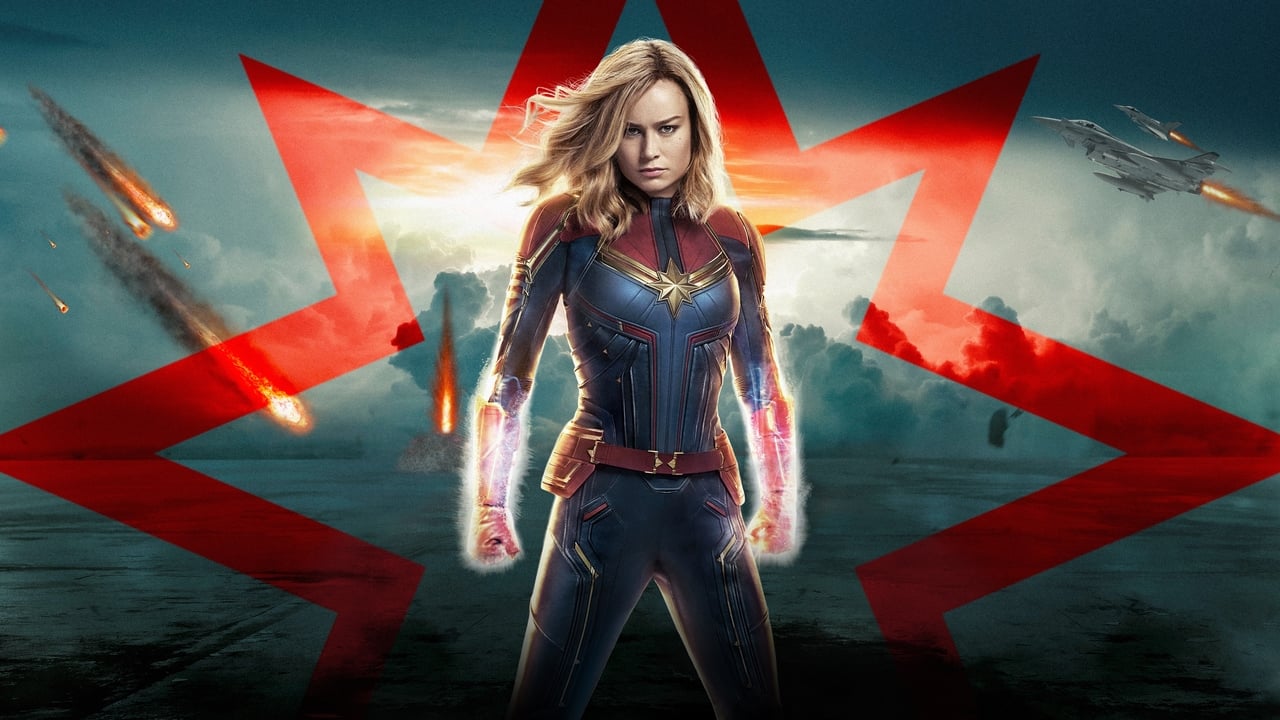
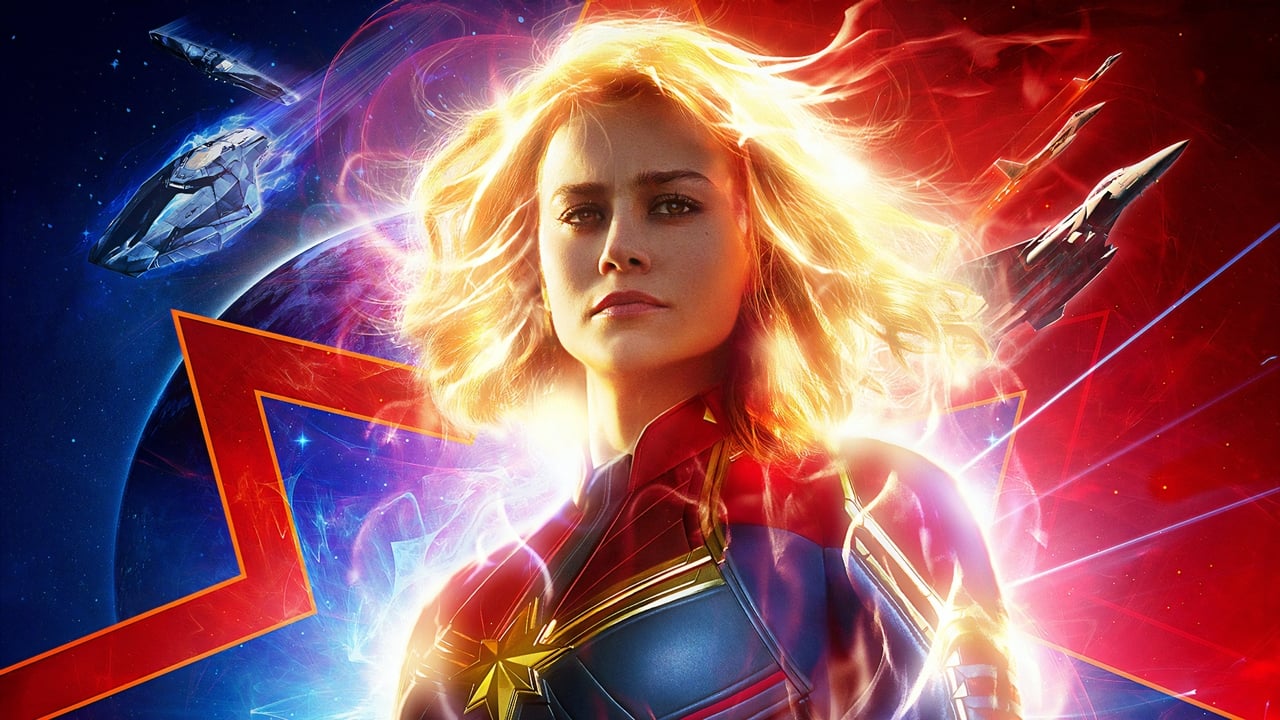
However, the film does occasionally stumble into the "origin story" trap. The final act, while visually spectacular as Carol fully embraces her Binary powers and starts punching through interstellar warships, loses some of the personal stakes found in the middle of the movie. When a hero becomes that invincible, the tension inevitably thins out. The action is at its best when it feels scrappy and physical, rather than a glowing CGI light show. That said, the needle-drop of No Doubt’s "Just a Girl" during a climactic brawl is the kind of cheeky, high-energy moment that makes these movies such a blast in a crowded theater. It’s unapologetic, it’s fun, and it captures the specific "higher, further, faster" spirit that the movie aims for.
Captain Marvel is a vibrant, occasionally messy, but ultimately soaring entry into the superhero canon. It succeeds because it cares more about Carol’s journey to rediscover her humanity than it does about explaining the physics of a Tesseract. It’s a film that looks back at the 90s with a wink while firmly planting its feet in a future where anyone can be the most powerful person in the room. If you can get past some of the standard franchise formula, there's a really soulful buddy-cop movie buried under all that cosmic stardust.
Keep Exploring...
-
The Marvels
2023
-
Avengers: Age of Ultron
2015
-
Rogue One: A Star Wars Story
2016
-
Ready Player One
2018
-

Spider-Man: Far From Home
2019
-
Ant-Man
2015
-
Jurassic World
2015
-
Maze Runner: The Scorch Trials
2015
-

Star Wars: The Force Awakens
2015
-

The Hunger Games: Mockingjay - Part 2
2015
-
Captain America: Civil War
2016
-
X-Men: Apocalypse
2016
-
Guardians of the Galaxy Vol. 2
2017
-
Spider-Man: Homecoming
2017
-
Star Wars: The Last Jedi
2017
-
Thor: Ragnarok
2017
-
Ant-Man and the Wasp
2018
-

Black Panther
2018
-
Bumblebee
2018
-

Jurassic World: Fallen Kingdom
2018